Eight hours of sleep should leave you refreshed, but many people wake up tired, groggy or foggy. If this sounds familiar, then the problem may not be the hours you sleep but the quality of your sleep. Undiagnosed airway issues can quietly disrupt your restorative sleep, causing exhaustion even when you’re getting enough sleep.
There are things like obstructive sleep apnea (OSA), upper airway resistance syndrome (UARS), and other airway restrictions that can break your breathing without you knowing it. In this article, we’ll discuss how airway health can affect fatigue, signs to look out for, and treatment options available in Clifton, NJ.
Why Am I Still Tired After 8 Hours of Sleep?

Even if you’re getting enough hours of sleep, your sleep may not be restorative. Quality matters as much as quantity. Repeated, often imperceptible, interruptions in breathing can fragment your sleep cycles, preventing your body from reaching deep, restorative stages.
You may have a problem with airflow or undiagnosed sleep-disordered breathing that is affecting your energy levels if you are always tired after a good night’s sleep. Treatment of airway problems can profoundly affect alertness and daytime function.
The Hidden Link Between Your Airway and Sleep Quality
Your airway is the key to healthy sleep. Sleep relaxes muscles, and your airway can become narrow. When airflow is limited, oxygen levels drop and there are short awakenings, preventing restorative sleep. Most people don’t realize these interruptions, but over time, fragmented sleep can lead to chronic fatigue, poor concentration, and mood changes.
Schedule Your Visit with a Trusted Dental Team
Taking the next step toward better oral health starts with a simple conversation. Our experienced team is ready to answer your questions and help you plan your treatment with confidence.
Common Signs Your Airway May Be Affecting Your Sleep
Not all airway issues are obvious. Look for these potential signs:
- Waking up tired despite enough sleep
- Loud or frequent snoring
- Dry mouth in the morning
- Morning headaches
- Brain fog and poor concentration
- Daytime fatigue
- Frequent nighttime awakenings
- Irritability or mood changes
Top signs that an airway problem may be affecting your sleep include fatigue, snoring, and morning headaches.
Obstructive Sleep Apnea (OSA): A Common Cause of Persistent Fatigue
What Is Obstructive Sleep Apnea?
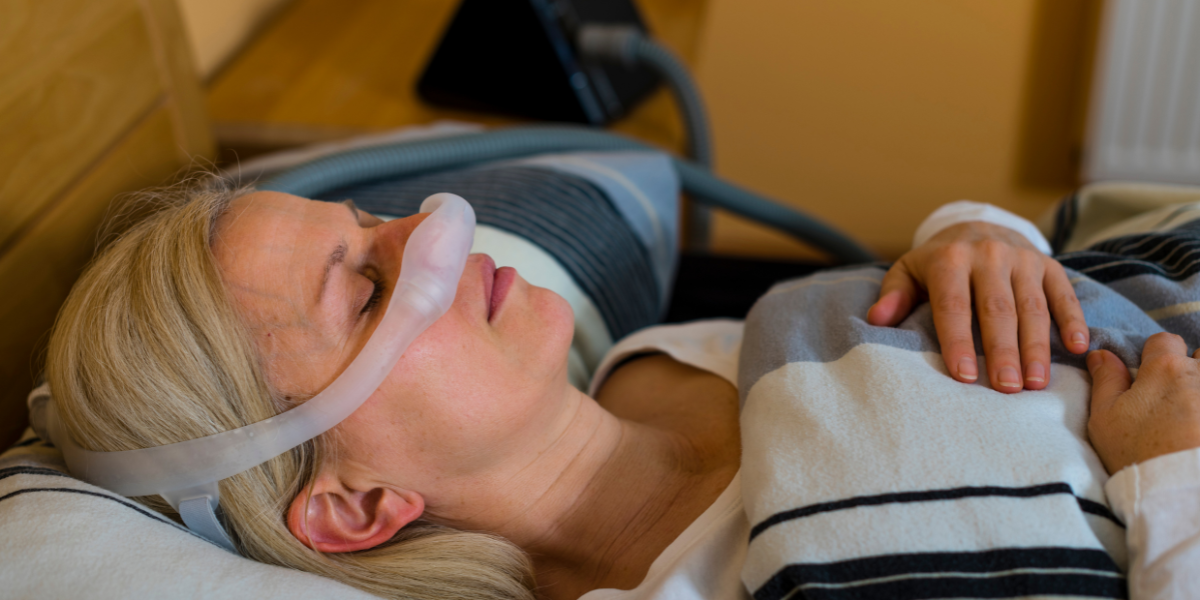
OSA happens when your airway closes while you sleep. This causes you to stop breathing for brief periods and decreases oxygen in your blood. Short interruptions can keep you from deep sleep and leave you feeling tired and unrested.
How OSA Impacts Your Health Beyond Sleep
Beyond fatigue, untreated OSA can contribute to:
- Chronic fatigue and low energy
- High blood pressure
- Increased risk of heart disease
- Higher risk of diabetes
- Reduced productivity and focus
Recognizing OSA early can protect both your health and quality of life.
Could It Be Upper Airway Resistance Syndrome (UARS)?

UARS is a not so well known sleep disorder, but it can be very disruptive to sleep. It is not always associated with complete airway closure as in OSA but patients are still left exhausted by frequent micro-arousals. UARS patients may sleep normally, but they complain of chronic fatigue, irritability and difficulty concentrating. Important to recognize early for effective treatment.
Structural and Positional Factors That May Restrict Your Airway
Structural Factors
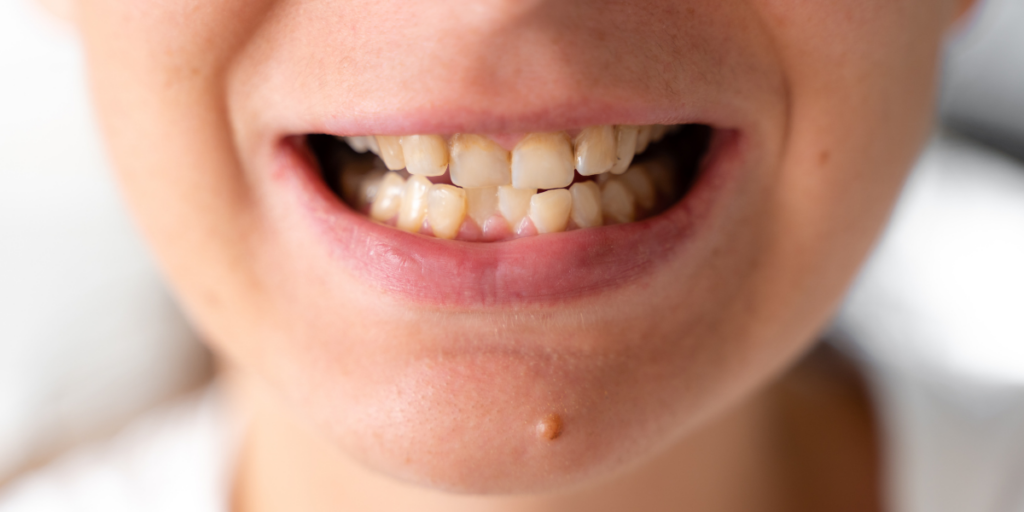
Your anatomy can influence airflow during sleep. Narrow dental arches, jaw position, tongue posture, or overall airway structure may reduce airflow, leading to fragmented sleep.
Positional Factors
The way you sleep also matters. Sleeping on your back, improper neck or head positioning, and weight-related airway compression can worsen restricted airflow.
Why These Factors Matter
Reduced airflow increases breathing effort and interrupts restorative sleep, amplifying daytime fatigue and mood changes.
When Fatigue Becomes a Dental Sleep Health Issue

A trained airway-focused dentist can identify signs of potential sleep-disordered breathing during a routine exam. Dental wear, jaw alignment and airway anatomy are clues that help spot problems early. Sleep physicians collaborate with a sleep dentist in Clifton for a comprehensive evaluation and treatment recommendations.
Treatment Options for Sleep-Disordered Breathing
Oral Appliance Therapy
Oral Appliances: These are custom-fitted devices that help keep an open airway while you sleep. They advance the jaw or tongue to improve airflow and reduce interruptions in sleep. For the right candidates, these devices improve sleep quality and daytime energy.
Sleep Apnea Treatment in Clifton
Clifton individualized treatment plans include ongoing care, lifestyle recommendations and monitoring. Clifton sleep dentist collaborates with other specialists to coordinate care and enhance sleep quality and outcomes.
Schedule Your Visit with a Trusted Dental Team
Taking the next step toward better oral health starts with a simple conversation. Our experienced team is ready to answer your questions and help you plan your treatment with confidence.
Night Guards in Clifton and Related Solutions
Teeth grinding (bruxism) can exacerbate sleep disruption and is treated with night guards. They don’t directly treat airway issues but they do protect teeth and help overall oral health sometimes helping sleep to be more comfortable.
What Should You Do If You Suspect an Airway Problem?
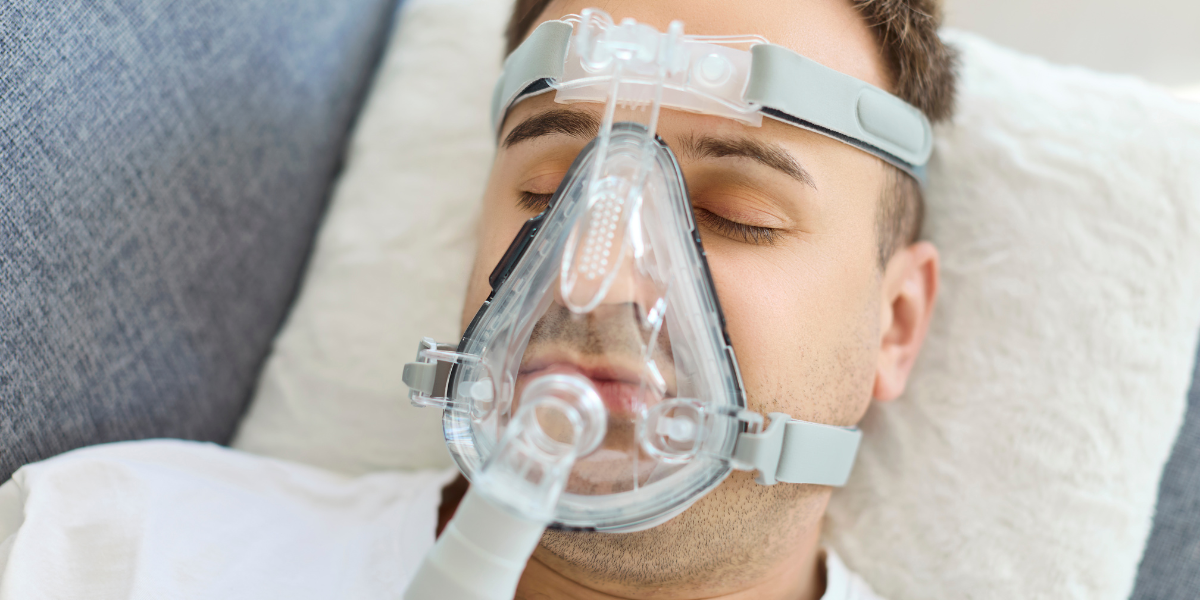
Do not ignore the symptoms of persistent fatigue, loud snoring and morning headaches. Get an assessment from a dentist or sleep specialist who is airway-centric. Ask about sleep studies, oral appliance options, and tailored treatment plans. Getting it diagnosed early helps the outcome and prevents long-term health effects. If you experience any of the warning signs we’ve discussed, it’s time to schedule an airway evaluation.
Feeling Tired After 8 Hours of Sleep Isn’t Normal
Ongoing tiredness can be a sign of an underlying airway problem. Disorders such as OSA and UARS are often overlooked, but they have a direct impact on sleep quality. With early diagnosis and appropriate treatment, such as oral appliances or targeted therapy, you can restore restorative sleep, increase energy, and improve overall health.
Discover Whether Your Airway Is Affecting Your Sleep at Harmony Dental Arts
Feeling tired, snoring or waking in the night? Harmony Dental Arts in Clifton provides a comprehensive evaluation of sleep disordered breathing. Our expert staff provides custom solutions from mouthpieces to night guards to improve sleep quality, energy and wellness. Book a consultation today and take the first step to real restorative sleep.
Conclusion
“It’s not normal to be tired after a full night’s sleep. It could be an underlying airway problem.” Conditions such as obstructive sleep apnea and upper airway resistance syndrome are often undiagnosed and interfere with restorative sleep, which can affect energy, mood, and overall health. A dentist like Harmony Dental Arts in Clifton, which specializes in airway care, can spot issues early and offer effective treatment options to get your sleep back on track and improve your daytime alertness and quality of life. Do not forget ongoing fatigue. Take Action Now for Better Sleep & Health.