Choosing a dentist for your dental implants is not all about price. It’s about experience, accuracy and long term results. Patients in Clifton, NJ, with many choices for dental implants often struggle to adequately assess providers. There are many factors, from experience to technology, that can affect the success and lifespan of your dental implant.
This guide will help you with nine important questions to ask at your dental implant consultation. By the end, you’ll feel confident you’re choosing the right dental implant dentist in Clifton, NJ, for your goals and optimal oral health. The best dental implant provider is the one that offers a combination of extensive experience, advanced technology, personalized treatment planning, and ongoing patient care.
Why Choosing the Right Implant Dentist Matters

Dental implants are a long-term investment, and the provider you choose will directly impact your comfort, appearance and success of the treatment.
- Treatment success depends on expertise: Experienced implant dentists can handle complex cases and reduce the risk of complications.
- Personalized care matters: Every patient has unique oral health conditions, so individualized treatment plans are crucial.
- Appearance and function: Well-placed implants restore both aesthetics and chewing function for years to come.
Selecting a skilled implant specialist dentist in Clifton ensures that your dental implant journey is safe, effective, and tailored to your needs.
9 Questions to Ask Before Choosing an Implant Dentist
Before committing, ask these questions:
- How much experience do you have with dental implants?
- Am I a good candidate for dental implants?
- What technology do you use for treatment planning?
- What implant options are available for my needs?
- Will I need bone grafting or additional procedures?
- What does the total cost include?
- How long will treatment take?
- How do you handle emergencies or complications?
- What maintenance is required after treatment?
Question #1 – How Much Experience Do You Have With Dental Implants?

Credentials and Advanced Training
Ask about specialized education, continuing training and experience with complex implant cases. Those providers with formal implant education and ongoing skill development are more likely to be successful.
Why Experience Matters
Experienced dentists improve treatment accuracy, minimize complications, and provide higher long-term success rates.
Question #2 – Am I a Good Candidate for a Dental Implant?

Eligibility depends on:
- Bone density: Good bone support is an important factor for the success of implants. If an evaluation shows there is not enough density, your dentist may recommend a sinus lift or bone graft before placing the implant.
- Gum health: Your periodontal tissue condition is also important; healthy gums are needed to hold the restoration firmly and avoid inflammation or possible bone loss.
- Medical history: Each patient comes with their own set of oral health conditions. A complete review of your past medical history will ensure a personalised care plan is created to minimise the risk of complications.
Lifestyle factors like smoking: Smoking can hinder healing (osseointegration) and shorten implant lifespan. However, most healthy adults qualify for dental implants following a detailed assessment by a Clifton implant dentist.
Question #3 – What Technology Do You Use for Implant Planning?
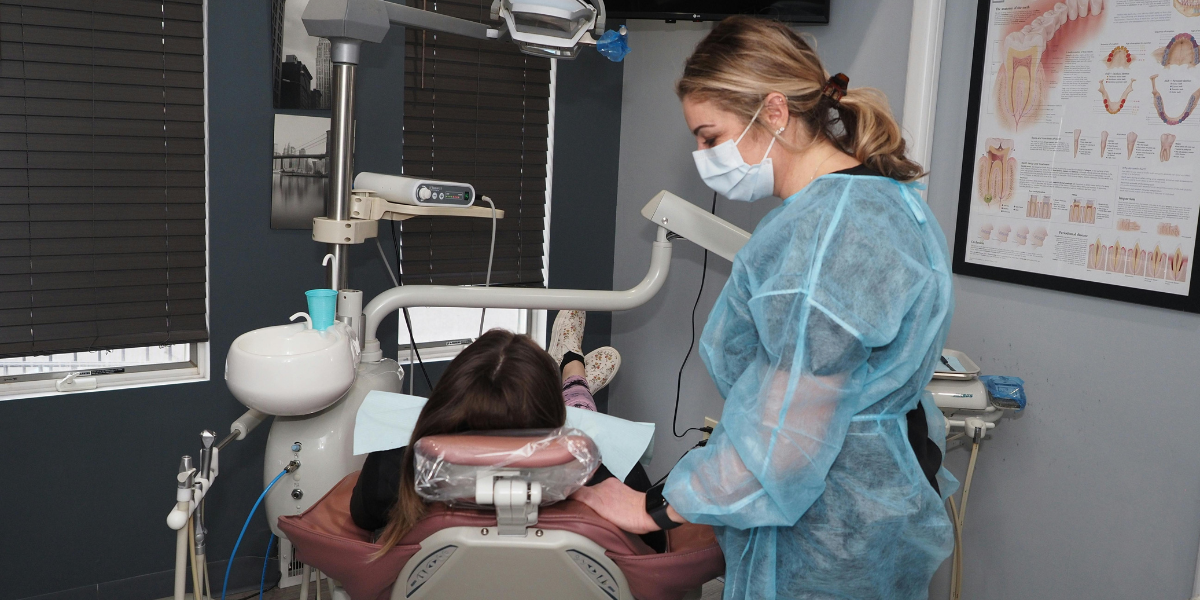
Modern technology enhances precision and safety:
- Digital imaging and 3D scans: Digital imaging and 3D CT scans are essential for accurate planning as they allow for a complete oral examination of the bone structure.
- Guided implant placement: Guided placement software can be used to surgically place titanium posts for clinical accuracy and to reduce complications.
- Software for exact treatment planning: Specialized software breaks down the process in detail, from initial evaluation to final crown restoration, to help set realistic expectations for the total length of care.
This ensures your implants are placed accurately, reducing recovery time and improving long-term results.
Question #4 – What Are My Treatment Options?
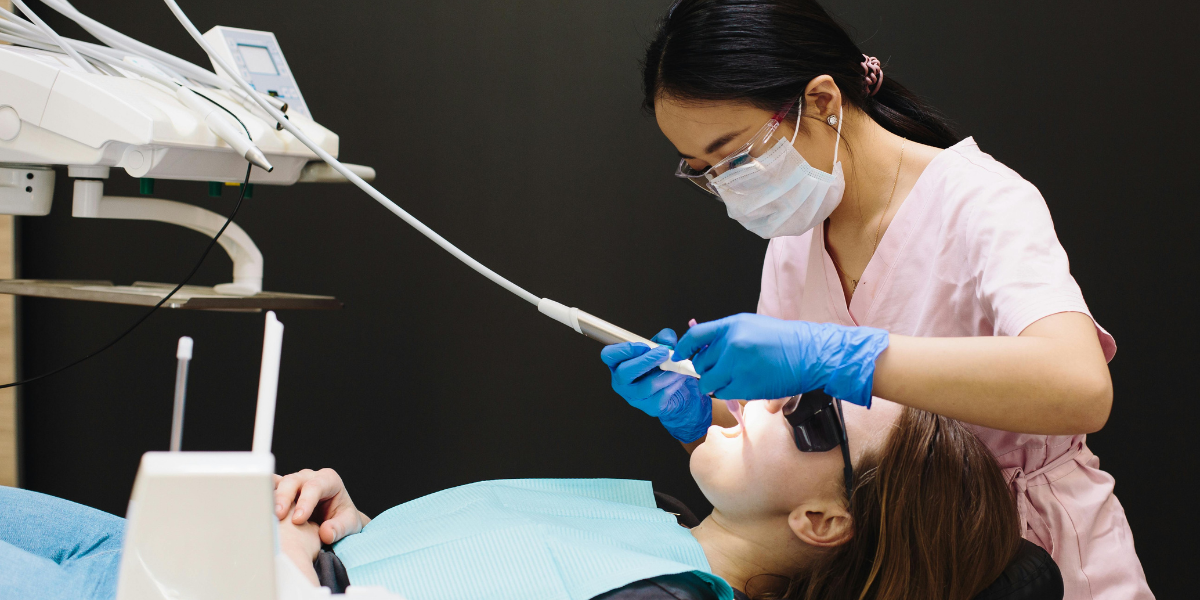
Single and Multiple Tooth Replacement
Options include:
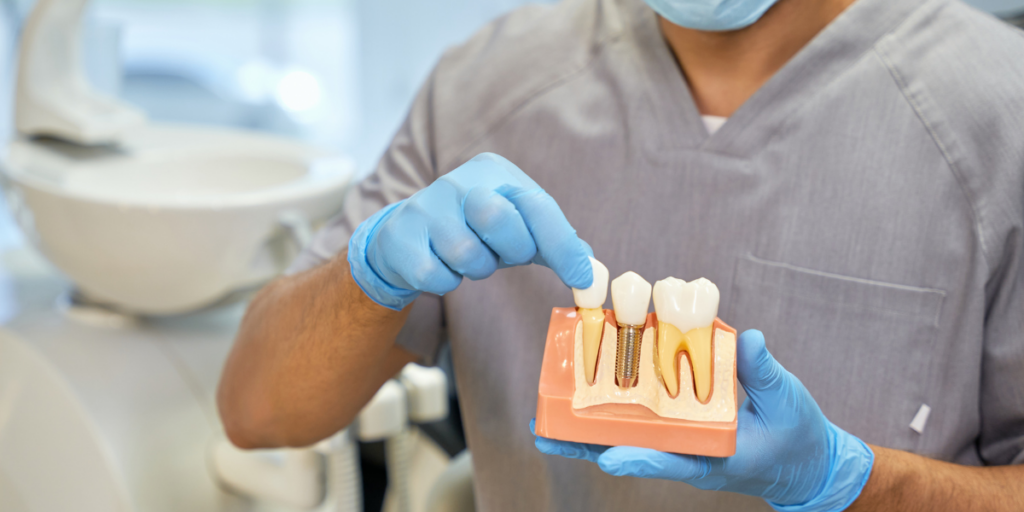
- Single implants: The gold standard for a single missing tooth, this solution uses a surgically placed titanium post and custom crown to create a permanent root and seamless smile. It’s recommended by specialists to restore the function and aesthetics without affecting the neighbouring healthy teeth.
- Implant-supported bridges: Implant supported bridges are more stable than traditional bridges as they are anchored to implants rather than neighbouring teeth, making them ideal for multiple missing teeth. Preserves healthy teeth, restores chewing function and maintains facial structure.
Schedule Your Visit with a Trusted Dental Team
Taking the next step toward better oral health starts with a simple conversation. Our experienced team is ready to answer your questions and help you plan your treatment with confidence.
Full Mouth Dental Implant Solutions
If you need extensive restoration, consider:
- Full mouth dental implant in Clifton: This complete reconstruction replaces an entire upper or lower arch, giving you the stability of natural teeth without the slip that often comes with traditional dentures. It increases the force of bite. It prevents the sunken face because of long term loss of teeth.
- Implant-supported full arches: These restorations are securely fixed to strategically placed implants using solutions like All-on-4. This method provides a strong bite and natural smile that stays in place 24/7 for the ultimate comfort and confidence.
These options offer significantly better stability, comfort, and longevity compared to traditional removable dentures.
Question #5 – Will I Need Bone Grafting or Additional Procedures?
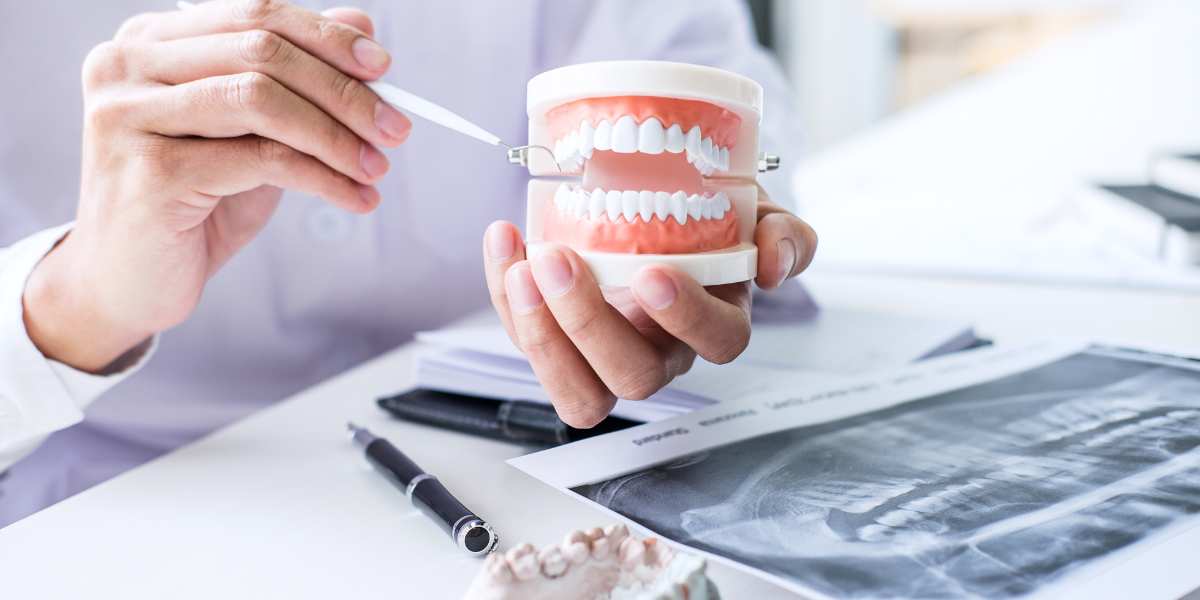
- Bone support is vital for dental implant longevity.
- Sinus lifts or bone grafts may be required if bone density is low.
- These steps ensure a stable foundation for the implant post.
- While extending the treatment time, they are necessary for long-term security.
Question #6 – What Does the Total Cost Include?
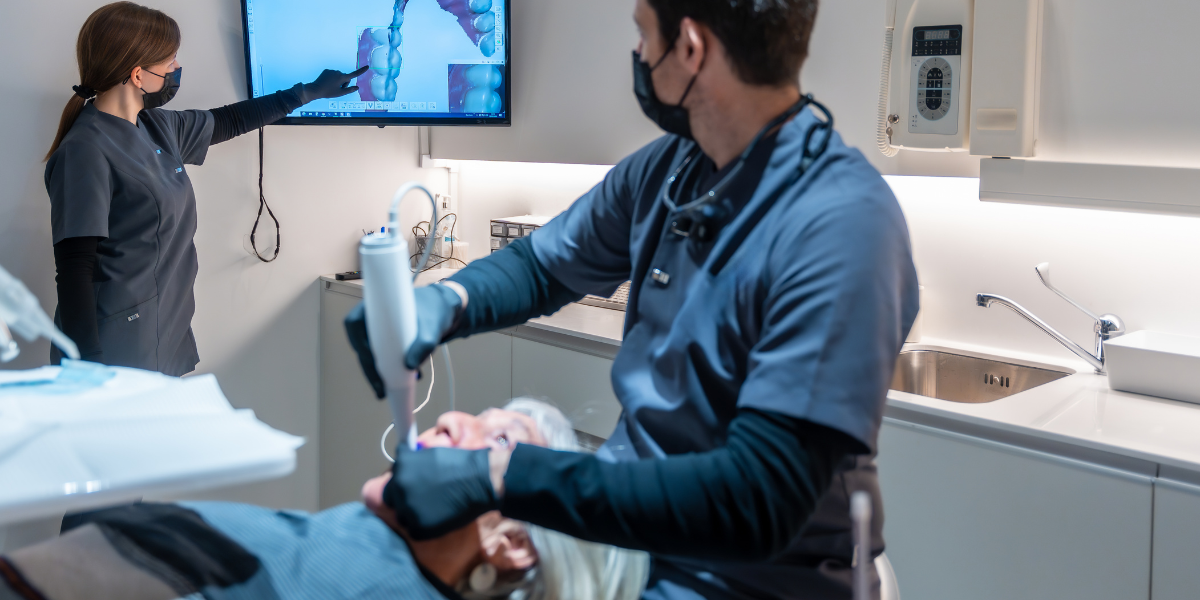
Ask for a detailed estimate covering:
- Consultation and diagnostics: The first phase is a comprehensive oral examination and digital imaging including 3D scans, all of which help evaluate bone structure and plan for the precise placement.
- Implant placement: This step of the surgery is when the titanium implant post is carefully placed into the jawbone to serve as a permanent artificial root for the future restoration.
- Final restoration: After a healing period known as osseointegration, the final crown, bridge or arch is securely attached to the post to restore full function and aesthetics.
- Additional procedures: Preparing procedures like a bone graft or a sinus lift are sometimes needed to ensure enough bone exists to have a successful implant.
- Financing options: Flexible payment plans and financial transparency help make this long-term investment in your oral health more attainable and manageable.
Understanding Treatment Estimates
Request a breakdown to avoid unexpected costs. Transparency ensures you know exactly what you’re paying for.
Question #7 – How Long Will the Process Take?
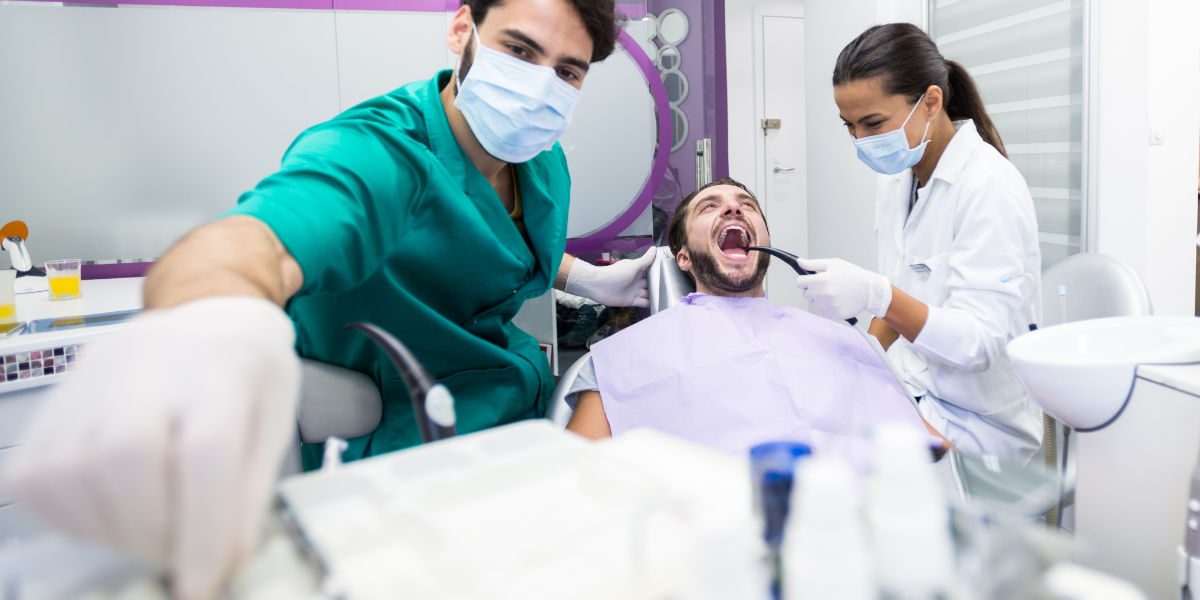
Typical timeline:
- Consultation phase: During this first phase, you will get a complete assessment of your oral health, including digital imaging and 3D scanning to assess your bone density and whether you would be a good candidate for the procedure.
- Surgical placement: The dentist or specialist will surgically insert the titanium implant post into your jawbone. This will act as a permanent root for your new tooth.
- Healing period (osseointegration): This is an important several month period when the jaw bone fuses to the implant post to create a solid and secure foundation.
- Final restoration: After healing, the dentist will put on the final crown, bridge or arch, restoring full chewing ability and a natural look.
Knowing the schedule upfront helps you plan for time off work and follow-up visits.
Question #8 – How Do You Handle Emergencies or Implant Complications?
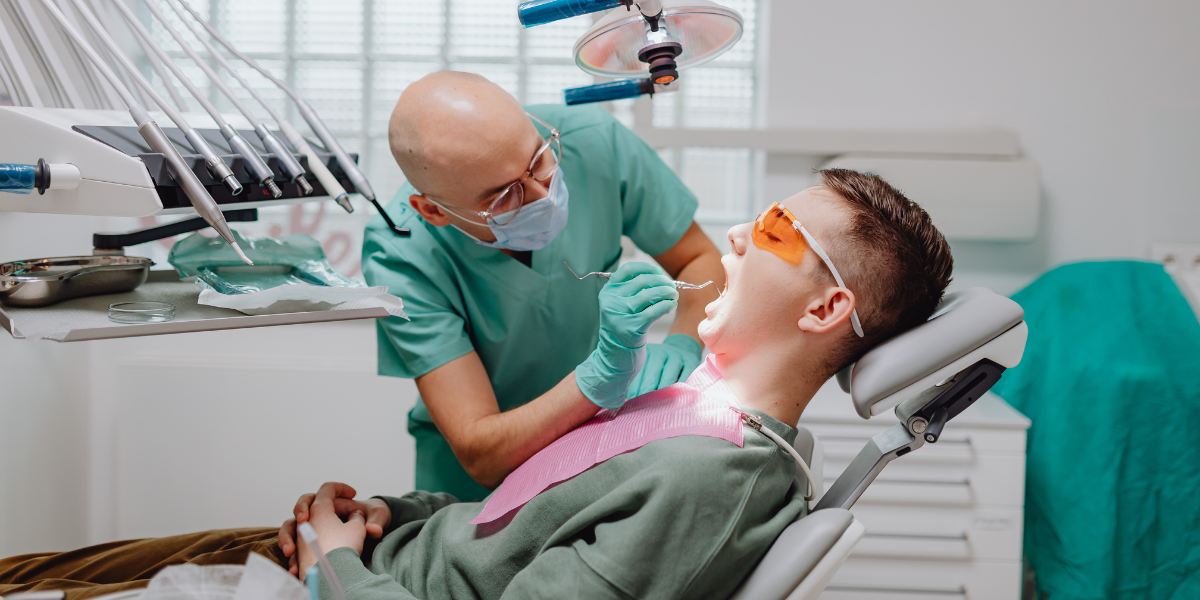
A reliable emergency dentist in Clifton should provide:
- Follow up care: Regular check-ups are important to ensure that the implant is bonding properly with the jaw bone and that the gum tissue surrounding it is healthy.
- Implant health monitoring: Your dentist will keep an eye out for early signs of bone loss or inflammation, as well as the stability of the implant, through clinical exams and possibly digital imaging.
- Complications Early management: A reputable provider will have protocols in place to identify and treat minor issues before they become major issues, ensuring the long-term success of your restoration.
Proper care will help keep your implants in good condition and help them last.
Question #9 – What Does Long-Term Implant Maintenance Involve?
Protect your investment by:
- Daily oral hygiene: Most importantly, you need to be diligent with your brushing and flossing routine to keep the integrity of your dental implants and surrounding gum tissue.
- Professional cleanings:Experienced hygienists will use special tools to clean plaque and tartar from hard to reach areas around the implant to prevent inflammation and possible bone loss.
- Regular dental visits: Your implant specialist will use regular clinical exams and diagnostic imaging to monitor stability and identify any minor issues before they turn into serious complications.
A committed implant provider will guide you through long-term care for optimal results.
Red Flags to Watch for During an Implant Consultation
- Lack of detailed evaluations: A provider who rushes through the initial assessment or fails to conduct a comprehensive oral examination may overlook critical health factors. A thorough evaluation is necessary to ensure the success and safety of your dental implant journey.
- No advanced imaging: Digital imaging and 3D scans are essential for accurate treatment planning and precise surgical placement. Without these modern tools, the risk of complications increases significantly.
- Unclear pricing: Transparency in costs is vital to avoid unexpected financial burdens. A trustworthy provider should offer a detailed breakdown covering diagnostics, surgical phases, and final restorations.
- Pressure-driven recommendations: Patients should feel empowered to make informed decisions about their dental wellness without feeling coerced into specific treatments. A reliable dentist prioritizes patient education and transparency.
- Limited discussion of risks and alternatives: It is crucial for an implant specialist to provide a complete picture of the procedure, including potential risks and other available options like bridges or arches. This ensure the treatment is truly tailored to your unique needs.
How to Compare Dental Implant Providers in Clifton
When evaluating providers, consider:
- Experience and credentials: Investigate the dentist’s specialized education and clinical history with complex dental implant cases to ensure long-term success.
- Technology used: Modern practices should utilize advanced tools like 3D CT scans and digital imaging for precise surgical planning and guided placement.
- Available treatment options: Determine if they offer a full range of solutions, including single implants, implant-supported bridges, or full-mouth restorations.
- Pricing transparency: Ensure you receive a comprehensive cost breakdown that includes diagnostics, the surgical phase, and the final restoration to avoid hidden fees.
- Patient support and follow-up care: Confirm the availability of emergency support and a clear monitoring schedule to protect your investment during the healing process.
Schedule Your Visit with a Trusted Dental Team
Taking the next step toward better oral health starts with a simple conversation. Our experienced team is ready to answer your questions and help you plan your treatment with confidence.
Simple Provider Comparison Checklist
- Specialized implant training, continuing education, and complex case expertise.
- Look for technology such as 3D imaging, digital scans and guided placement software.
- Discuss the various treatment options (single, multiple, or full arches) and realistic timelines for each phase.
- Evaluate the transparency of pricing, including full disclosure of all procedure and restoration fees.
- Check for aftercare support, emergency availability and advice on long term maintenance.
Key Takeaways Before Choosing a Dental Implant Dentist
Ask informed questions during consultation: Check the dentist’s experience and the technology they use during your first visit. Digital imaging and 3D scans are a must for accurate planning. Ask about their success rates and how they handle any complications that may occur.
Evaluate expertise, not just cost: Long-term success depends more on the training and credentials of your implant specialist dentist in Clifton than on price. A provider with specialized training in complex cases can help reduce risks and ensure a more accurate placement.
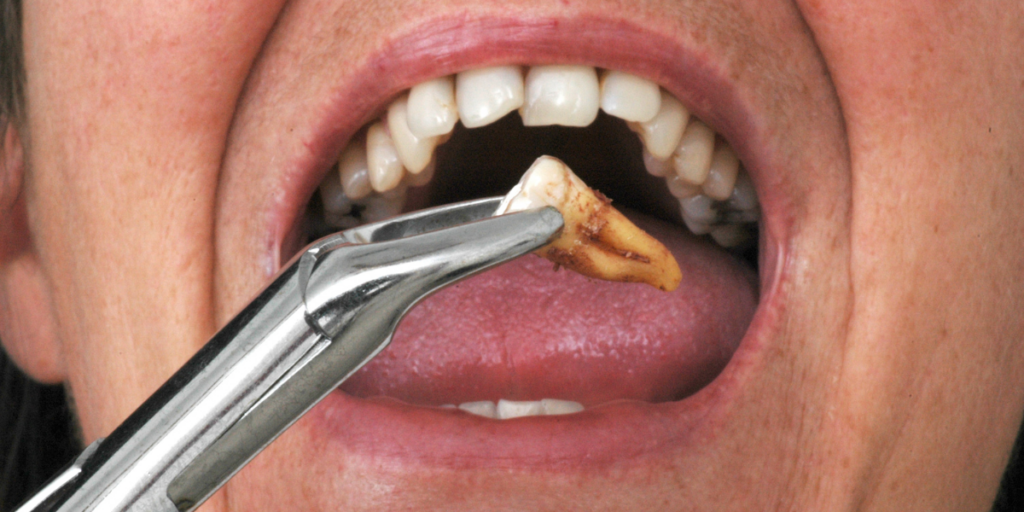
Understand treatment options and timelines: Request a detailed process breakdown, beginning with tooth the extraction and continuing through the healing phases (osseointegration) and ending with crown restoration. Knowing upfront if you need additional procedures, such as bone grafting, helps set realistic expectations for the total length of care.
Prioritize long-term care and support: Ensure the practice provides extensive follow-up care and has protocols for handling dental emergencies. Long term success depends on professional cleanings, and guidance on daily oral hygiene habits to protect your investment.
Schedule Your Dental Implant Consultation With Harmony Dental Arts

Ready to smile again with confidence? Harmony Dental Arts is your place for customized treatment planning, cutting-edge technology and patient-centered care in Clifton, NJ. Schedule a consultation to explore your dental implant options and take the first step toward long-lasting dental wellness Call.
Conclusion
Your comfort, appearance, and long-term oral health will be greatly affected by the dental implant provider you choose. Implants are a major investment, and success depends on quality of care and longevity of the restoration. To make an informed decision, you need to know all of the treatment options, from single teeth to full-mouth rehabilitation. It is also helpful to consider the provider’s credentials and advanced training to determine if they are equipped to manage complex cases and mitigate risks. 3D digital imaging, for example, is an important tool for precise surgical planning and safer results. Put your smile in the hands of a specialized Clifton implant expert who focuses on clinical accuracy, safety, and maintenance over the years.