CPAP Alternative in Clifton, NJ
If you have obstructive sleep apnea and find CPAP difficult to use consistently, you may be exploring other treatment options. We evaluate patients for oral appliance therapy and coordinate care with medical providers when appropriate.
What Is a CPAP Alternative in Clifton, NJ?
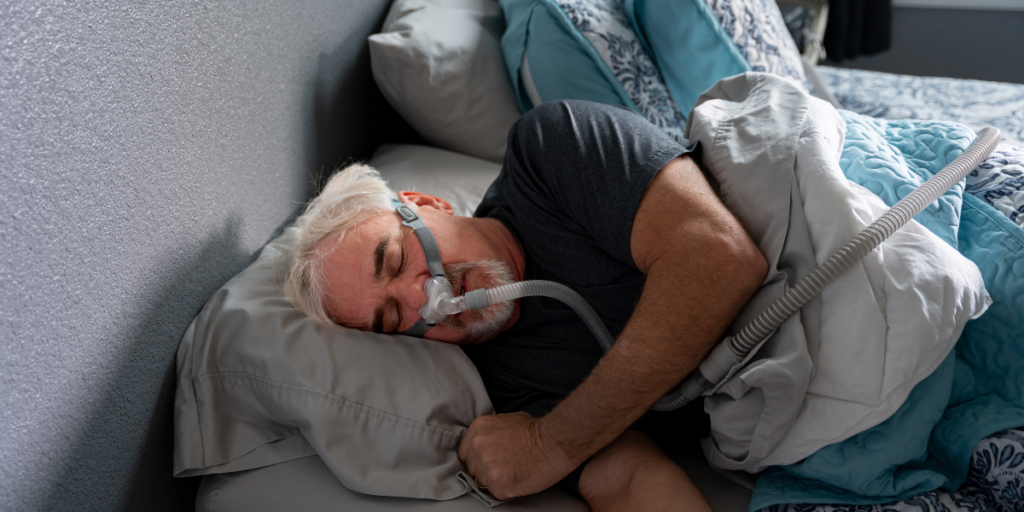
CPAP, or continuous positive airway pressure, delivers pressurized air through a mask to help keep the airway open during sleep. It is a well-established treatment for obstructive sleep apnea and remains the primary therapy for many patients.
Some individuals, however, find CPAP challenging to use regularly. Common concerns include:
- Mask discomfort or pressure points
- Difficulty achieving a secure, comfortable fit
- Dry mouth or nasal irritation
- Feeling restricted by the mask or tubing
- Interrupted sleep due to equipment awareness
- Travel inconvenience with the device.
Difficulty tolerating CPAP does not mean sleep apnea should be left untreated. Instead, it is important to discuss these challenges with the clinician managing your sleep apnea. Depending on your diagnosis and individual needs, adjustments to CPAP or alternative therapies may be considered. One possible option is oral appliance therapy. Learn more about our comprehensive approach on the Sleep Apnea Treatment in Clifton, NJ page.


What Is Obstructive Sleep Apnea?
Obstructive sleep apnea (OSA) is a sleep disorder that happens when the upper airway, which includes the throat and nasal passages, narrows or collapses during sleep. These disruptions can make it harder for you to breathe and affect your sleep patterns. OSA is a medical condition, and therefore appropriate sleep testing and medical evaluation must be used to diagnose and determine the severity of the condition.
Dentists trained in dental sleep medicine play a supportive role after diagnosis. Once OSA is confirmed, a dentist can evaluate the teeth, bite, jaw, and oral structures to determine whether oral appliance therapy may be appropriate as part of a coordinated care plan.
Who Should Consider a CPAP Alternative?
Oral appliance therapy may be considered for select adults diagnosed with obstructive sleep apnea, especially those who have difficulty tolerating CPAP or are exploring other options with their healthcare provider.
You may want to discuss an oral appliance if:
- You have obstructive sleep apnea
- CPAP use is inconsistent or uncomfortable
- Mask or equipment issues interfere with sleep
- You prefer a smaller, travel-friendly treatment option
- Your healthcare provider is open to oral appliance therapy
- Your teeth, gums, bite, and jaw are suitable for appliance use
A full evaluation is required because not every patient is a candidate for this treatment. For patients with additional concerns, we may also assess related conditions, such as TMJ Treatment.
When Might CPAP Still Be the Better Choice?
Oral appliance therapy should not be viewed as a direct replacement for CPAP in all cases.
CPAP may remain the preferred or medically necessary treatment based on:
- Severity of obstructive sleep apnea
- Oxygen levels during sleep
- Presence of other medical conditions
- Response to previous therapies
- Recommendations from your sleep physician
Some patients may require additional medical or surgical treatment, either alone or alongside oral appliance therapy.
If you are already taking CPAP, you should continue your therapy as prescribed, unless you are told otherwise by your sleep apnea clinician.

What to Expect with Oral Appliance Therapy
Choosing a CPAP alternative involves a structured clinical process that focuses on safety, precision, and care coordination.
1. Review of Sleep Apnea History
We begin by reviewing:
- Sleep study results
- Current diagnosis and severity
- CPAP experience and challenges
- Medical history and symptoms
- Treatment goals and expectations
If needed, we coordinate with your physician or sleep specialist before moving forward.
2. Dental and Oral Evaluation
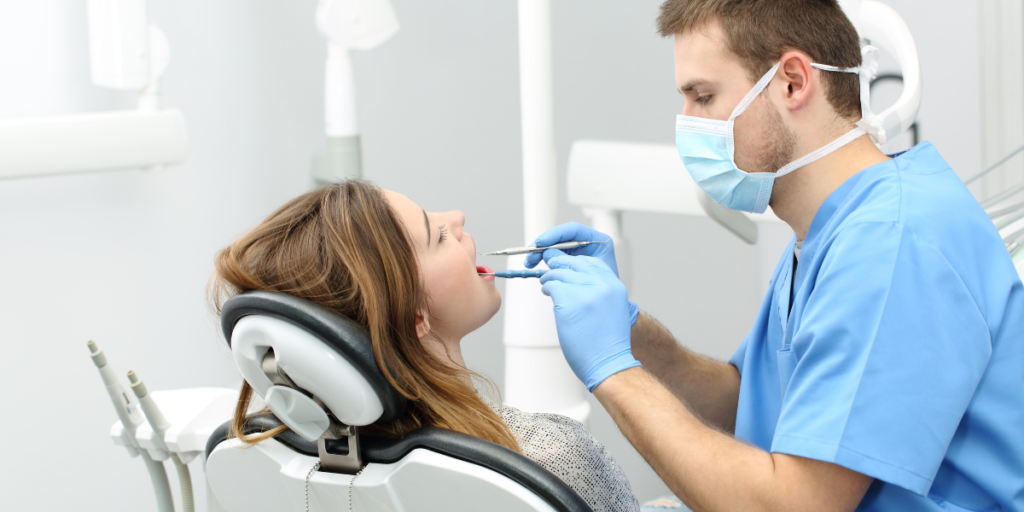
A thorough dental assessment determines whether an oral appliance is appropriate. We evaluate:
- Teeth and existing restorations
- Gum health and stability
- Bite alignment
- Jaw movement and function
- TMJ health
- Oral anatomy and airway considerations
This step is important because oral appliances apply controlled forces to the teeth and jaw during sleep.
3. Custom Appliance Fabrication
If you are a suitable candidate, we take digital scans or impressions to create a custom sleep apnea oral appliance. Unlike over-the-counter devices, a custom appliance is designed specifically for your mouth and bite. Many appliances work by gently guiding the lower jaw forward during sleep, which can help support airway space in appropriate patients.
4. Fitting and Adjustment
Once the appliance is ready, we evaluate:
- Fit and comfort
- Bite alignment
- Jaw position
- Initial response
Adjustments may be made gradually to improve comfort and airway support while maintaining jaw stability.
5. Follow-Up and Monitoring
Follow-up visits are an essential part of care and allow us to:
- Monitor appliance fit and condition
- Evaluate comfort and nightly use
- Assess bite and jaw health
- Make necessary adjustments
- Address discomfort or side effects
- Coordinate additional sleep testing when recommended
Your sleep physician may recommend follow-up testing to objectively evaluate the effectiveness of treatment.
What Our Oral Appliance Feels Like
A custom oral appliance is designed to be simple and discreet.
It is:
- Small and easy to travel with
- Worn only during sleep
- Free of masks, tubing, or external equipment
- Custom-fitted to your bite and jaw
Many patients appreciate the simplicity compared to CPAP equipment.
Limitations and Possible Side Effects
Oral appliance therapy is not suitable for every patient and may have limitations.
Possible side effects include:
- Jaw soreness or stiffness
- Tooth tenderness
- Dry mouth or increased saliva
- Gum irritation
- Morning bite changes.
- TMJ discomfort in some cases
- Long-term changes in bite alignment
Regular follow-up helps monitor these effects and support safe long-term use. If jaw discomfort develops, we may also evaluate treatment for TMJ Disorder.
Safety and Long-Term Care
Oral appliance therapy requires ongoing care and monitoring.
We provide:
- Instructions for use and cleaning
- Routine follow-up visits
- Bite and jaw evaluations
- Appliance adjustments wh
Sleep apnea care is often coordinated with your physician or sleep specialist. Sleep studies may be available to check the effectiveness of treatment. If you are already using CPAP, do not discontinue or change your treatment without talking with the sleep apnea clinician who prescribes your treatment.
Why Choose Harmony Dental Arts
Harmony Dental Arts provides dental sleep medicine care in Clifton, NJ, with a focus on individualized treatment planning and collaboration with medical providers.
Dental Sleep Medicine Experience
Dr. Maria Sokolina, DDS, has advanced training and clinical experience in sleep-related dental care, orthodontics, and airway-focused dentistry. This background supports a detailed evaluation of how the teeth, jaw, and airway function together.
Learn more on the Meet Dr. Sokolina page.
Comprehensive Dental Evaluation
Each case is carefully evaluated based on:
- Dental health and stability
- Bite alignment and function
- Jaw health and movement
- Sleep apnea diagnosis and severity
- Medical history and treatment goals
Custom Treatment Approach
When appropriate, oral appliances are custom-made for each patient rather than using generic devices.
Ongoing Monitoring
We provide continued follow-up to support:
- Comfort and fit
- Jaw and bite stability
- Treatment effectiveness
- Long-term oral health
Coordinated Care
We work alongside your physician or sleep specialist to support safe and effective management of sleep apnea.
Insurance and Payment for Oral Appliance Therapy
Coverage for oral appliance therapy varies based on:
- Insurance plan
- Diagnosis and documentation
- Medical necessity requirements
- Individual policy guidelines
Harmony Dental Arts accepts most PPO insurance plans and assists with claims submission when applicable. We also review expected costs before treatment begins so patients understand financial responsibility. For additional details, visit our Insurance Information page.
What Our Patients Are Saying
FAQs
A CPAP alternative may include oral appliance therapy for patients who qualify. During your consultation, we review your diagnosis and discuss whether this option may work for you.
It is a custom-made device worn during sleep that helps support airway positioning for certain patients with sleep apnea.
Effectiveness depends on your specific condition. We evaluate your needs and explain whether oral appliance therapy may be a suitable option.
We provide simple instructions for cleaning and storing your appliance. Regular visits help us check its condition and fit.
Costs vary based on your treatment plan and the type of appliance recommended. We go over details during your consultation.
Difficulty tolerating CPAP does not automatically mean that oral appliance therapy is the right solution, nor does it mean that sleep apnea should be left untreated. If you are currently using CPAP, continue your prescribed treatment until you have discussed any changes with your sleep physician.