Crossbite Correction in Clifton, NJ
A crossbite is a bite alignment problem in which one or more upper teeth fit inside the lower teeth when you close your mouth. It can involve the front teeth, back teeth, or both sides of the mouth. Our orthodontic team evaluates your bite relationship, tooth position, jaw alignment, and growth patterns before recommending treatment options.
What Is a Crossbite?
A crossbite is a type of malocclusion, or bite misalignment. When the mouth closes, the upper teeth sit somewhat outside the lower teeth, as is customary. The upper teeth don’t fit together properly, so one or more of them sit inside the lower teeth. A crossbite may involve a single tooth, several teeth, the front area, or the back teeth. It can also appear on one side of the mouth or both sides.
The cause matters. Some crossbites relate mainly to tooth position, while others involve differences in upper and lower jaw size or alignment. Because of this, crossbite correction should always be guided by an orthodontic diagnosis rather than appearance alone.
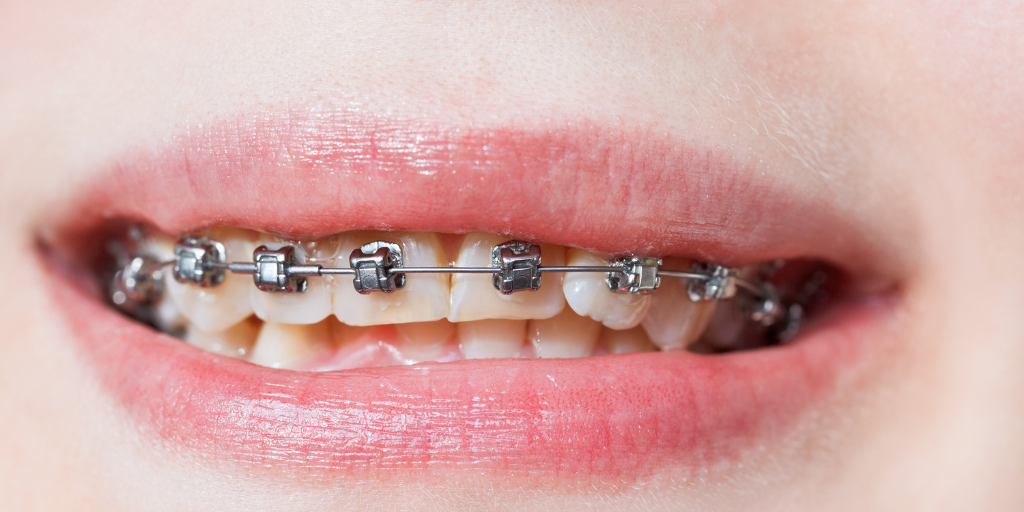
Anterior vs Posterior Crossbite
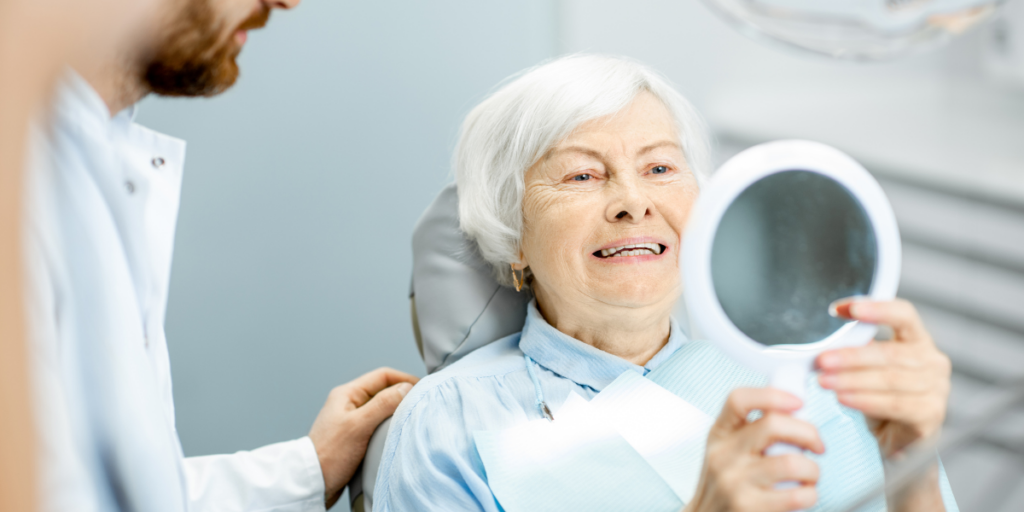
Anterior Crossbite
(Front Teeth)
An anterior crossbite affects the front teeth, where one or more upper front teeth sit behind the lower front teeth. It can resemble an underbite, though the underlying cause may differ. A proper evaluation helps distinguish between the two conditions.
Posterior Crossbite
(Back Teeth)
A posterior crossbite occurs in the back teeth, such as premolars or molars, where the upper teeth bite inside the lower teeth. It may affect one side or both sides and can influence how the jaw closes and functions during chewing.
Common Signs of a Crossbite
Some crossbites are easy to see, while others are identified during a dental or orthodontic exam.
Possible signs include:
- Upper teeth that fit into the lower teeth
- A bite that feels uneven or shifted
- Difficulty biting or chewing comfortably
- Teeth that contact differently on one side
- Uneven wear on certain teeth
- Jaw shifting when closing the mouth
- Crowding or alignment concerns
- Jaw or facial muscle discomfort in some cases
These signs do not automatically confirm a crossbite. An orthodontic evaluation is needed to determine the exact bite condition and whether treatment is recommended.
Why Crossbite Correction May Be Recommended
Crossbites affect patients differently depending on severity, location, and how the bite functions. Possible concerns include:
- Uneven Tooth Wear: When teeth meet at improper angles, certain teeth may carry more force. Over time, this can contribute to uneven enamel wear.
- Difficulty Biting or Chewing: A crossbite can change how the upper and lower teeth come together, which may affect chewing efficiency or comfort.
- Gum and Tooth Stress: Some tooth positions may place uneven pressure on supporting structures or make certain areas harder to clean.
- Jaw Function Changes: Some patients shift their jaw to achieve a comfortable bite. Jaw discomfort can have many causes, so symptoms should be evaluated rather than assumed to be caused by a crossbite alone.
- Developmental Bite Concerns: In children and teens, crossbites may influence how the bite develops as growth continues. Early evaluation helps determine whether treatment or monitoring is appropriate.
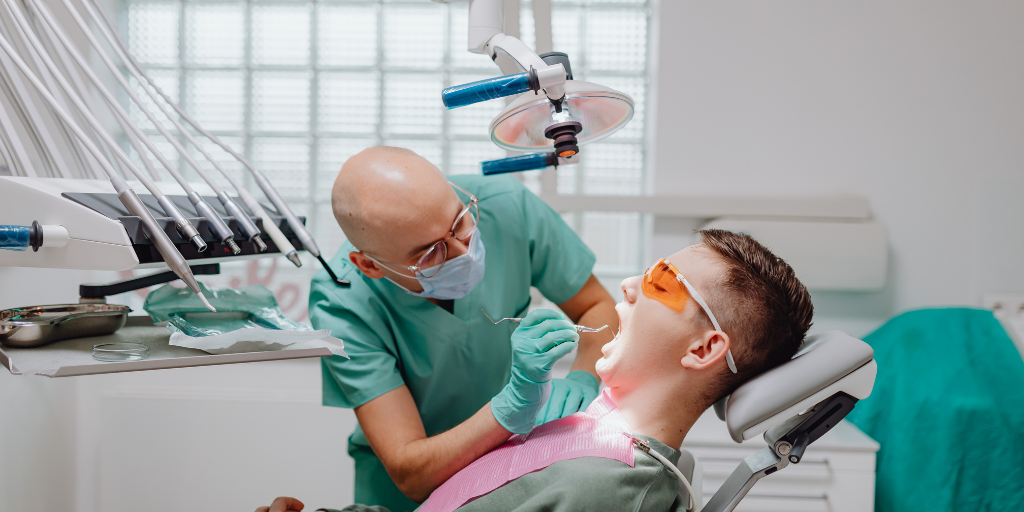
Why a Professional Evaluation Is Essential
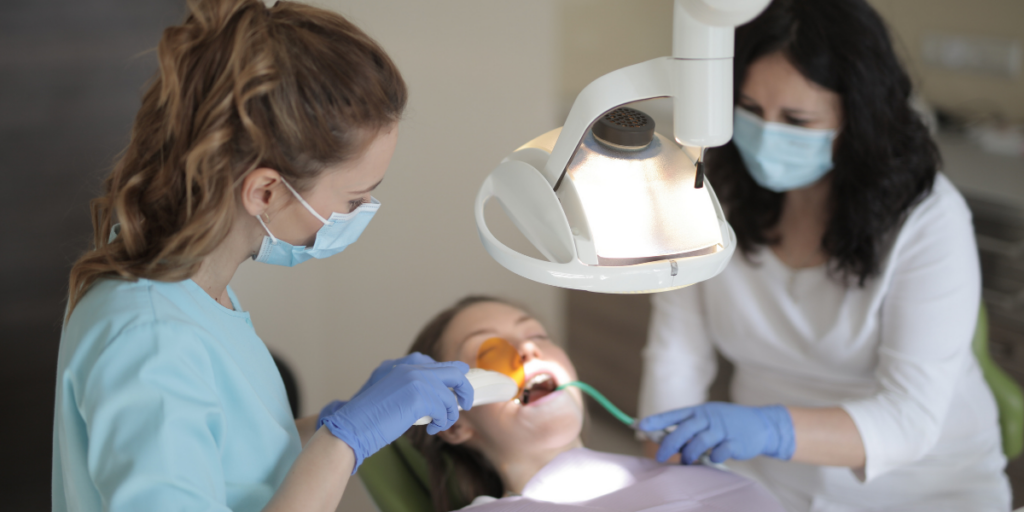
Two crossbites that appear similar can require very different treatment approaches. Before recommending orthodontic treatment for a crossbite, your provider may evaluate:
- Teeth involved in the crossbite.
- Whether it is anterior or posterior
- Whether it affects one or both sides
- Tooth position and available space
- Upper and lower jaw relationships
- Jaw shifting during closure.
- Patient age and remaining growth
- Gum and bone health
- Previous dental or orthodontic treatment
- Other bite concerns such as crowding or spacing
This evaluation helps determine whether the issue can be managed through tooth movement alone or whether broader bite factors are involved. If you are looking for an orthodontist in Clifton, the first step should always be an accurate diagnosis rather than choosing a treatment method in advance.
Crossbite Treatment Options at Harmony Dental Arts
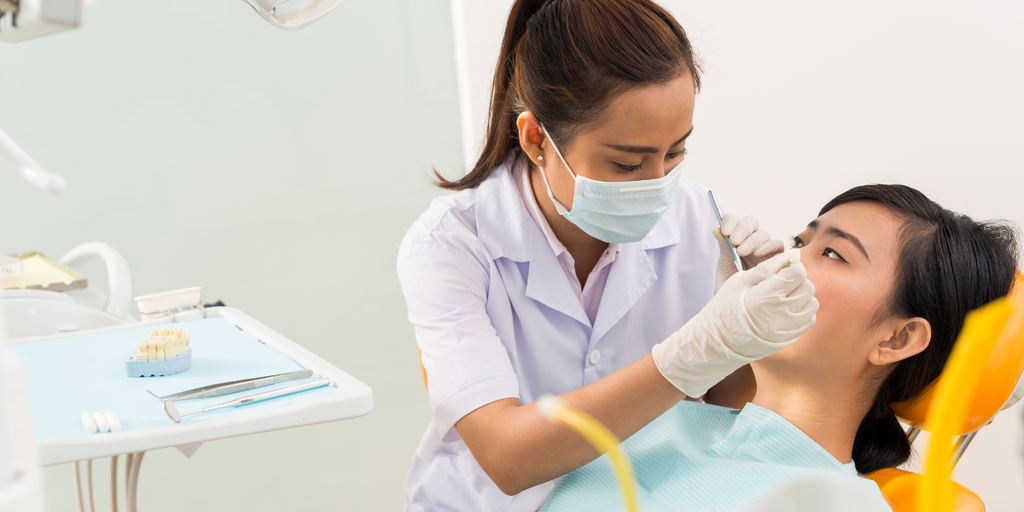
Treatment depends on the type of crossbite, its severity, the patient’s age, and the underlying cause of the bite imbalance. Harmony Dental Arts offers orthodontic care including braces and Invisalign clear aligners. The recommended approach is based on individual diagnosis.
Braces for Crossbite Correction
Braces may be recommended when precise control of tooth movement is needed.
They can help:
- Move teeth into proper alignment
- Correct bite relationships
- Address crowding or spacing
- Improve overall bite coordination
Invisalign for Crossbite (When Appropriate)
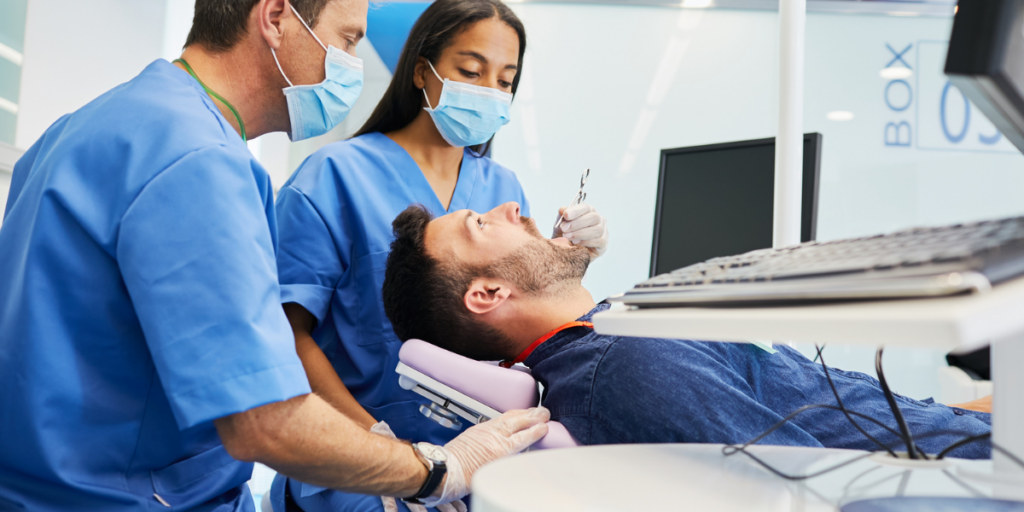
Clear aligners such as Invisalign may be an option for certain crossbite cases. However, Invisalign is not suitable for every situation.
Effectiveness depends on:
- Severity of the crossbite
- Tooth and root position
- Jaw relationship
- Complexity of movement required
- Patient compliance
Other Orthodontic Approaches
Crossbite treatment may involve more than choosing between braces and Invisalign. Depending on development and bite structure, additional orthodontic techniques may be recommended. Harmony Dental Arts provides braces, Invisalign, and orthodontic retainers. After evaluation, your provider will explain which options fit your case. Some complex situations may require additional planning or coordinated care when appropriate.

What Happens During a Crossbite Evaluation?
- Discuss Your Concerns : Your visit begins with a discussion about bite concerns, chewing issues, tooth position, or previous orthodontic treatment.
- Examine the Bite : The orthodontist examines how the upper and lower teeth fit together and determines which teeth are implicated.
- Assess Bite Relationships : The provider determines whether the issue is related to tooth position, jaw alignment, or both.
- Take Diagnostic Records : Digital scans, images, or other records may be taken to support diagnosis and planning.
- Review Treatment Options : Once the diagnosis is clear, your orthodontist explains suitable treatment options and their differences.
- Create a Personalized Plan : Your treatment plan is based on your specific bite rather than a general crossbite approach.
How Long Does Crossbite Treatment Take?
Treatment time varies for each patient.
Factors include:
- Type of crossbite
- Number of teeth involved
- Severity of the bite issue
- Tooth vs jaw involvement
- Age and growth
- Treatment method
- Complexity of movement required
- Additional bite concerns
- Patient cooperation with aligners
- Individual response to treatment
A personalized estimate is provided after a full evaluation.
Orthodontic Expertise at Harmony Dental Arts
Crossbite correction requires careful evaluation of how teeth and jaws work together. Harmony Dental Arts includes Dr. Elizabeth Clanaman, a board-certified orthodontist.
Patients seeking an orthodontist in Clifton, NJ can receive crossbite evaluation along with comprehensive orthodontic care, including braces, Invisalign, and retainers.

Cost & Insurance
Costs vary depending on the complexity of the case and the type of treatment.
Factors include:
- Type of orthodontic treatment
- Severity of the crossbite
- Diagnostic needs
- Length of treatment
- Overall treatment plan
- Insurance benefits
Harmony Dental Arts accepts most PPO dental insurance plans and submits claims on behalf of patients. Coverage depends on the individual insurance policy. Deductibles, copays, exclusions, and non-covered amounts remain the patient’s responsibility. A full cost discussion is provided after evaluation.
What Our Patients Are Saying
FAQs About Crossbite Treatment
An anterior crossbite affects the front teeth, while a posterior crossbite involves the back teeth. Each type requires a different diagnostic and treatment approach.
Invisalign may work for some crossbites, but not all cases are suitable. Treatment depends on severity, tooth position, and jaw relationships.
No. Some cases may be treated with Invisalign or other orthodontic methods. The best option depends on the individual diagnosis.
Yes. Many adult crossbites can be treated successfully with orthodontic care, depending on complexity and oral health.
Some cases may lead to uneven wear, bite discomfort, or chewing difficulties over time, depending on severity.
If you suspect a crossbite, early evaluation is the most effective first step. We offer personalized orthodontic therapy, which may include braces or Invisalign.