Dental Crowns in Clifton, NJ That Look And Feel Like Your Own Teeth
We repair cracked, worn, or broken teeth with natural-looking tooth crowns, so you can smile and chew with confidence again.
What Are Dental Crowns?
A dental crown doesn’t always mean the same number of appointments. You might also hear it called a dental cap or tooth crown. It helps bring back the tooth’s shape, strength, and appearance while protecting the natural tooth underneath.
We look at how you bite, how the crown will look next to your other teeth, and what material makes sense. Porcelain and other ceramic options can be considered depending on the tooth’s position and chewing pressure. When a tooth can be saved, a well-fitting crown may help you keep it for years to come.

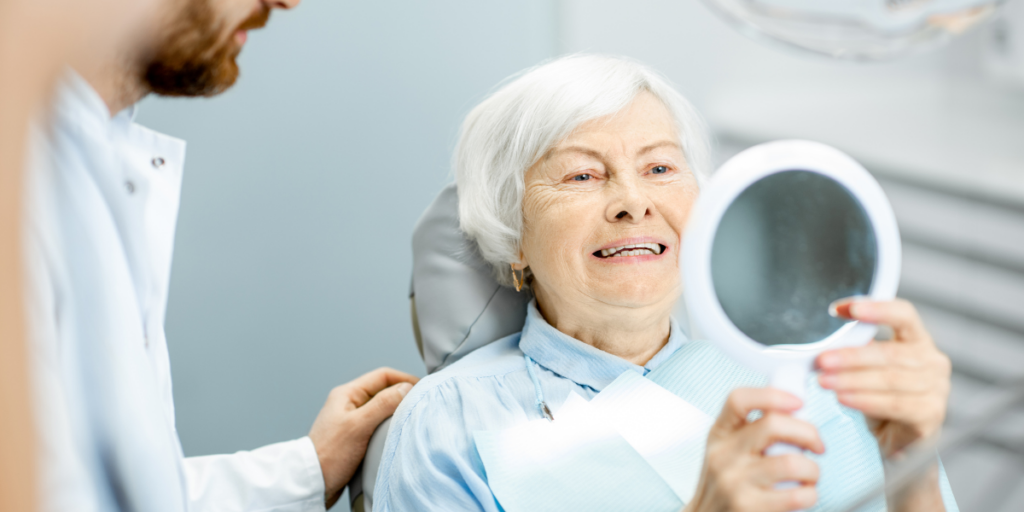
Who should get dental crowns in Clifton, NJ?
We typically suggest a crown when there is a need for a tooth to be reinforced beyond what a filling can offer, but the tooth itself still has enough structure to be salvageable. Maybe it cracked, an old filling has taken up too much of the tooth, or a piece broke off while you were eating. A crown can help protect what remains and lower the chance of further damage.
Crowns can also be useful after root canal treatment, for teeth worn down by grinding, or when an older dental cap needs replacing. If you’re not sure whether a crown or dental filling is right for you, we’ll look at the options together and explain how they affect the tooth, your comfort, and the cost.
Dental Crown Process and Treatment Timeline
A dental crown may not always require multiple visits. If you have a suitable tooth, a same-day ceramic crown can sometimes be completed in a single appointment. Whereas a lab-fabricated porcelain crown usually requires two visits with a temporary crown in between, we will advise you of any anticipated treatment or special expectations prior to your treatment.
Step-by-step process:
- Friendly exam and 3D evaluation: We begin with a full exam, using X-rays and digital scans when needed to check the tooth, roots, and bite. We’ll talk through whether a crown, filling, replacement crown, or another treatment is the better option for you.
- Numbing and tooth preparation: We numb the tooth before working on it to ensure that it is prepared well without making you feel that you are biting something hard and uncomfortable.
- Digital scan for a precise fit: We typically use a digital scan rather than traditional putty impressions. It gives us a detailed model of your tooth, helping us design a crown that fits comfortably alongside the teeth around it.
- Same-day dental crowns or temporary crown: Some ceramic crowns can be designed and placed in a single appointment. If your tooth needs a lab-made porcelain crown, we’ll fit a temporary one while it’s being made and bring you back to place the finished crown.
- Crown fitting and bite adjustment: Before we secure your crown, we check its color, shape, and how it sits against your other teeth. We make any needed adjustments so your bite feels comfortable and chewing comes naturally.
- Final bonding and home care tips: Once the fit looks and feels right, we bond or cement the crown, depending on the material and tooth. We’ll also explain how to brush, floss, and keep the gumline around your new crown healthy.
Safety + Longevity
We want your crown to do more than look good. It needs to support the tooth beneath it and feel comfortable when you chew. That’s why we take a careful look at the tooth first, prepare it conservatively, and select materials with your bite in mind.
With everyday brushing, flossing, and regular checkups, a well-made crown can last for many years. The edge where the crown meets your natural tooth still needs care because decay can develop there. We also pay attention to crown fit and bite pressure during routine visits, particularly if you grind or clench your teeth.


WHY CHOOSE US
We know you have choices for dental crowns in Clifton, NJ. We want you to feel comfortable asking questions and understand why we’re recommending a particular treatment. If a tooth is cracked, fractured, or worn, please contact us to schedule an examination. We’ll help you comprehend the next step.
- Local, relationship-based care: Our Clifton team gets to know your dental history, what helps you feel comfortable, and what you’d like to achieve with your smile.
- Natural-looking porcelain crowns: We pay attention to color, shape, and translucency, so your new crown looks like it belongs alongside your natural teeth.
- Clear talk about dental crown cost: We’ll review your expected dental crown cost, insurance benefits, and payment options before treatment, so you know what to expect.
- Conservative, tooth-first philosophy: We consider whether a filling could do the job before suggesting a crown. Our focus is on protecting your tooth while preserving as much healthy structure as possible.
What Our Patients Are Saying
FAQs
If the damage is small, a filling may be all you need. But when a tooth has a crack, a very large filling, or a lot of wear, a crown may offer better protection. We’ll look at your tooth together, review your X-rays, and explain why one option might make more sense than the other.
The cost depends on which tooth needs treatment, the crown material, and what your insurance covers. Before we begin, we’ll go over the expected price, review your benefits, and discuss payment options. That way, you’ll have a clearer idea of what to expect before making a decision.
They can be. A same-day ceramic crown can look natural and hold up well when it’s suited to your tooth and bite. Some front teeth or more complicated restorations may be better served by a lab-made porcelain crown. We’ll explain the differences and how long each option is likely to take.
Many crowns last more than 10 years with good care, although there’s no fixed lifespan. Regular brushing, flossing, and dental cleanings all help. Grinding, clenching, or chewing very hard foods can shorten that time, so we may recommend a nightguard if your teeth need extra protection.
We numb your tooth and the surrounding area before starting, so you’re more likely to feel some pressure or vibration than pain. A little soreness afterward is normal and usually settles fairly quickly. Over-the-counter pain relief may help if it’s safe for you to take. We’ll check how you’re feeling throughout the appointment and explain what to expect afterward.