Single Tooth Implant in Clifton, NJ
If you are missing one tooth or have a damaged tooth that may need removal, you may not need a bridge, removable appliance, or a treatment plan involving multiple teeth. A single-tooth dental implant is designed specifically to replace one missing tooth from the root upward.
What Is a Single-Tooth Dental Implant?
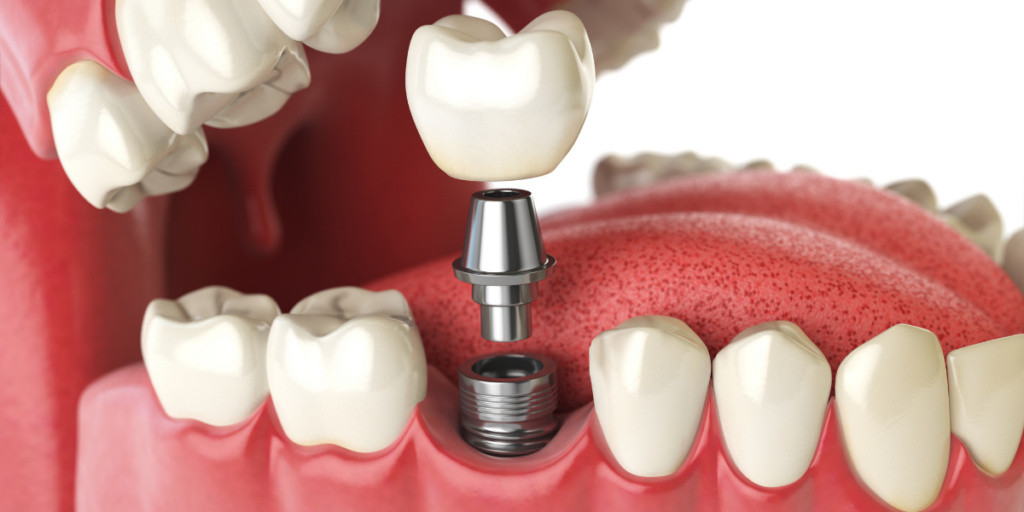
A single tooth implant is used for the replacement of a single tooth without the need for adjacent teeth to provide support. The restoration is complete with three major components:
Implant Fixture
The implant is a small post that is placed in the jawbone where the natural tooth root was located. It is used as a base for a replacement tooth.
Abutment
After the implant has healed properly, an abutment connects the implant beneath the gumline to the visible restoration above it.
Dental Crown
The final dental crown is the visible portion of the restoration. It is shaped to match your bite and blend with surrounding teeth. Together, these components replace both the missing root and the visible tooth structure.

Who Should Consider a Single-Tooth Implant in Clifton, NJ?
A single dental implant may be a suitable option if you:
- Are missing one tooth
- Have a tooth that cannot be reliably restored and may require extraction
- Prefer a fixed replacement instead of a removable appliance
- Want to avoid altering healthy neighboring teeth for a traditional bridge
- Have healthy gums capable of supporting implant treatment
- Have enough jawbone at the site, or may be a candidate for bone grafting
- Are committed to regular oral hygiene and dental visits
- Are exploring long-term dental implants as a replacement option
Missing a tooth does not automatically mean you qualify for an implant. Your dentist must evaluate gum health, bone volume and density, bite alignment, neighboring teeth, dental history, and other factors that influence healing and long-term stability.
Why Gum and Bone Health Matter
A dental implant depends on surrounding tissues for support. Active gum disease may need treatment before implant placement. The jawbone must also have sufficient volume in the correct area to support the implant. If a tooth has been missing for a long time, if infection affected the area, or if bone loss has occurred, additional treatment may be recommended before or during implant placement.
How It Works: The Single-Tooth Implant Process
Replacing one tooth with an implant involves several stages. The exact plan varies based on the condition of the tooth, gums, and bone.
1. Examination, Imaging, and Treatment Planning
Your first visit focuses on understanding the condition of the missing or damaged tooth area. We evaluate the site, surrounding teeth, gums, bite, and available bone using appropriate dental imaging.
This evaluation helps answer key questions such as:
- Can the tooth be saved?
- Does it need removal first?
- Is there enough bone for an implant?
- Is bone grafting recommended?
- Where should the implant be positioned?
- How should the final crown be shaped for your bite?
- Are there reasons another option may be better?
You will also review treatment stages, timing considerations, and available alternatives before moving forward.
2. Tooth Extraction, If Needed
In some cases, the tooth is already missing. In others, a fractured, decayed, or non-restorable tooth may need removal. Depending on the site, implant placement may occur at the same time as extraction or after a healing period. The recommended approach depends on your specific condition rather than a fixed timeline. Learn more about tooth extraction if removal is required.
3. Bone Grafting, If Needed
A bone graft is not required for every single-tooth implant. It may be recommended when the implant site lacks sufficient bone due to long-term tooth loss, infection, trauma, or natural bone changes after extraction. The objective is to provide a firm base for the implant to be placed in. The number and timing of grafts will vary based on your treatment plan and anatomy.
4. Dental Implant Placement
Once the site is ready, the implant fixture is placed into the jawbone according to the treatment plan. The implant will take the place of the natural tooth root and will hold up the future crown.
5. Healing and Integration
Following the implant placement, the implant has to settle into the bone. This healing phase is influenced and varied by several factors and depends on the patient:
- Bone quality and volume
- Whether grafting was performed
- Whether extraction was required
- Tooth location
- Gum and tissue condition
- Individual healing response
- Overall treatment complexity
Your dentist will outline the expected sequence after evaluating your case.
6. Abutment and Final Dental Crown
The healing phase starts when the healing process is complete. The final crown connects to the implant with an abutment. The dental crown is then designed to fit your bite, match surrounding teeth, and restore a natural appearance.
Temporary Tooth Options During Healing
A temporary tooth may be possible in some cases, depending on:
- Tooth location
- Implant stability
- Bite forces
- Surgical site condition
- Overall treatment plan
A temporary restoration is not appropriate for every case. If it fits your situation, it will be discussed during planning.
Safety and Long-Term Care
Dental implant treatment involves surgical and restorative steps, so careful planning is important. As with any dental procedure, risks and complications may exist. Your dentist will review relevant considerations before treatment begins. After placement, long-term care remains important.
Ongoing maintenance includes monitoring:
- Gum health around the implant
- Plaque buildup
- Condition of the dental crown
- Bite alignment
- Neighboring teeth
- Changes in surrounding tissues
Implants and crowns may require maintenance over time. No implant should be described as guaranteed to last for life.


Why Choose Harmony Dental Arts for a Single-Tooth Implant?
Replacing one tooth requires careful coordination between surgical placement and final restoration design. Harmony Dental Arts in Clifton evaluates the missing tooth as part of your full bite and oral health, rather than treating it as an isolated space.
Dental Implant Care With Dr. Maria Sokolina
Maria Sokolina, DDS, provides dental implant care in New Jersey and New York as part of her clinical practice. Her training includes postgraduate education at Beth Israel Medical Center along with advanced dental education.
The Harmony Dental Arts team has served patients for over two decades, offering general, restorative, cosmetic, orthodontic, and implant-related care.
Treatment Focused on One Tooth
Your consultation includes evaluation of:
- Whether the tooth can be saved
- Condition of nearby teeth
- Gum and bone support
- Available space for restoration
- Bite alignment
- Need for extraction or grafting
- Shape and appearance of the final crown
- Alternative options such as a dental bridge
This approach helps determine whether a single implant is the right choice for your situation.
Insurance and Payment Options
Harmony Dental Arts accepts most PPO dental insurance plans and can submit claims on your behalf. Coverage varies widely. Implant-related procedures, grafting, extraction, and crowns may be covered differently depending on your plan.
The office can help review available benefits, but final coverage decisions come from your insurance provider. If needed, treatment can be discussed in phases based on clinical requirements and available financial planning options at the office.
What Our Patients Are Saying
FAQ
One missing tooth is replaced by a single tooth implant with a custom crown. It is designed to restore both appearance and everyday function.
Many adults with good oral health may qualify. A consultation allows us to evaluate your situation and discuss your options.
The timeline varies depending on healing and your individual needs. We will explain the expected schedule during your consultation.
The process is similar, though extra attention is given to how the crown looks, so it blends naturally with your smile.
Costs depend on your specific treatment plan and whether additional procedures are needed. We will review everything with you before treatment begins.
Compare both approaches based on your neighboring teeth, bone health, treatment needs, preferences, and long-term care considerations.