Oral Cancer Screening in Clifton, NJ With Clear, Caring Guidance
We provide oral cancer screening in Clifton, NJ, as part of your dental evaluation, looking for tissue changes that may need attention. We explain what we find and what happens next.
What Is Oral Cancer Screening in Clifton, NJ?
Oral cancer screening is a visual examination and gentle hands-on check of your mouth and surrounding tissues. During our dental cleaning and exam visits, we assess these tissues along with your teeth and gums. Screening may reveal changes that need further evaluation, even when you have no pain.
We examine your lips, cheeks, gums, tongue, the area beneath your tongue, the roof of your mouth, and visible throat tissues. We also check your neck and jaw for lumps. Our oral exams and cancer screening help us identify concerns, but screening cannot diagnose cancer or detect every cancer.
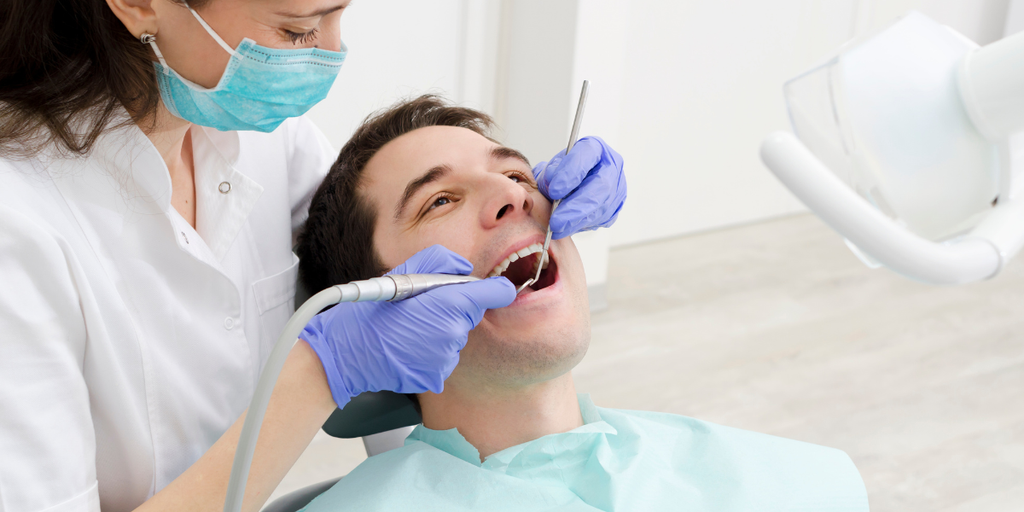
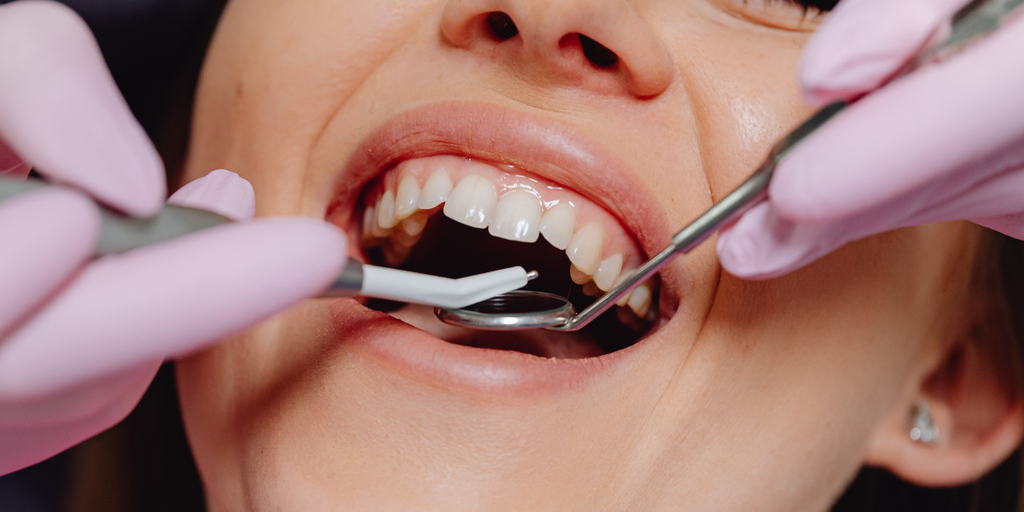
What Does the Dentist Check During an Oral Cancer Screening?
During your dental oral exam in Clifton, NJ, we examine areas that can be difficult to check on your own. The evaluation may include your:
- Lips and inner lip tissues
- Cheeks and gums
- Tongue and sides of the tongue
- Area beneath the tongue
- Roof of the mouth
- Visible tissues toward the back of the mouth and throat
- Jaw and neck for unusual lumps or swelling
We may gently feel certain areas while looking for sores, red or white patches, unusual thickening, lumps, swelling, or other tissue changes.
Our Clifton dental team explains anything that deserves additional attention so you understand what was found and what may be recommended next.
Who Should Get Oral Cancer Screening?
Even if your mouth feels OK, we examine oral tissues during adult dental exams. Tobacco usage, excessive alcohol use, advanced age, and sun exposure damaging the lips can all increase your risk. HPV is linked to malignancies in the back of the throat. We share your medical history openly and without judgment.
Call us about a sore lasting two weeks, a red or white patch, unexplained bleeding, numbness, a neck lump, or persistent changes in swallowing or your voice. These symptoms can have several causes. When symptoms are present, you need a focused evaluation rather than routine screening. Please do not wait until your next cleaning.
When Should You Book an Oral Cancer Exam?
You do not need to wait for symptoms before discussing screening. Routine dental cleanings and exams provide an appropriate time for us to check your oral tissues along with your teeth and gums.
Arrange an evaluation sooner if you notice:
- A mouth sore that does not improve
- A persistent red or white patch
- An unexplained lump or thickened area
- Unusual bleeding
- Numbness in the mouth or lips
- Ongoing difficulty chewing or swallowing
- Persistent changes in your voice
- Difficulty moving your tongue or jaw
These symptoms can have causes unrelated to cancer. A dental evaluation helps determine whether an area needs monitoring, further testing, or another type of assessment.


Safety, Comfort, and Screening Limitations
A standard visual and hands-on oral cancer screening is noninvasive and does not use radiation. It generally requires no recovery time. Some areas may feel tender if they are already irritated, so let us know if anything feels uncomfortable.
Screening reflects the condition of your mouth at the time of the examination. A normal result cannot rule out every oral or throat cancer, and an unusual area does not automatically mean cancer is present.
Some harmless conditions can look suspicious, while certain cancers may develop in areas that are difficult to see or may not produce obvious early signs. This is why persistent symptoms should still be evaluated, even after a previous normal screening.
A biopsy and laboratory assessment of tissue may be needed when a definitive diagnosis is required.
How It Works
Your oral cancer exam in Clifton, NJ begins with a conversation and a careful examination. We explain our findings before discussing any recommended next steps.
- Consultation: We review your health history, medications, tobacco and alcohol use, and any mouth or throat symptoms. Tell us when you first noticed a change and whether it has become worse.
- Personalized treatment planning: We tailor your evaluation to your history and concerns. Screening itself is not cancer treatment. Recommendations for monitoring, further testing, or a specialist referral depend on what we find during your examination.
- Treatment visit: During the screening part of your visit, we look for red or white patches, sores, unusual tissue thickening, and lumps. We gently examine areas that may be difficult for you to check yourself.
- Comfort and safety checks: We explain each step, use sterile instruments, and check how you feel throughout your visit. Tell us about tenderness, a sensitive gag reflex, or anxiety so we can adjust our approach.
- Aftercare and follow-up: We explain whether an area needs another check or prompt specialist evaluation. A suspicious finding may require a biopsy: a tissue sample is examined to help establish a diagnosis.
Why Choose Harmony Dental Arts for Oral Cancer Screening?
We approach oral screening as part of attentive, patient-focused dental care. Our goal is to help you understand what we are checking and what your findings mean without creating unnecessary worry.
- Clear communication: We explain what we are examining, what appears normal, and why a particular area may need monitoring or further assessment.
- Comfort-focused visits: Concerns about oral cancer can make an appointment feel stressful. We work at a comfortable pace and encourage you to ask questions throughout your evaluation.
- Preventive approach: Oral tissue checks fit naturally into our focus on regular exams, cleanings, and preventive dental care.
- Care based on findings: We consider your symptoms, health history, lifestyle factors, and examination findings together before discussing next steps.
- Connected dental care: If another concern is found during your visit, we can discuss relevant options through our dental services and explain what type of care may be appropriate.
- Simple appointment requests: You can contact Harmony Dental Arts to request an appointment, discuss a concern, or ask what to expect during your evaluation.
What Our Patients Are Saying
FAQs
Yes, oral tissue screening can be included as part of a dental evaluation when appropriate. We inspect areas of the mouth and surrounding tissues while checking for changes that may need further attention.
A standard screening is generally noninvasive. We visually inspect the tissues and may gently feel your mouth, jaw, and neck for unusual changes.
No. Many noncancerous conditions can cause sores, patches, irritation, or tissue changes. Screening helps identify areas that may need monitoring or additional evaluation.
No. Screening can identify suspicious changes, but it cannot confirm a cancer diagnosis. A biopsy or specialist evaluation may be needed when further investigation is appropriate.
Arrange an evaluation if a sore, lump, patch, or other unexplained change persists, especially if it lasts around two weeks. Contact us sooner if the area changes, becomes painful, or causes ongoing concern.
Your next dental evaluation is an opportunity to discuss changes in your mouth and ask about screening. Tell our team about any concerns when you book your appointment. We’ll help you understand how oral tissue checks fit into your dental care.