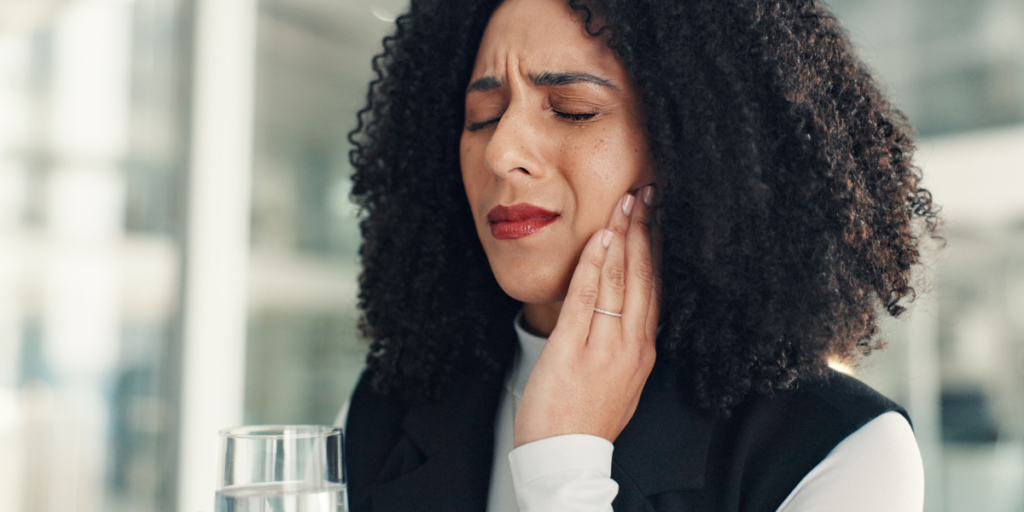
Stress can show up in the body, and for many people, it ends up in the jaw. You might have a stress-related TMJ pattern if you have clicking, tightness, headaches, or pain that gets worse when things get busy. The issue is that jaw symptoms can manifest at any moment, even during periods of rest and relaxation.
Understanding the stress and TMJ connection can bring real clarity. Once you see the cycle, you can spot triggers, shift habits, and get targeted care that supports lasting relief. If you are looking for answers and a practical plan, a dentist trained in TMJ care can help you move forward.
Understanding TMJ and TMJ Disorders

The temporomandibular joint is small, but it coordinates muscles, teeth, and nerves that affect everyday comfort. A simple explanation helps you recognize when normal jaw function has shifted into a problem that needs attention.
What the Temporomandibular Joint Does
The TMJ connects your jaw to your skull and guides smooth movement for chewing, speaking, and yawning. When muscle coordination or joint tracking is off, the strain can spread into the cheeks, temples, neck, and teeth, which is why TMJ Clifton concerns can feel like a full-face issue rather than one spot.
Common Signs and Symptoms of TMJ Disorder
Jaw pain, clicking or popping, headaches, and facial soreness are common signs of dysfunction. Ear-related symptoms can appear too, including fullness, ringing, or pressure that mimics an ear infection. When these patterns persist, many patients seek TMJ pain relief through a dental evaluation, and providers in Clifton who treat TMJ disorder often identify bite stress, muscle overuse, or joint irritation as the underlying driver.
Why Stress Makes TMJ Worse—The Vicious Cycle

Stress changes how your body holds tension, how you sleep, and how you interpret pain signals. When it targets the jaw, symptoms can intensify quickly, which then raises stress again and keeps the cycle running.
Muscle Tension and Bruxism
Stress activates the fight-or-flight response, increasing muscle tone in the jaw and neck. Many people clench during focused tasks or grind at night, and that repeated load can inflame the joint and fatigue the muscles. This is one of the most common issues addressed in TMJ treatment plans, especially when wear on the teeth suggests ongoing bruxism.
Increased Pain Sensitivity
Chronic stress can lower your pain threshold, so sensations that used to feel minor start to feel sharp or persistent. TMJ discomfort may linger longer during stressful weeks, which can create a sense that nothing is working. When pain sensitivity climbs, a structured approach to TMJ pain relief can help by reducing triggers and calming irritated tissues.
Stress-Related Oral Habits
Anxiety can spark habits like nail biting, gum chewing, lip chewing, or holding the jaw tense without realizing it. These behaviors overload the jaw joint and the chewing muscles, especially when done for hours. If you catch yourself bracing your jaw during emails or traffic, that awareness alone can become a helpful first step toward easing strain.
Sleep Disruption and TMJ Flare-Ups
Stress can make it challenging to get deep, restorative sleep, and not getting enough sleep can make clenching and pain feel worse. You might wake up with tightness, sensitive teeth, or headaches that go away slowly during the day. This pattern creates a feedback loop in which pain keeps you from sleeping, and not getting enough sleep makes the pain worse, making flare-ups seem to constantly happen.
Why TMJ Symptoms Shouldn’t Be Ignored
Problems with the jaw can start out small and then get worse, causing pain, damage to teeth, or trouble using them. Early diagnosis can lower the risk that a short-term flare-up will turn into a long-term condition.
Progression of TMJ Pain and Joint Damage

Mild clicking or tightness can develop into limited opening, jaw locking, or chronic muscle pain. Ongoing clenching and grinding may lead to tooth wear, cracks, and bite changes that add pressure back onto the joint. Addressing symptoms early often supports steadier TMJ pain relief and protects the teeth from avoidable damage.
Effects on Daily Life and Well-Being
TMJ problems can affect eating, speaking, concentration, and sleep quality, especially when headaches become frequent. Some people experience nausea, dizziness, or ear fullness that makes social plans and workdays harder. It is common to search for “dentist near me” or “dental clinic near me” once symptoms start interrupting life, particularly when over-the-counter solutions fail to bring lasting comfort.
What Your Dentist Can Do to Treat Stress-Related TMJ
Dentists can evaluate bite relationships, tooth wear patterns, joint movement, and muscle tenderness. That information guides treatment choices aimed at reducing strain and calming symptoms, especially when stress is a key trigger.
Custom Mouthguards and Night Guards
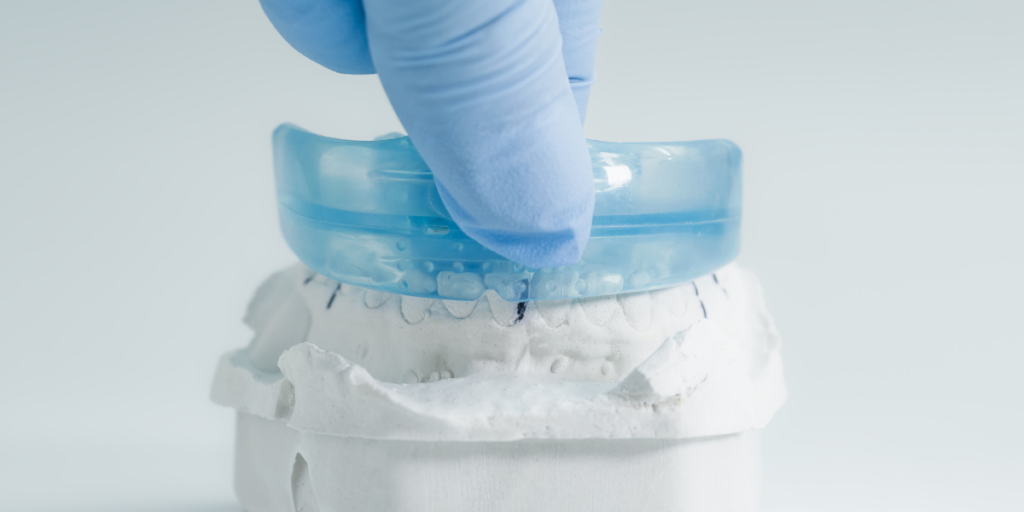
Custom guards make grinding less painful and give you a stable surface to sleep on that helps your muscles relax. They also keep enamel from wearing down and lower the pressure on the jaw joint. A well-fitted guard is a reliable way for many patients to relieve TMJ pain, especially when they are under a lot of stress.
Bite Adjustments and Occlusal Therapy
When the bite hits unevenly, certain teeth can take excess force and shift the jaw into a strained position. Minor adjustments or occlusal therapy can help balance how the teeth come together and reduce the load on sensitive areas. In the right cases, this becomes an important part of TMJ treatment that Clifton providers recommend after a careful exam.
Medications for Acute TMJ Symptoms
During flare-ups, short-term medication may help reduce inflammation and calm muscle spasms. Dentists and physicians may suggest anti-inflammatory options, muscle relaxants, or prescription pain relievers depending on severity and health history. Medication works best as a short bridge while you address mechanical and behavioral triggers.
Referrals for Comprehensive Care
Coordinated care that works on muscles, posture, and stress management is often the best way to treat TMJ quickly. Referrals might include working with medical and mental health professionals to help with anxiety or physical therapy for exercises for the jaw and neck. When a Clifton TMJ dentist integrates these elements, the treatment typically becomes more lucid and comprehensible.
When Should You Consult a Clifton TMJ Dentist?

Some jaw symptoms resolve with rest and habit changes, but ongoing or worsening signs deserve a professional evaluation. A focused TMJ assessment can uncover factors that are easy to miss when you are treating symptoms at home.
Warning Signs You Shouldn’t Ignore
If you have persistent jaw pain, headaches, ear pressure, or jaw locking, you should see a doctor. Look for symptoms that get worse when you chew, are stressed, or wake up, or that come back after a short time of getting better. If pain or function makes it challenging for you to get through the day, you should see a TMJ dentist in Clifton for a clear diagnosis and plan.
Choosing the Right Dental Office Near You
Look for a practice that evaluates bite, muscles, and jaw function rather than offering a one-size-fits-all approach. Experience, modern diagnostics, and individualized planning all matter when TMJ is involved. Many patients start with searches like “dental office near me” or “best dentist near me,” and it helps to choose a team that routinely treats jaw pain and provides follow-up care.
How Harmony Dental Arts Helps Patients Find TMJ Relief

Often, finding relief begins with a thorough evaluation that takes into account all relevant factors. At Harmony Dental Arts, we take time to understand symptoms, daily stressors, sleep patterns, and bite function so you get a plan that fits real life.
We provide comprehensive TMJ evaluations that consider joint movement, muscle tenderness, tooth wear, and alignment. Based on those findings, we may recommend a custom night guard, bite therapy, and supportive strategies that target your specific triggers. For patients looking for a trusted TMJ Clifton provider, our goal is to deliver consistent progress, not temporary fixes.
Treatment can also connect to broader dental needs. As a full-service practice, we help individuals and families maintain strong oral health while addressing jaw function and comfort. If you have been searching for a dental clinic near me that can support both TMJ care and long-term preventive dentistry, we are here to help.
Final Thoughts—Breaking the Stress-TMJ Cycle
Stress can make the jaw tight, make it hard to sleep, and make pain more sensitive, all of which can make TMJ flare-ups worse. The good news is that the right diagnosis, changes in habits, and dental care that puts less stress on the joint and muscles can break the cycle. Many patients find real relief from TMJ pain and feel more confident eating, talking, and sleeping comfortably with professional help.
If you are ready to get answers and a plan tailored to your symptoms, schedule an appointment with Harmony Dental Arts. Our team can help you evaluate your jaw function and explore treatment options with a TMJ dentist that residents of Clifton trust.
Common TMJ Questions Patients Ask
Questions about TMJ are common because symptoms can overlap with sinus issues, ear problems, and headaches. Clear answers help you decide when self-care is enough and when it is time for clinical evaluation.
Can TMJ Cause Nausea?
- Yes, TMJ-related muscle tension and nerve irritation can contribute to nausea or dizziness during flare-ups. We evaluate your jaw function and bite, then guide you with a personalized plan to reduce triggers and improve comfort.
How Do You Get Rid of TMJ Ear Fullness?
- TMJ inflammation and tight jaw muscles near the ear can create pressure, fullness, or ringing sensations. With us, you will get a targeted exam and treatment options like custom guards and bite support designed to reduce jaw strain and ease ear symptoms.
How Is TMJ Caused by Stress Treated?
- Stress-related TMJ is treated by reducing clenching and grinding, calming irritated muscles, and correcting bite stress when needed. Our team builds a tailored approach using custom appliances, TMJ-focused care, and coordinated support so we can help you get steady relief.
What Muscle Relaxers Are Used for TMJ?
- Dentists or physicians may prescribe short-term muscle relaxers for acute jaw spasms, based on your health history and symptoms. We help you pair any medication guidance with TMJ therapy options so we can reduce flare-ups and support long-term progress.