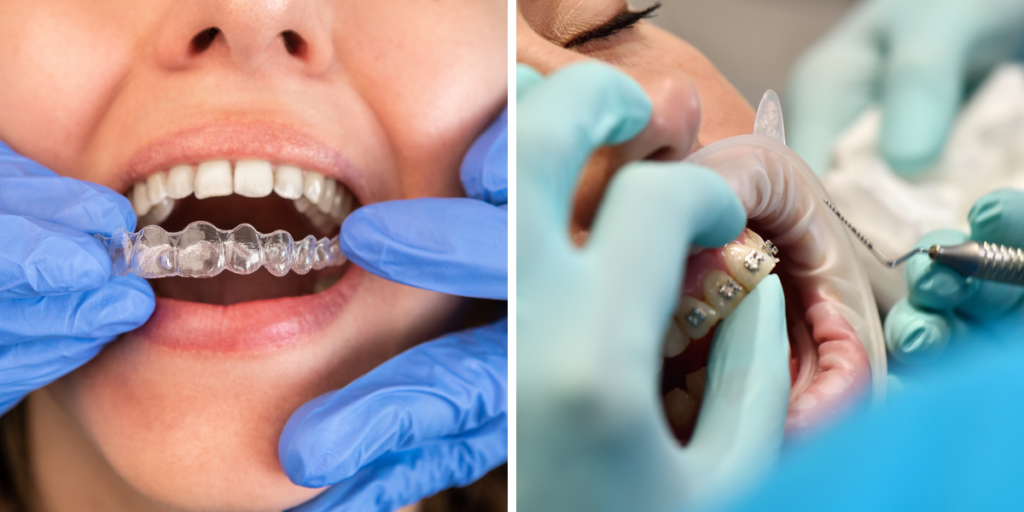
Tongue thrusting is a habit where the tongue pushes forward against or between the teeth during swallowing, speaking, or at rest. While it may seem harmless, this repeated pressure can quietly work against orthodontic treatment, undoing the careful tooth movement that braces or Invisalign are designed to achieve. For patients pursuing straighter teeth or a corrected bite, an unmanaged tongue thrust habit creates real obstacles that extend timelines and reduce predictability. If you live in Clifton and are considering or currently undergoing orthodontic care, understanding this habit early can make a meaningful difference in your results. Working with an experienced orthodontist Clifton provider gives you access to the evaluation, guidance, and personalized solutions needed to keep your treatment on track from day one.
What Is Tongue Thrusting and Why Does It Matter?
Tongue thrusting refers to a swallowing pattern where the tongue presses forward against the back of the front teeth or pushes between the upper and lower teeth. Most people swallow hundreds of times per day, and each forward push applies pressure to the teeth.
Explain the Mechanics
During a normal swallow, the tongue should press upward against the palate. In tongue thrusting, it pushes outward instead. This repositions pressure directly onto the front teeth with every swallow, speaking moment, or resting position. Over time, this repeated force affects tooth alignment and jaw development.
Emphasize How This Constant Pressure Disrupts Orthodontic Progress
Orthodontic treatment works by applying steady, controlled force to guide teeth into their correct positions. When the tongue adds its own competing pressure, it creates a tug-of-war effect. The teeth receive conflicting signals, which disrupts movement efficiency and leads to slower, less predictable outcomes.
How Tongue Pressure Opposes Orthodontic Forces
Understanding how tongue force interacts with orthodontic mechanics helps clarify why this habit requires direct attention during treatment.
Braces and Invisalign Clear Aligners Apply Gentle, Controlled Pressure
Both traditional braces and Invisalign clear aligners are carefully calibrated to move teeth gradually using calculated, consistent force. Each adjustment or aligner stage is designed to build on the last, moving teeth closer to the target alignment with precision.
Tongue Thrust Applies Repeated Forward Pressure That Counteracts Treatment
The tongue is one of the strongest muscles in the body relative to its size. When it thrusts forward repeatedly throughout the day and night, that pressure accumulates and directly opposes the force applied by orthodontic appliances. The result is slowed tooth movement and potential reversal of progress already made.
Leads to Inefficiencies in Tongue Thrust Orthodontic Treatment
Patients with unmanaged tongue habits often find that their tongue thrust orthodontic treatment takes longer, requires additional appliances, or produces less stable outcomes. Without addressing the underlying habit, the treatment is essentially fighting an uphill battle at every stage.
Who Is Most Affected?

Tongue thrusting affects a wide range of patients, though some groups face a higher risk of orthodontic complications.
- Children with oral habits: Prolonged thumb sucking, pacifier use, or mouth breathing can reinforce tongue thrusting patterns early in development.
- Adults seeking cosmetic alignment: Adults undergoing treatment for aesthetic reasons may not realize they have a tongue habit until complications arise.
- Patients undergoing bite correction treatment: Those addressing overbites, open bites, or spacing issues through bite correction treatment are especially vulnerable to setbacks if tongue thrust goes unmanaged.
Key Effects of Tongue Thrusting on Orthodontic Treatment
Tongue thrusting introduces several specific complications that affect how smoothly and successfully orthodontic treatment progresses.
Slower Treatment Progress
In tongue thrusting braces cases, the continuous forward force from the tongue slows down the intended tooth movement. Teeth cannot relocate efficiently when opposing pressure is constantly applied. This results in extended braces treatment timelines and additional chair time, both of which add inconvenience and cost for patients.
Open Bite Formation
An open bite occurs when the front upper and lower teeth fail to meet when the mouth is closed. This is one of the most common challenges seen in tongue thrust Invisalign cases, where the tongue habitually rests between the front teeth and keeps them from coming together. Correcting an open bite requires significant effort and, if the tongue habit persists, the problem often returns after treatment.
Tooth Spacing and Alignment Issues
Repeated tongue pressure creates visible gaps between teeth, particularly in the front. For adults seeking cosmetic alignment, these gaps undermine the aesthetic goals of treatment. Even after alignment is achieved, spacing issues can reappear if the tongue habit is not resolved alongside braces or Invisalign treatment.
Relapse and Teeth Shifting
Teeth can shift back toward their original positions after orthodontic treatment ends, especially when the muscle pressure that caused the original misalignment is still present. Even with proper use of retainers for alignment stability, an untreated tongue thrust habit significantly increases the likelihood of relapse. Retainers hold teeth in place, but they cannot fully counteract an active muscular force.
Schedule Your Visit with a Trusted Dental Team
Taking the next step toward better oral health starts with a simple conversation. Our experienced team is ready to answer your questions and help you plan your treatment with confidence.
Why Early Detection Is Critical
Catching tongue thrusting early in the treatment process allows for a coordinated approach that addresses both the habit and the alignment simultaneously.
During Your Orthodontic Consultation
An orthodontic consultation with a qualified provider should include a thorough evaluation of tongue posture and swallowing patterns, not just tooth position. Assessing how the tongue moves during swallowing and at rest provides valuable information for treatment planning. Combined with bite analysis and alignment assessment, this early evaluation sets a clearer path forward.
Benefits of Early Intervention
Addressing tongue thrusting at the start of treatment leads to faster results, fewer complications, and more predictable outcomes. Patients who receive early intervention report smoother experiences during orthodontic monitoring visits because their teeth are moving as planned without constant setbacks from muscular interference.
Solutions and Management for Tongue Thrust
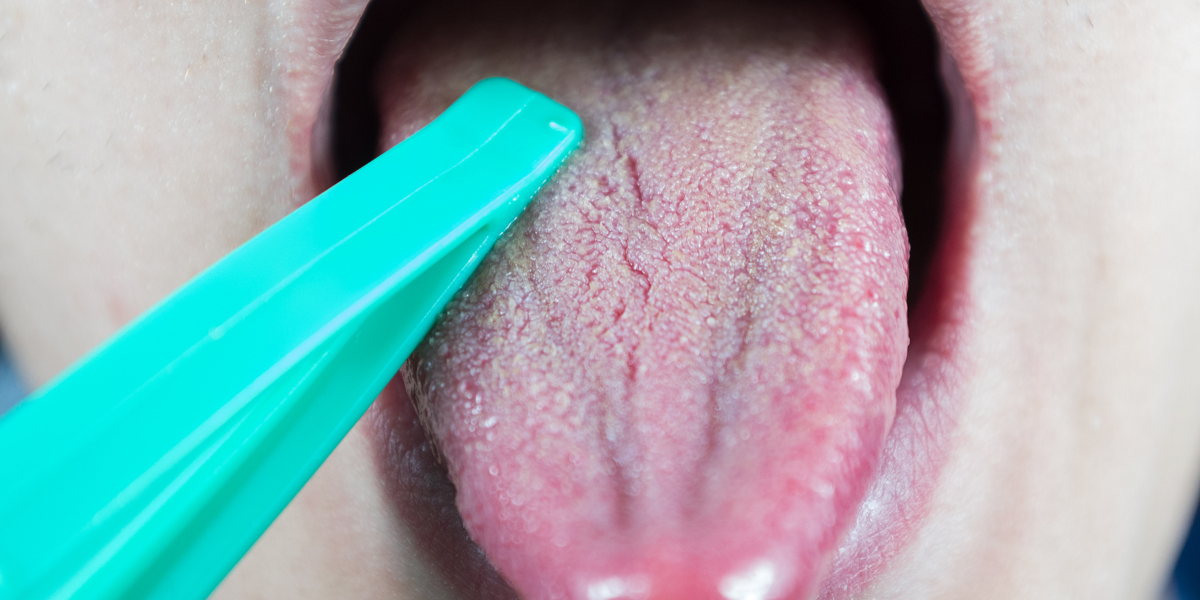
Managing tongue thrusting requires a personalized approach, and a trusted dentist Clifton patients rely on can coordinate multiple tools and therapies to address the habit effectively.
Myofunctional Therapy
Myofunctional therapy involves targeted exercises designed to retrain the tongue’s resting posture and swallowing pattern. A myofunctional therapy referral is recommended when the tongue habit is significant and unlikely to resolve on its own. This type of therapy is effective for both children, who are still developing oral habits, and adults who have had the habit for years.
Orthodontic Appliances
Devices such as tongue cribs are designed to physically prevent the tongue from pushing forward against the teeth. These appliances are used alongside braces or aligners and support successful tongue thrust orthodontic treatment by reducing the mechanical interference the tongue creates. They are particularly useful in moderate to severe cases.
Customized Orthodontic Care
Every tongue thrusting case is different. Adjustments to braces treatment planning may be necessary to account for the additional resistance caused by tongue pressure. For some patients, strategic use of Invisalign clear aligners may be more appropriate depending on the severity of the habit and the degree of alignment correction needed.
How Orthodontists Manage Tongue Thrust During Treatment

An experienced orthodontist understands that tongue thrusting requires a treatment approach that goes beyond moving teeth.
Personalized Treatment Planning
Effective management means combining habit correction strategies with alignment planning from the beginning. An experienced provider evaluates whether braces or aligners are the better fit given the patient’s tongue behavior, compliance, and alignment goals. This integrated approach reduces inefficiencies and produces more reliable outcomes.
Ongoing Monitoring and Adjustments
Regular orthodontic monitoring visits allow the provider to track progress, identify complications early, and make necessary adjustments to the treatment plan. Monitoring is especially important for tongue thrust patients because their cases require closer attention to ensure the habit is not quietly undermining treatment.
Life After Treatment: Preventing Relapse
Completing orthodontic treatment is a significant milestone, but maintaining results long-term requires ongoing effort.
Retainers and Stability
Retainers for alignment stability play an essential role in holding teeth in their new positions after treatment ends. However, retainers alone may not be sufficient if tongue thrusting continues. A retainer holds teeth in place passively; it cannot counteract active muscle pressure applied multiple times daily.
Long-Term Habit Correction
Continued myofunctional exercises and periodic visits to your orthodontist Clifton provider are important after treatment ends. Long-term habit correction reduces the risk of teeth shifting and ensures the investment made in orthodontic treatment continues to deliver lasting results.
Why Choose a Clifton-Based Orthodontist for Comprehensive Care

Choosing a local provider in Clifton offers convenience and continuity of care for families, working adults, and anyone managing a complex treatment plan.
Advanced and Discreet Treatment Options
A Clifton based practice offers solutions like Invisalign clear aligners, which are especially popular among working adults who prefer a discreet option. Comprehensive care that spans preventive, cosmetic, and restorative services means patients receive coordinated treatment without being referred across multiple locations.
Patient-Focused Experience
Modern technology and personalized treatment plans make visits efficient and comfortable. For patients with busy schedules, a practice that integrates tongue habit evaluation with routine orthodontic care removes the burden of managing multiple providers.
How We Address Tongue Thrusting at Harmony Dental Arts
We provide comprehensive, patient-centered care tailored to each individual’s needs. Our goal is to ensure both functional bite alignment and beautiful, natural-looking smiles for every patient we treat.
Personalized Orthodontic and Dental Care
We evaluate tongue posture and swallowing habits as part of every orthodontic consultation. Our team integrates tongue habit correction directly into braces or Invisalign treatment plans, ensuring that alignment goals and functional improvements are addressed together from the start.
Schedule Your Visit with a Trusted Dental Team
Taking the next step toward better oral health starts with a simple conversation. Our experienced team is ready to answer your questions and help you plan your treatment with confidence.
Advanced Technology and Comfortable Experience
We use modern diagnostic techniques and treatment technology to enhance precision and comfort throughout care. Our office is designed to be a welcoming environment for families and professionals alike, making it easier to stay consistent with appointments and follow-through.
Comprehensive Services Under One Roof
From preventive care to advanced cosmetic and restorative treatments, our practice covers a wide range of dental needs. Services include Invisalign clear aligners, dental crowns, veneers, and emergency dental care. This coordination supports long-term success in bite correction treatment by keeping all aspects of care connected.
Conclusion
Tongue thrusting is a habit that can significantly affect the success of orthodontic treatment, but it is manageable with the right care. Whether you are currently wearing braces, exploring Invisalign, or planning your first orthodontic consultation, identifying and addressing tongue thrusting early protects your investment and improves your long-term results. Relapse, open bite, spacing issues, and extended timelines are all avoidable when the habit is treated alongside your alignment. Contact Harmony Dental Arts today to schedule your consultation and take the first step toward a healthier, straighter smile that lasts.
Frequently Asked Questions About Tongue Thrusting and Orthodontic Treatment
Does Tongue Thrusting Affect Braces?
Yes, tongue thrusting directly interferes with tooth movement by pushing teeth forward against the corrective pressure applied by braces. This can slow down progress and lead to complications such as open bite or persistent spacing, making treatment less efficient overall.
Can You Get Invisalign with Tongue Thrust?
Yes, patients with tongue thrusting can still pursue Invisalign, but success depends on actively managing the habit throughout treatment. Additional support, such as myofunctional therapy or closer monitoring, may be recommended during tongue thrust Invisalign treatment to prevent the habit from undermining aligner progress.
Why Do Some Dentists Not Recommend Invisalign?
Not every orthodontic case is well-suited for aligners, particularly when uncontrolled tongue habits are present. Compliance, consistent wear time, and proper swallowing mechanics all influence how well Invisalign performs. An experienced orthodontist will assess your specific situation and recommend the most appropriate treatment path.
Will My Teeth Go Back to Normal If I Stop Tongue Thrusting?
Stopping the habit helps prevent further damage and reduces the risk of relapse going forward. However, existing alignment issues typically still require professional bite correction treatment to resolve. Long-term stability improves significantly when both the habit and the alignment are corrected together.