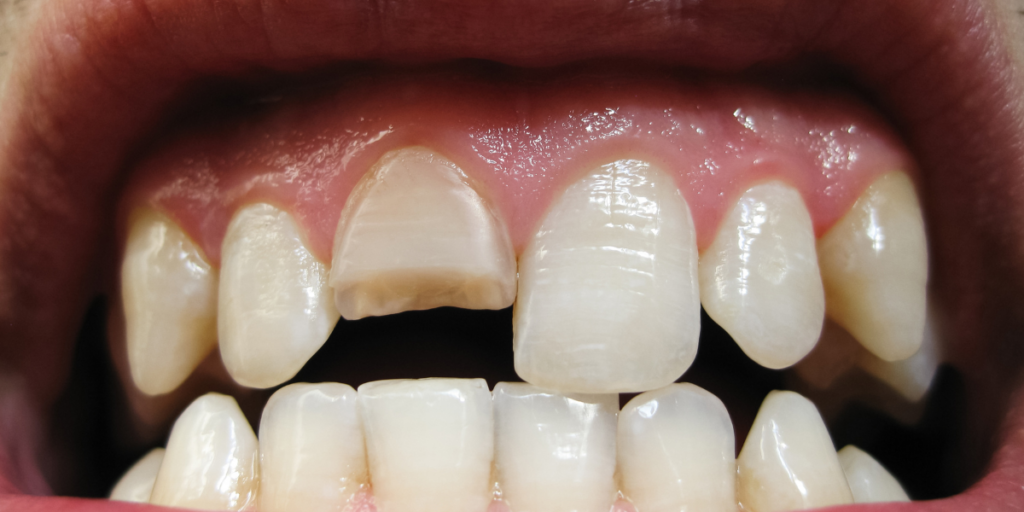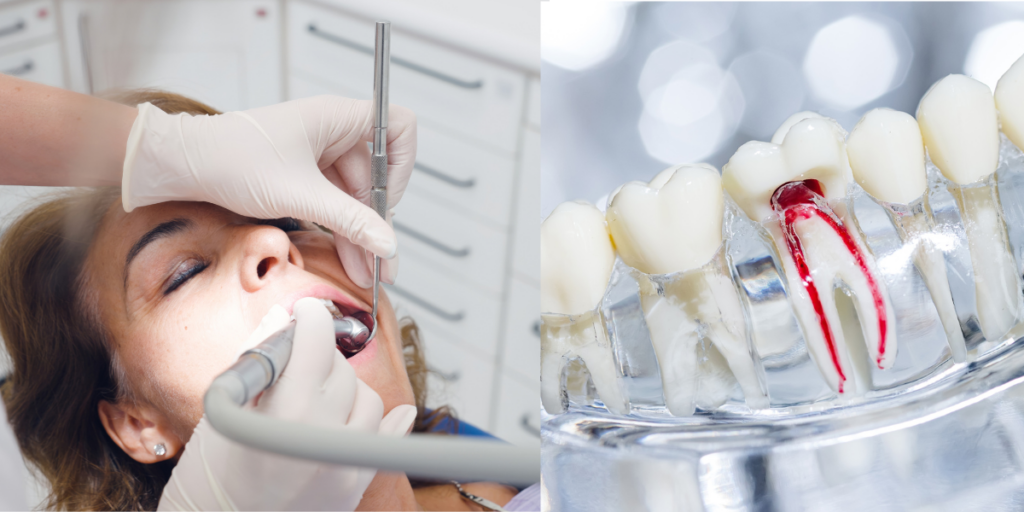
You get a filling in Clifton and expect the pain to stop. But days later, that same tooth still feels sore. Maybe it hurts when you chew or when you drink something cold. Now you are wondering if this is normal or if something is wrong.
A little soreness after a filling can be part of healing. But severe or lasting pain can mean the nerve inside the tooth is not healthy. Knowing the difference helps you act early and protect your smile.
In this guide, you will learn why tooth pain after filling happens, what signs to watch for, and when root canal therapy may be the right solution.
Is Soreness After a Filling Normal or a Sign Something’s Wrong?
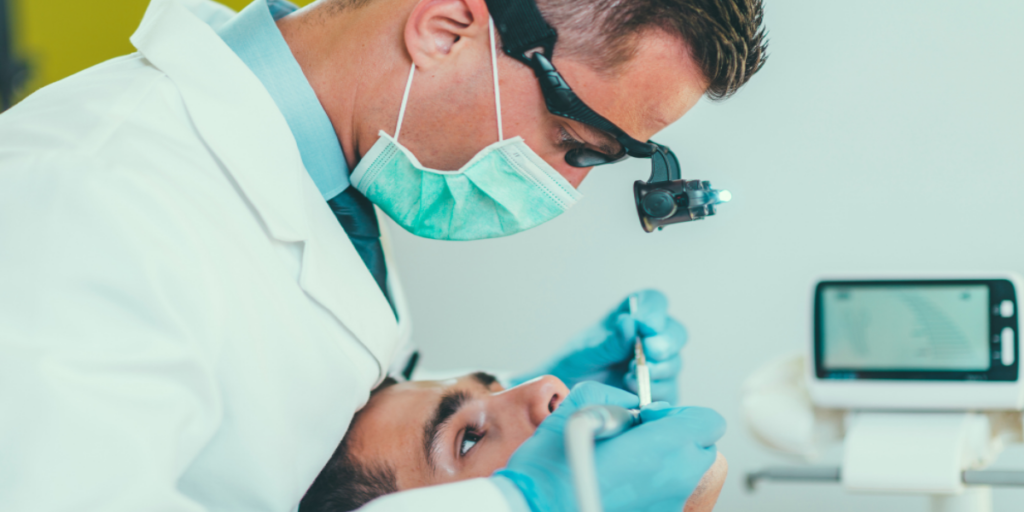
After a filling, it is common to feel unsure about what is normal. Some symptoms are mild and short-term. Others are warning signs. Mild filling sensitivity to cold drinks or sweets for a few days is normal. Light post-filling pain when chewing can also happen at first.
But strong or steady tooth pain after filling that does not improve may point to pulp inflammation inside the tooth. If ignored, this can lead to an infected tooth nerve that needs care. Understanding these signs helps you know when to wait and when to call your Clifton dentist.
Normal Post-Filling Sensitivity (Typical Timeline)
It is normal to feel mild cold sensitivity for a few days after treatment. This type of filling sensitivity should slowly improve. You may also feel slight soreness when biting. This is common and does not usually mean you need tooth infection treatment. The key sign of normal healing is steady improvement. Post-filling pain should fade, not get worse.
When Pain Crosses The Line Into “Not Normal”
Sharp, throbbing, or worsening tooth pain after filling is not typical. Pain that lasts longer than two to three weeks may mean the nerve is damaged. Ongoing pulp inflammation can turn into an infected tooth nerve. Pain that wakes you at night or spreads to your jaw or ear should be checked right away in Clifton.
Why Tooth Pain After A Filling Happens

There are several reasons why a tooth may hurt after a filling. Some are minor. Others are more serious. Sometimes the nerve is simply irritated. Other times, deeper problems are involved, such as deep cavity complications or lasting pulp inflammation. Not all post-filling pain means you need a root canal. But certain patterns may lead to root canal therapy if the nerve does not heal.
Nerve Irritation After Treatment
During a filling, the tooth is cleaned and shaped. This can irritate the nerve. Mild pulp inflammation may cause short bursts of tooth pain after filling, especially with hot or cold foods. This often settles in a week or two.
Deep Cavity Complications And Pulp Inflammation
If the cavity is very deep, the nerve may already be stressed. These deep cavity complications increase the risk of lasting pain. In some cases, pulp inflammation heals. In others, it worsens and may require root canal therapy as a form of tooth infection treatment.
High Bite Pressure (The Filling Is Too High)
If the filling is slightly high, that tooth may hit first when you bite down. This can cause severe post-filling pain when chewing. A simple bite adjustment in Clifton often fixes the problem quickly.
Gum Irritation Around The Filling
The gums around a new filling can feel sore or swollen. This may feel like tooth pain after filling, but it usually improves with good brushing and flossing.
Why A Filling Might Still Need A Root Canal
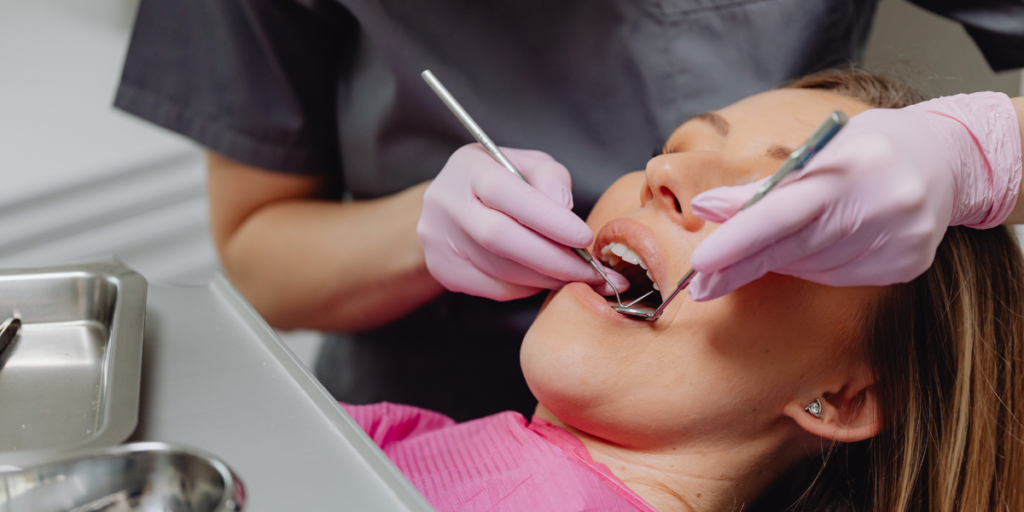
Sometimes the nerve inside the tooth is too damaged to heal. When that happens, a filling alone is not enough. Ongoing pulp inflammation can turn into an infected tooth nerve. At that point, root canal therapy is often the best way to save the tooth. Choosing a trusted provider for a root canal in Clifton can stop pain and prevent the need for tooth removal.
Irreversible Pulpitis (The Nerve Is Too Damaged To Heal)
If bacteria reach the nerve before the filling, the damage may already be severe. Severe pulp inflammation can cause constant tooth pain after filling. This often means the nerve cannot recover and needs tooth infection treatment.
Persistent Nerve Irritation From A Deep Filling
Large fillings in teeth with deep cavity complications can keep the nerve irritated. If pain does not improve, root canal therapy may be needed to remove the damaged tissue and stop the discomfort.
Hidden Fracture Triggered Or Revealed After The Filling
A small crack in the tooth can cause sharp pain when biting. This can lead to more pulp inflammation and even an infected tooth nerve if not treated.
Key Symptoms That Suggest Root Canal Time
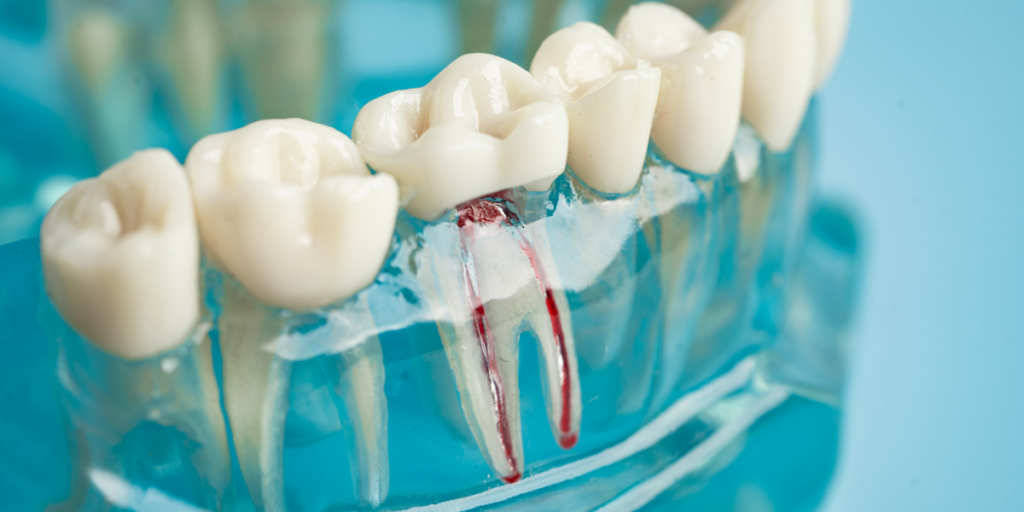
Certain symptoms strongly suggest that the nerve is not healthy. Knowing these signs can help you act early. If you notice more than one of these issues, it may be time to ask about a root canal in Clifton.
Lingering Heat Or Cold Pain
Pain that lasts longer than 10 to 15 seconds after hot or cold contact is not normal. This type of tooth pain after filling often points to deeper pulp inflammation.
Significant Pain When Chewing Or Applying Pressure
Sharp pain when biting down may mean the nerve is inflamed or the tooth is cracked. If this post-filling pain does not improve, your dentist may suggest root canal therapy.
Radiating Pain Or Night Pain
Pain that spreads to the jaw, ear, or head can signal an infected tooth nerve. Pain that wakes you up at night is also a strong warning sign.
Pain That Does Not Improve After 2–3 Weeks
Normal healing shows steady progress. If your tooth pain after filling stays the same or worsens after a few weeks, you may need tooth infection treatment.
What Happens During An Endodontic Evaluation In Clifton
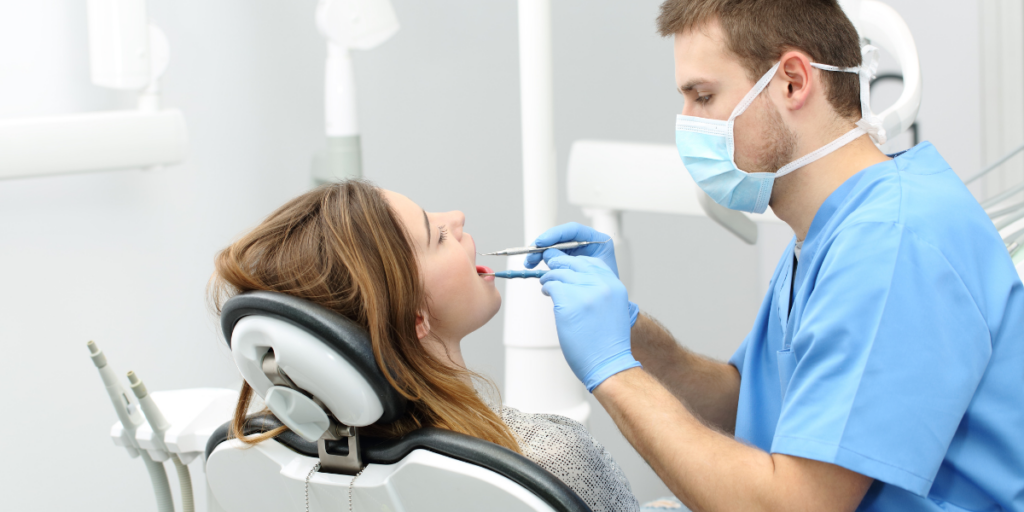
If your dentist suspects nerve damage, you will have a careful exam. This visit helps find the exact cause of your pain. Modern tools and imaging make the process clear and comfortable.
Symptom Review And Diagnostic Testing
Your dentist will ask when the pain started and what makes it worse. Simple tests help tell the difference between mild filling sensitivity and serious pulp inflammation.
Digital X-Rays For Deep Diagnosis
Digital X-rays show deep cavity complications and signs of infection at the root tip. These images help decide if root canal therapy is needed.
Ruling Out Other Causes (Bite, Gum, Cracks)
Your dentist will check your bite and gums. This step helps confirm whether the pain is from an infected tooth nerve or a simpler issue.
What Root Canal Therapy Feels Like Today (Comfort + Modern Dentistry)
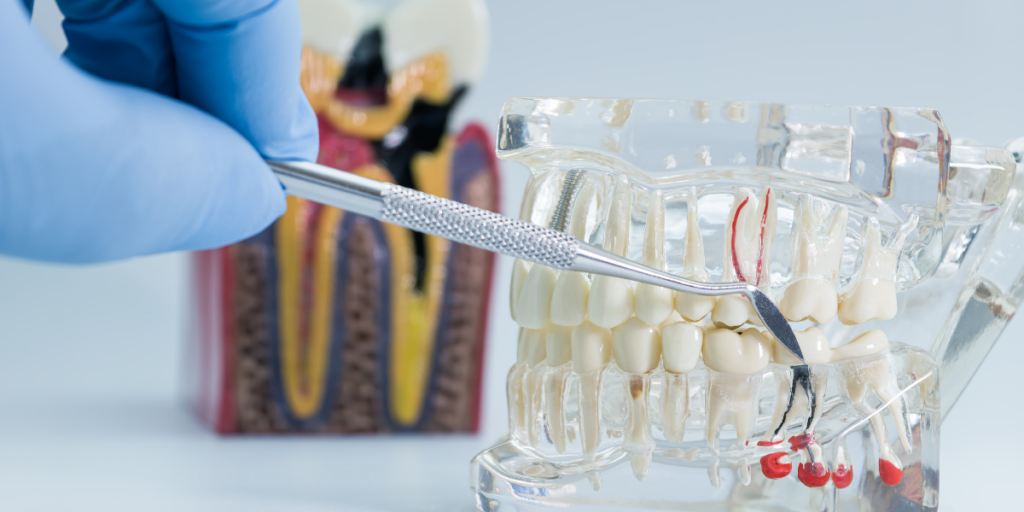
Many people fear root canals, but modern care is gentle and effective. The goal is to remove pain, not cause it. Root canal therapy treats the infection inside the tooth and helps you keep your natural smile.
Root Canals Remove Pain: They Don’t Create It
Most pain comes from pressure caused by pulp inflammation or infection. By cleaning the inside of the tooth, root canal therapy works as a targeted tooth infection treatment that relieves the pressure.
Comfort Measures For Busy Adults And Families
Strong numbing keeps you comfortable during a root canal in Clifton. Our team plans visits around your schedule so treatment fits your daily life.
How Long Do Root Canals Stay Sore?
Mild soreness for a few days is normal after treatment. This may feel like light post-filling pain, but it should improve quickly.
When To Wait Vs. When To Call (Practical Guidance)
It can be hard to know when to wait and when to seek help. Use these simple tips as a guide.
Safe To Monitor (Short-Term Sensitivity)
Mild filling sensitivity that improves each day is usually safe to watch. If post-filling pain gets better after a bite adjustment and you have no swelling, you can monitor it.
Call Immediately (Root Canal Red Flags)
Throbbing tooth pain after filling, swelling, or a bad taste may mean an infected tooth nerve. Pain lasting beyond two to three weeks should be checked for possible root canal therapy or other tooth infection treatment.
Preventing Root Canals: How To Reduce Risk Long-Term

Good habits and regular dental visits lower your risk of serious tooth problems. Prevention keeps small issues from turning into big ones.
Catch Cavities Early Before They Reach The Nerve
Routine exams help catch decay before it becomes deep cavity complications. Early care reduces pulp inflammation and lowers the chance that you will need root canal therapy.
Address Bite Pressure And Grinding
Grinding can stress fillings and cause tooth pain after filling. A custom nightguard can reduce post-filling pain and protect your teeth.
Don’t Ignore Persistent Symptoms
Ongoing pain is a sign that your tooth needs attention. Early care can stop pulp inflammation and prevent advanced tooth infection treatment.
How We Help You Get Answers (And Relief) At Harmony Dental Arts

At Harmony Dental Arts in Clifton, we focus on clear answers and gentle care. We listen closely and explain your options in simple terms. Whether you need a small adjustment or full root canal therapy, our goal is to restore comfort and protect your smile.
Our Approach Starts With A Clear, Accurate Diagnosis
We carefully review your tooth pain after filling and perform detailed tests. This helps us find signs of pulp inflammation or an infected tooth nerve before recommending treatment.
We Offer Conservative Options First And Root Canals When They’re Truly Needed
If your pain comes from a bite issue, we fix that first. If needed, we provide gentle root canal therapy and complete tooth infection treatment at our trusted root canal in the Clifton office.
Full-Spectrum Dentistry For Long-Term Tooth Protection
After treating deep cavity complications or infection, we restore and protect your tooth. We guide you with follow-up care so your treated tooth stays strong.
Convenient, Central Care For Busy Adults And Families
Our Clifton location makes it easy to get help fast. We schedule visits for exams, fillings, and root canals in Clifton to fit around your needs.
Conclusion
A little soreness after a filling is normal. But strong or lasting tooth pain after filling can signal deeper problems like pulp inflammation or an infected tooth nerve. Acting early can save your tooth and stop pain before it gets worse.
If you live in Clifton and your tooth still hurts after a filling, contact us at Harmony Dental Arts. We will examine your tooth, explain if you need monitoring or root canal therapy, and provide the right tooth infection treatment to restore your comfort and confidence.
Common Questions About Fillings, Root Canals, And Ongoing Pain
Do I Need A Root Canal If My Tooth Hurts After A Filling?
Not always, but lasting tooth pain after filling may mean nerve damage. We can check for pulp inflammation and advise if a root canal in Clifton is needed.
Can A Tooth Filling Lead To A Root Canal?
Yes, deep decay and deep cavity complications can harm the nerve. We assess your tooth and provide root canal therapy or other tooth infection treatment if required.
How Do You Know A Root Canal Filling Has Failed?
Swelling, a gum bump, or new post-filling pain may signal trouble. We use exams and X-rays to look for an infected tooth nerve and guide the next steps.
How Long Do Root Canals Stay Sore?
Most soreness is mild and lasts only a few days. If pain continues, contact us so we can review your healing and adjust your care.