Homeblock Appliance in Clifton & Manhattan
If you have concerns about breathing, jaw development, tongue space, or sleep-related issues, a Homeoblock appliance may be worth considering. We take time to understand your needs and help you decide if a Homeoblock appliance in Clifton, NJ, fits your goals.
What Is a Homeoblock Appliance in Clifton, NJ?
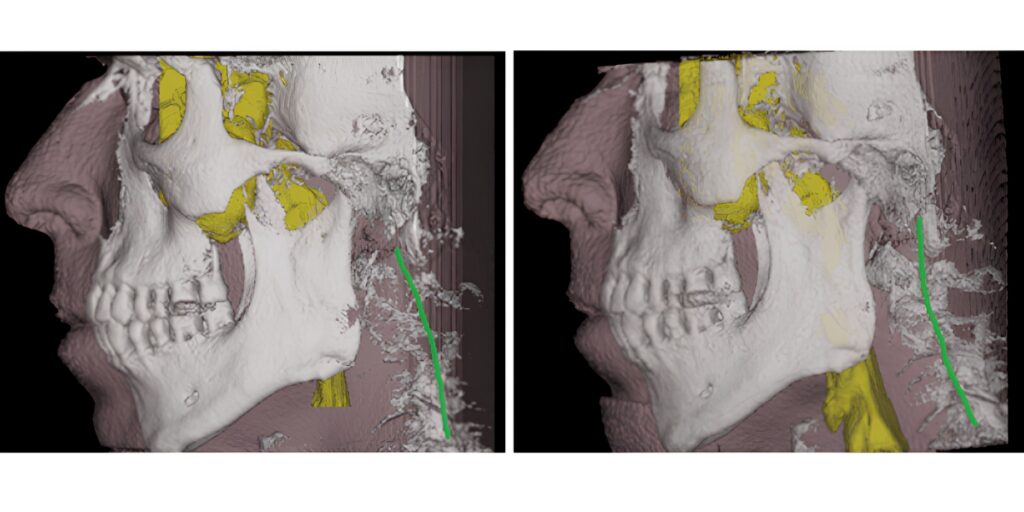
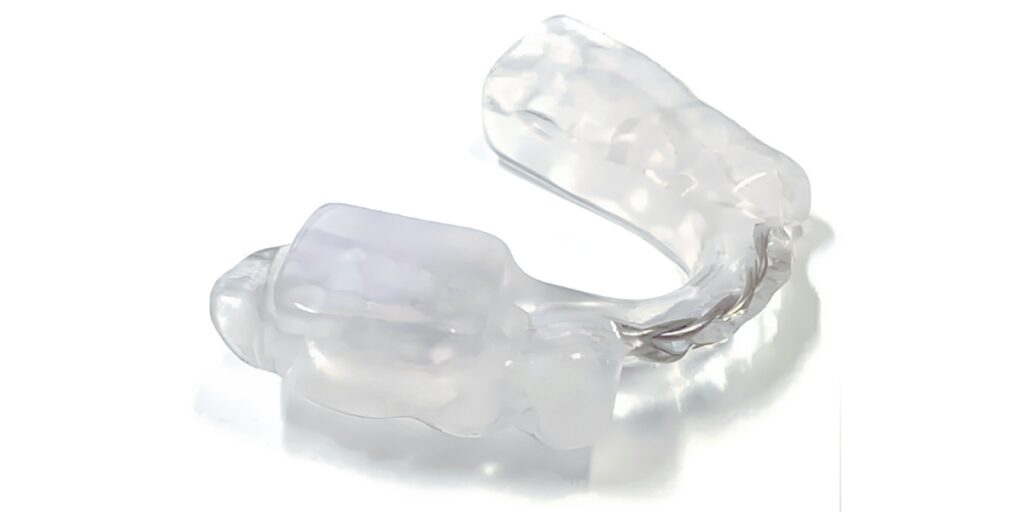
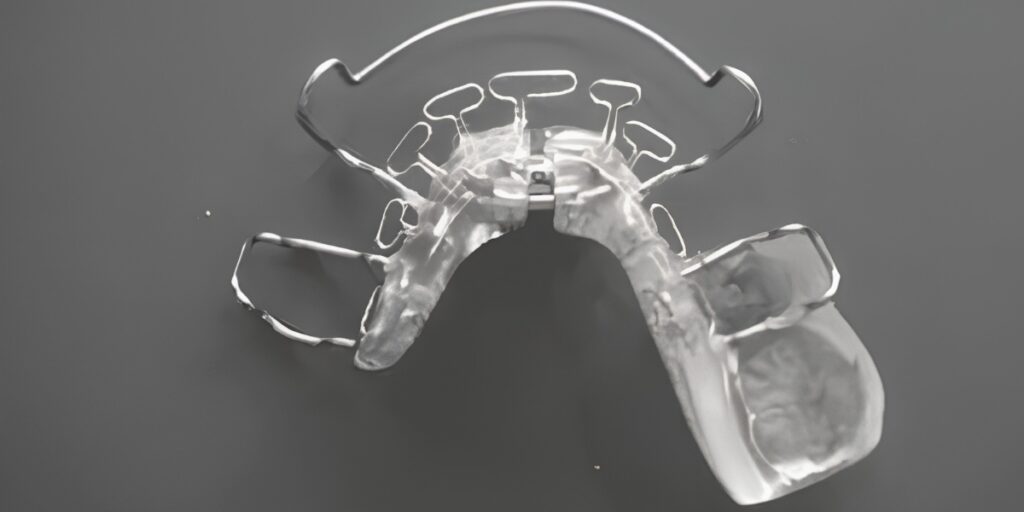
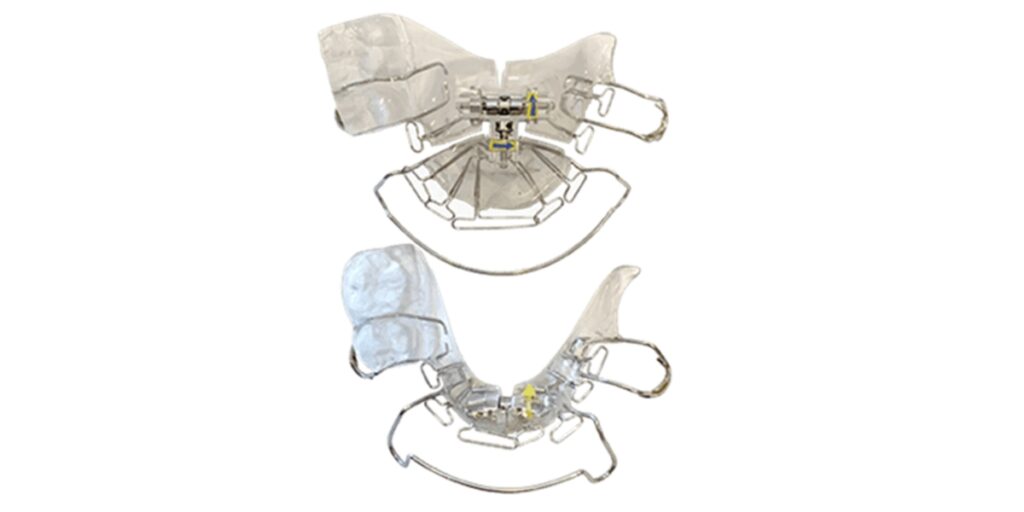
The Homeoblock appliance is designed to support airway health and oral function by working with the natural structure of the jaw and surrounding tissues. It is often used as part of a personalized approach that looks at how the jaw, tongue, and airway work together.
Many patients visit a Homeblock dentist in Clifton, NJ, because they want answers about jaw alignment, breathing patterns, or sleep concerns. During your visit, we walk you through how the appliance works and discuss whether it may be a good fit for your situation.
Who Should Consider Homeoblock Treatment?
Homeoblock treatment in Clifton may be helpful for adults who notice issues such as limited tongue space, jaw discomfort, or concerns related to breathing during sleep. It can also be an option for those who want to better understand how their oral structure affects daily comfort.
Patients exploring adult palate expansion in Clifton, NJ, often come in with questions about airway-focused care and long-term oral function. A consultation gives us the opportunity to evaluate your concerns and talk through possible treatment paths based on your needs.
What to Expect with Homeoblock Treatment
Every treatment begins with a thoughtful evaluation and a conversation about your goals, concerns, and oral health history.
- Consultation: Time is taken to discuss your symptoms, medical history, and any concerns you may have regarding your airway. This helps us understand your situation and decide if further evaluation or appliance therapy may be helpful.
- Personalized Treatment Planning: After gathering information, we explain our findings and discuss possible next steps. You will get to ask questions and feel confident about your choice.
- Treatment Visit: If you move forward, we will take impressions or digital scans to create your appliance. Each step is explained so you know what to expect.
- Comfort and Safety Checks: We monitor how the appliance fits and feels. Adjustments are made as needed to support comfort throughout treatment.
- Aftercare and Follow-Up: We can monitor progress, respond to questions, and make adaptations as we go because of regular visits.
Long-Term Care and Treatment Monitoring
Moving Beyond the Flat-Plane Night Guard
The Homeoblock appliance requires ongoing care and regular check-ins. We guide you on how to wear, clean, and store your appliance so it stays in good condition throughout treatment.
Each patient’s experience is different, and timelines can vary. Follow-up visits enable us to track your progress and address any concerns early. Some patients may also want to learn about related options such as sleep appliance treatment or CPAP alternative options, depending on their needs.
The POD™ – Preventative Oral Device
In July 2019, the FDA cleared Advanced Facialdontics’ POD™ (Preventative Oral Device) for the treatment of bruxism and TMJ disorders.
The POD™ is a custom-fabricated mandibular appliance that uses Unilateral BiteBlock Technology® to protect teeth and restorations while reducing the destructive forces associated with clenching and grinding.
The POD™ is designed to:
- Protect natural teeth, crowns, veneers, and restorations
- Reduce clenching-related muscle activity
- Help alleviate headaches, jaw pain, and TMJ symptoms
- Improve comfort compared to traditional flat-plane guards
Why Choose Harmony Dental Arts
We focus on clear communication, thoughtful care, and helping patients feel comfortable when exploring airway-focused treatment options.
- Personalized Evaluations: We take time to listen and understand your concerns before recommending any treatment. Your goals guide the conversation.
- Airway-Focused Approach: Our team looks at how your oral structure and airway function work together when discussing treatment options.
- Clear Explanations: We explain everything in simple terms so you feel confident about your choices and understand what comes next.
- Comfort-Oriented Care: We stay connected with you throughout treatment and address any questions or concerns as they come up.
- Convenient Clifton Location: Patients looking for a dental airway appliance in Clifton can visit us locally and receive care in a welcoming setting.
- Connected Sleep and Airway Services: If you are considering an airway appliance in Clifton, NJ, you may also want to explore sleep dentistry services or sleep apnea treatment as part of your care plan.
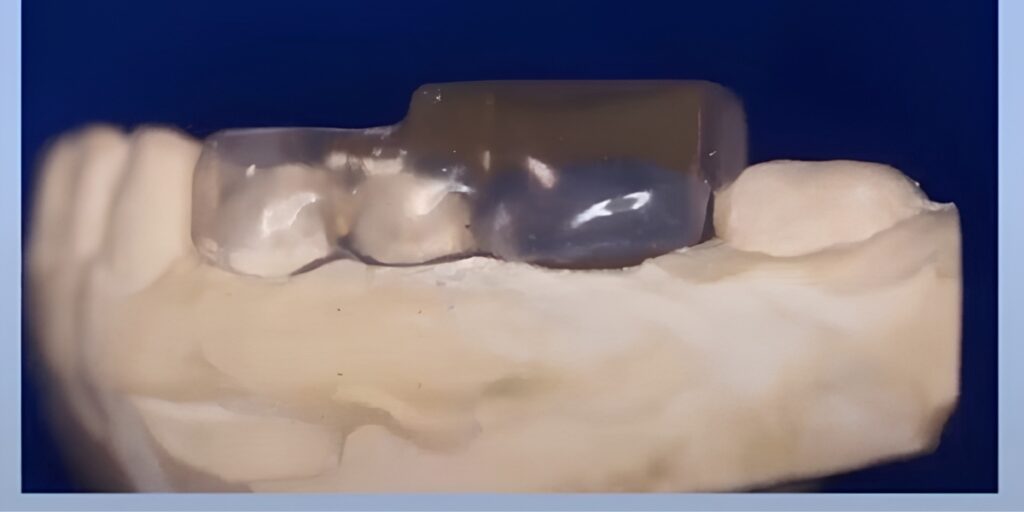
POD™ + Homeoblock™: A Complementary Approach
The POD™ is frequently used in conjunction with the Homeoblock™, especially in patients
who clench, grind, or experience TMJ symptoms during craniofacial development.
Together, these appliances:
- Protect teeth and joints during treatment
- Reduce excessive muscle activity
- Support proper tongue posture
- Enhance breathing during sleep
- Reinforce healthy neuromuscular habits
The POD™ is also an ideal adjunct to myofunctional therapy, helping patients establish
correct tongue-to-palate posture and functional swallowing patterns. When the tongue rests on
the palate during swallowing, it moves further out of the airway—supporting long-term airway
stability.
The Homeoblock™ protocol and its airway-centered philosophy were featured in Breathe by
James Nestor, who underwent treatment as a patient of Dr. Theodore Belfor—one of the
pioneers and mentors behind this approach.
For a deeper understanding of the philosophy, we invite you to watch our in-depth conversation
with Dr. Theodore Belfor.
What Our Patients Are Saying
FAQ
A Homeoblock appliance is a dental device used as part of an airway-focused approach to oral health. During your visit, we explain how it works and whether it may suit your needs.
Candidates vary based on oral health, airway concerns, and personal goals. A consultation helps us determine if this type of treatment is appropriate for you.
Comfort can vary from person to person. We monitor how the appliance fits and provide guidance to help you adjust during treatment.
Yes, many patients visit to discuss breathing, jaw alignment, and oral function. We review your concerns and talk through possible options during your consultation.
Costs depend on your specific treatment plan. We go over all details during your visit so you understand what to expect.
If you are curious about whether a Homeoblock appliance in Clifton, NJ, could be right for you, reach out to Harmony Dental Arts. Our team is here to answer your questions, explain your options, and help you schedule a visit. We look forward to helping you take the next step toward better oral function and airway-focused care.