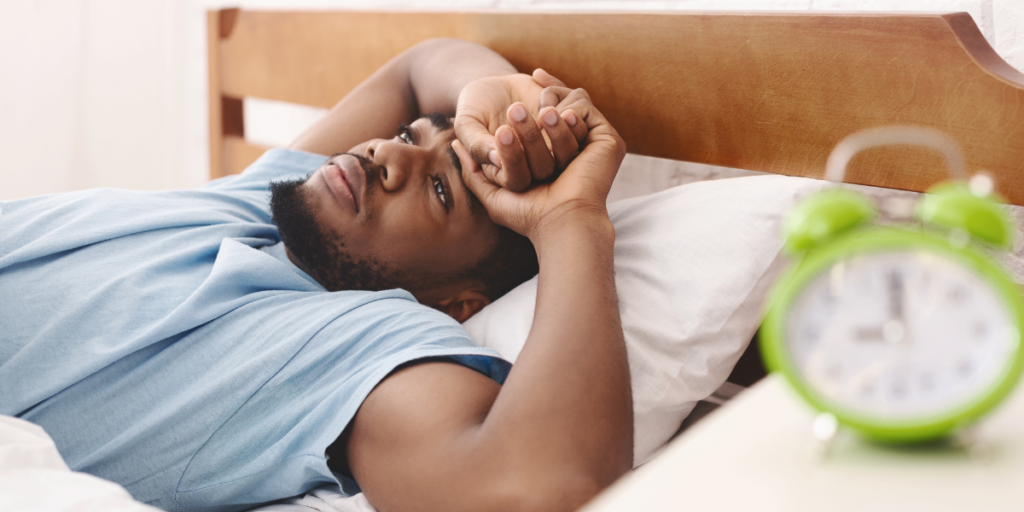
Want to know if you are dreaming? If you wake up tired even after eight hours in bed, or even feel pain in your jaw every morning before you drink your coffee. These symptoms usually lead to two related disorders with which millions of individuals will have trouble: sleep apnea and TMJ disorder. Although they may seem unrelated, they often occur in a sequence that results in a loop of pain, influencing your sleep quality, daily energy, and overall well-being.
At Harmony Dental Arts, we understand that effective treatment requires addressing both conditions simultaneously. Our integrated approach combines advanced diagnostics with personalized care to help you find lasting relief from jaw pain and sleep-disordered breathing. Snorting loudly, having headaches, ever-present jaw tension, or any other type of issue, the first thing that you should know about all of that is that it is somehow interconnected, and understanding the process of problems will help you regain your nights of rest and days of pain-free time.
What is the Connection Between Sleep Apnea and TMJ?
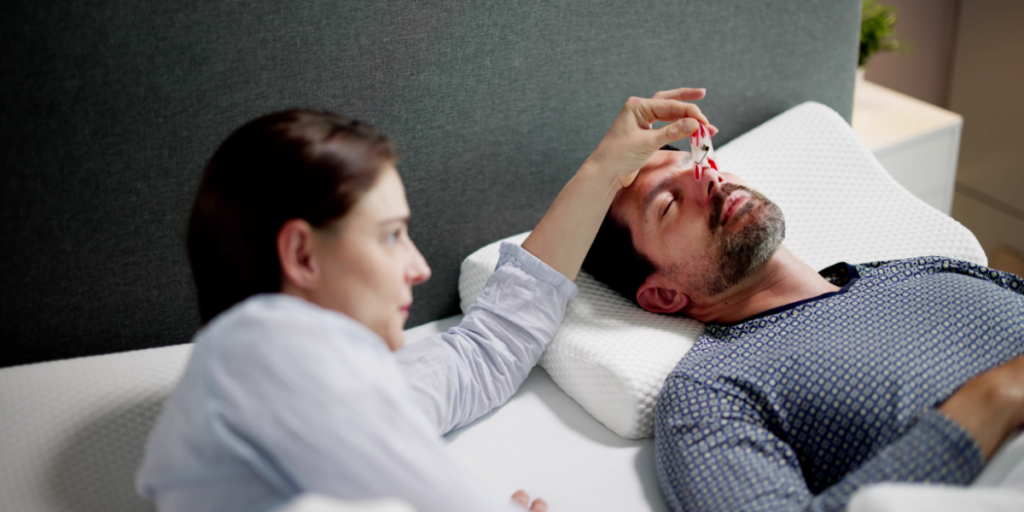
Sleep apnea and TMJ disorder are not only similar in that they have the same acronym, but they also go hand in hand. Sleep Apnea is a condition in which your airway is temporarily or fully blocked while you sleep, leading to repeated breathing gaps throughout the night. To unconsciously open the airway again and resume normal breathing, your body reacts by tightening the muscles of the jaw and grinding teeth.
This constant tension and movement put enormous strain on your temporomandibular joint (TMJ), the hinge connecting your jaw to your skull. In the long run, this stress results in inflammation, misalignment, and the typical TMJ symptoms most patients complain of: clicking noises when opening your mouth, when chewing, and pain that runs through your face and neck.
The relationship works both ways. In case the TMJ disorder leads to the distortion of your jaw, it may leave your airway narrowed, which worsens sleep apnea. This affects a vicious cycle in which one condition exposes the other to worsening. Most patients are unaware that their morning headaches result from teeth grinding at night due to a lack of oxygen, or that the pain they experience in their jaws during the day is a reaction to the body’s quest to breathe during the night.
The Risks of Leaving Sleep Apnea and TMJ Untreated
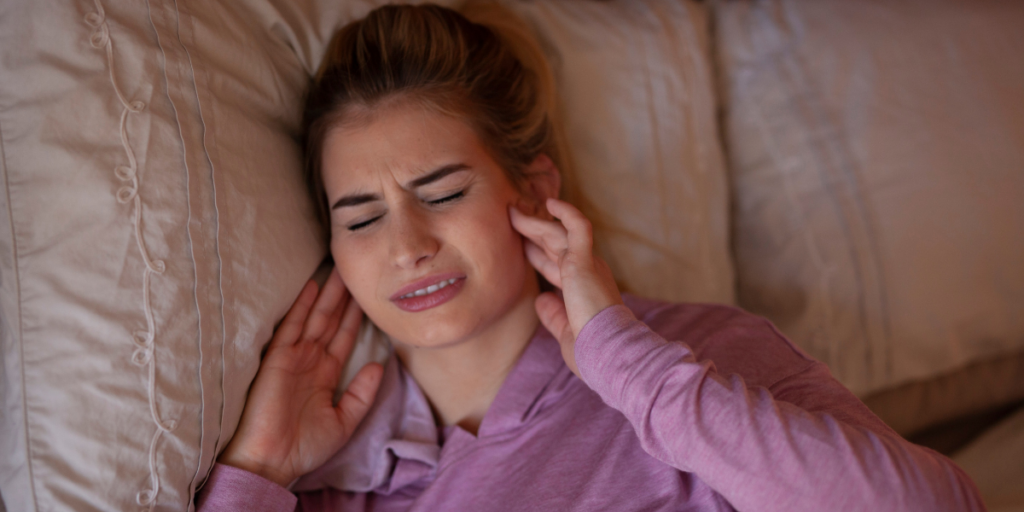
It is not only a matter of putting up with sleep apnea and TMJ disorder, but also a matter of putting up with health risks that are serious and cumulative with time. Unattended sleep apnea denies your brain and organs of oxygen hundreds of times every night. This long-term lack of oxygen puts you at a high risk of high blood pressure, heart disease, stroke, and type 2 diabetes. Research indicates that individuals who have untreated sleep apnea are at a greater risk of having a heart attack (30% more) and are four times more prone to stroke.
These impacts are not limited to cardiovascular health. Sleep deprivation induced by sleep apnea affects cognitive functioning, memory, and concentration, and these effects are chronic. It is a cause of workplace accidents, road accidents, and reduced productivity. Most patients complain that they are in a fog that prevents them from delivering their best at work and in their personal lives.
In the meantime, the untreated TMJ disorder continues to develop, harming the joint. The occasional clicking begins to turn into a locked jaw, into chronic pain, which prevents eating and speaking, and into permanent alterations in your bite arrangement. This inflammation may cause arthritis in the jaw joint, and then the treatment becomes even harder and harder to recover.
The good news? They are mostly avoidable risks that can be treated. At Harmony Dental Arts, we have assisted numerous patients in preventing these severe complications by treating their sleep apnea and TMJ disorder early, comprehensively, and efficiently.
Common Symptoms of Sleep Apnea & TMJ Disorder
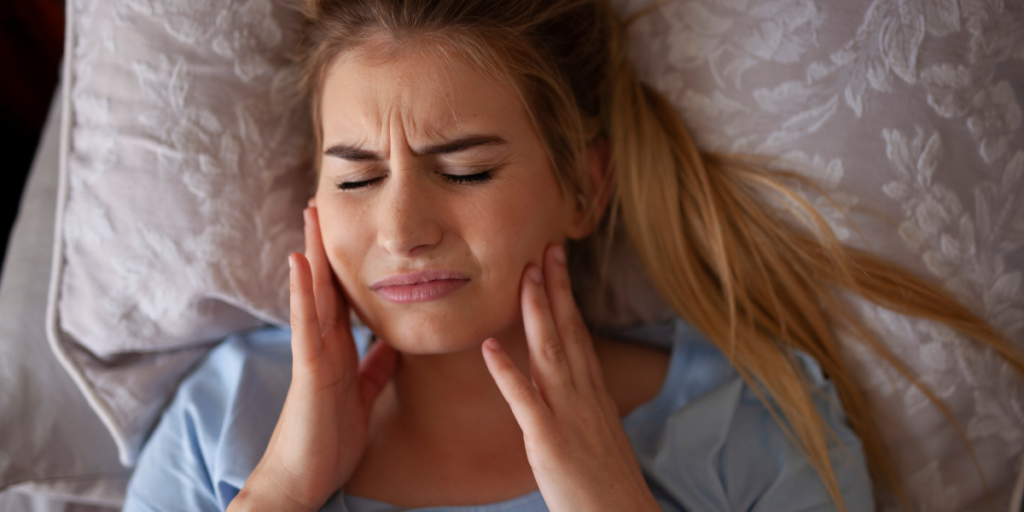
Recognizing the symptoms of these interconnected conditions is essential for seeking timely treatment. While some signs are obvious, others are subtle and easily attributed to stress, aging, or other factors.
Common Symptoms of Sleep Apnea
➨ Loud Snoring
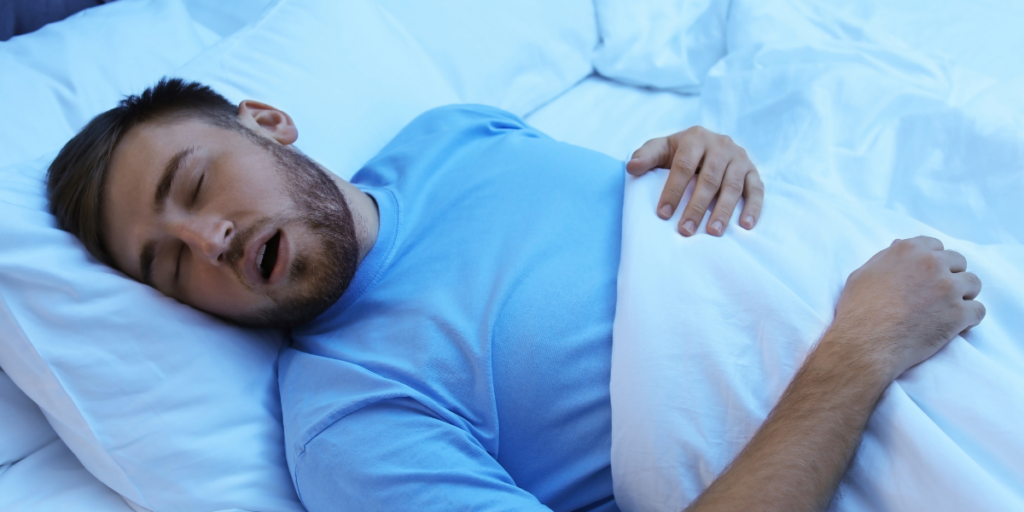
Snoring is not only annoying to your partner but is also usually the most common symptom of sleep apnea. A narrowed airway in sleep causes the air to move through a smaller passage, causing vibrations in your throat tissues. Although not all snorers have sleep apnea, loud, persistent snoring that is accompanied by the gasping or choking of air is a warning sign, which should be evaluated. Many patients are surprised to learn that their “harmless” snoring actually indicates significant airway obstruction.
➨ Excessive Daytime Sleepiness (Hypersomnia)
When you are in a constant battle to keep yourself awake during conferences, grope through afternoon downs, or even nod as you watch TV, you may be suffering from hypersomnia, a classic symptom of sleep apnea. It is not tiredness that can be cured by a good night out. It is a relentless feeling of exhaustion, even after sufficient time in bed, because the quality of sleep is so badly impaired by constant interruptions in breathing. Patients also complain that they have not managed to sleep at all, even after 8 or 9 hours in bed.
➨ Stopped Breathing
Perhaps the most frightening symptom is witnessed apneas, in which someone notices that you stop breathing whilst asleep. Such pauses may last several seconds or more than a minute, and there are numerous, dozens, or hundreds of them every night. Your brain wakes you up again and again, enough to get you breathing again, and not sufficient to recollect waking up. This is due to the resultant lack of sleep, as you are unable to get into the deep restorative stages of sleep that your body requires.
Common Symptoms of TMJ Disorder
➨ Headaches or Migraines
Most individuals are not aware that their headaches that are chronic in nature are caused by their jaws. TMJ headache typically presents as tension-type pain around the temples, forehead, or back of the head. They tend to be sore in the morning because of grinding teeth and clenching of the jaw during the night. These are debilitating headaches that are often confused with migraines or even sinus headaches and send patients on fruitless treatment courses.
➨ Jaw Pain or Tenderness
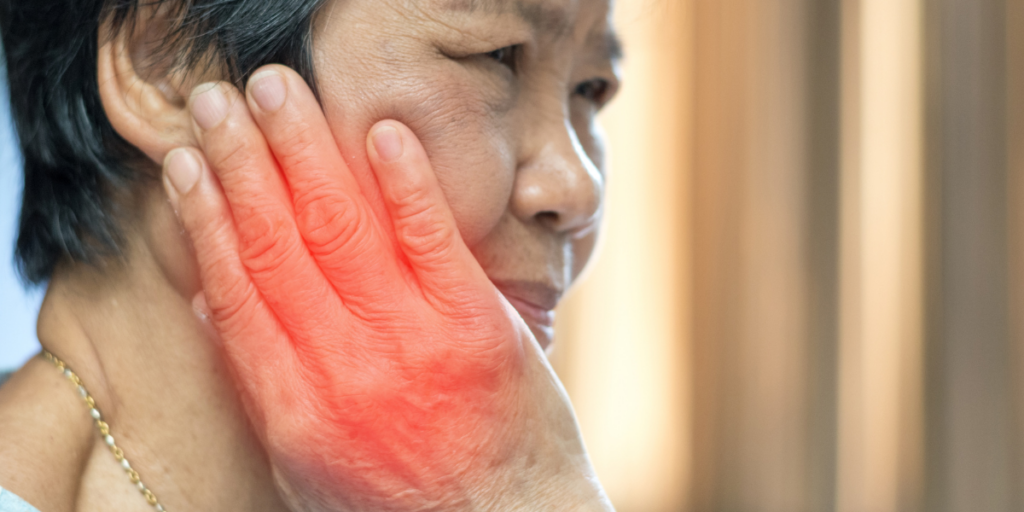
TMJ disorder has its signature symptom: pain of or surrounding the jaw joint itself. This pain can be persistent or occasional, acute or mild in nature, and may tend to increase with the movement of the jaw, such as chewing, speaking, or yawning. Some patients complain of a locked jaw, which prevents the mouth from opening or closing completely. The pain can spread to your cheeks, neck, or shoulders, causing generalized discomfort during everyday activities.
➨ Ear Pain or Ringing (Tinnitus)
Since TMJ is located near your ear canal, jaw dysfunction in many cases presents itself as symptoms in the ear. Patients often complain of earaches, a fullness sensation in the ears, or tinnitus (ringing or buzzing in the ears). Most of them see an ear specialist only to find out that the ear conditions they have are actually traced to their jaw. This association between ear symptoms and TMJ is the reason why a thorough assessment is essential.
Treatment Options Available for Sleep Apnea & TMJ Disorder
Sleep apnea and TMJ disorder are challenging disorders that need a unique approach based on your symptoms, level of problems, and lifestyle. At Harmony Dental Arts, we offer several evidence-based treatment options that can be used individually or in combination for optimal results.
➨ Custom Oral Appliance Therapy (OAT)
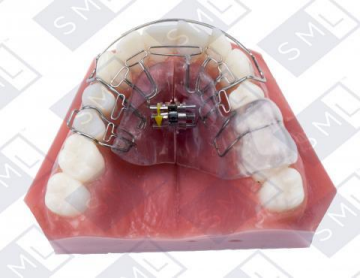
Oral appliance therapy is one of the most effective and comfortable methods of treatment for sleep apnea and TMJ disorder. These are custom-fitted devices to be worn while sleeping that aim to pull your lower jaw forward to keep the airway open and, at the same time, reduce stress on the TMJ. In contrast with one-size-fits-all products, our oral appliances are specifically adjusted to your individual anatomy and fine-tuned during the course of time so that they can be as efficient and comfortable as possible.
➨ CPAP Support
Continuous Positive Airway Pressure (CPAP) is the gold standard therapy option for patients with moderate to severe sleep apnea. CPAP machines provide a continuous flow of pressurized air in a mask and keep your airway open during the night. CPAP does not cure TMJ disorder; however, with better quality sleep, nighttime difficulty breathing is lessened by optimizing your sleep quality, and jaw grinding and clenching can be much lessened.
We know that discomfort, claustrophobia, or practical reasons may make many patients struggle to comply with CPAP. This is why we collaborate with sleep physicians to provide them with all the assistance they need, including mask-fitting ideas, pressure adjustments, and guidance on resolving the most common problems. When combined with oral appliance therapy or another treatment, CPAP and oral appliance therapy are the best option for some patients.
➨ Myofunctional Therapy & Airway Support
Myofunctional therapy is a treatment that deals with the cause of the airway dysfunction by retraining the tongue, throat, and face muscles. This special treatment educates the correct tongue positioning, nasal breathing routines, and lessons that strengthen airway muscles. These exercises can lead to a decrease in sleep apnea, snoring, and TMJ symptoms with time due to the existence of proper jaw alignment and the reduction of muscle tension.
Myofunctional therapy program at Harmony Dental Arts is especially useful with patients with mild to moderate sleep apnea, CPAP compliance issues, or those who want to improve the efficiency of other interventions. The exercises are easy to do at home and normally take only a few minutes a day, and so are a great addition to your treatment program.
➨ Lifestyle Modifications
Although medical treatments are needed in many cases, lifestyle modification is a highly complementary factor in the treatment of sleep apnea and TMJ disorder. Even small losses of weight could greatly decrease the severity of sleep apnea by lowering the size of the tissue in the airway. Not taking alcohol and tranquilizers before bedtime should aid in keeping the muscles in your throat taut, which decreases airway obstruction.
In the case of TMJ management, stress management interventions such as meditation, yoga, or cognitive behavioral therapy can be applied to reduce the occurrence of jaw clenches and grinding. Food changes to softer food during flare-ups and excessive chewing- provide your jaw joint with time to heal. Both conditions can be improved by sleeping properly, that is, not on your back but on your side.
Why Harmony Dental Arts for Sleep Apnea & TMJ Care?
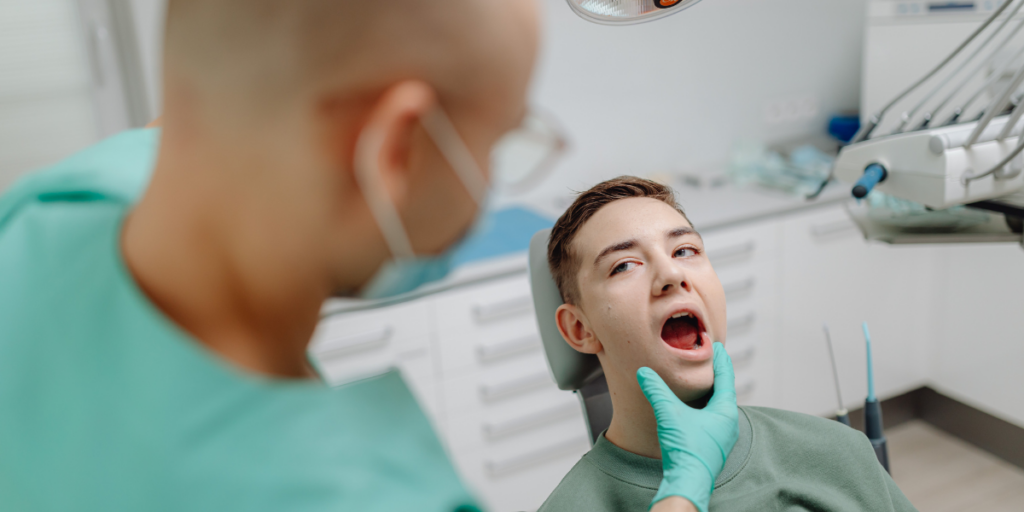
Choosing the right provider for sleep apnea and TMJ treatment makes all the difference in your outcomes and experience. At Harmony Dental Arts, we offer integrated care that addresses both conditions comprehensively under one roof. Our team includes dentists, sleep specialists, and myofunctional therapists who collaborate to create personalized treatment plans tailored to your unique needs.
We recognize that each patient’s situation is unique. This is the reason why we start with a comprehensive assessment and diagnostic testing to know the extent of your illness. We take the time to clarify your choices, explain, and discuss with you, and we engage you in treatment choices. We focus on long-term success, comfort, and convenience rather than short-term fixes that don’t address the root cause.
With locations in both Clifton and Midtown NYC, we make expert care accessible and convenient. We offer modern amenities with the latest technology for proper diagnosis and treatment, and our staff is highly qualified and has the best expertise in delivering relationship-based, caring care that assures our worried patients they are in the right place. We also work with your insurance so we can maximize the benefits provided to you and provide flexible schedules that fit your busy life.
Conclusion
It does not have to be the case that you live with sleep apnea and TMJ disorder. These two related disorders are very responsive to interventions that provide a holistic approach in treating them in tandem to both airway blockage and jaw dysfunction. It might be loud snoring, excessive daytime drowsiness, constant headaches, or jaw pain; whatever it is, there are effective solutions.
At Harmony Dental Arts, we’re committed to helping you achieve restful sleep and pain-free days through personalized care that fits your lifestyle. Whether it is custom oral appliance therapy and CPAP maintenance, myofunctional therapy, and lifestyle advice, we provide all the possible types of treatment underpinned by scientific research and provided with kindness.
Don’t wait for your symptoms to worsen or for serious health complications to develop. The sooner you seek treatment, the sooner you can experience the transformative benefits of better sleep and jaw pain relief. Contact Harmony Dental Arts today to schedule your comprehensive evaluation and take the first step toward reclaiming your health, energy, and quality of life.