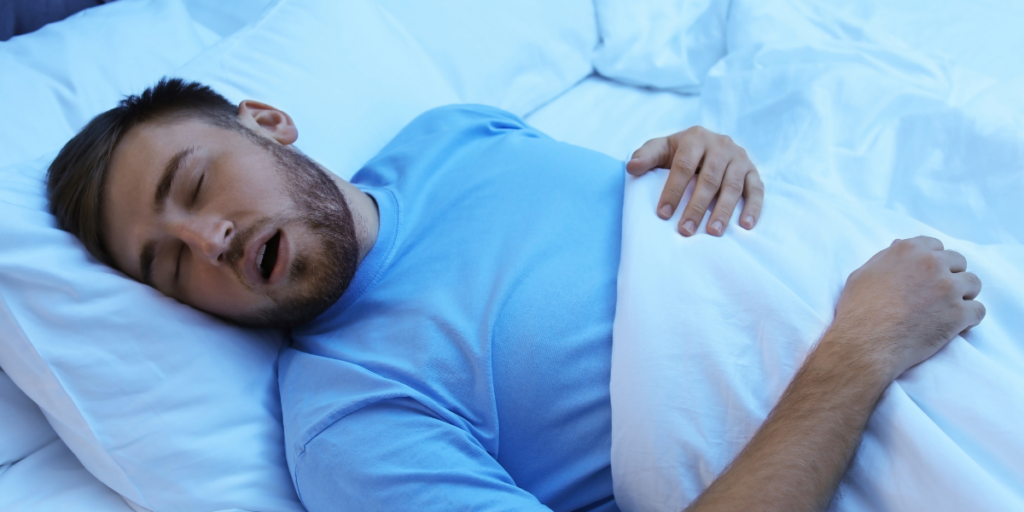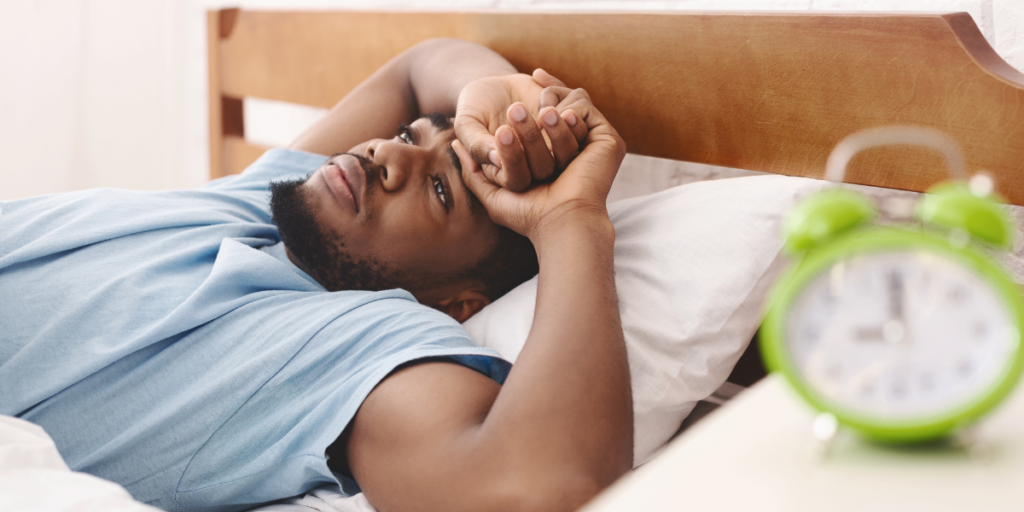
Do you feel tired even after 8 hours of sleep? Do you have a problem concentrating at work and have a cloudy mind? Do you dread morning headaches becoming your undesirable alarm clock? You are not the only one asking, “Why am I always tired?” But here is what may come as a surprise. All these symptoms may indicate one thing: sleep apnea.
Sleep apnea Clifton is a problem for thousands of residents, although many of them have had it. Brain fog, fatigue during the day, and morning headaches are not just inconveniences that have to be made to get through, but are the means by which your body is trying to get your attention that something more serious is at stake. Learning the relationship between these symptoms and the sleep disorders may be the initial step in restoring your energy, cognitive capacity, and general standard of existence.
At Harmony Dental Art, we recognize that oral health extends far beyond your teeth and gums. As your trusted dentist near me, we’re committed to identifying sleep-related issues during routine examinations and connecting you with appropriate sleep health services Clifton to address the root cause of your symptoms.
The Connection Explained: How Sleep Apnea Affects the Body and Brain
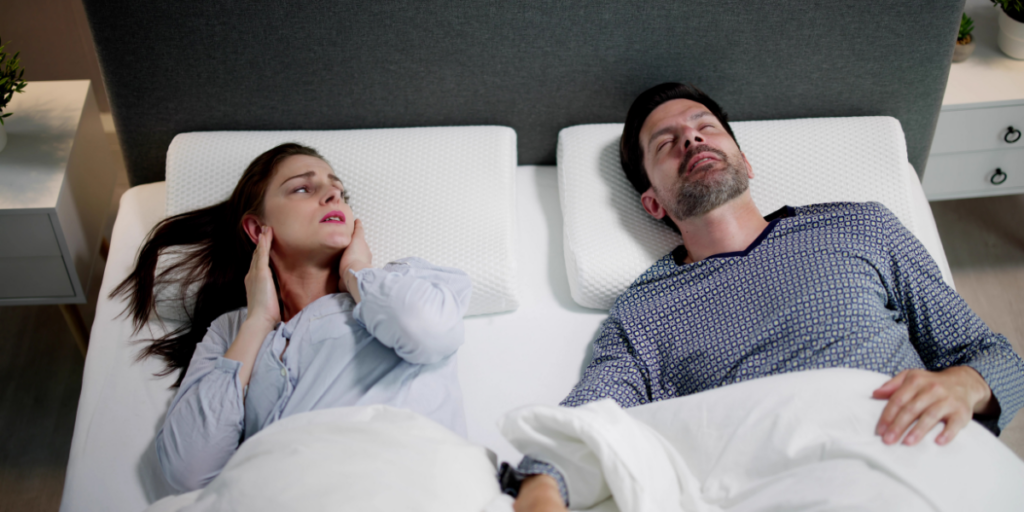
Sleep apnea is not just snoring or brief pauses in breathing during sleep. It is a grave sleeping disorder that triggers a series of activities in the entire body, especially in the capacity of your brain to work best. The relevance of this relationship can be explained by the fact that the occurrence of sleep disturbances, even if they are apparently small, can cause such serious impairment during the day.
- Daytime Fatigue and Sleep Apnea
Excessive daytime sleepiness stands as the most common sleep apnea symptom, affecting up to 90% of people with the condition. But it is not the kind of fatigue that is relieved by a good night’s sleep. Sleep apnea sufferers also have frequent interruptions in their sleep pattern- hundreds of times in a night as their brain wakes them up a little to start breathing again. These micro-awakenings prevent the deeper, restorative phases of sleep from occurring, which are imperative for physical recovery and mental rejuvenation.
The result? You may have eight hours in bed and still feel like you have hardly slept. This kind of fatigue is completely different from ordinary fatigue. It is incessant, inexorable, and does not get better as one sleeps more. It is often reported by many patients who feel that they are always tired and need to sustain on caffeine to get even the slightest functionality and have a pressing need to sleep during the day. These are some of the major causes of daytime fatigue that are attributed to broken sleeping patterns and are indicators of the necessity of a correct sleep apnea diagnosis Clifton.
- Brain Fog and Sleep Disorders
“Brain fog” is a frustrating mental condition in which the process of thinking feels sluggish, and it becomes challenging to focus, and the memory appears to be unstable. This symptom is usually observed by professionals and busy adults because it immediately affects their work performance and daily decision-making. When you find yourself re-reading the same paragraph over and over again, or can not remember that you had an important appointment, and you can not remember the correct words to use in a conversation, then you are experiencing cognitive symptoms that often come with sleep disorders.
The two factors involved in the mechanism of brain fog and sleep disorders are the following. Firstly, interrupted sleep patterns do not allow your brain to do its daily maintenance operation – solidifying memories, sweeping away metabolic rubbish, and tuning its neural networks to the tasks of the next day. Second, when you enter an apnea, your blood oxygen level reduces tremendously. The brain, about 20% of your body’s oxygen requirements, though only 2% of body weight, is it is starved of this vital substance. Over time, these repeated oxygen deprivations impair cognitive function, affecting everything from processing speed to emotional regulation.
- Morning Headaches and Sleep Apnea
It is not normal to wake up with a pain that you feel across your forehead and with a dull and pressure kind of headache. These morning headaches sleep apnea patients experience result from physiological changes that occur during breathing pauses throughout the night. When one stops breathing, carbon dioxide concentration increases in the blood, and the oxygen concentration decreases. It is this chemical imbalance that causes the blood vessels in the brain to dilate, resulting in the typical headache pain.
Sleep apnea headaches are not similar to migraines or even tension headaches in several ways. They usually show up as soon as one wakes up, on both sides of the head, with a pressing or pushing feeling, and usually clear in a few hours as normal breathing patterns resume during the waking hours. In case you are having these headaches at least 15 days a month and all the time in the morning, then sleeping apnea testing Clifton needs to be first on the list.
Can Treating Sleep Apnea Improve Brain Fog and Energy Levels?
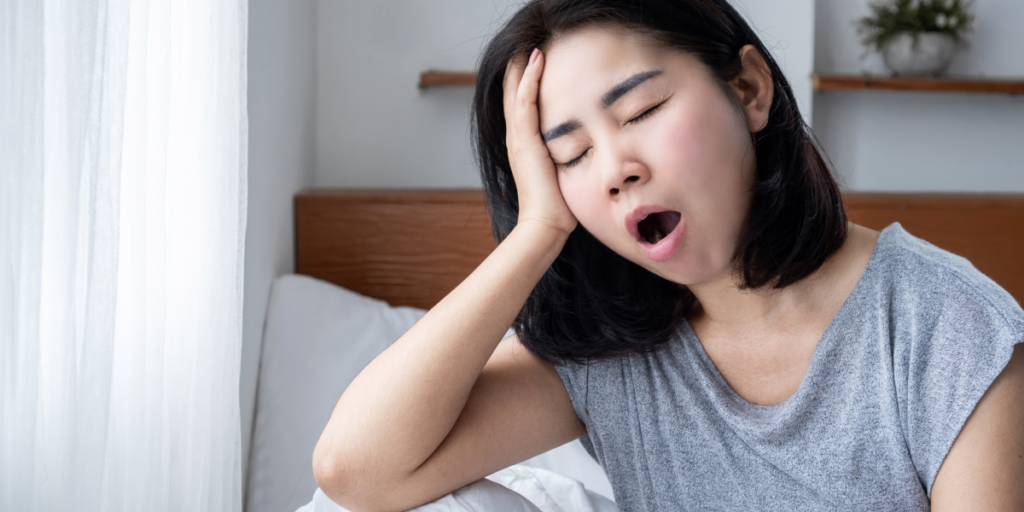
The encouraging news is that sleep apnea symptoms, including cognitive impairment and fatigue, are highly treatable. Most patients notice substantial improvements in their mental clarity and energy levels within weeks of beginning appropriate sleep disorder treatment.
Q. Does CPAP Therapy Clear Brain Fog?
The gold standard treatment of moderate and severe sleep apnea is CPAP therapy Clifton (Continuous Positive Airway Pressure). This treatment involves the use of a constant supply of pressurized air via a mask, which ensures the airways remain open during the night. CPAP therapy helps restore normal oxygen levels to the brain and allows the brain to pass through sleep episodes without interruption by preventing breathing stops.
The studies consistently show significant improvement in cognitive function with CPAP therapy. Patients report improved memory, improved mind processing speed, concentration ability, and problem-solving skills. However, consistency is key. CPAP therapy has cognitive benefits that build over time, and the greatest gains are observed in patients who wear their devices at least 6 hours a night, every night. Working with a sleep specialist Clifton ensures proper equipment fitting, pressure calibration, and ongoing support for successful therapy adherence.
➨ Other Sleep Disorder Treatment Options
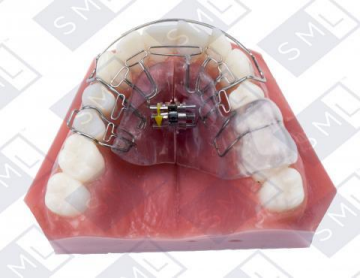
Whereas CPAP therapy is very effective, it is not the only choice for dealing with sleep apnea. Oral appliance therapy, administered by specially trained dentists, is a nonobtrusive, travel-friendly option, especially for mild-to-moderate conditions or when the patient cannot tolerate CPAP.
These tailor-made devices operate by re-aligning the lower jaw and the tongue to ensure that the airway stays open as one sleeps. Young professionals tend to use oral appliances since they are not noisy, mobile, and can be integrated into different lifestyles. Our team evaluates whether you’re a candidate for oral appliance therapy and creates personalized apnea management programs designed for comfort and long-term compliance.
Conditions That Can Be Misdiagnosed as Sleep Apnea
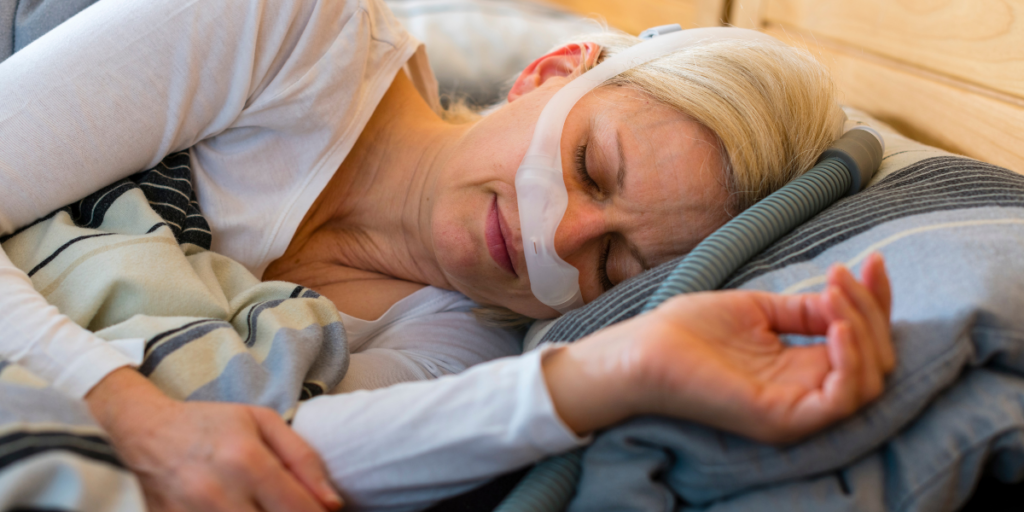
Although sleep apnea is often associated with fatigue, brain fog, and headaches, these symptoms are similar to those of many other disorders. This is complicated to highlight the need to evaluate well before one commences any treatment.
➨ Disorders With Overlapping Symptoms
There are a number of diseases that present the same symptoms as sleep apnea. Insomnia, anxiety, and depression are all causes of chronic fatigue and mental problems. Thyroid diseases, especially hypothyroidism, produce comparable energy loss and psychological fatigue. Anemia impairs oxygen solubility of blood, just like sleep apnea, mimicking the effects of sleep apnea’s intermittent oxygen deprivation. Chronic fatigue syndrome presents with debilitating exhaustion that resembles untreated sleep apnea.
➨ The Importance of Accurate Diagnosis
Professional sleep apnea diagnosis in Clifton relies on objective measurements, not assumptions. Sleep clinics in Clifton provide extensive studies on sleep, which can be done in the form of an overnight study, and study the brain waves, breathing, oxygenation, heart rate, and body movements. The polysomnography tests allow a clear diagnosis and classification of the severity.
Home sleep study Clifton options could be a convenient alternative for many patients. These are simplified tests that look at your breathing patterns and oxygen saturation, and you are in your own bed. Your dental office, close to mine, can liaise with sleep professionals to organize home testing and results interpretation, so that you receive appropriate care advice based on high-quality diagnostic information.
How a Local Dental Practice Can Help Identify Sleep Apnea
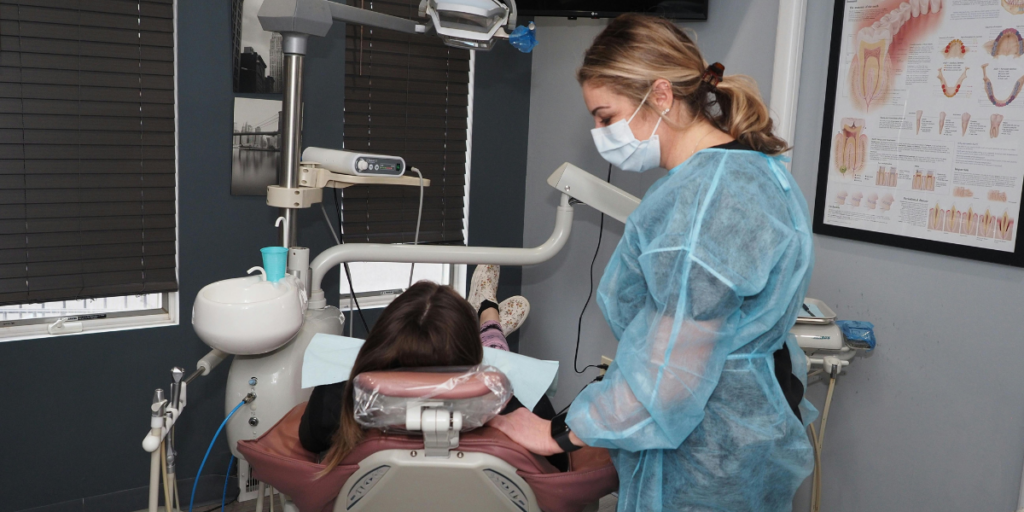
Your dental office near me plays a more significant role in sleep health than you might expect. Dentists are uniquely positioned to identify sleep apnea risk factors during routine examinations.
➨ Dental Signs Linked to Sleep Apnea
A number of oral and facial features are associated with the predisposition to sleep apnea. These are a small or indented jaw, a narrow upper airway, a large tongue or tonsils, and certain tooth wear patterns as a result of grinding (bruxism). Such anatomical factors can be evaluated by dentists who study your mouth, and these warning signs can be identified, and further inquiries must be made.
Most patients find themselves having problems with their sleep when they visit the dentist, a dentist at my place who they are not related to in any way. A comprehensive examination at Harmony Dental Art includes airway assessment and sleep-related screening questions, helping identify individuals who would benefit from sleep apnea testing.
➨ Integrated Care in a Comfortable, Central Location
The role of modern dental practice in whole-body health is increasingly accepted. We have incorporated sleep health services Clifton into our care delivery model at our dental clinic close to me. It implies individual care and treatment plans that not only take into consideration your dental needs but also the intersection of oral structures and sleep quality.
For busy professionals and families in Clifton, having access to sleep apnea screening, oral appliance therapy, and ongoing dental care in one convenient location simplifies healthcare coordination. Our investment in modern equipment and continuing education in sleep dentistry ensures you receive current, evidence-based recommendations.
Taking the Next Step Toward Better Sleep and Better Health
Recognizing symptoms is very well, however, doing something changes the health journey. When you face constant fatigue, mental problems, or morning headaches, there is no sense in not having yourself examined professionally.
➨ When to Seek Help
Consider a sleep apnea evaluation in case you are experiencing any of the following: overwhelming daytime sleepiness which disrupts your work or driving, trouble focusing or remembering impairs your day-to-day functioning, headaches in the morning that happen more than once in a week, you have breathing interruptions during sleep as reported by a sleeping partner, or you are awakened with a gasping or choking sensation.
➨ Finding Trusted Care in Clifton
Employment of expert clinicians and sleep specialists, Clifton guarantees thorough evaluation and treatment. Your dental office, located close to me, and the sleep medicine specialists working together would establish a comprehensive approach to all aspects of your condition.
At Harmony Dental Art, we partner with trusted sleep specialists to provide seamless referrals, facilitate appropriate testing, and deliver effective treatments ranging from oral appliances to CPAP therapy support. This integrated model ensures nothing falls through the cracks in your care journey.
Where Advanced Dentistry Meets Personalized Wellness Care
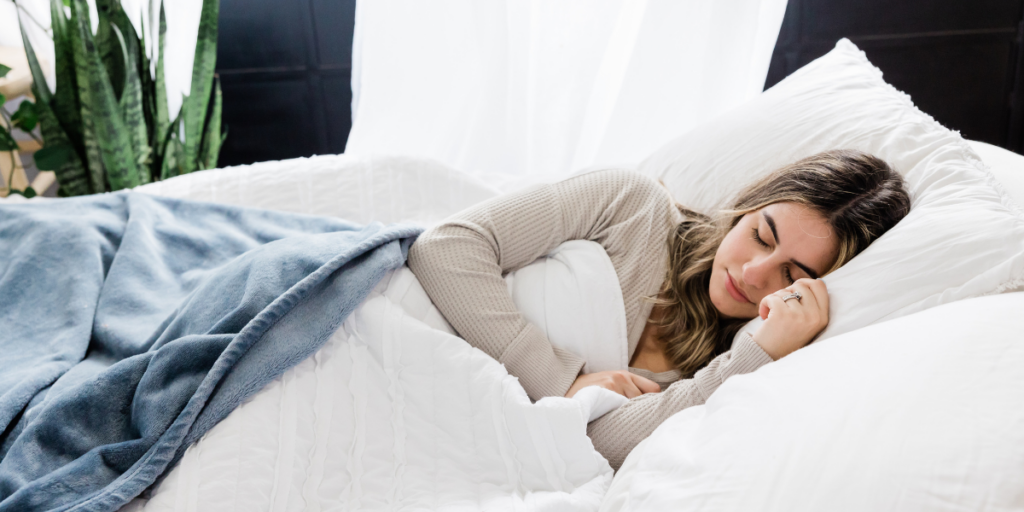
We will take the time to hear the issues that are of concern to our patients, which are fatigue, headaches, and quality of sleep. We realize that oral health is closely related to the overall well-being of the body, and we are determined to consider the full picture of your health needs.
➨ Advanced Dentistry With Comfort and Precision
Modern dental technology is used to improve the comfort and diagnostic accuracy. We offer full services, including preventive care and Invisalign, as well as cosmetic and restorative services. This level of experience can enable us to recognise and treat various causes of your health issues.
➨ Personalized Treatment Plans for Long-Term Health
We also adapt care plans to patients’ needs, lifestyles, and objectives. You may be an ambitious businessperson who wants to find practical solutions, a family on the rise, and needs an organized care approach, or someone in need of complex care. We are determined to offer you a natural appearance that will last a long time and help you stay in good health.
Conclusion
The relationship between sleep apnea, daytime fatigue, brain fog, and morning headaches is significant and well established. These symptoms are not personality weaknesses or natural aging processes; they are symptoms of an illness that can be successfully treated by means of proper intervention.
At Harmony Dental Art, we’re committed to comprehensive, patient-centered care that addresses your oral health within the context of your overall wellness. Contact us today to schedule a consultation and discover how our integrated approach to dental and sleep health can help you reclaim your energy, mental clarity, and vitality.
Frequently Asked Questions About Brain Fog, Fatigue, and Sleep Apnea
Q. Is Brain Fog Associated With Sleep Apnea?
- Yes, sleep apnea is highly related to brain fog. The inability to get enough sleep regularly denies your brain the opportunity to undergo the most important restorative functions, and the recurring asphyxia during the apnea episodes directly affects the cognitive functions. Research indicates that untreated sleep apnea influences attention, memory, executive functions, and speed of processing.
Q. Can Sleep Apnea Cause Daytime Fatigue?
- One of the most common causes of daytime fatigue is sleep apnea. The frequent micro-awakening response to breathing cessation does not allow you to achieve or sustain deeper, restful sleep. Although you can spend sufficient time in bed, the quality of the sleep you get is highly impaired.
Q. Why Am I Always Tired, Have No Energy, and Experience Brain Fog?
- Multiple factors can contribute to persistent fatigue and cognitive difficulties, including sleep apnea, chronic stress, thyroid disorders, anemia, depression, poor nutrition, and a sedentary lifestyle. However, untreated sleep apnea often goes unrecognized for years because people attribute symptoms to aging, busy schedules, or stress.
Q. What Does a Sleep Apnea Headache Feel Like?
- A sleep apnea headache typically presents as a dull, pressure-like pain affecting both sides of the head, often concentrated across the forehead or temples. These headaches are characteristically worse upon waking and tend to improve during the morning hours as normal breathing patterns and blood chemistry normalize. Unlike migraines, sleep apnea headaches rarely involve nausea, light sensitivity, or visual disturbances.