We have long been told that most of us should have a dental check-up every six months. It is repeated so much that it becomes as much a part of the truth as other health commandments hewn in stone. However, the truth is that not everyone should visit the dentist every six months. Actually, that schedule may not be regular enough for some patients, whereas others can safely extend their visits to once each year.
Welcome to the 2026 shift in dental care, where personalized, evidence-based medicine replaces one-size-fits-all guidelines. At Harmony Dental Arts, we believe your dental visit frequency should be tailored to your unique oral health risks, lifestyle factors, and overall wellness—not dictated by an outdated marketing campaign.
The Origin of the 6-Month Rule: Marketing vs. Science
The six-month dental checkup was not the result of rigorous scientific research. Its history can be traced back to advertisement programs at the beginning of the 20th century aimed to make people visit the dentist regularly, as by that time, the majority of the population would visit a dentist only when a toothache appeared. Although the idea was good, to avoid dental disease, instead of treating it, the period was more of a routine than considering the needs of each patient.
In 2026, we know, however, that how often should you visit the dentist is determined by a wide range of factors: the health of your gums, a history of cavities, systemic diseases such as diabetes, orthodontic treatment of the patient, and even the way he or she breathes in bed. Modern dentistry has recognized that an individualized approach is more effective than a schedule.
At Harmony Dental Arts, our philosophy extends beyond traditional checkups. Our services are based on the philosophy of combined care, working on the health of your airways, the quality of your sleep, and orthodontics in addition to your routine dental check-up schedule. This holistic method implies that you are only going to see a dentist based on your overall health picture, as opposed to your teeth.
The 3 Tiers of Dental Visit Frequency (Risk-Based Model)
The first step in knowing is to determine your dental visit frequency to assess your level of risk. We’ve developed a three-tier system that helps patients understand where they fall and why their schedule might differ from their spouse, sibling, or best friend.
➦ Tier 1: High Risk (Every 3-4 Months)
Who falls into this category? High-risk dental patients include those with a history of gum disease, anyone currently wearing braces or Invisalign, diabetics, smokers, and individuals experiencing chronic dry mouth. Most probably, you are in this tier in the event you have had several cavities in the past years or have been diagnosed to have periodontitis.
Why the frequent visits? It has been discovered that unhealthy bacteria in the mouth regenerate every 90 days. In high-risk dental patients, this regeneration of bacteria may rapidly result in inflammation, periodontal recession of the gum, and tooth loss. Professional cleanings every three to four months would break this cycle before significant damage can occur.
In the case of patients who have orthodontic treatment, brackets and wires leave more areas where plaque can build up, and it is almost impossible to keep the optimal oral hygiene with brushing and flossing activities only. The dentist visits for diabetics are important as diabetes weakens the ability of body to resist an infection, and gum disease becomes not only more probable but also more damaging. On the same note, dental visits for smokers should be increased since the use of tobacco blocks the blood supply to the gums, thus concealing the early signs of illness until it is too late.
➦ Tier 2: Average Risk (Every 6 Months)
Who belongs here? The middle level is a group of adult patients with stable gums, no existing gum disease, and possibly an occasional filling. If you maintain good home care, don’t have systemic health conditions affecting your oral health, and have had relatively few dental problems over the years, the traditional six-month schedule likely serves you well.
Why this frequency works: In the case of the average-risk patient, the semi-annual meetings are the most appropriate to prevent the unfocused number of appointments with unnecessary visits and to identify the issues at the initial stages. Such visits get your dental team to observe any minor changes in your oral health, provide professional cleaning that gets rid of calculus buildup that can no longer be removed by your toothbrush, and maintain your insurance benefits (most dental plans cover two cleanings per year).
Even in the case of our average-risk patients at Harmony Dental Arts, our integrated approach is of benefit. During your routine dental check-up schedule, we also test your airway and breathing habits, check whether you have sleep apnea or not, and even determine whether you have a bite that is causing any pain in your jaw or in your head.
➦ Tier 3: Low Risk (Every 9-12 Months)
Who qualifies? This level is saved by the overachievers of the dentist, those patients who have never had a cavity in years, have perfect gums, eat an excellent diet with little sugar and acidic drinks, and show great home care. When you happen to belong to this category, you are a member of a small yet privileged group.
Why less frequent visits work: In actual low-risk patients, it can be safe and appropriate to delay the interval between cleanings to 9 or 12 months. Nevertheless, you must consult your dentist on this matter before making this decision, as he can testify that your dental health actually deserves this long-term plan.
Why Regular Visits Matter
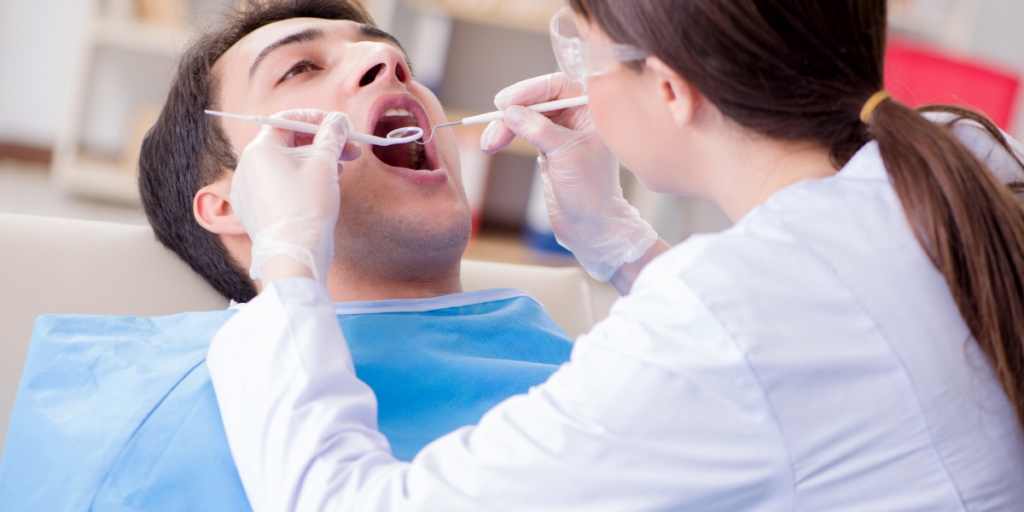
No matter what level you’re at, regular check-ups with the dentist serve several vital roles beyond cleaning your teeth. Professional tests identify issues at the most manageable levels of development, like a small cavity that can be treated by a simple filling instead of a root canal procedure, and inflammation of the gums in their early stages that can be cured through proper home care instead of surgery.
The frequent visits also establish a record of your oral health. This history assists your dental team in locating the slightest shifts that could be the cause of an emerging issue. An example would be the progressive erosion in the enamel, which could indicate acid reflux, and the alteration in the gum lines, which would indicate a change in hormones or inflammation in the body.
The “Hidden” Factors That Change Your Schedule
In addition to the obvious reasons, such as gum disease and cavities, there are other less apparent conditions, which may be major determinants of how often you should visit the dentist.
➨ Sleep Apnea & Mouth Breathing: Dry Mouth Increases Decay Risk

Snorers, those who wake up with a dry mouth, or those diagnosed with sleep apnea, may have to change their dental visit frequency. Why? It is apparent that mouth breathing, either in the sleep or during the day, slows down the saliva flow dramatically. The natural defense mechanism of your mouth is saliva, which is known to cleanse food residues, acidify, and minerals that reinforce enamel.
By keeping your mouth dry, the bacteria that cause cavities multiply, and they increase your chances of getting tooth decay. We do not simply treat the resultant cavities at Harmony Dental Arts; we treat the underlying airway and breathing challenges that cause them. Our combined therapy for sleep apnea can enhance your oral health and overall quality of life.
➨ Orthodontics: Braces Trap Plaque and Require Professional Intervention
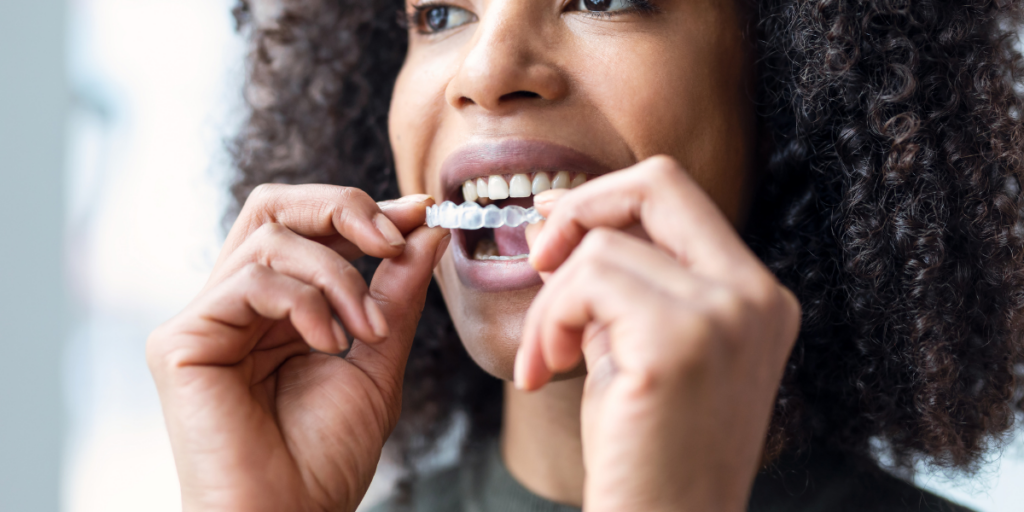
Traditional braces or Invisalign, either way, orthodontics transforms the routine dental check-up schedule. Brackets, wires, and even clear aligners provide more space, the plaque can gather and food particles to be trapped. Even the diligent brushers and flossers would find it challenging to have these areas fully clean.
In orthodontic treatment, cleanings are helpful to the majority of patients who have them every three to four months. These increased visits allow brackets to be surrounded with no white spots (cavities early in development, and enable healthy gums even in the presence of the difficulties of cleaning around orthodontic appliances.
➨ Systemic Health: Pregnancy, Heart Disease, and Diabetes
Your oral health does not exist in a vacuum; it is closely related to your overall health. The pregnancy hormones contribute to the risk of pregnancy gingivitis, a disease that may lead to the health of both the mother and the fetus in case of a lack of treatment. Heart disease patients should be especially attentive to the state of their gums, as the oral bacteria may spread to the blood and cause cardiovascular complications.
Risk-based dental visits take these systemic factors into account. At Harmony Dental Arts, we coordinate with your other healthcare providers to ensure your dental care supports your overall health goals. This collaborative approach is particularly important for managing complex conditions like diabetes, where optimal blood sugar control and optimal oral health support each other.
Why Harmony Dental Arts Suggests a Personalized Dental Visit Schedule
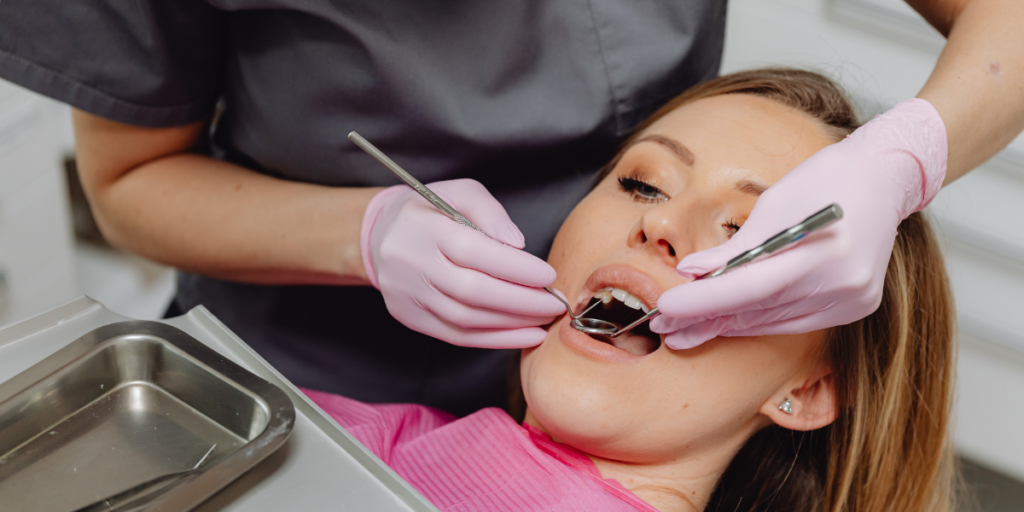
At Harmony Dental Arts, we’ve moved beyond the outdated six-month rule because we’ve seen firsthand how personalized care produces better outcomes. A more rigorous consideration of your unique risk factors in terms of gum health history, cavity account, systemic disorders, orthodontic conditions, airway well-being, and lifestyle decisions can allow us to prescribe a dental visit frequency that actually acts in your favor.
Our integrated approach means we’re not just looking at your teeth in isolation. We’re considering how your sleep quality affects your oral health, how your breathing patterns influence your dental development, and how your jaw position impacts both your smile and your overall comfort. This comprehensive perspective allows us to catch problems earlier and often prevent them entirely.
Conclusion
The question “how often should you visit the dentist” doesn’t have a universal answer, and that’s actually good news. It implies that you can have your dental health plan designed to your specific requirements instead of being on some random schedule that was created a hundred years ago to be sold.
At Harmony Dental Arts, we’re committed to this personalized approach. We would like to plan a full-fledged assessment in our Clifton, NJ, or NYC Midtown office and evaluate your risk factors, talk about your health objectives, and work out a routine dental check-up schedule that would suit your life.
Ready to discover your ideal dental visit frequency? Contact us today.
Frequently Asked Questions
Q. Can I go once a year if I brush well?
Excellent home care is essential, though it is not the whole picture. Brushing and flossing as much as you can, you cannot get the calculus (hardened plaque) as soon as it is formed, and you cannot even see every spot in your mouth where something can be happening. In case you do not really have any risk factors, i.e., no history of cavities or periodontal disease, no systemic diseases, a great diet, and good home care, a visit once a year could be suitable, but this decision is to be made with your dentist in the aftermath of the risk evaluation. The majority of patients will find at least semi-annual check-ups to identify the issues at the earliest stage, when they are the simplest and least costly to address.
Q. Do dental implants need cleaning?
Absolutely. Although dental implants are not cavity-forming, the surrounding gum tissue and bone can become infected, a process known as peri-implantitis, and may result in implant failure. As a matter of fact, patients with dental implants usually require more frequent professional cleanings than they did with natural teeth, since implants may be prone to bone loss in the event of inflammation. Depending on how well you are taking care of your implant and the health of the surrounding tissues, your dentist will advise a dental visit frequency.
Q. Does insurance cover 3 cleanings a year?
Most conventional dental insurance plans include two cleanings per year as a preventive measure. Nevertheless, when you are diagnosed with periodontal disease, most plans will cover more cleanings (also referred to as periodontal maintenance) as medically needed, not as preventive care. Our team at Harmony Dental Arts assists you in getting to know your insurance coverage and benefits. In case you are a high-risk dental patient and would benefit from having more dental visits, we will collaborate with you to make such services affordable, this may be through insurance coverage, flexible payment, or even a dental membership.