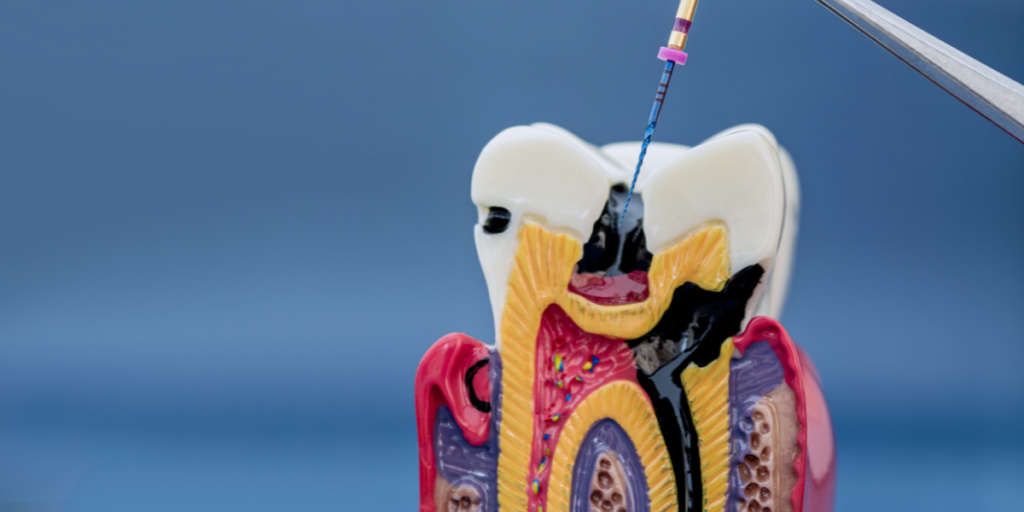
When a Root canal tooth hurts when biting, the discomfort may come from the restoration, the remaining tooth structure, or infection around the root. Three common possibilities are a bite that is too high, a crack in the tooth, or an infection that has not fully resolved or has returned. Each can create a different pain pattern, although symptoms may overlap.
That overlap is why an examination matters. The dentist must determine whether the tooth needs a bite adjustment, a new restoration, monitoring, or root canal retreatment. Pain timing, pressure triggers, and the condition of the tooth and restoration help guide that decision.
Is Pain When Biting Normal After a Root Canal?
Mild tenderness can occur while tissues around the root recover. The original infection, canal complexity, and timing of the permanent restoration can affect recovery. Expected discomfort should gradually improve. Monitor pain when biting after root canal treatment rather than assuming it’s normal. A tooth that becomes easier to chew on follows a different pattern from one that stays painful or worsens again.
What normal post-treatment tenderness may feel like
Normal recovery may include:
- Mild pressure sensitivity when chewing.
- Tenderness around the treated tooth or nearby gum.
- A bruised sensation that improves over several days.
- Discomfort that becomes less noticeable each day.
The key feature is steady improvement.
When ongoing pain should be re-evaluated
A root canal tooth that still hurts to chew deserves re-evaluation when the discomfort is not easing as expected. Arrange a review if:
- The tooth remains too painful to chew on.
- Pain improves and then returns.
- Pressure sensitivity continues beyond the expected recovery period.
- The discomfort becomes sharper, deeper, or more constant.
- Swelling, drainage, fever, or a bad taste develops.
What Could Be Causing Pain When Biting?
High Bite
Pain when biting after treatment may happen if a filling or crown feels too high and puts extra pressure on the tooth.
Hidden Crack
Sharp pain while biting or releasing pressure may indicate a crack affecting the tooth structure.
Persistent Infection
Ongoing pain, swelling, or tenderness may suggest a lingering infection requiring evaluation.
Could the tooth’s bite be too high?
A treated tooth may contact the opposing teeth earlier or more heavily than neighboring teeth. A high bite after root canal treatment can compress the periodontal ligament around the root, leaving it bruised even though the nerve tissue inside the tooth has been removed. This phenomenon is often noticed after a filling or crown. A root canal after filling placement may feel taller or hit first when the mouth closes. Pain after permanent filling root canal work may therefore reflect excessive contact.
Schedule Your Visit with a Trusted Dental Team
Taking the next step toward better oral health starts with a simple conversation. Our experienced team is ready to answer your questions and help you plan your treatment with confidence.
Why a high filling or crown causes pain
When a restoration sits slightly high:
- The treated tooth absorbs more pressure than surrounding teeth.
- Repeated contact keeps the supporting ligament irritated.
- Even a small height difference may feel significant during chewing.
- Clenching or grinding can make the soreness more noticeable.
People sometimes search for NHS root canal pain when biting a high filling for this pattern. A bite assessment is still needed because symptoms alone cannot confirm the cause.
Could the Root-Canal-Treated Tooth Be Cracked?
Root canal treatment removes infected tissue, but it does not repair fractures. Extensive decay, a large previous filling, or lost internal structure can increase fracture risk. A cracked tooth after root canal treatment becomes a concern when pain is sharp, inconsistent, or triggered by a specific chewing angle. Some cracks stay in the crown; others extend into the root. Depth and location affect restorability.
Why a cracked tooth hurts during chewing
A crack may hurt because
- Pressure allows fractured sections to move slightly.
- Movement irritates the ligament and tissues around the tooth.
- Fluid can shift within microscopic spaces in the crack.
- Pain may appear suddenly even when the tooth feels normal at rest.
This pattern may not occur with every bite, so describe exactly when it starts.
Could an Infection Still Be Present After Root Canal Treatment?
Root canal treatment is intended to remove bacteria and seal the canal system, but internal anatomy can be complex. A persistent infection after root canal treatment may result from a missed canal, resistant bacteria, leakage, new decay, or another route for bacteria to enter the tooth. A treated tooth can become reinfected months or years later. Pain alone does not confirm infection, so the restoration, gums, and imaging must also be assessed.
Why infection may remain after treatment
Possible reasons include the following:
- A narrow, curved, or hidden canal was difficult to locate.
- Bacteria remained in microscopic branches that were difficult to access.
- The original infection extended into surrounding bone.
- The canals were difficult to clean or seal fully.
- A complex root shape limited access during treatment.
Similar symptoms can also come from a bite problem or crack.
What Treatment May Be Recommended Once the Cause Is Identified
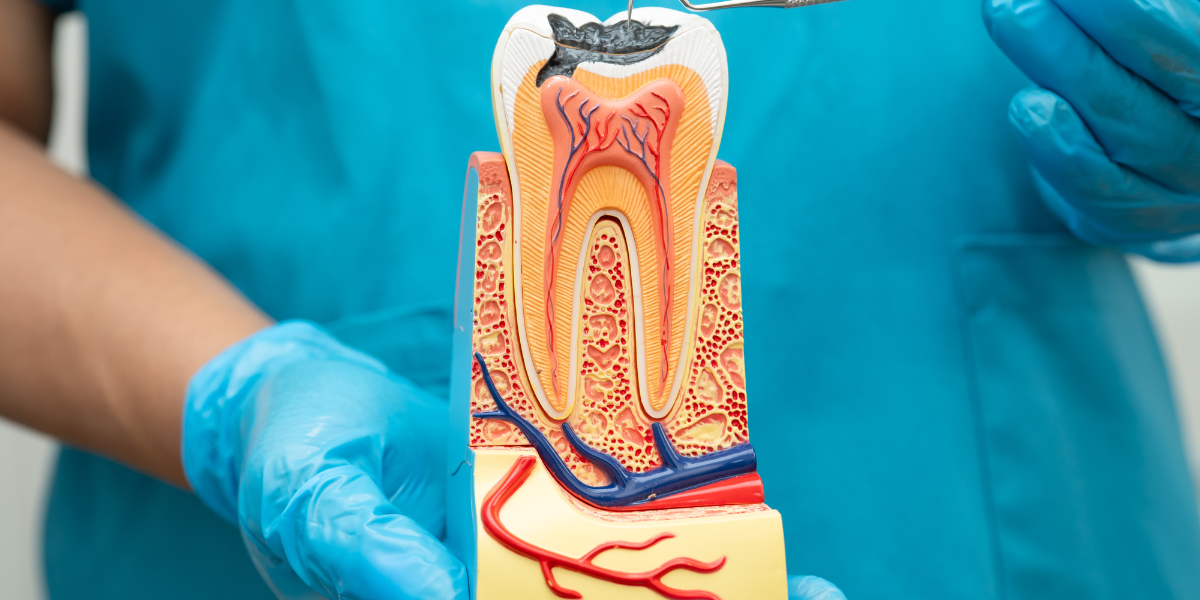
Treatment should address the confirmed cause rather than automatically repeating the root canal. Some problems need only conservative care, while others require restorative or endodontic treatment. Remaining tooth structure and restorability also influence the recommendation. If a Root canal tooth hurts when biting, the dentist may check the bite, restoration, tooth, gums, and root area before recommending treatment. This helps separate a correctable bite issue from a structural or infection-related problem.
Treatment for an uneven bite
Treatment may include:
- Minor adjustment of the filling or crown.
- Smoothing and polishing the restoration.
- Monitoring the supporting ligament while inflammation settles.
- Reviewing clenching or grinding when relevant.
- Further diagnostic testing if pain continues.
A high bite after root canal treatment may improve after excessive contact is corrected, though the ligament may need time to recover.
When Root Canal Retreatment May Be Considered
Retreatment reopens the tooth, removes previous root-filling material, and disinfects the canals again. Consider it when clinical findings or imaging support persistent or recurrent infection. Brief tenderness or a high bite alone does not justify it. Root canal retreatment symptoms matter when supported by examination findings. Identify the cause of poor healing before treating the canals again.
Findings that may support retreatment
Possible findings include the following:
- A missed or untreated canal.
- Incomplete cleaning or filling of the canal system.
- Persistent changes around the root on imaging.
- Recurrent swelling, drainage, or a gum boil.
- Leakage beneath a crown or filling.
- Symptoms that remain after bite-related and crack-related causes have been evaluated.
Schedule Your Visit with a Trusted Dental Team
Taking the next step toward better oral health starts with a simple conversation. Our experienced team is ready to answer your questions and help you plan your treatment with confidence.
What You Should Do While Waiting for an Appointment
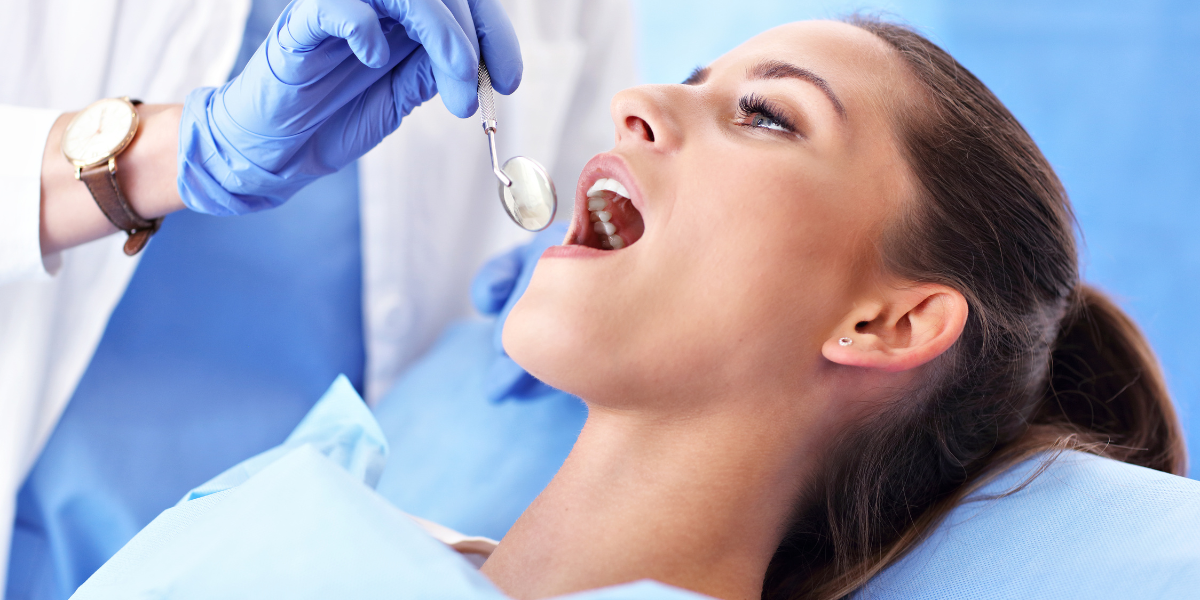
Avoid repeatedly biting on the tooth to test it. Temporarily chew on the opposite side and choose softer foods. Continue gentle brushing and flossing. Use pain medication only as directed by a professional and on the label. Never try to file down a filling or crown at home. If a root canal tooth still hurts to chew, note when it occurs and what pressure triggers it.
Can a Crown Prevent Problems After Root Canal Treatment?
Root-canal-treated back teeth can lose strength because of decay, old fillings, and access from treatment. A crown or other cuspal-coverage restoration may reduce fracture risk by protecting weakened areas. A crown cannot repair every deep crack or remove existing infection. Fit, sealing, and bite balance still matter. A root canal after filling or crown placement needs review when discomfort does not improve.
Why the remaining tooth structure matters
The condition of the tooth affects restoration planning:
- Teeth with large previous fillings may have thin or unsupported walls.
- Back teeth absorb substantial chewing pressure.
- Delaying the final restoration may leave the tooth vulnerable to fracture.
- The most suitable restoration depends on the tooth’s location and remaining structure.
A cracked tooth after root canal treatment must be assessed for fracture extent and remaining restorable structure.
Schedule Your Visit with a Trusted Dental Team
Taking the next step toward better oral health starts with a simple conversation. Our experienced team is ready to answer your questions and help you plan your treatment with confidence.
Questions Patients Commonly Ask About Pain After a Root Canal
Why does my root canal tooth hurt only when I bite?
Pain during biting can come from excessive contact, movement at a crack, or pressure around an infected root. Timing and the character of the pain help guide testing, but they cannot confirm the cause. Pain when biting after root canal treatment is a symptom to investigate. Dull bruising, sharp pain on biting or release, and deeper aching with swelling can point in different directions.
Can a high filling cause severe chewing pain?
Repeated excessive contact can bruise the ligament and make chewing painful. Even a slight height difference can concentrate force. The search phrase NHS root canal pain when biting high filling reflects this concern. Persistent symptoms still require assessment for cracks or infection.
Will adjusting a high crown provide immediate relief?
Removing excessive contact may reduce pressure quickly, but the ligament can take several days to recover. Reassessment is needed if pain does not improve. Pain after permanent filling root canal treatment should also be reviewed when symptoms continue despite a balanced bite.
Finding Evaluation and Root Canal Care in Clifton
If you are looking for a root canal in Clifton, choose a dental office that evaluates the tooth, bite, crown or filling, and surrounding tissues together. Persistent chewing pain needs a diagnosis before recommending another procedure. Patients seeking root canals in Clifton, NJ, can ask about follow-up care, restoration planning, and specialist coordination. Bring previous X-rays, treatment records, and symptom timing. Seek prompt care if pain persists, swelling develops, or you have trouble eating normally.
How We Evaluate a Painful Root-Canal-Treated Tooth at Harmony Dental Arts

At Harmony Dental Arts, we ask when the pain started, what triggers it, and whether it began before or after a filling or crown. We check for heavy contact, signs of cracking, and changes in the surrounding tissues. When a Root canal tooth hurts when biting, we assess it within the patient’s overall bite and restorative condition. Our Clifton team determines whether the next step may be bite adjustment, restorative care, monitoring, retreatment, or specialist evaluation and explains the reason for the recommendation.
How we compare the three most likely causes
Our evaluation may include:
- Checking whether a suspected high bite meets the opposing teeth first and feels dull or bruised.
- Testing individual cusps when a crack is suspected, especially if release triggers sharp pain.
- Checking for swelling or drainage and reviewing the root area when infection is possible.
- Considering whether two problems may be present together.
Root canal retreatment symptoms are interpreted alongside these findings, not as proof by themselves.
Conclusion
When a Root canal tooth hurts when biting, the main possibilities discussed here are a high bite, a cracked tooth, or persistent infection. Dull soreness when the teeth meet may suggest bite pressure, sharp pain on biting or release may suggest a crack, and deeper aching with swelling or drainage may raise concern for infection. These patterns can help narrow down the cause, but they cannot confirm it without an examination. If the pain is persistent, worsening, affecting normal chewing, or accompanied by swelling, it is worth having the tooth checked. For patients in Clifton who are unsure why a treated tooth is still uncomfortable, The Team evaluate the bite, restoration, tooth structure, and surrounding tissues to determine what may be causing the problem and what the next step should be. Contact Harmony Dental Arts to arrange an appointment if the discomfort is not improving.