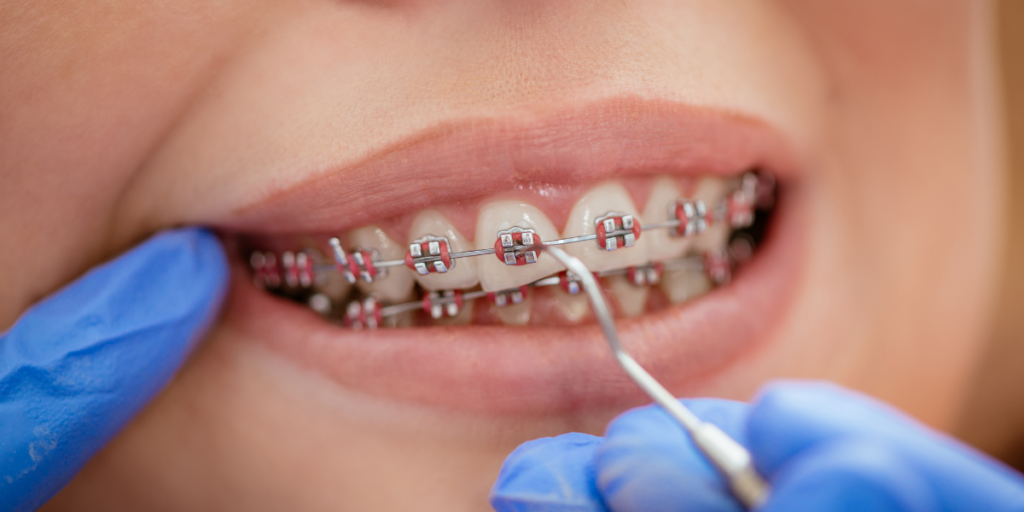
Plenty of adults feel like they’ve missed their window to get straighter teeth. Braces might feel like a teen thing, but crowding, gaps, shifting teeth, and bite problems don’t disappear after a certain birthday. Age alone is rarely a barrier to treatment. The real question is whether the teeth, gums, supporting bone and bite are healthy enough to withstand controlled movement without damage. Existing dental work may also play a role in the treatment plan, including crowns, implants, or missing teeth.
The question is, can the teeth, gums, supporting bone, and bite take safe, controlled movement. An orthodontist in Clifton, NJ, can determine if braces, clear aligners, preparatory dental care, or another plan makes sense. Before recommending an appliance, X-rays, photographs, and scans, and a review of prior treatment may be required.
Can adults get braces at any age? Adults of many ages can get braces if they have healthy gums, stable teeth, and enough bone to support movement. Active gum disease, untreated decay, infection, or structural concerns may need to be addressed first.
Can You Be Too Old for Braces?
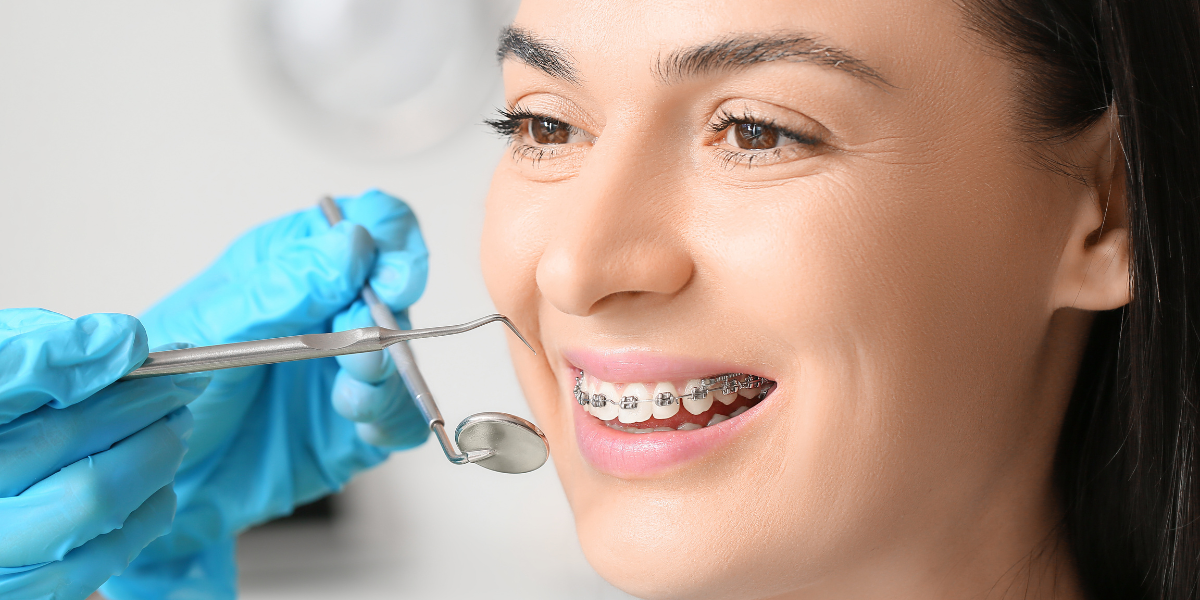
Braces are not too old for most adults. Pressure can move teeth if it is applied carefully and with planning, but treatment may be different once jaw growth is finished. Clinical readiness is more than age. Your provider will check the health of your gums, bone support, decay, tooth stability, bite relationships, and any prior dental work. Crowns, bridges, missing teeth, and implants can change the plan. e.g., an implant does not move like a real tooth so surrounding movement has to be planned around it.
Why Are More Adults Visiting an Orthodontist in Clifton?
Adults often seek care after teeth become harder to clean, a bite feels uneven, or earlier results begin to shift.
Adults Want Better Alignment, Function, and Appearance
A straighter smile can help a person feel more comfortable in photos, meetings or social settings. But appearance is not the only reason. Adults might wish to correct movement due to inconsistent retainer use, prepare for restorative work, or reduce areas where food repeatedly catches. It should be a consultation about the position of the teeth and the bite as they are, not promising a particular cosmetic or emotional outcome.
Schedule Your Visit with a Trusted Dental Team
Taking the next step toward better oral health starts with a simple conversation. Our experienced team is ready to answer your questions and help you plan your treatment with confidence.
Crowding and Bite Problems Can Affect Daily Care
Crowded teeth create tight spaces that are difficult to brush and floss. Uneven contact, worn edges, cheek biting, and hard-to-clean surfaces are all problems that can arise from bite problems. Orthodontic treatment can contribute to overall dental wellness in Clifton when paired with cleanings, gum care, crowns, implants, or bridges.
What Dental Problems Can Adult Braces Address?
Braces in Clifton may address:
- Crowded or overlapping teeth
- Gaps that retain food or affect smile balance
- Rotated, tilted, or protruding teeth
- Overbite, underbite, crossbite, or open bite
- Shifting after previous braces
- Tooth positioning before restorative treatment
Two people may have similar-looking crooked teeth yet need different plans. Root position, gum health, bone support, and bite relationships are not visible in a mirror.
Common bite terms: An overbite is when the front teeth overlap too much vertically. An underbite puts the lower teeth in front of the upper teeth. A crossbite is when some of the upper teeth bite inside the lower teeth. An open bite leaves a gap when other teeth come together.
Are Braces Different for Adults Than for Teenagers?
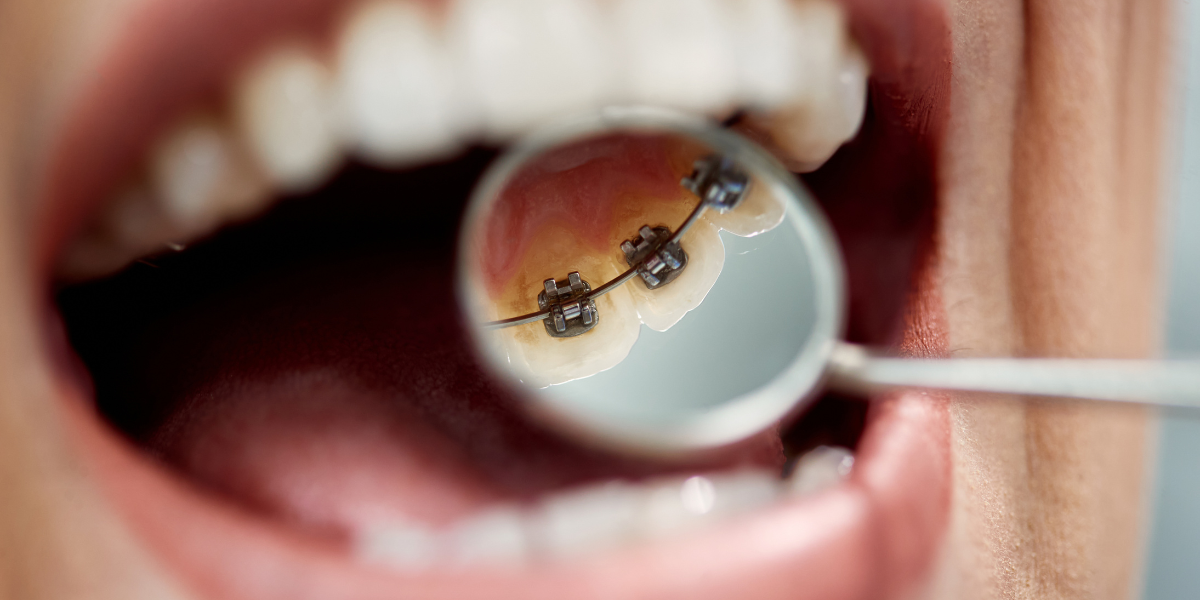
The goal is similar: move teeth into planned positions. Adult care often requires a wider review of dental history and existing restorations.
Adult Treatment Requires a Broader Evaluation
Fillings, crowns, implants, missing teeth, gum recession, worn enamel or previous procedures are more common in adults. These details impact where teeth should be moved and what appliances are appropriate. Gum health and bone levels should also be assessed before starting treatment. Braces in Clifton should begin with records and a diagnosis, not just a judgment based on how crowded the teeth appear.
Treatment Time Depends on Complexity
How long you need treatment depends on how crowded your teeth are, whether you need to correct your bite, how far the teeth have to move, the type of appliance you use, the health of your teeth and gums, and how well you follow instructions. Progress can be slowed down by poor appliance care or uneven wear. After examination, a useful estimate is obtained, and this may be modified as treatment progresses.
Schedule Your Visit with a Trusted Dental Team
Taking the next step toward better oral health starts with a simple conversation. Our experienced team is ready to answer your questions and help you plan your treatment with confidence.
Adult Braces vs. Clear Aligners: Which May Be Better?
The better choice is the appliance that can address the required movement while fitting the patient’s habits.
Traditional Braces
Brackets and wires stay attached throughout treatment, so progress does not depend on remembering daily wear. Braces may provide strong control for complex rotations, significant crowding, and certain bite problems. Harmony Dental Arts offers metal and clear brace options. Possible drawbacks include visibility, temporary soreness, food restrictions, and detailed cleaning around brackets.
Clear Aligners
Clear aligners are removable trays that appeal to adults who prefer a less noticeable option. They come out for meals and brushing, but require consistent wear. Aligners may suit many mild or moderate concerns, but they are not ideal for every bite. Searching for a clear aligners orthodontist near me should lead to an in-person assessment of the teeth, roots, gums, bone, and bite. Convenience alone cannot determine suitability.
| Decision factor | Traditional braces | Clear aligners |
| Visibility | More noticeable | Less noticeable |
| Removability | Fixed | Removable |
| Compliance | Less dependent on memory | Consistent wear required |
| Eating | Some restrictions | Removed for meals |
| Cleaning | Clean around brackets | Clean teeth and trays |
| Complex movement | Often suitable | Case-dependent |
Key takeaway: Select the option that can predictably manage the bite and alignment concern, not simply the option that looks less noticeable.
What Should Adults Expect Before Getting Braces in Clifton?
The first appointment should produce a diagnosis, not a sales pitch. The provider should review medical and dental history, earlier orthodontic treatment, symptoms, oral hygiene, gum condition, restorations, tooth alignment, and bite relationships.
Comprehensive Assessment
Records may contain digital X-rays, photographs, impressions or an intraoral scan. If you have untreated decay, infection, broken teeth, or active gum disease, you may need to have those addressed before your appliance can be placed.
Personalized Treatment Discussion
The provider should explain the diagnosis, which teeth need movement, and why an appliance is recommended. Useful questions include:
- What problem are we treating?
- Why are braces or aligners appropriate?
- Is dental work needed first?
- What could delay progress?
- What retention will be required?
A search for a clear aligners orthodontist near me may start the process, but records and clinical judgment should shape the plan.
What Is It Like to Wear Braces as an Adult?
Most adults continue working, traveling, and socializing during treatment.
Comfort and Daily Life
Pressure or soreness may occur after braces are placed or adjusted. Soft foods and careful chewing can help briefly. Orthodontic wax may reduce irritation from brackets. Severe, persistent, or unusual pain should be reported. Fixed braces require avoiding foods likely to bend wires or loosen brackets. A small dental care kit is useful at work or while traveling.
Cleaning Teeth With Braces
Brackets and wires add surfaces where plaque and food collect. Patients may need floss threaders, interdental brushes, a water flosser, or other recommended tools. Professional cleanings remain important. Poor cleaning can contribute to inflammation, cavities, and treatment delays. Orthodontics works best as part of ongoing dental wellness in Clifton, not as a separate cosmetic project.
When Might Braces Need to Be Delayed?
Active gum disease, uncontrolled inflammation, poor bone support, untreated cavities, infection, broken teeth or poor oral hygiene that cannot be safely supported by appliances may delay treatment. Careful sequencing may also be required for planned crowns, implants, extractions or other restorative work.
Braces can still be applied despite a delay. It might mean the mouth has to stabilize first. Schedule an evaluation for crowding, spacing, drifting or bite problems. Expect preparatory care if active disease can interfere with treatment.
What Happens After Adult Orthodontic Treatment?
Retention is part of therapy. Teeth move after braces or aligners. Retainers help hold teeth in new positions as surrounding tissues adjust. Retainers can be removable, fixed, or combined. Long-term wear may be recommended to maintain the result. And regular checkups and cleanings, along with home care, are important to maintain your new smile. If you want crowns, implants, or bridges in the future, they need to be planned according to the new tooth positions. Great retention helps ensure long-term dental wellness in Clifton.
Schedule Your Visit with a Trusted Dental Team
Taking the next step toward better oral health starts with a simple conversation. Our experienced team is ready to answer your questions and help you plan your treatment with confidence.
Is Adult Orthodontic Treatment Worth It?
Value depends on the problem, expected benefit, oral health, budget, and willingness to follow instructions. Possible benefits include improved alignment, bite function, and easier cleaning. Treatment also requires appointments, careful hygiene, appliance maintenance, and retainer wear.
Consider one adult with mild front-tooth crowding who can wear aligners consistently, and another with a rotated tooth plus a complex bite. The first may suit aligners, while the second may benefit from fixed braces. Adults should judge orthodontic care by their dental needs and commitment, not the belief that braces belong to a particular age group.
Why Choose Harmony Dental Arts for Adult Orthodontic Care?
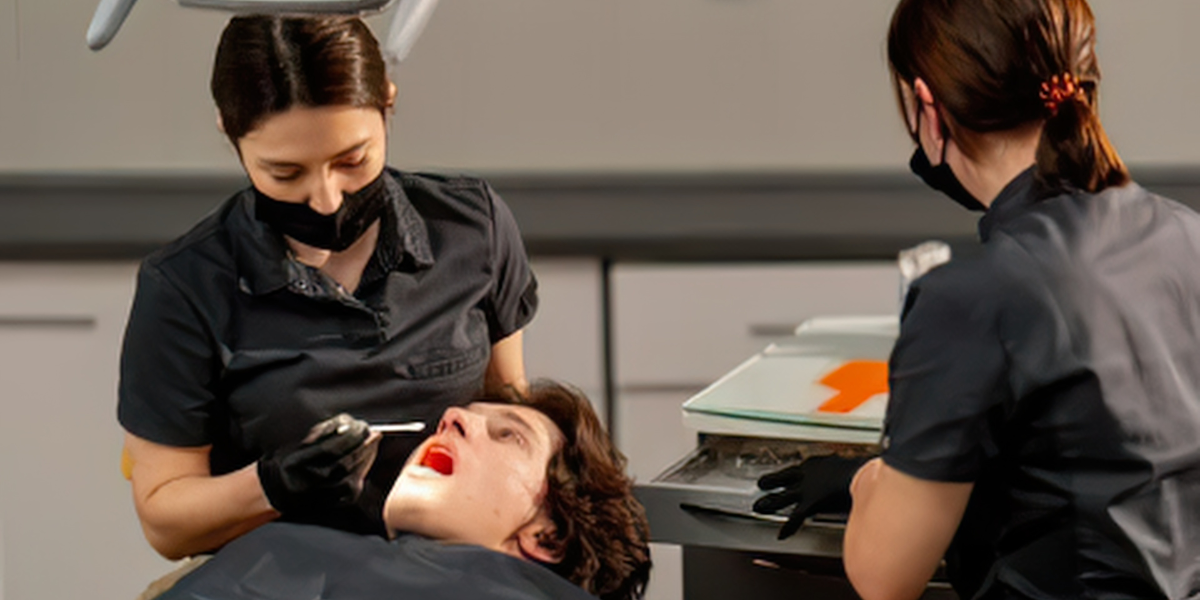
Harmony Dental Arts provides orthodontic evaluations, metal braces, clear braces, Invisalign, retainers, and treatment for common bite concerns. The team can review alignment, gum health, existing dental work, and personal goals before discussing options. Patients seeking braces in Clifton can use the consultation to understand the diagnosis, likely stages, responsibilities, and retention needs. The team also explains each stage of treatment, including adjustment appointments, oral hygiene responsibilities, dietary recommendations, and the importance of wearing retainers after active treatment. This personalized approach helps patients make informed decisions and choose an orthodontic solution that fits their dental needs, lifestyle, and budget.
A useful consultation should clearly explain: what is happening with the teeth and bite, why treatment may help, which options are appropriate, and what maintaining the result will require.
Conclusion
Age alone rarely determines whether you can get braces. Your gum health, bone support, tooth condition, bite, and commitment to oral hygiene are far more important. Both traditional braces and clear aligners can address adult alignment concerns, but the right option depends on a professional evaluation. If you have delayed treatment because of your age, contact Harmony Dental Arts to schedule a consultation with an orthodontist in Clifton, NJ. The team can assess your smile, explain suitable treatment options, and help you take the next step toward better alignment and dental health.