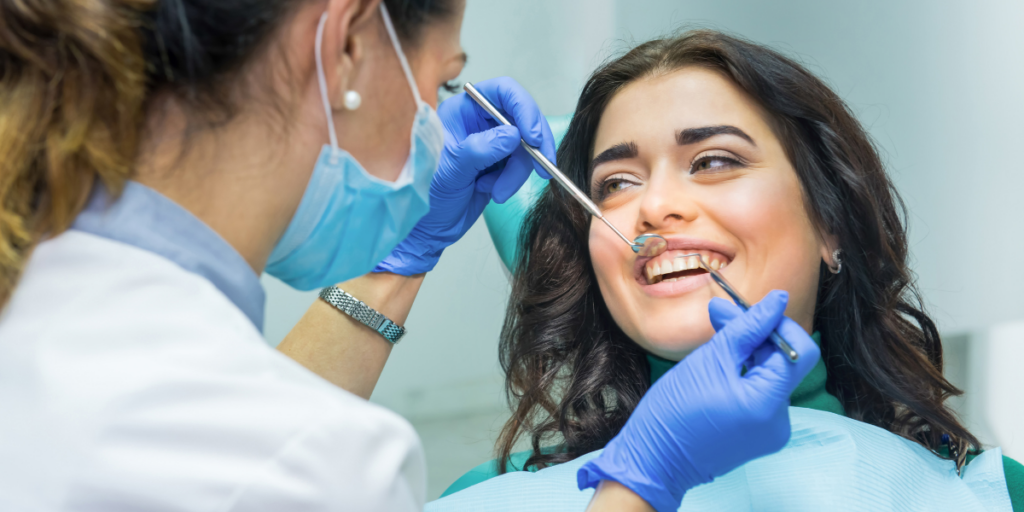
Two people can have teeth that look similarly yellow or dark but need completely different treatments. The reason is that tooth discoloration can develop on the outer surface or within the tooth structure itself. For patients considering teeth whitening in Clifton, understanding the cause of discoloration is essential for choosing the right option. Surface stains from coffee, tea, wine, tobacco, and plaque often respond well to cleaning and whitening. Deeper stains within enamel or dentin may require a more personalized approach because the results depend on the cause. At Harmony Dental Arts, we focus on identifying why teeth look discolored before recommending cosmetic treatment. This helps patients understand whether cleaning, whitening, or another solution may better match their goals.
Which types of stains respond best to teeth whitening in Clifton?
The best whitening approach depends on where the discoloration starts.
Short answer
Extrinsic stains develop on the tooth surface and often respond well to professional cleaning and whitening. Intrinsic stains develop inside the tooth and may respond to professional bleaching, but results depend on factors such as aging, medications, fluorosis, trauma, or other causes.
| Type of discoloration | Where it occurs | Common causes | Common first step |
| Extrinsic | Tooth surface | Coffee, tea, wine, tobacco, plaque | Cleaning or whitening evaluation |
| Intrinsic | Enamel or dentin | Aging, medication, trauma, fluorosis | Dental evaluation and whitening assessment |
| Mixed | Surface and internal tooth structure | Combination of lifestyle and natural changes | Cleaning followed by cosmetic evaluation |
A brighter smile does not always require the strongest whitening treatment. Identifying the stain type first can help prevent unrealistic expectations and unnecessary procedures.
What are extrinsic tooth stains?

Extrinsic stains affect the outside of the tooth. They are often linked to daily habits and buildup that collects over time.
Why coffee, tea, wine, tobacco, and plaque cause surface stains
Common causes of surface discoloration include:
- Coffee and tea consumption
- Red wine
- Tobacco products
- Dark-colored foods
- Plaque buildup
- Tartar accumulation
These stains can make teeth appear yellow, brown, or darker, especially when plaque collects in areas that are harder to clean.
Schedule Your Visit with a Trusted Dental Team
Taking the next step toward better oral health starts with a simple conversation. Our experienced team is ready to answer your questions and help you plan your treatment with confidence.
The severity of staining depends on several factors:
- How frequently staining foods and drinks are consumed
- Oral hygiene habits
- Natural enamel characteristics
- Amount of plaque buildup
- Lifestyle habits
When professional teeth cleaning in Clifton may be enough
Some discoloration is caused mainly by surface buildup rather than a change in the natural color of the tooth.
A professional teeth cleaning in Clifton can help remove:
- Plaque
- Hardened tartar
- Certain surface stains
- Buildup around the gumline
Cleaning and whitening serve different purposes. Cleaning removes deposits and external staining, while whitening uses professional whitening agents to lighten tooth color. Patients interested in dental wellness Clifton care often begin with preventive services because a healthy foundation supports better cosmetic results.
What are intrinsic tooth stains?

Intrinsic stains occur within the tooth rather than sitting only on the surface. Because the discoloration is deeper, brushing or polishing alone cannot remove it.
Common reasons teeth become discolored from within
Internal discoloration may result from:
- Natural aging
- Certain medications during tooth development
- Fluorosis
- Tooth trauma
- Changes inside the tooth
- Developmental factors
As people age, enamel can become thinner and more translucent. This allows the naturally darker dentin beneath the enamel to influence the overall appearance of the tooth.
Intrinsic stains may appear:
- Yellow
- Gray
- Brown
- White-spotted
- Uneven between teeth
- Limited to one tooth
The cause matters because different types of discoloration respond differently.
Why intrinsic stains can be harder to whiten
Professional whitening works by using peroxide-based ingredients that interact with tooth structure. However, not every internal stain responds in the same way.
Some intrinsic discoloration may improve with whitening, while other cases may require:
- Longer treatment periods
- Alternative cosmetic options
- Additional evaluation
A dental professional can help determine whether whitening is likely to provide the expected result.
Cleaning vs. whitening: Which treatment does your stain actually need?
Choosing between cleaning and whitening depends on what is causing the color change.
Choose dental cleaning first when surface buildup is the main issue
A dental cleaning in Clifton may be the best starting point when staining is connected to plaque, tartar, or external deposits.
Cleaning can:
- Improve the appearance of stained teeth
- Reveal the natural tooth shade
- Support gum health
- Allow a clearer cosmetic evaluation
Regular preventive visits are also part of maintaining dental wellness Clifton because they help identify concerns before they become more complicated.
Consider professional whitening when natural tooth shade is the concern
After buildup and surface stains are addressed, remaining discoloration may respond to professional whitening.
Harmony Dental Arts evaluates factors such as:
- Tooth sensitivity
- Existing dental work
- Gum condition
- Desired results
- Type of discoloration
Patients exploring Clifton, NJ, teeth whitening should understand that whitening results depend on the condition of the teeth and the source of the stain.
Schedule Your Visit with a Trusted Dental Team
Taking the next step toward better oral health starts with a simple conversation. Our experienced team is ready to answer your questions and help you plan your treatment with confidence.
Treatment decision guide
Cleaning may be the better option when:
- Plaque or tartar is present
- Surface stains are the main concern
- Teeth have not been professionally cleaned recently
Whitening may be a better option when:
- Teeth are healthy
- The natural shade feels too dark
- Surface buildup has already been removed
An evaluation should come first when:
- One tooth suddenly changes color
- Teeth are painful
- Whitening has repeatedly failed
- There are cracks or other concerns
In-office whitening vs. custom take-home trays

In-office whitening
In-office whitening may be suitable for patients who want dentist-supervised treatment and faster visible changes.
Before treatment, the dentist evaluates:
- Cavities
- Cracks
- Gum health
- Existing restorations
- Sensitivity concerns
A faster appointment does not mean it is automatically the right option for every person. The stain type and overall oral condition still determine the best approach.
Custom take-home whitening trays
Custom trays allow patients to whiten gradually at home with dentist-provided guidance.
Benefits may include:
- Personalized fit
- Flexible scheduling
- Gradual whitening
- Professional supervision
Patients considering teeth whitening options in Clifton, NJ, may prefer take-home trays for a slower approach that fits their routine.
| Factor | In-office whitening | Custom take-home trays |
| Location | Dental office | Home with guidance |
| Speed | Faster visible results | Gradual results |
| Supervision | Direct dentist oversight | Dentist-planned treatment |
| Best fit | Patients wanting quicker changes | Patients wanting flexibility |
Why oral exams should come before whitening
Whitening should begin with understanding the reason behind discoloration.
A dark tooth is not always a cosmetic stain
A single tooth becoming gray, brown, or darker than surrounding teeth may require evaluation.
Possible causes can include:
- Trauma
- Internal tooth changes
- Decay
- Previous dental treatment
Scheduling oral exams in Clifton allows the dental team to evaluate the tooth structure, gums, enamel, and overall oral condition before recommending cosmetic care.
Cavities, cracks, gum problems, and sensitivity matter
Whitening may temporarily increase sensitivity, especially when existing concerns are present.
Before treatment, the dentist may review:
- Tooth sensitivity history
- Gum recession
- Existing restorations
- Enamel condition
- Overall oral health
Regular oral exams in Clifton also help ensure cosmetic treatments are performed when teeth and gums are ready.
What whitening cannot change: Crowns, veneers, and fillings
Professional whitening affects natural tooth structure. It does not change the color of restorations such as
- Crowns
- Veneers
- Composite fillings
If visible restorations were created to match a previous tooth shade, whitening natural teeth afterward may create a color difference. This is why treatment planning matters. Patients considering future cosmetic dentistry should discuss whitening timing before placing new visible restorations.
Schedule Your Visit with a Trusted Dental Team
Taking the next step toward better oral health starts with a simple conversation. Our experienced team is ready to answer your questions and help you plan your treatment with confidence.
How long will whitening results last?
Whitening does not prevent future staining permanently. Lifestyle habits can influence how long results remain noticeable.
To maintain a brighter smile:
- Brush consistently
- Floss regularly
- Schedule preventive visits
- Limit frequent exposure to staining foods and drinks
- Maintain professional teeth cleaning in Clifton appointments
A professional teeth cleaning in Clifton can help control new surface buildup that affects smile appearance. Results vary depending on diet, oral hygiene, enamel characteristics, and whitening method.
How Harmony Dental Arts personalizes teeth whitening in Clifton

At Harmony Dental Arts, we first evaluate why teeth appear discolored before recommending whitening treatment.
Our approach considers:
- Surface staining
- Natural tooth shade
- Internal discoloration
- Existing dental work
- Sensitivity concerns
- Overall oral health
For patients considering Clifton, NJ, teeth whitening, we help determine whether cleaning should come first or whether professional whitening is appropriate. We may recommend preventive care, including dental cleaning in Clifton, before cosmetic treatment when buildup affects appearance. Our team also considers dental wellness Clifton as part of creating long-term smile results. Patients searching for professional teeth cleaning in Clifton can discuss their cosmetic goals during their appointment so treatment decisions match their oral health needs.
Conclusion
Extrinsic stains and intrinsic stains require different approaches. Surface discoloration may improve with cleaning and whitening, while deeper stains may need additional evaluation and personalized planning. Before choosing a cosmetic treatment, understanding the cause of discoloration helps create realistic expectations. If you are considering teeth whitening in Clifton, schedule an appointment with Harmony Dental Arts. We can evaluate your smile, discuss your goals, and recommend the right option for your teeth. A healthy smile starts with the right information, proper evaluation, and care designed around your individual needs.