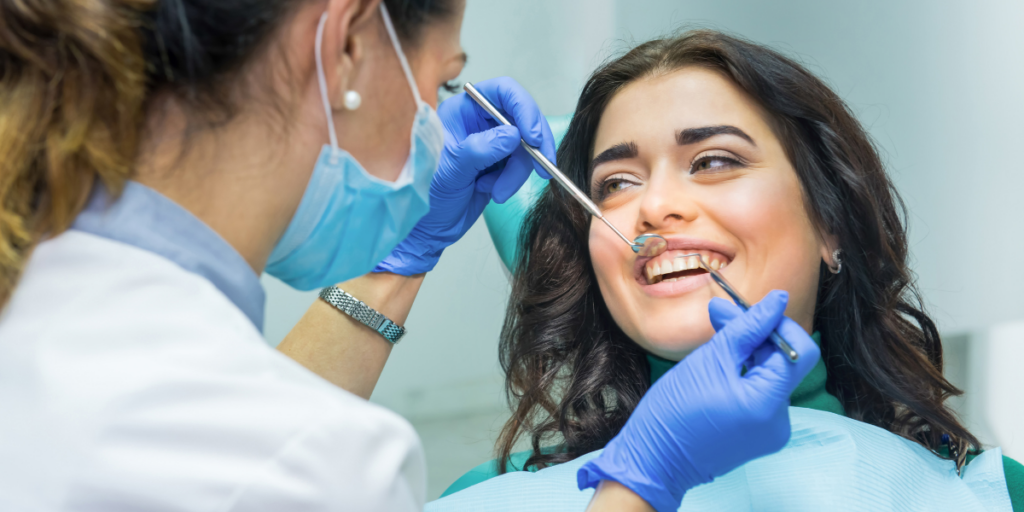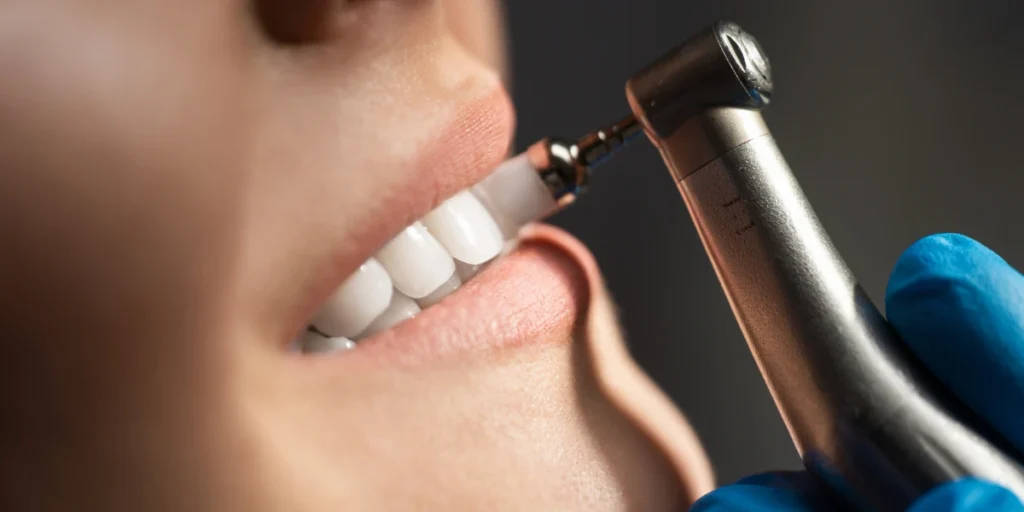
Hearing scraping sounds during a cleaning or noticing temporary sensitivity afterwards can make you wonder whether some of your tooth enamel has been removed. That concern is understandable, especially if you have sensitive teeth or haven’t had a professional cleaning in a while. A properly performed professional cleaning is designed to remove plaque, hardened tartar, bacteria, and some surface stains, not healthy enamel. If you are considering a dental cleaning in Clifton, it helps to understand what the instruments actually touch and why your teeth may feel different afterwards. Enamel is the hard outer layer that protects each tooth. Because significant enamel loss does not naturally grow back, protecting it matters. The positive news is that routine professional cleaning is intended to support oral health while preserving natural tooth structure.
Can a dental cleaning in Clifton Actually Damage Tooth Enamel?

Professional cleaning should not remove healthy enamel when it is performed correctly. Dental instruments are used to target deposits that collect on and around the teeth.
What Your Dental Hygienist Removes and What Stays Behind
Several different substances and structures are involved during a cleaning:
- Plaque: A soft bacterial film that continuously forms on teeth.
- Tartar or calculus: Hardened plaque that cannot usually be removed effectively with regular brushing and flossing.
- Surface stains: External discoloration caused by factors such as coffee, tea, tobacco, or certain foods.
- Enamel: The mineralized protective outer surface of the visible tooth.
- Dentin: The layer beneath enamel that can be sensitive when exposed.
- Tooth root: The portion normally positioned below the gumline and covered by cementum rather than enamel.
Professional instruments are intended to remove buildup attached to tooth surfaces. They are not used to intentionally shave away healthy enamel.
Schedule Your Visit with a Trusted Dental Team
Taking the next step toward better oral health starts with a simple conversation. Our experienced team is ready to answer your questions and help you plan your treatment with confidence.
Quick Answer
Professional cleaning removes plaque, tartar, bacteria, and some external staining. Properly performed cleaning is designed to preserve healthy tooth enamel.
What Happens During a Routine Dental Cleaning Procedure?
Understanding what happens during an appointment can make the noises, vibrations, and sensations feel much less alarming. A typical preventive appointment may include an examination of the teeth and gums, removal of plaque and tartar, polishing, and preventive checks based on individual oral health needs.
Scaling: Why the Instruments Do Not “Shave” the Tooth
Scaling removes hardened calculus from tooth surfaces and around the gumline.
A dental professional may use:
- Manual scaling instruments
- Ultrasonic scaling equipment
- Water to flush away loosened deposits
- Different instruments for specific areas of the mouth
An ultrasonic scaler uses rapid vibration to help disrupt deposits. Because the instrument contacts hard material on the tooth, patients may hear scraping or tapping sounds.
That sound can create the impression that enamel is being scraped away. In reality, the dental cleaning procedure is intended to separate deposits from the tooth surface while preserving healthy tooth structure.
Polishing: Removing Surface Stains After Scaling
After calculus has been removed, the teeth may be polished.
Polishing can:
- Remove some remaining surface staining
- Clean the outer tooth surface
- Leave teeth feeling smoother
- Improve the overall clean feeling after the appointment
Professional polishing is controlled and performed with materials designed for dental use. It should not be confused with frequent use of harsh or highly abrasive products at home. Polishing may make teeth look cleaner or slightly brighter because external stains are reduced. It does not bleach the natural color of enamel in the way professional whitening treatments are designed to do.
Why Can Teeth Feel Sensitive After a Cleaning If the Enamel Is Fine?

Temporary sensitivity is one of the main reasons patients worry that something has gone wrong. Feeling sensitivity after a cleaning does not automatically mean enamel was damaged.
Plaque, Tartar, Gum Inflammation, and Exposed Sensitive Areas
Tartar may build up around areas that are already sensitive. When those deposits are removed, the underlying tooth or root surface may suddenly be exposed to temperature changes again.
Sensitivity may also be noticeable when a patient already has:
- Gum recession
- Exposed root surfaces
- Existing enamel erosion
- Cavities
- Inflamed gums
- Areas of exposed dentin
In those situations, the cleaning may reveal sensitivity that was already present rather than create new enamel damage.
Why Teeth May Feel Different, Wider Apart, or Even “Loose”
Heavy calculus can fill spaces around or between teeth. After it is removed, the teeth may feel different because you can once again feel natural contours or spaces.
Myth vs. Reality
Myth: My teeth feel different after cleaning, so enamel must have been removed.
Reality: Removing hardened buildup can change how tooth surfaces and spaces feel without removing healthy enamel.
If gum disease has already affected the supporting structures around a tooth, mobility may also become easier to notice once heavy deposits are removed. The cleaning itself should not be assumed to have caused the underlying periodontal damage. Persistent looseness should always be evaluated by a dental professional.
Dental Cleaning vs. Real Causes of Enamel Wear

If protecting enamel is your concern, several everyday factors deserve closer attention than professional preventive cleaning.
Common Sources of Enamel Wear
Enamel can gradually weaken or wear because of repeated chemical or mechanical stress.
Potential contributors include:
- Frequent exposure to acidic drinks
- Regular consumption of highly acidic foods
- Acid reflux or other sources of repeated acid exposure
- Aggressive brushing
- Highly abrasive dental products
- Tooth grinding or clenching
- Certain habits that repeatedly place pressure on tooth surfaces
Trying to scrape tartar away at home with sharp instruments also creates unnecessary risk. Without proper training, it is easy to injure the gums or tooth surfaces.
Schedule Your Visit with a Trusted Dental Team
Taking the next step toward better oral health starts with a simple conversation. Our experienced team is ready to answer your questions and help you plan your treatment with confidence.
What Cleaning Removes vs. What Can Wear Enamel
| Situation | What Is Happening | Enamel Concern |
| Professional scaling | Plaque and tartar are removed | Normally safe when properly performed |
| Acid exposure | Minerals can gradually dissolve. | Can contribute to enamel erosion |
| Aggressive brushing | Repeated mechanical friction | May contribute to tooth wear |
| DIY scraping | Uncontrolled instrumentation | Should be avoided |
| Routine brushing | Daily plaque control | Supports oral health when performed gently |
Skipping preventive care is not an effective strategy for protecting enamel. Allowing plaque and tartar to remain may contribute to decay and gum problems.
Routine Dental Cleaning vs. Deep Cleaning: They Are Not the Same Procedure
A routine preventive cleaning and periodontal deep cleaning serve different purposes.
When a Regular Cleaning Is Usually Appropriate
Routine cleaning is generally used for preventive maintenance when a patient’s gum condition does not require periodontal therapy.
The appointment may focus on:
- Removing plaque and calculus
- Checking the gums
- Examining the teeth
- Reviewing home-care habits
- Monitoring changes since the previous visit
How often a person needs professional cleaning depends on oral health, gum condition, medical factors, and individual risk.
When Scaling and Root Planing May Be Recommended
Scaling and root planing is a deeper periodontal treatment used when gum disease has allowed tartar and bacteria to accumulate around tooth roots and below the gumline.
After deeper periodontal care, a patient may notice:
- Temporary sensitivity
- Gum tenderness
- Changes in how the teeth and gums feel
- Greater awareness of exposed root areas
Those sensations do not necessarily indicate enamel loss. They can reflect inflammation reduction and removal of deposits around previously affected tissues.
Teeth Cleaning in Clifton vs. Teeth Whitening: What Result Should You Expect?

Cleaning and whitening solve different problems.
Cleaning Removes Buildup; Whitening Changes Tooth Color
Professional teeth cleaning may remove plaque, calculus, and some external stains. As a result, the smile can appear cleaner and brighter. Whitening is different. It is designed to change the appearance of tooth color rather than simply remove buildup.
Consider the distinction:
- Choose cleaning for plaque, tartar, preventive care, gum health, and surface staining.
- Ask about whitening when deeper discoloration or the natural shade of otherwise healthy teeth is the main concern.
At Harmony Dental Arts, we can discuss cosmetic dentistry solutions in Clifton, NJ, including professional whitening, after evaluating the condition of the teeth and gums.
Schedule Your Visit with a Trusted Dental Team
Taking the next step toward better oral health starts with a simple conversation. Our experienced team is ready to answer your questions and help you plan your treatment with confidence.
When Is Post-Cleaning Sensitivity Normal, and When Should You Contact Us?
Minor sensitivity can occur after a professional cleaning, especially if substantial buildup or gum inflammation was present.
Usually Short-Term
Common temporary changes may include:
- Mild sensitivity to cold
- Slight gum tenderness
- Teeth feeling unusually smooth
- Greater awareness of spaces between teeth
- Brief sensitivity around previously exposed areas
These symptoms should generally improve rather than become progressively worse.
Symptoms Worth Having Checked
Contact your dentist if you notice:
- Pain that becomes stronger
- Significant or persistent swelling
- Sensitivity that continues longer than expected
- Pain that interferes with eating or drinking
- A visible crack or damaged tooth
- Persistent tooth mobility
- Pain concentrated around one specific tooth
| Usually Temporary After Cleaning | Contact Your Dentist |
|---|---|
| Mild temperature sensitivity | Increasing pain |
| Slight gum tenderness | Persistent swelling |
| Smooth or unfamiliar tooth surfaces | Long-lasting sensitivity |
| Brief discomfort in sensitive areas | Cracks or ongoing tooth mobility |
If you are unsure, it is better to have the area checked than to assume the sensation represents enamel damage.
How Harmony Dental Arts Supports Dental Wellness in Clifton

At Harmony Dental Arts, we evaluate the teeth and gums rather than approaching every cleaning the same way. For patients considering a dental cleaning in Clifton, our care may include plaque and tartar removal, evaluation of the teeth and gums, digital X-rays when appropriate, and discussion of sensitivity or specific oral health concerns.
Our Preventive Approach
We encourage patients to tell us beforehand about:
- Existing tooth sensitivity
- Gum recession
- Dental anxiety
- Recent dental treatment
- Areas that feel painful
- Concerns about enamel wear
This information helps us tailor the appointment appropriately.
Our goal during preventive care is to remove harmful buildup while monitoring natural teeth, gums, and existing dental work. Teeth cleaning in Clifton should be part of a broader dental wellness plan rather than treated as an isolated procedure.
Conclusion
Professional cleaning removes plaque, calculus, bacteria, and surface stains without removing healthy enamel. Temporary sensitivity or a different sensation afterward does not automatically mean tooth structure has been damaged. Protecting enamel also depends on consistent home care, gentle brushing, flossing, limiting repeated acidic exposure, and having dental concerns evaluated before they progress. If sensitivity or fear about enamel has kept you from arranging preventive care, an examination can help determine what type of cleaning is appropriate for your teeth and gums. Contact Harmony Dental Arts to discuss your concerns, have your teeth and gums evaluated, and receive preventive recommendations based on your oral health.