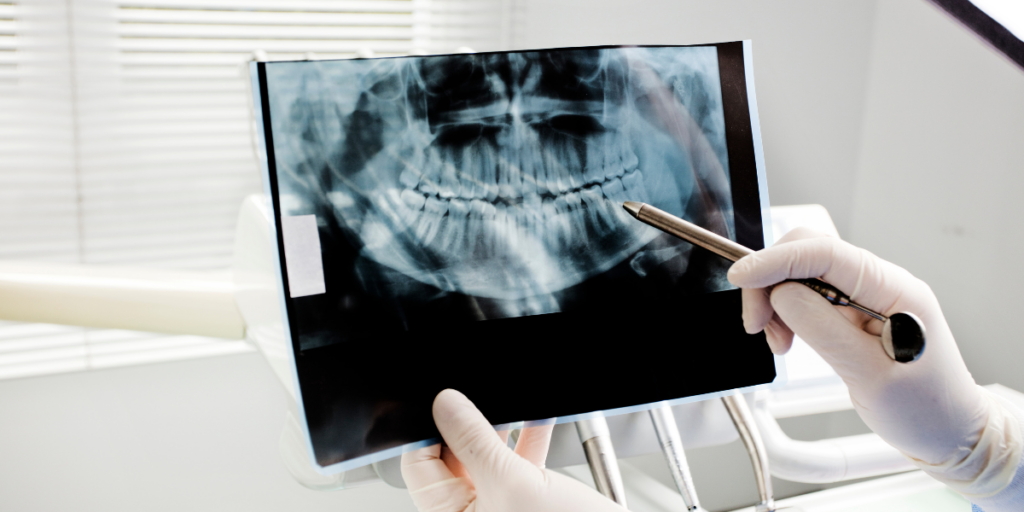
Most patients leave a routine appointment thinking about how clean their teeth feel. Yet the accompanying examination may reveal painless concerns, including cavities, gum inflammation, infection, damaged restorations, or unusual tissue changes. A dental oral exam in Clifton reviews the whole mouth, not only for plaque and surface stains.
People often postpone care because nothing hurts, their gums bleed only occasionally, or brushing and flossing seem sufficient. At Harmony Dental Arts, preventive appointments support dental wellness in Clifton and help patients address concerns before they become disruptive. A routine appointment removes plaque and tartar and evaluates the teeth, gums, bite, tongue, cheeks, lips, palate, and other oral tissues. A dental oral exam in Clifton may help identify cavities, gum disease, infections, abnormal tissue changes, and other signs that may warrant dental or medical follow-up before they become noticeable.
A dental cleaning and an oral examination serve different purposes
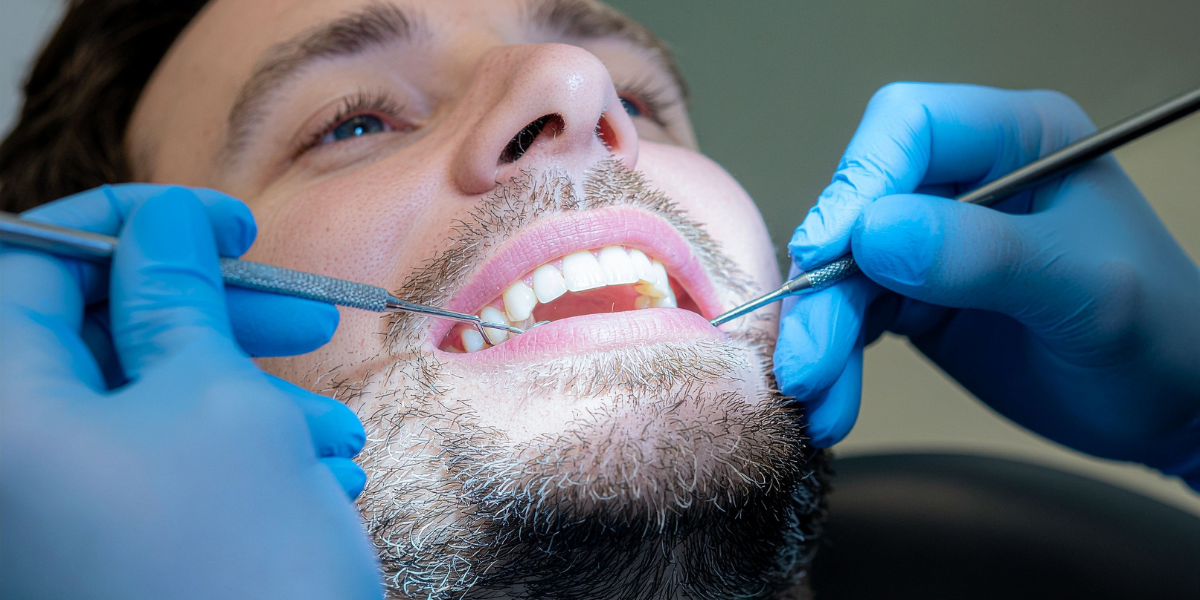
A professional cleaning removes deposits and surface stains. An oral examination evaluates the teeth, gums, bite, jaw, and soft tissues to identify concerns and guide next steps.
What happens during the cleaning?
During a dental cleaning in Clifton, a hygienist removes plaque and hardened tartar, cleans around the gumline and between teeth, polishes surface stains, and may provide fluoride when appropriate. The hygienist may also notice bleeding, tenderness, recession, or recurring buildup. Cleaning does not replace diagnosis.
Schedule Your Visit with a Trusted Dental Team
Taking the next step toward better oral health starts with a simple conversation. Our experienced team is ready to answer your questions and help you plan your treatment with confidence.
What happens during the examination?
The dentist reviews concerns, medical changes, medications, symptoms, and earlier findings. Teeth are checked for decay, cracks, wear, sensitivity, and failing restorations, while gums are evaluated for inflammation, recession, bleeding, and periodontal changes. A dental exam in Clifton may include bite assessment, jaw movement, soft-tissue evaluation, and dental X-rays when clinically indicated. A dental checkup and cleaning in Clifton should end with clear findings, practical recommendations, and an individualized recall plan.
Cleaning: Removes plaque, tartar, and surface stains while supporting prevention.
Examination: Identifies and evaluates oral health concerns and guides diagnosis and treatment planning.
What happens during a dental oral exam in Clifton?
The dentist combines health history, symptoms, clinical findings, appropriate imaging, and changes recorded over time.
1. Reviewing health changes and current symptoms
We ask about medications, diagnoses, allergies, pregnancy, tobacco or nicotine use, alcohol use, and recent procedures. Mention dry mouth, bleeding gums, jaw discomfort, sores, swallowing changes, sensitivity, or unusual sensations because these details can affect risk and treatment decisions.
2. Evaluating the teeth and existing dental work
The dentist checks for decay, fractures, erosion, wear, discoloration, and weakened structure. Fillings, crowns, bridges, implants, and dentures are reviewed for damage or poor fit. Catching floss or biting pain may point toward a crack, cavity, or restoration problem.
3. Assessing the gums and supporting bone
The gums are checked for redness, swelling, bleeding, recession, and texture changes. Pocket measurements and images may help assess deeper tissues and supporting bone. Early gingivitis may improve with professional care and daily hygiene, while periodontitis needs ongoing management. Gum disease prevention in Clifton is not a one-visit task.
4. Checking the bite, jaw, and tooth wear
Uneven wear, chips, flattened surfaces, or repeated fractures may suggest excessive force. We may ask about headaches, jaw fatigue, clicking, locking, or facial discomfort. Harmony Dental Arts can evaluate related jaw, airway, sleep, and oral-function concerns, but one worn tooth does not confirm a condition.
5. Using dental X-rays when needed
X-rays may show decay between teeth, bone changes, infection, impacted teeth, or problems beneath restorations. A dental exam in Clifton should not follow an automatic imaging schedule. Image type and timing should reflect symptoms, history, findings, age, and risk.
6. Examining the soft tissues
The dentist looks at the lips, cheeks, gums, tongue, floor of the mouth, palate, and visible throat area. Oral tissues and the neck may also be felt for unusual firmness, swelling, or enlarged nodes. Unusual changes may require documentation and closer evaluation.
7. Explaining findings and next steps
Our dentist explains what appears healthy, what should be monitored, and what may need care. Findings can lead to preventive advice, imaging, treatment, referral, or medical evaluation. Clear next steps support long-term dental wellness in Clifton. A thorough examination is not defined by the number of tests performed. Its value comes from combining history, symptoms, clinical findings, appropriate imaging, and changes observed over time.
How an oral examination helps screen for oral cancer
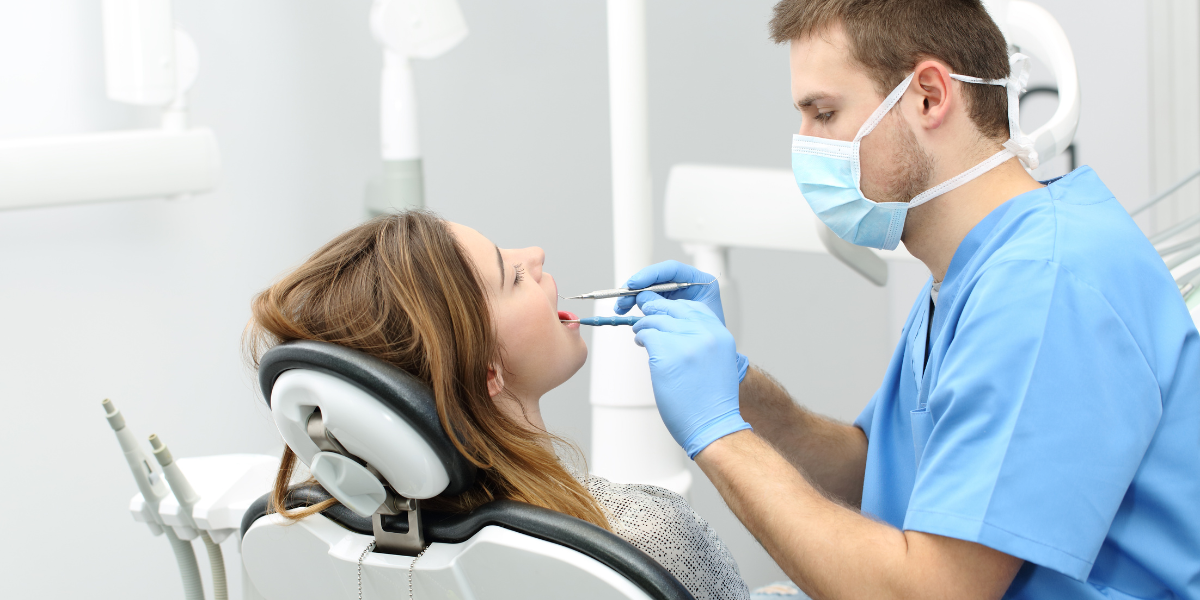
An oral cancer screening is a visual and hands-on examination of the lips, mouth, tongue, throat area, and neck. Its purpose is to find unusual tissue changes that may need monitoring or further evaluation. Screening can identify a concern, but it cannot provide a definitive cancer diagnosis.
Areas and changes the dentist may check
During a dental oral exam in Clifton, the dentist may look for a sore that is not healing, red or white patches, thickened tissue, unexplained swelling, bleeding, numbness, persistent throat discomfort, swallowing changes, unexplained tooth mobility, or a lump in the mouth or neck. Irritation, infection, or a cheek bite can alter tissue. Persistent or unexplained changes still deserve professional attention.
Who may have a higher risk?
Risk may be affected by tobacco, heavy alcohol use, prior oral cancer or precancer, sun exposure involving the lips, age, and certain viral or immune factors. People without known risk factors can also develop abnormalities. Maintaining an ongoing record with a family dentist in Clifton makes it easier to compare a new finding with earlier visits instead of relying on memory.
Schedule Your Visit with a Trusted Dental Team
Taking the next step toward better oral health starts with a simple conversation. Our experienced team is ready to answer your questions and help you plan your treatment with confidence.
What happens when something unusual is found?
The dentist may record the area’s size, color, texture, location, and duration. A brief follow-up may show whether it resolves. Persistent or concerning findings may require referral to an oral surgeon, oral medicine specialist, physician, or another qualified provider. A biopsy and laboratory evaluation may be needed for diagnosis. Screening is not a biopsy and does not confirm cancer. Early attention does not mean every unusual spot is cancer. It means changes are documented and evaluated instead of ignored until symptoms become severe.
Oral exams may reveal concerns beyond cavities
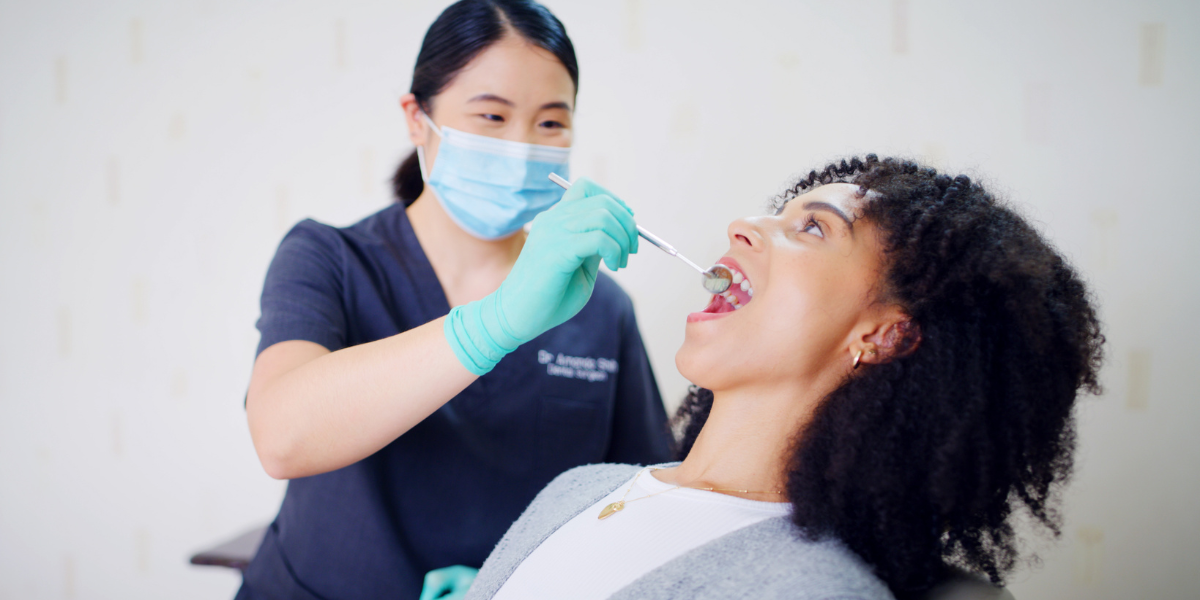
Oral findings may suggest periodontal disease, infection, dry mouth, medication effects, or a need for medical follow-up. Dentists recognize patterns and coordinate care, but an examination alone does not diagnose unrelated disease.
Gum inflammation and periodontal disease
Bleeding, swelling, recession, persistent bad breath, and deeper pockets may indicate gum disease. Gingivitis can often improve with plaque control and professional care. Periodontitis affects the tissues and bone supporting teeth and may require treatment below the gumline.
A routine dental cleaning in Clifton may be insufficient when disease extends deeper. Personalized gum disease prevention in Clifton can involve shorter maintenance intervals, periodontal therapy, improved home care, and monitoring of risk factors.
Dry mouth, enamel changes, and medication effects
Reduced saliva can increase decay, irritation, bad breath, and swallowing difficulty. Medications, dehydration, or medical conditions may contribute. Acid erosion can reflect dietary acids, reflux, or repeated vomiting. The dentist can recommend protection or follow-up without assuming the cause.
Infections and changes in healing
Persistent swelling, drainage, pain, or a bad taste may indicate a dental or periodontal infection. Frequent infections or slow healing may prompt questions about blood sugar, immune health, or medication changes. Urgent dental treatment, referral, or coordination with a physician may be appropriate.
Oral signs that may need medical follow-up
Pale tissues may warrant discussion of nutritional or blood-related concerns. Recurrent ulcers can be associated with irritation, stress, medications, immune conditions, or gastrointestinal disorders. Tongue, salivary, and mucosal changes may also need evaluation.
Schedule Your Visit with a Trusted Dental Team
Taking the next step toward better oral health starts with a simple conversation. Our experienced team is ready to answer your questions and help you plan your treatment with confidence.
The mouth is connected to the rest of the body, but oral changes are rarely specific to one disease. The responsible approach is to recognize the pattern, document it, address dental causes, and recommend further evaluation when needed. That approach supports thoughtful dental wellness in Clifton.
How often should you schedule a dental exam and cleaning?
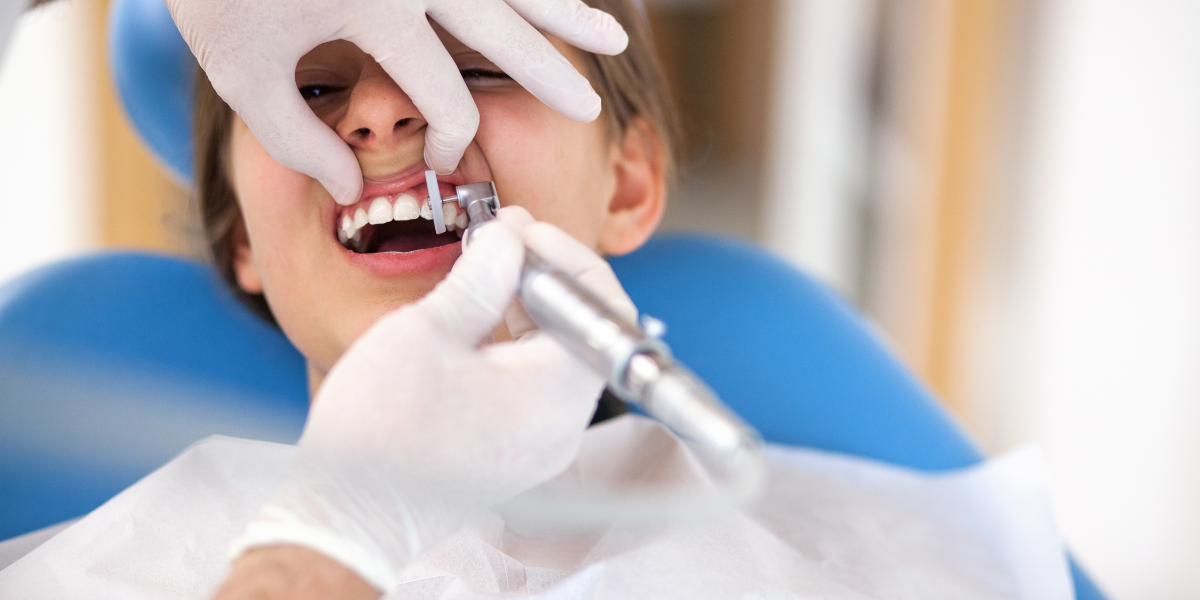
Many patients benefit from visits around every six months, but timing is individualized. Active gum disease, frequent cavities, orthodontic appliances, dry mouth, tobacco use, extensive dental work, or certain medical conditions may warrant closer monitoring. A dentist for regular checkups in Clifton considers earlier findings, current risk, age, home care, and medical history before suggesting a schedule. A dental checkup and cleaning in Clifton may be spaced differently for two members of the same family.
Lower current risk: The dentist may recommend a standard preventive schedule.
Higher current risk: Shorter intervals may be advised for monitoring or periodontal maintenance.
New symptoms: Contact the office rather than waiting for the next visit.
A persistent sore, facial swelling, unexplained bleeding, a loose adult tooth, severe pain, a broken tooth, swallowing difficulty, or a lump in the mouth or neck should be evaluated sooner. A dental exam in Clifton can determine the appropriate next step.
6 Months
How Often Should You Schedule a Dental Exam and Cleaning?
Many people benefit from scheduling a dental exam and professional cleaning every six months. These regular visits help your dental team monitor changes and identify potential concerns early.
Why choose Harmony Dental Arts for preventive dental care?
At Harmony Dental Arts, we do not treat preventive care as a rushed cleaning appointment. Our team reviews your health history, examines your teeth and gums, evaluates relevant oral tissues, explains our findings, and helps you understand what should happen next.
We provide examinations and professional cleanings for children, adults, and seniors at our Clifton practice. Our dental cleaning and exam service may include digital X-rays when indicated, gum evaluation, cavity detection, bite assessment, and oral tissue screening. We explain findings clearly and adapt appointments for nervous or sensitive patients. An ongoing relationship also helps us compare current and previous findings.
Patients can learn about family dental care, explore our Clifton dental office, or review available dental services. Coordinated care can connect prevention with periodontal, restorative, TMJ, airway, or family needs when appropriate. A dental oral exam in Clifton is useful even when nothing hurts. If you are seeking a family dentist in Clifton or a dentist for regular checkups in Clifton, our team can create a preventive plan based on your history, risk, comfort, and current findings.
CONCLUSION
Preventive care removes plaque and tartar, checks for decay, evaluates gums and dental work, assesses bite concerns, and screens oral tissues. A dental oral exam in Clifton cannot guarantee that every disease will be found early, and it cannot diagnose cancer or a systemic condition by itself. It can help the dentist recognize concerns, explain what they may mean, and recommend suitable dental or medical follow-up.
A dental oral exam in Clifton is worth scheduling before pain begins. Schedule a dental checkup and cleaning in Clifton with Harmony Dental Arts so our team can evaluate your teeth, gums, bite, and oral tissues, explain our findings, and help you maintain your health with a personalized preventive plan.