Seeking a Homeblock second opinion is a wise step before starting palatal expansion, replacing an existing device, or returning to therapy after an extended break. We conduct a comprehensive evaluation of your current oral health, periodontal support, bite balance, jaw-joint health, and airway goals rather than relying on an outdated plan. A thorough Homeblock appliance second opinion ensures your treatment aligns with your present anatomical needs. Patient suitability and Homeblock candidacy can shift over time as teeth shift, gums change, restorations are placed, or new symptoms develop. The Homeblock system relies on gentle, intermittent stimulation, making continuous clinical monitoring essential. Before committing to active wear, an updated Homeblock evaluation protects your smile and jaw function.
Why Patients Seek a Homeblock Second Opinion
Patients schedule a Homeblock second opinion for various personal and clinical reasons. Whether you are hesitant about starting a new orthodontic path or dealing with unexpected bite changes, an objective clinical evaluation provides clarity.
Uncertainty Before Starting Treatment
Committing to palatal expansion is a significant decision for your teeth, jaw joints, and facial structure. You may wonder if the Homeblock appliance is truly appropriate for your specific dental alignment, functional needs, and wellness goals. With Homeblock, subtle biomechanical forces encourage arch development, but understanding the realistic benefits, limitations, duration, wear requirements, and non-appliance alternatives is necessary before starting.
Treatment Was Interrupted or Discontinued
Therapy often stops unexpectedly due to physical discomfort, inconsistent daily wear, appliance breakage, life changes, relocation, or major dental procedures. Many patients ask us, “Should I restart Homeblock treatment after taking a long break?” Automatically reinserting an old oral device without an updated consultation can cause severe tooth tipping, gum trauma, or root resorption.
Symptoms or Bite Changes Developed
Patients frequently seek a Homeblock appliance second opinion after noticing unexpected jaw joint clicking, gum recession, sore teeth, altered speech, or abnormal bite contacts. New physical symptoms require thorough diagnostic investigation rather than unsupervised appliance adjustments or forced wear.
What Records Should Be Reviewed During a Homeblock Evaluation?
A proper Homeblock evaluation requires an in-depth review of historical diagnostic records alongside your present oral condition. Getting an expert Homeblock second opinion helps you make informed choices about your smile.
Previous Treatment Plan and Clinical Notes
We examine your original diagnosis, written treatment objectives, prescribed wear schedules, and historical adjustment logs. Comparing these initial targets with your current physical presentation helps determine if previous progress aligned with safe biological boundaries.
Earlier Photographs, Scans, and X-Rays
Reviewing baseline 2D radiographs, 3D CBCT scans, intraoral photographs, and physical or digital dental models helps us track tooth movement, bone density changes, and arch expansion. Don’t rely solely on online Homeblock before and after galleries when making treatment decisions. Historical records provide crucial biological context that current visual checks alone cannot reveal.
Homeblock Before-and-After Comparisons
Examining Homeblock before and after records helps document structural changes across treatment cycles. However, Homeblock before and after photos only tell part of the story. Evaluating Homeblock before and after 3D scans gives a deeper view of structural stability. Visual alignment alone does not prove that your bite is balanced, your roots are stable, or your airway dimensions have improved. A complete Homeblock treatment review must look beneath the surface to evaluate underlying bone, joint health, and tissue response.
Periodontal, Root, and Bone Health
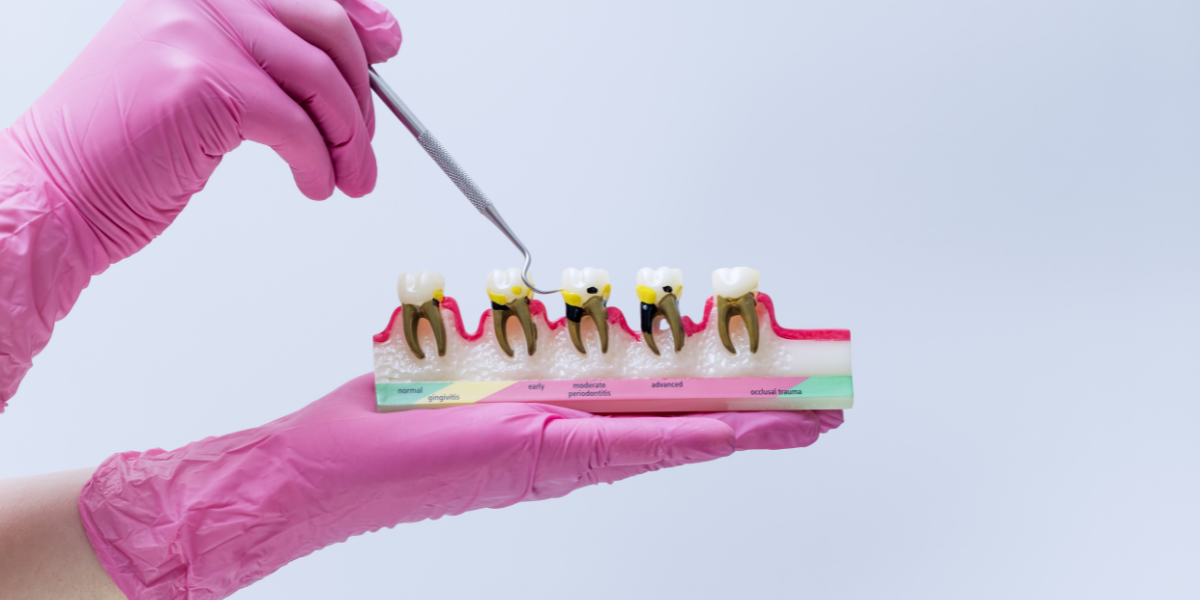
Strong bone support and healthy gum tissues are absolute prerequisites before applying expansion forces to any tooth. A thorough Homeblock evaluation must assess your supporting structures.
Gum and Periodontal Health
We perform detailed periodontal probing to check for gingivitis, bleeding, deep pockets, recession, and tooth mobility. Active gum inflammation or compromised bone support must be treated and stabilized before beginning or resuming appliance therapy, as orthodontic pressure on inflamed tissues accelerates bone loss. Your clinical Homeblock evaluation includes checking tooth mobility and bone density.
Periodontal Ligament and Root Condition
Every tooth relies on the periodontal ligament to handle orthodontic stress. We analyze radiographic records to evaluate root length, shape, prior trauma, or evidence of root shortening. In Homeblock therapy, periodic cyclic loading stimulates bony remodeling. Monitoring root health is especially critical because Homeblock orthodontics utilizes periodic cyclic loading to stimulate bony remodeling.
Schedule Your Visit with a Trusted Dental Team
Taking the next step toward better oral health starts with a simple conversation. Our experienced team is ready to answer your questions and help you plan your treatment with confidence.
Existing Dental Restorations and Missing Teeth
Dental crowns, bridges, composite fillings, and dental implants alter arch flexibility. Because dental implants are fused to the jawbone, they cannot move. Their presence requires specialized planning within Homeblock orthodontics to avoid damaging adjacent natural teeth or placing excessive torque on stable restorations.
Current Bite Stability and Jaw Alignment
Widening the upper arch alters how your upper and lower teeth interlock. Maintaining occlusal stability prevents premature tooth wear and joint strain.
How the Upper and Lower Teeth Meet
We record exact tooth contacts during resting, biting, and chewing movements. We identify existing crossbites, deep bites, open bites, crowding, excessive overjet, or uneven contact points that could interfere with smooth arch development during Homeblock orthodontics.
Whether the Bite Is Stable
A healthy bite closes smoothly into a consistent position without forcing the jaw to shift sideways or forward. If missing teeth, recent fillings, night grinding, or an ill-fitting device has destabilized your bite, you must address this before continuing wear. If you find yourself wondering, “Should I restart Homeblock treatment?”, evaluating your occlusal stability is a vital first step.
TMJ and Chewing-Muscle Function
Your temporomandibular joints and masticatory muscles play a primary role in comfortable appliance therapy.
Jaw-Joint Screening
During our screening, we check for joint clicking, popping, locking, stiffness, limited range of motion, ear pressure, or pain while chewing. Symmetrical and pain-free jaw movement is vital for safe treatment.
Risk of Aggravating an Existing TMJ Disorder
The bite blocks and asymmetric force distribution of an oral appliance can aggravate underlying joint dysfunction. Any unexplained jaw pain or joint strain must be fully diagnosed before treatment begins or resumes. Confirming healthy joint mechanics is a core factor in determining your overall Homeblock candidacy.
Airway, Breathing, and Sleep Status
Palatal expansion is frequently explored by individuals interested in supporting nasal breathing and upper airway space.
Breathing and Sleep Symptoms
We review clinical symptoms including mouth breathing, night snoring, dry mouth upon waking, restless sleep, morning headaches, and daytime fatigue. Tracking these symptoms helps us measure functional changes over time.
Nasal and Oropharyngeal Anatomy
We assess nasal passage airflow and discuss conditions like nasal congestion, allergies, or enlarged tonsils. When clinically appropriate, 3D CBCT scans provide detailed visual views of nasal passages and pharyngeal structures.
Airway Volume and Passage Width
We evaluate cross-sectional airway areas and points of restriction. However, airway dimensions naturally vary with body position, head angle, and swallowing phase. Single volumetric measurements should never be interpreted as isolated proof of treatment success or failure.
Sleep-Study Data
If sleep-disordered breathing is suspected, we review medical sleep studies, including home sleep tests or laboratory polysomnography. Dental imaging alone cannot diagnose sleep apnea, and any sleep-related concerns require collaborative oversight with a qualified sleep physician. A comprehensive Homeblock treatment review ensures sleep data is interpreted alongside clinical findings.
Tongue Posture, Swallowing, and Oral Habits
Soft tissue patterns and functional oral habits exert constant pressure on your teeth and palatal vault.
Resting Tongue Position
We check whether your tongue rests fully against the palate or drops to the floor of the mouth. Proper palatal tongue posture helps maximize Homeblock results over time. Proper palatal tongue posture provides natural internal support that helps maintain arch width achieved through Homeblock orthodontics.
Habits That May Affect Stability
Habits such as teeth clenching, night grinding, lip biting, cheek sucking, or mouth breathing apply adverse forces to the arch. Identifying and managing these habits is necessary to achieve lasting structural stability.
Identifying Possible Homeblock Appliance Problem
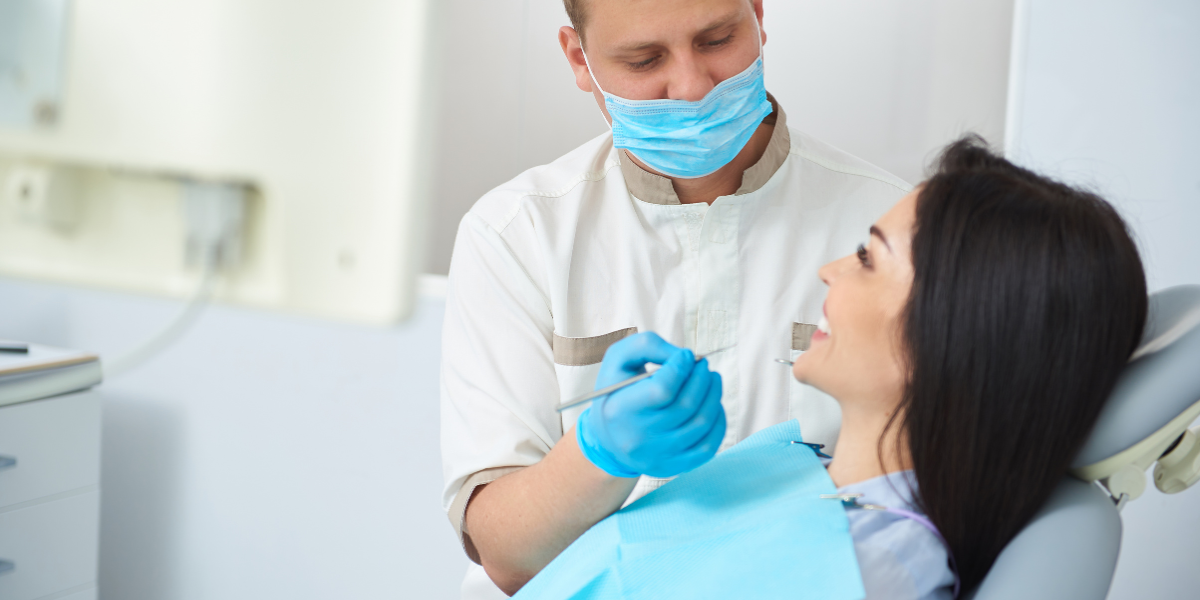
Recognizing warning signs early protects your teeth, gums, and jaw joints from chronic trauma.
Poor Fit or Excessive Pressure
Signs of severe Homeblock appliance problems include sharp localized pressure, pressure concentrated on a single tooth, bleeding gums, loose seating, or inability to wear the device comfortably. You should never force a distorted Homeblock appliance onto your teeth.
Bite Changes That Do Not Match the Plan
Unexpected gaps between teeth, visible tooth flaring, outward tipping, uneven bite contacts, or difficulty chewing after removing the device signal clear Homeblock appliance problems. Include these physical changes in a comprehensive clinical review of Homeblock appliance problems to prevent long-term damage.
Schedule Your Visit with a Trusted Dental Team
Taking the next step toward better oral health starts with a simple conversation. Our experienced team is ready to answer your questions and help you plan your treatment with confidence.
Deciding Whether to Start, Restart, Modify, or Stop Treatment
A systematic clinical evaluation helps determine the safest path forward for your smile.
When Starting Treatment May Be Reasonable
Beginning therapy is appropriate when diagnostic records confirm healthy bone support, strong periodontal health, a clear clinical diagnosis, stable jaw joints, and realistic treatment expectations. Evaluating your Homeblock candidacy involves verifying healthy bone boundaries and realistic expectations. Patients must also commit to regular clinical monitoring schedules.
When a New Appliance May Be Needed
If your teeth have shifted, or if you have received new crowns, fillings, or implants during a treatment break, your old device will no longer fit properly. If you are asking yourself, “Should I restart Homeblock treatment?”, attempting to reuse a distorted Homeblock appliance can cause severe root damage. Unresolved Homeblock appliance problems often require remaking the device rather than forcing an old fit. Remaking or modifying the device is far safer than wearing an ill-fitting appliance.
Questions to Ask During a Homeblock Treatment Review
Asking targeted questions during your appointment gives you total clarity regarding your oral health.
Questions About Diagnosis and Candidacy
What specific structural or functional issue is this appliance designed to correct? Which clinical findings support my Homeblock candidacy? Have my teeth, gums, or bite shifted since my original consultation? During your Homeblock appliance second opinion, you can ask direct questions about root safety.
Questions About Periodontal and Bone Safety
Is my current bone height sufficient for expansion? Are my teeth at risk for root shortening, gum recession, or mobility? How frequently will my periodontal health be reassessed?
Questions About Bite and TMJ Function
Is my bite currently stable? Could wearing this device aggravate my jaw joint function? What severe symptoms mean I should stop wear and schedule an emergency Homeblock treatment review?
What to Bring to a Homeblock Second-Opinion Appointment

Bringing complete records helps us form an accurate, personalized evaluation during your visit.
Dental and Medical Information
Bring a current medication list, medical diagnoses, details regarding recent dental restorations, and a summary of any jaw pain, tooth sensitivity, or facial discomfort. Be sure to bring your current Homeblock appliance so we can examine its fit and structural condition.
Sleep and Airway Information
Bring diagnostic sleep study reports, CPAP prescription details, ENT evaluation summaries, and notes regarding snoring, mouth breathing, or daytime tiredness.
Schedule Your Visit with a Trusted Dental Team
Taking the next step toward better oral health starts with a simple conversation. Our experienced team is ready to answer your questions and help you plan your treatment with confidence.
Searching for a Qualified Homeblock Provider Near You
Finding an experienced, cautious practitioner is critical when evaluating oral appliance therapy.
Look Beyond Location Alone
Searching online for “Homeblock near me” is a convenient way to begin your research. However, typing “Homeblock near me” into a search bar only reveals proximity, not clinical philosophy. When filtering results for “Homeblock near me”, look for practices that emphasize periodontal health, TMJ screening, and complete bite analysis. Patients searching “Homeblock near me” should select a practice that openly discusses both benefits and biological limits. Understanding how Homeblock works requires looking at cranial facial biology. Finding a provider after searching “Homeblock near me” is just the first step toward safe care.
How We Approach Homeblock Second Opinions at Harmony Dental Arts
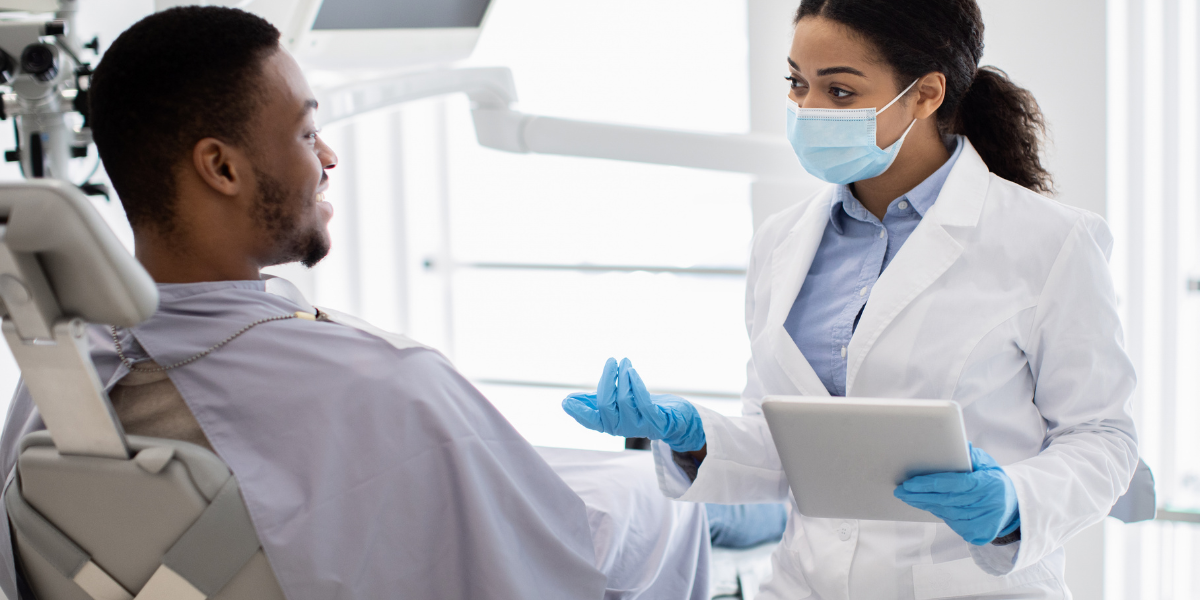
At Harmony Dental Arts, we take a comprehensive, patient-centered approach to every Homeblock second opinion in Clifton, NJ.
We Begin With Your Current Concerns
We start by listening to your personal history, reasons for seeking care, past challenges, and current symptoms. Our team provides a thorough Homeblock treatment review for patients transferring from other offices. We answer questions like “Should I restart Homeblock treatment?” by examining your current arch width.
We Reassess Your Oral Health and Bite
We conduct a thorough evaluation of your teeth, gums, periodontal bone levels, bite alignment, and joint movement. A proper Homeblock evaluation identifies active gum issues or bite instability before any appliance therapy begins or resumes.
We Review Bone and Airway Information Carefully
We analyze 3D CBCT scans, dental records, and airway dimensions alongside your physical symptoms and medical history. We compare your earlier scans with current findings rather than relying on standard Homeblock before and after claims. When sleep-disordered breathing is present, we collaborate closely with medical sleep specialists.
We Consider Your Wider Dental Treatment Needs
As a comprehensive dental practice, we offer preventive care, cosmetic dentistry services, Invisalign treatment, and dental implants in Clifton. We evaluate how appliance therapy integrates with your long-term dental goals. Understanding how Homeblock orthodontics interacts with existing crowns or implants prevents unexpected complications. Our goal is delivering an objective Homeblock second opinion based on your current health.
Conclusion
Deciding to start, restart, or modify expansion therapy should always follow a thorough diagnostic assessment. A complete Homeblock second opinion protects your teeth, gums, bones, jaw joints, and airway health from unmonitored stress. Never attempt to force a damaged or outdated Homeblock appliance onto shifted teeth. If you are asking yourself, “Should I restart Homeblock treatment?” or experiencing Homeblock appliance problems, let our experienced team help you evaluate your options safely.
Understanding your Homeblock candidacy requires an individualized look at your smile. Schedule a personalized Homeblock appliance second opinion at our office to discuss your options. Contact Harmony Dental Arts to schedule a personalized Homeblock second opinion in Clifton, NJ. Together, we will review your records, evaluate your bite, and map out the most appropriate next step for your overall health.