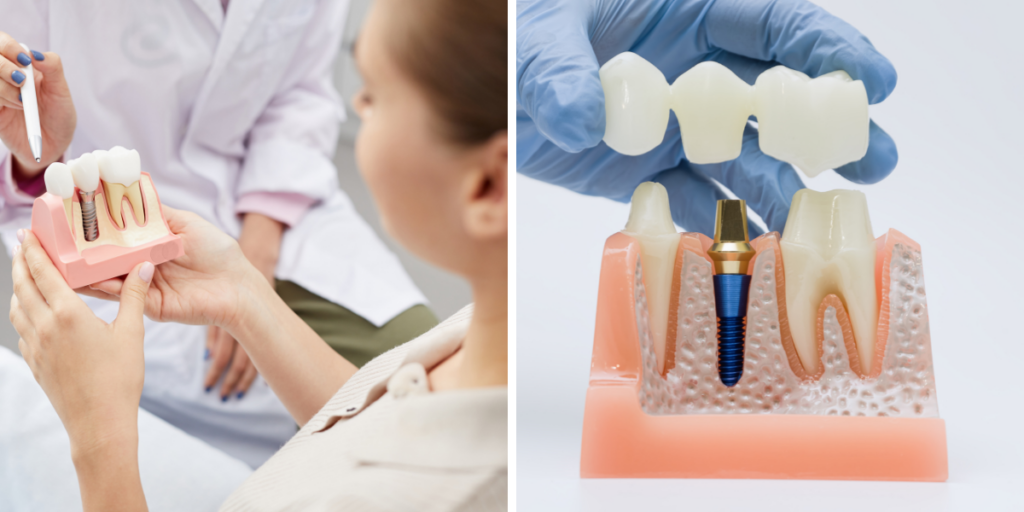
Choosing between a filling, a crown, or an implant can feel confusing at first. Many people think the choice depends only on how big the cavity appears, but there is much more that goes into it. Dentists take time to understand your overall oral health before suggesting any treatment.
A trusted dentist in Clifton looks at strength, function, and appearance before suggesting a solution. The goal is to keep your natural tooth healthy for as long as possible while giving you comfort and confidence.
It’s Not Just the Tooth, It’s the Whole Picture
A treatment decision is based on a full view of your oral health. A careful dentist will check your bite, dental history, and how your teeth work together before recommending any procedure. This approach helps avoid short-term fixes that may lead to future problems.
Oral Health History Matters
Your past dental work plays a big role in what comes next. Old restorations, such as fillings or previous dental crowns, can weaken the tooth over time, even if they once worked well. Each time a tooth is repaired, a small amount of natural structure is lost.
If a tooth has been repaired many times, it may not hold another filling well. In that case, a restorative dentist may suggest a crown for added strength and protection. Gum condition and bone support also affect whether dental implants are suitable, since both rely on a healthy foundation.
Lifestyle and Habits
Your daily habits shape how long dental work lasts. A skilled dentist in Clifton will ask about grinding, diet, and oral care routines before recommending dental treatment options. These details help match the treatment to your lifestyle.
For example, people who grind their teeth often put extra pressure on restorations, which can cause damage over time. In such cases, stronger options like dental crowns are often preferred. Those with busy schedules may also lean toward treatments that last longer and need fewer follow-up visits.
Aesthetic Goals and Confidence
Your smile matters, and treatment choices often reflect that. Some patients want their restorations to blend naturally with their teeth, especially in visible areas. Appearance can play a big role in confidence and daily interactions.
In such cases, a tooth restoration plan may include cosmetic options that match the color and shape of your teeth. Sometimes, support from an orthodontist is also considered to improve alignment, which helps both function and appearance over time.
The Structural Integrity Approach (Not Just Decay Size)

Dentists focus on how strong the tooth is, not just how large the cavity looks. A reliable restorative dentist assesses the amount of healthy structure remaining before deciding between a filling and a dental crown. This helps prevent future damage and the need for repeated treatments.
Why Tooth Structure Matters
Teeth handle pressure every day from chewing and biting, and they need enough strength to do that safely. When too much structure is lost, the tooth becomes weak and more likely to crack or break. Even small areas of damage can reduce overall stability.
A tooth that looks fine on the surface may still be fragile beneath the surface. That is why dental treatment options are based on strength rather than surface damage alone. Protecting the remaining structure helps extend the tooth’s lifespan.
The Risk of Future Damage
Choosing a simple filling for a weak tooth can lead to bigger problems later. When the tooth cannot handle daily pressure, it may develop cracks or fractures that worsen over time. This often leads to more complex procedures. A thoughtful dentist often takes a preventive approach to reduce these risks. By choosing a stronger option early, patients can avoid emergencies and the potential need for dental implants later.
When a Filling Is the Right Choice
A filling works well for early damage and small cavities. It is a conservative method used in tooth restoration that helps preserve most of the natural tooth. This makes it a common first step in many treatment plans.
What a Filling Can Fix
A filling is commonly used for small areas of decay, minor enamel damage, and early-stage cavities. These problems can usually be treated quickly without affecting the tooth’s overall structure. It is a straightforward solution for minor issues.
This type of treatment is often completed in a single visit with a dentist in Clifton. It restores function while maintaining the tooth’s natural shape, allowing patients to return to normal activities soon after.
Benefits of Modern Fillings
They blend in well and support a natural-looking smile. This makes them suitable for both function and appearance. Also, they need less healthy tooth structure removed, which helps keep the tooth stronger. As part of dental treatment options, they are widely used for early-stage care and preventive treatment.
Limitations of Fillings
A filling may not work well for larger damage or weakened teeth. If too much structure is missing, the tooth may not remain stable under pressure. Over time, this can lead to cracks or further decay. In such cases, a restorative dentist may suggest dental crowns for better support. Choosing the right option early helps avoid repeated repairs and additional discomfort later.
Why a Crown Is Often the Smarter Long-Term Solution
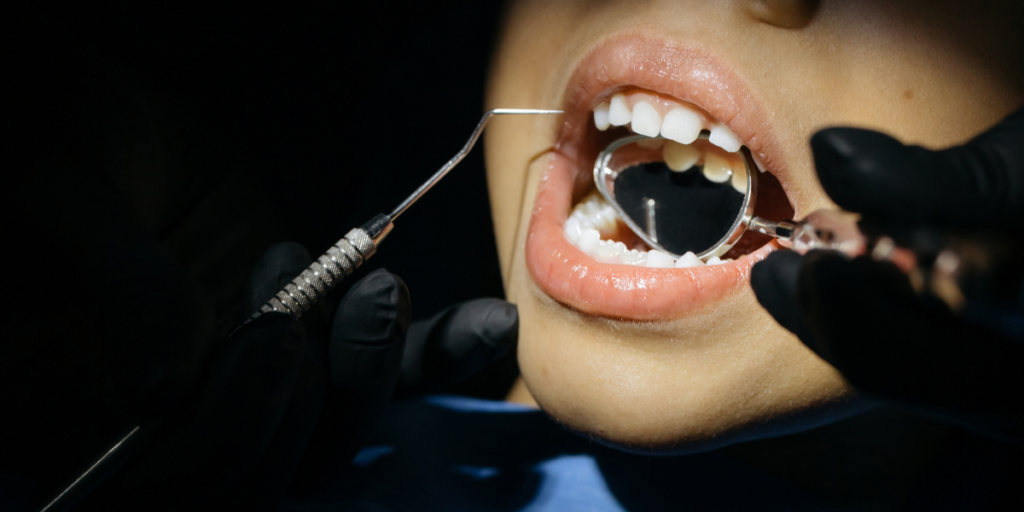
Dental crowns in Clifton cover the entire tooth and protect it from further damage. They are often chosen when a filling cannot provide enough strength. This makes them a reliable option for long-term protection.
When a Crown Becomes Necessary
A dentist may recommend a crown when a large portion of the tooth is damaged or weakened. Cracks, fractures, or pressure sensitivity are common signs that a stronger solution is needed. These issues can worsen if left untreated. A crown adds stability by holding the tooth together and protecting it from further wear. It allows the tooth to function normally while reducing the risk of future damage.
Failed or Large Fillings
Teeth with old or large fillings tend to weaken over time. Each replacement removes a bit more of the tooth’s structure, making it more fragile. This increases the chance of breakage. Replacing these with dental crowns helps restore stability and strength. It also reduces the need for repeated treatments, offering a more lasting solution.
After Root Canal Therapy
After a root canal, the tooth no longer has its original strength. It can become dry and brittle, increasing the likelihood of cracking. This is why additional protection is often needed. A restorative dentist often places a crown to protect the treated tooth. This helps restore function and allows the tooth to handle normal chewing forces safely.
Crowns as a Better Filling
For back teeth, dental crowns are often a better choice than large fillings. These teeth withstand heavy chewing forces, which require strong, stable restorations. Fillings may not last long in such conditions. Crowns provide full coverage and long-term durability. They reduce the need for frequent repairs and help maintain overall oral health.
When Dental Implants Become the Best Option
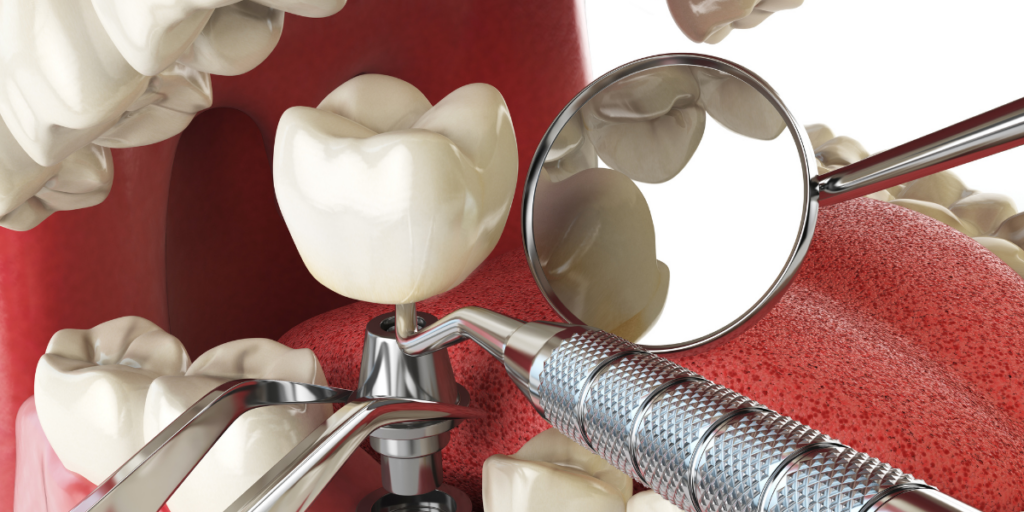
When a tooth cannot be saved, dental implants offer a dependable replacement. They act like natural roots and securely support new teeth. This option helps restore both function and appearance.
When a Crown Is Still Possible
If the root is still healthy and enough structure remains, a restorative dentist may restore the tooth with a dental crown. This enables the preservation of the natural tooth. Keeping the original tooth is often preferred when possible, as it maintains natural alignment and function. A careful evaluation helps determine if this option is suitable.
When an Implant Is Recommended
A dentist in Clifton may suggest dental implants when the tooth is damaged beyond repair. This includes cases where the tooth is broken below the gumline or severely decayed. Missing teeth also fall into this category. Implants replace the root and provide a stable base for a new tooth. They function like natural teeth and support long-term oral health.
The Importance of Bone Health
Healthy bone is important for implant success. Without enough bone support, implants may not stay stable. Bone loss often occurs after tooth loss if not addressed. Dental implants in Clifton help maintain bone by stimulating it during chewing. This helps preserve facial structure and prevents further loss over time.
Implants vs Other Options
Compared to dentures or bridges, dental implants feel more natural and stable. They do not rely on surrounding teeth for support, which helps protect overall oral health.
They are also long-lasting, making them a reliable choice for dental treatment. Many patients prefer them for comfort and durability.
Other Key Factors That Influence the Decision
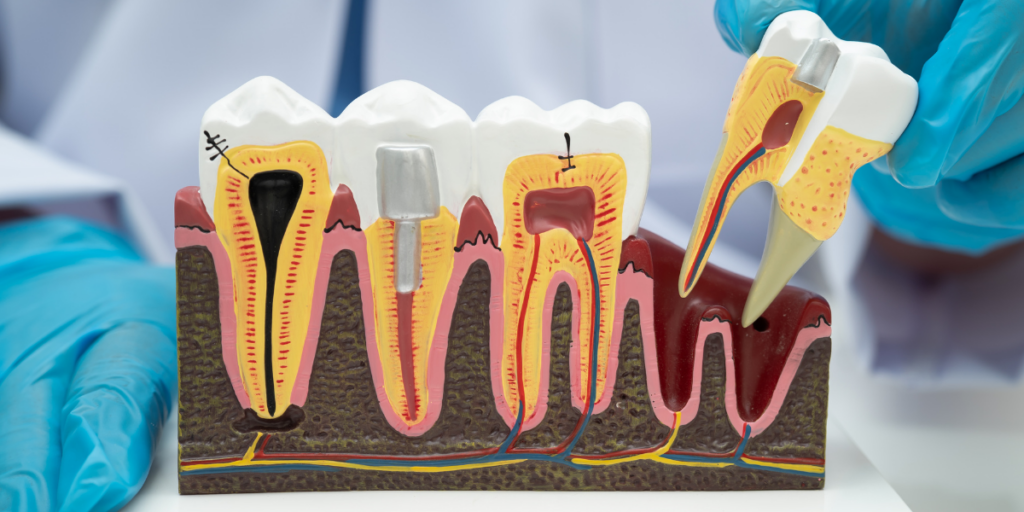
Several personal factors also guide treatment choices. A thoughtful dentist considers comfort, habits, and long-term results before recommending a plan. These details help tailor the treatment to each patient.
Bite Alignment and Pressure
An uneven bite can put stress on restorations, causing them to wear down faster. This can lead to discomfort or repeated damage over time. Proper alignment plays a key role in long-term success. In some cases, orthodontic treatment can improve alignment before restorative work. This creates a stable foundation for future treatments.
Bruxism (Teeth Grinding)
Grinding can quickly damage restorations, especially during sleep when pressure is uncontrolled. Over time, this can lead to cracks or worn-down surfaces. Patients with this habit often benefit from dental crowns rather than a filling. Stronger materials help withstand pressure and reduce the risk of damage.
Tooth Location Matters
Different teeth require different approaches. Front teeth are more visible, so appearance is a priority when choosing materials. Back teeth need to handle strong chewing forces. A dentist in Clifton selects materials based on these needs. This helps balance strength and appearance for each case.
The Role of Technology in Modern Dental Decisions
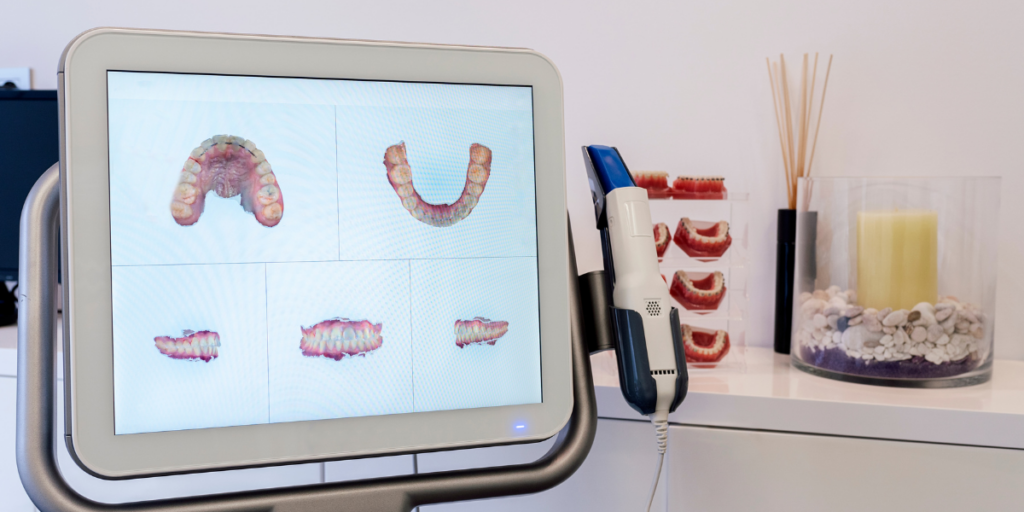
Modern tools help dentists make accurate decisions. A skilled dentist uses advanced imaging to plan better dental treatment options. This leads to more precise and predictable results.
Digital Imaging and 3D Scans
These tools give a detailed view of tooth structure and bone levels. They enable dentists to find issues that would not be apparent during a routine examination. They are especially useful when planning dental implants. Accurate imaging helps guide placement and improves treatment success.
Personalized Treatment Planning
A customized plan is given to each patient. A restorative dentist considers lifestyle, goals, and oral health before suggesting treatment. This approach supports effective tooth restoration and helps patients feel confident in their care decisions.
Choosing the Right Dentist in Clifton
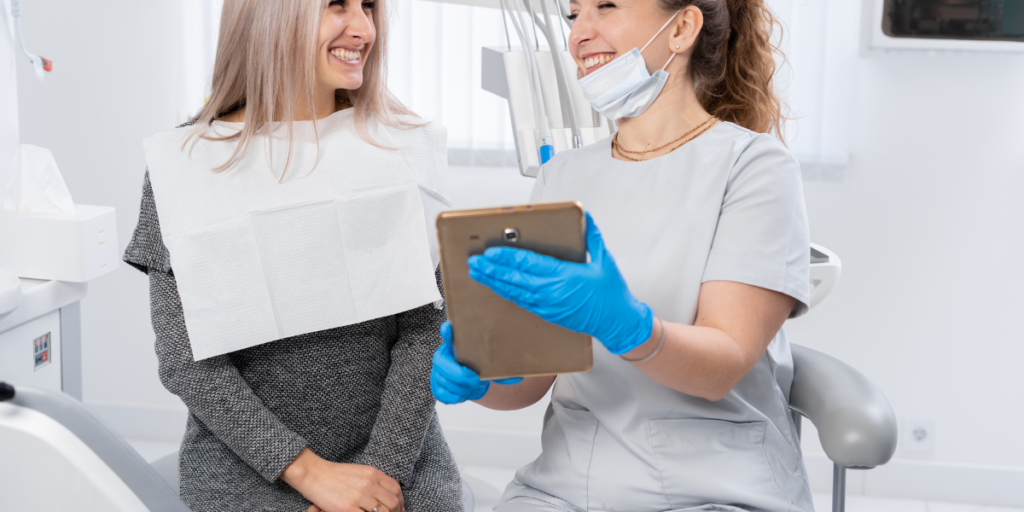
Finding the right dentist in Clifton plays a big role in long-term success. Experience and patient care matter when selecting dental treatment. A good provider takes time to explain options clearly.
What to Look For
When choosing a provider, look for experience with tooth restoration and knowledge of dental crowns and dental implants. These skills are important for handling different situations. Clear communication and a patient-focused approach also make a difference. Feeling comfortable with your dentist helps build trust and confidence.
Comprehensive Care Under One Roof
Clinics that offer multiple services, including access to an orthodontist, provide convenience. This allows patients to receive coordinated care in a single location. It also helps with long-term planning, especially for cases that require multiple treatments over time.
How Harmony Dental Arts Delivers Personalized, Comprehensive Dental Care
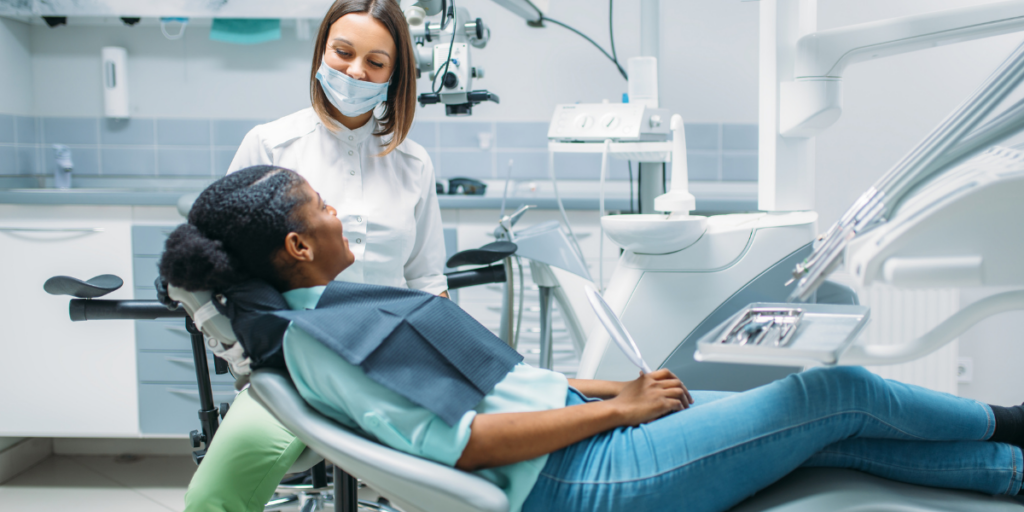
At Harmony Dental Arts, we provide patient-focused care in a welcoming setting. We focus on comfort, clarity, and long-term results in everything we do. Each visit is thoughtfully planned to meet your individual needs.
Our Full Spectrum of Services
We offer fillings, dental crowns, dental implants, and complete tooth restorations. Our services are designed to handle both simple and complex dental concerns. We guide you at every step, helping you understand your treatment and feel confident in your decisions.
Cosmetic and Orthodontic Solutions Tailored to You
We provide smile improvements along with alignment support from an experienced orthodontist. Our objective is to enhance your smile’s appearance and functionality. With our care, you can achieve a natural-looking smile that aligns with your personal goals.
Our Commitment to Comfort and Technology
We use modern tools to deliver accurate and comfortable treatment. Our approach helps reduce discomfort and improves your overall experience during each visit. We focus on gentle and efficient care so you can feel relaxed and at ease.
Personalized Treatment Plans That Put You First
We design treatment programs based on your objectives, habits, and needs. This allows us to support better long-term results for your oral health. Our care is tailored to your lifestyle, helping you confidently maintain your teeth’s health.
Conclusion
Choosing between treatments depends on strength, long-term stability, and your personal needs. Each option has its place when used at the right time. A consultation with a qualified dentist helps you choose the most suitable path for your oral health.
Book your appointment with Harmony Dental Arts today and let us help you choose the right treatment for lasting comfort and confidence. Our team is here to guide you with care, clarity, and personalized solutions.
Common Questions About Fillings, Crowns, and Implants
How does a dentist decide between a filling and a crown?
It depends on how strong the remaining tooth is. We assess your tooth and recommend the safest, long-lasting option.
Are crowns better than fillings?
Crowns last longer for damaged teeth. We guide you toward the option that suits your tooth strength and daily use.
When is a dental implant necessary?
When the tooth cannot be saved, we evaluate your bone and structure to plan the right replacement.
Can a filling turn into a crown later?
Yes, if the tooth weakens over time. We monitor your tooth and upgrade treatment when needed.
Do I always need a crown after a root canal?
Often, yes, to protect the tooth. We recommend a crown based on your tooth’s position and strength.
How do I know which option is right for me?
You need a professional evaluation. We design a plan based on your requirements and goals.