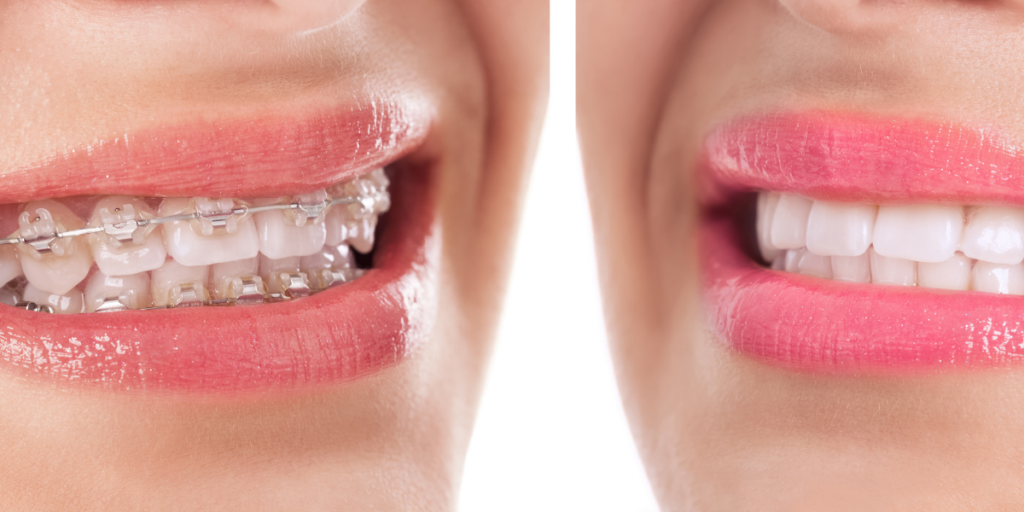
Finishing braces takes patience and trust in the result. Seeing the front teeth separate again can feel discouraging. If your open bite came back after braces, forces that affected them before treatment may still be active. Inconsistent retainer wear can contribute, but other explanations exist. Improper tongue posture, tongue thrusting, mouth breathing, abnormal swallowing, and jaw growth can play a role. Identify the cause before starting braces or aligners again. Otherwise, retreatment may ignore what pushed the teeth apart.
Why an open bite can return after braces
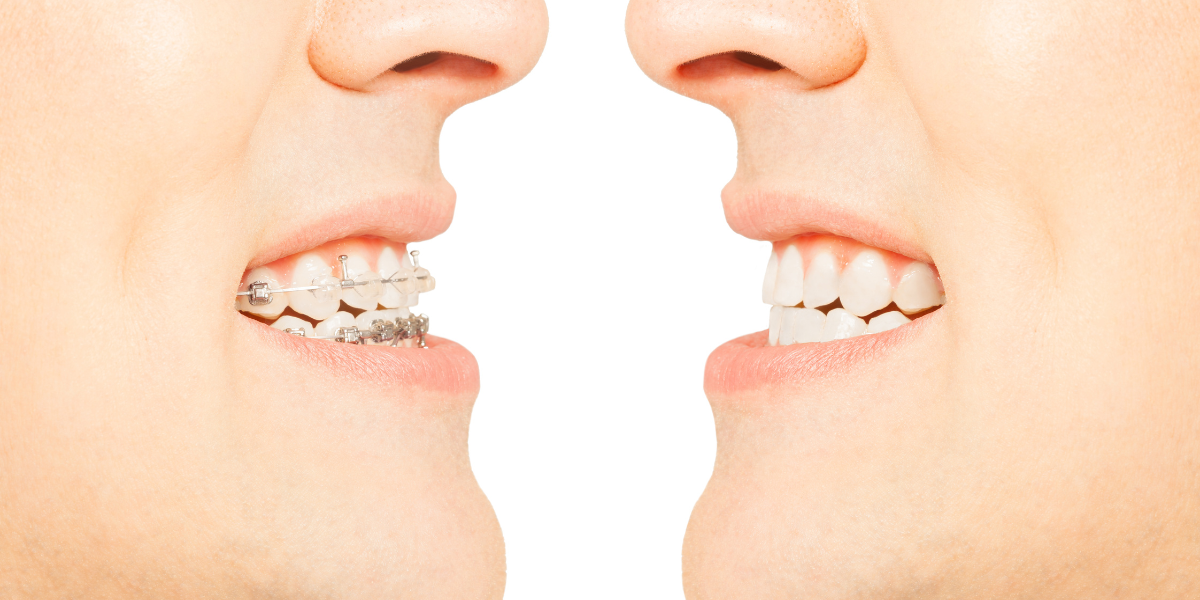
An open bite may return when retention is inadequate or when functional or skeletal forces continue after orthodontic treatment. A careful evaluation separates tooth movement from oral habits and jaw-related changes.
Understanding open bite relapse
When an open bite came back after braces, patients may notice that the front teeth no longer touch, biting food becomes difficult, speech changes, or a gap appears. Open bite relapse after braces can develop gradually, making photographs and dental records useful.
Retainer wear and orthodontic relapse
Orthodontic retainers hold teeth after braces or aligners. Irregular wear, damage, or poor fit can allow movement. However, a retainer may not prevent Invisalign relapse when tongue pressure or skeletal factors remain.
Schedule Your Visit with a Trusted Dental Team
Taking the next step toward better oral health starts with a simple conversation. Our experienced team is ready to answer your questions and help you plan your treatment with confidence.
Dental versus skeletal relapse
Dental relapse means teeth shifted from their corrected positions. Skeletal relapse involves jaw growth, vertical development, or upper and lower jaw relationships. Determining whether the problem is dental, functional, skeletal, or combined shapes treatment.
How tongue thrust can push the front teeth apart again
Tongue thrust after braces can place repeated forward pressure against or between the front teeth. Even light pressure may matter when it occurs frequently throughout the day.
Tongue pressure during swallowing
During a forward swallow, the tongue moves toward the teeth instead of against the palate. If the bite reopened, observing natural swallows may reveal a pattern missed during the original treatment.
Tongue pressure at rest
Tongue thrust is not limited to swallowing. A tongue resting between the teeth for hours continuously influences tooth position. Resting posture may matter as much as pressure during a swallow.
Why retreatment alone may not be enough
Moving the teeth again without changing the tongue habit may produce a short-lived correction. Addressing tongue position and swallowing before or during retreatment for open bite relapse can give the corrected teeth a more supportive functional environment.
Low tongue posture and open bite relapse
Low tongue posture can disturb the balance among the tongue, lips, cheeks, and teeth. The issue is not simply where the tongue goes during one exercise, but where it rests during ordinary daily life.
What proper tongue posture looks like
With proper tongue posture, the tongue rests gently against the roof of the mouth, not on the floor or between the teeth. The lips and jaw remain relaxed without clenching. Anatomy can affect the exact position.
How low tongue posture affects the bite
The relationship between tongue posture and open bite involves repeated muscle forces. A low tongue may provide less palatal support and move forward. When relapse occurs, resting posture deserves evaluation alongside retainer use.
Signs of improper resting posture
Possible signs include the tongue showing between the front teeth, lips remaining apart, difficulty breathing comfortably through the nose, and continued tooth movement despite regular retainer use. These observations are clues rather than a diagnosis.
Other myofunctional habits that may cause an open bite to return
Swallowing, breathing, speech, and resting posture form a connected system. One tongue movement may not reveal the wider pattern.
Improper swallowing patterns
An immature or forward swallow can continue into adulthood and pressure recently corrected teeth. It may be subtle, especially when a patient consciously changes the pattern during an examination.
Chronic mouth breathing
Mouth breathing may keep the tongue low. Nasal obstruction, allergies, enlarged tissues, or an established habit may contribute. Breathing concerns may require medical evaluation before functional retraining progresses.
Speech and oral muscle patterns
Some speech changes or reduced lip and tongue coordination may occur alongside an open bite. When patients ask, “Why did my open bite return?” a broader assessment of oral muscle function can identify patterns that a tooth-only examination may not reveal.
Signs that tongue function should be evaluated before retreatment
Tongue function should be assessed when tooth separation continues, swallowing looks forward, or the bite changes despite retainer use. Early evaluation helps determine whether functional care should begin before orthodontic movement.
Symptoms patients may notice
Watch for front teeth separating, the tongue pressing forward during swallowing, the tongue resting between the teeth, altered speech sounds, or difficulty biting food. If an open bite came back after braces despite consistent retention, another active force may be present.
What a professional evaluation may include
An evaluation may review resting tongue position, swallowing, nasal breathing, lip closure, tooth movement, and jaw relationships. Previous braces, aligners, retainers, treatment records, and the timing of the relapse provide important context.
Finding the appropriate provider
Patients may search for a myofunctional orthodontist near me, myofunctional therapy near me, or tongue thrust therapy New Jersey. Useful care may involve communication among a dentist, orthodontist, myofunctional therapist, speech-language pathologist, physician, or surgeon, depending on the findings.
Myofunctional therapy before or during open bite retreatment
Myofunctional therapy in Clifton uses targeted practice to address oral resting posture and function. It requires regular participation, repetition, and follow-up rather than occasional exercises.
What myofunctional therapy does
Myofunctional therapy for open bite may retrain tongue placement, swallowing, lip closure, nasal breathing, and muscle coordination. Evidence continues to develop, so recommendations should follow an individual assessment and coordinated plan.
Goals of therapy
Goals may include establishing a healthier resting tongue position, reducing forward pressure during swallowing, improving lip seal, and supporting nasal breathing where appropriate. Therapy also aims to make these patterns automatic enough to support orthodontic stability.
Schedule Your Visit with a Trusted Dental Team
Taking the next step toward better oral health starts with a simple conversation. Our experienced team is ready to answer your questions and help you plan your treatment with confidence.
When therapy should begin
Therapy may begin before retreatment when active tongue habits are pushing the teeth apart. It can continue during orthodontic movement and after correction to reinforce new patterns. Timing depends on age, breathing, oral structures, readiness, and treatment goals.
When a tongue crib or habit-breaking appliance may be recommended
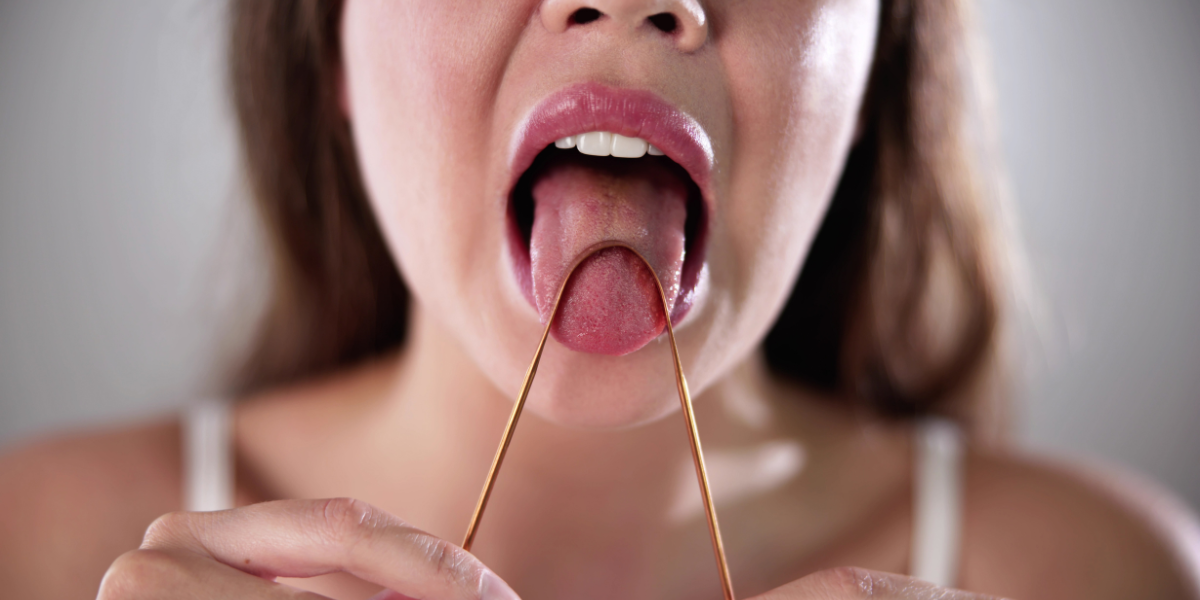
A tongue crib or another habit appliance may be considered when the tongue repeatedly moves between the front teeth. Appliances work best when selected for a specific functional and orthodontic finding.
What a tongue crib does
A tongue crib is a fixed or removable orthodontic device that blocks or discourages forward tongue placement. It acts as a physical barrier and reminder while the patient develops a different resting or swallowing pattern.
Fixed versus removable appliances
Fixed cribs remain in place without daily wear decisions. Removable appliances are easier to clean but require consistency. Age, bite, tongue behavior, cooperation, and the orthodontic plan influence selection.
Limitations of orthodontic devices
An appliance can redirect tongue pressure, but it does not independently correct nasal obstruction or automatically retrain swallowing. Combining a tongue crib with behavioral practice or myofunctional therapy may address both the barrier and the underlying movement pattern.
Why the bite must be reassessed before starting retreatment
- Teeth have shifted from their corrected positions
- Retainer fit or wear may be involved
- Spacing, angulation, and eruption require review
- Forward tongue pressure may continue
- Resting tongue posture may remain low
- Swallowing, breathing, or lip closure may need evaluation
- Jaw growth or vertical development may contribute
- Facial and jaw relationships require assessment
- Specialist consultation may be appropriate in severe cases
Retreatment should begin with new records and a fresh diagnosis. The bite may have changed since the original braces, and the current cause may differ from the original one.
Dental open bite evaluation
A dental evaluation reviews spacing, tooth angulation, eruption, arch relationships, and the amount of vertical opening. It also checks whether movement is limited to a few teeth or affects the wider bite.
Skeletal open bite evaluation
A skeletal evaluation considers facial proportions, vertical development, growth, and jaw relationships. In adults, significant skeletal discrepancies may limit what braces or aligners can accomplish alone.
When surgical evaluation may be discussed
Severe skeletal open bites may warrant consultation with an oral and maxillofacial surgeon. Surgery is not required for every relapse. However, skeletal causes should be identified before a clinician promises that nonsurgical tooth movement will fully correct the problem.
Can Invisalign fix an open bite caused by tongue thrust?
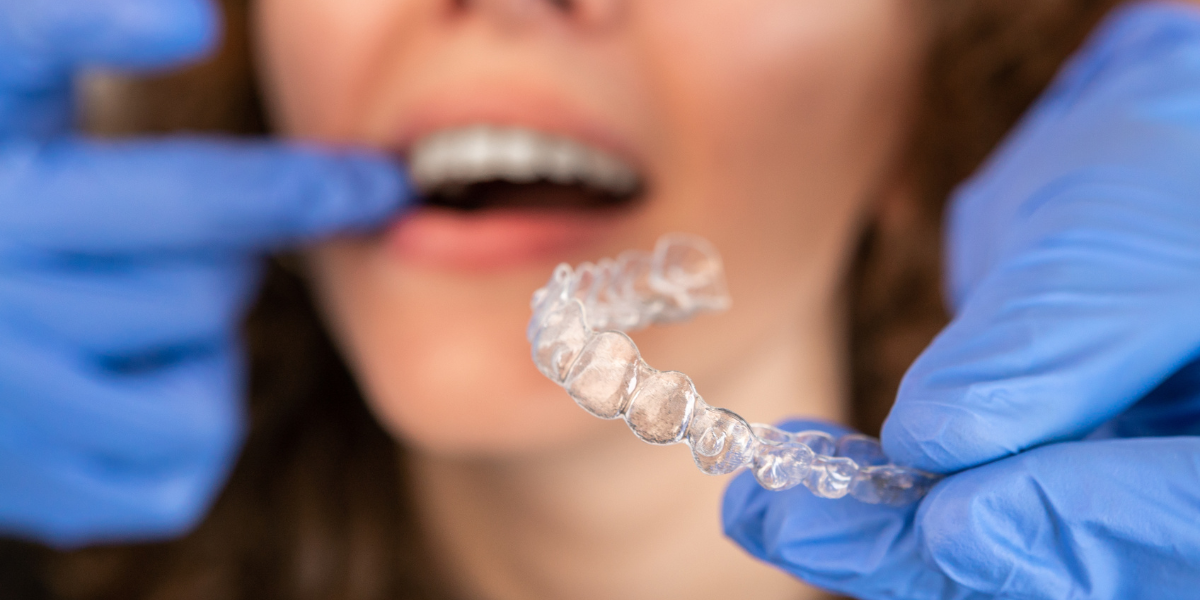
Clear aligners can close selected mild-to-moderate dental open bites, but they do not automatically correct the habit or skeletal cause behind the opening.
What Invisalign can correct
Invisalign in Clifton can reposition teeth through a planned sequence of clear aligners. Adults and professionals may appreciate their discreet appearance and removability. Suitability depends on the bite, tooth movement required, and patient compliance.
What Invisalign cannot do by itself
Can Invisalign fix tongue thrust? Aligners move teeth, but they do not teach proper tongue posture, correct mouth breathing, or change a significant skeletal discrepancy. If an open bite came back after braces because of continuing functional pressure, aligners alone may leave the relapse risk in place.
Combining Invisalign with functional treatment
Aligners may be combined with myofunctional therapy, elastics, retainers, or habit appliances. Coordinated timing helps teeth and muscles adapt together, potentially reducing another Invisalign relapse.
Creating a more stable retreatment plan
A stable plan identifies the cause, selects treatment that matches it, and prepares for long-term retention. No single appliance fits every relapse.
Schedule Your Visit with a Trusted Dental Team
Taking the next step toward better oral health starts with a simple conversation. Our experienced team is ready to answer your questions and help you plan your treatment with confidence.
Correct the cause before repositioning the teeth
The evaluation should identify forward tongue pressure, low tongue posture, mouth breathing, abnormal swallowing, and skeletal factors. These concerns may need attention before or alongside orthodontic movement, particularly when an open bite came back after braces once already.
Select the right orthodontic approach
Options may include braces, Invisalign, elastics, tongue cribs, restorative care, or surgical consultation. The appropriate combination depends on whether the relapse is dental, functional, skeletal, or mixed. Our Clifton orthodontic services begin with individualized planning.
Plan for long-term retention
Customized retainers and scheduled follow-up visits help preserve the corrected bite. Retention supports tooth position but does not replace tongue-habit treatment. Patients seeking open bite treatment near me should ask how function and retention will be monitored after active care. Regular reviews also let the team adjust retainers early if fit changes, wear appears, or the bite begins shifting again between visits.
How we evaluate open bite relapse at Harmony Dental Arts
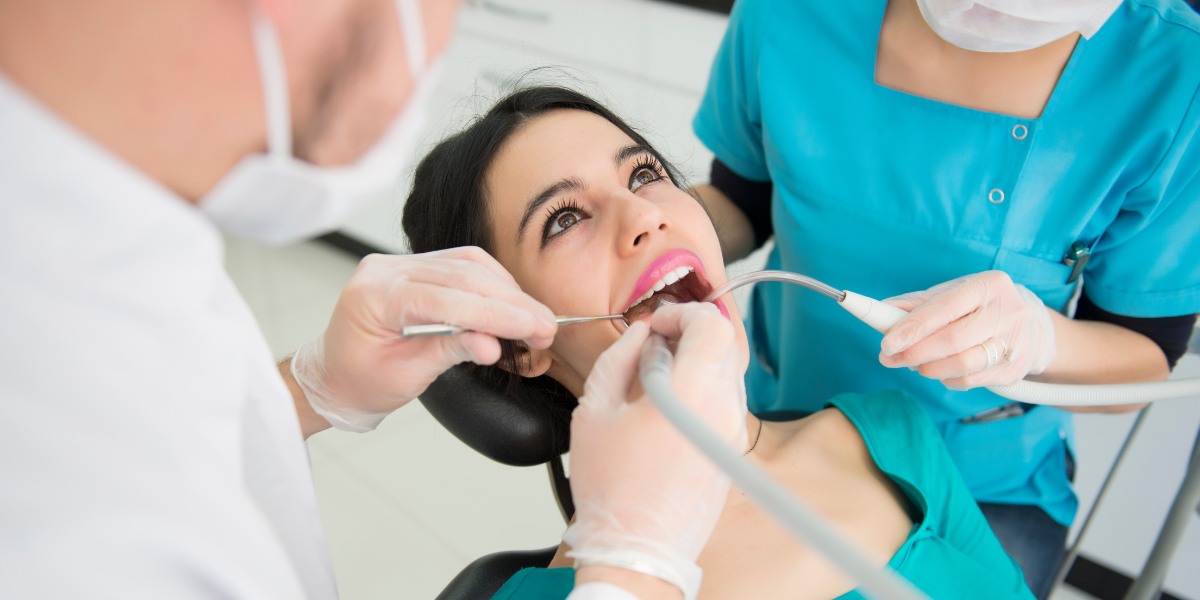
At Harmony Dental Arts, we look beyond the visible spacing. We assess why the bite changed so retreatment can address the current problem rather than repeat the previous plan automatically.
We look beyond the position of the teeth
We review the bite, tongue posture, swallowing, breathing habits, retainer history, and earlier orthodontic care. When an open bite came back after braces, this broader assessment helps us determine whether the relapse is dental, myofunctional, skeletal, or related to several factors.
We build treatment around the underlying cause
Our recommendations may include Invisalign clear aligners, restorative care, retention planning, myofunctional therapy, or referral for specialist evaluation. We consider the forces that could create another relapse before deciding how the teeth should move.
Conclusion
If an open bite came back after braces, missed retainer wear may be only part of the explanation. Tongue thrust, low tongue posture, mouth breathing, abnormal swallowing, and skeletal changes should be assessed before treatment begins again. Correcting the underlying cause through therapy, an orthodontic appliance, braces, clear aligners, retention, or specialist care can create a better foundation for stability. The right combination depends on a complete evaluation, not a one-size-fits-all retreatment plan. We use modern dental technology and current techniques to develop comfortable, individualized treatment plans. Patients in Clifton and nearby communities can contact Harmony Dental Arts for an evaluation before restarting orthodontic treatment