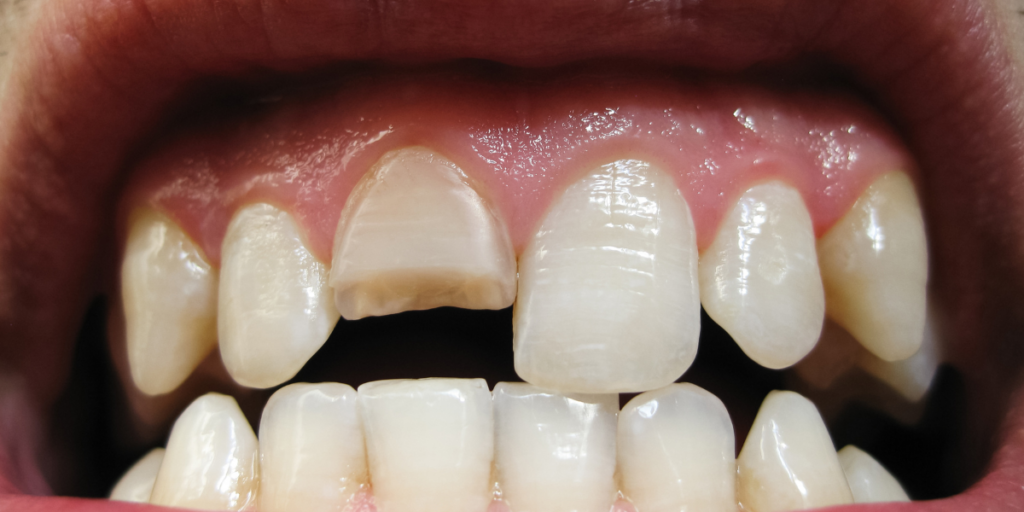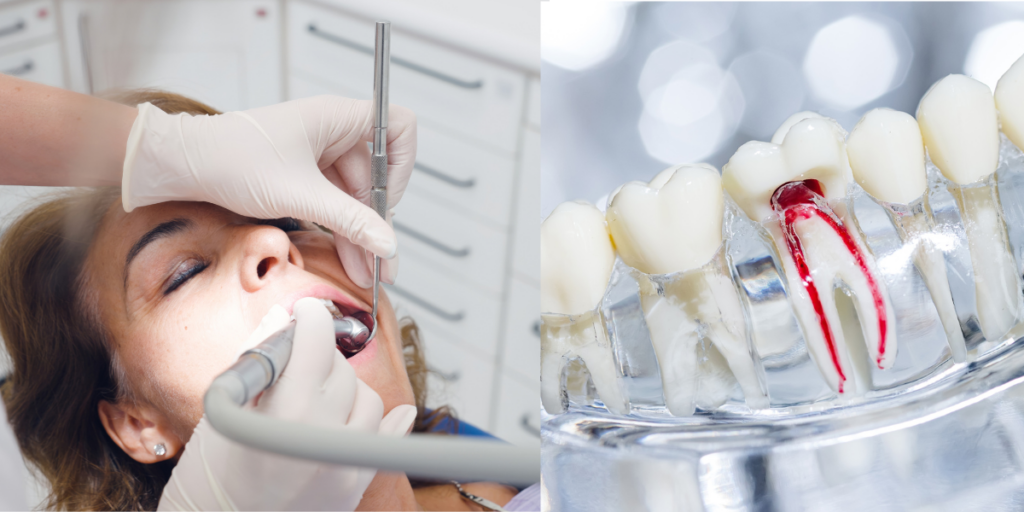
No pain can feel like a green light, especially with wisdom teeth. You chew fine, your gums look normal, and nothing hurts, so it’s easy to assume you’re in the clear. The tricky part is that wisdom teeth sit in a hard-to-see corner where problems can develop quietly. A tooth can be pushing, trapping bacteria, or weakening a nearby molar while you feel completely normal. This guide breaks down what can happen, what signs to watch for, and when removal is a smart choice.
Why Wisdom Teeth Can Cause Problems Without Any Pain
Painless symptoms are common with wisdom teeth because changes often happen slowly in the back of the mouth, and learning why regular dental checkups matter can help you catch silent issues before they become problems. The goal is to catch issues early so you can avoid stressful surprises later.
Wisdom Teeth Sit in a “Blind Spot” of the Mouth
Back molars are difficult to inspect and clean, so plaque can build up even with excellent brushing habits. That hidden area is a common start point for wisdom teeth problems, especially when food gets trapped near the gumline.
X-Rays Reveal What You Can’t Feel
Some of the most important clues are visible only on dental X-rays, including pressure on neighboring roots or early bone changes. This is why a wisdom teeth evaluation Clifton patients schedule can reveal concerns long before pain begins.
The Most Common Hidden Risks of Painless Wisdom Teeth
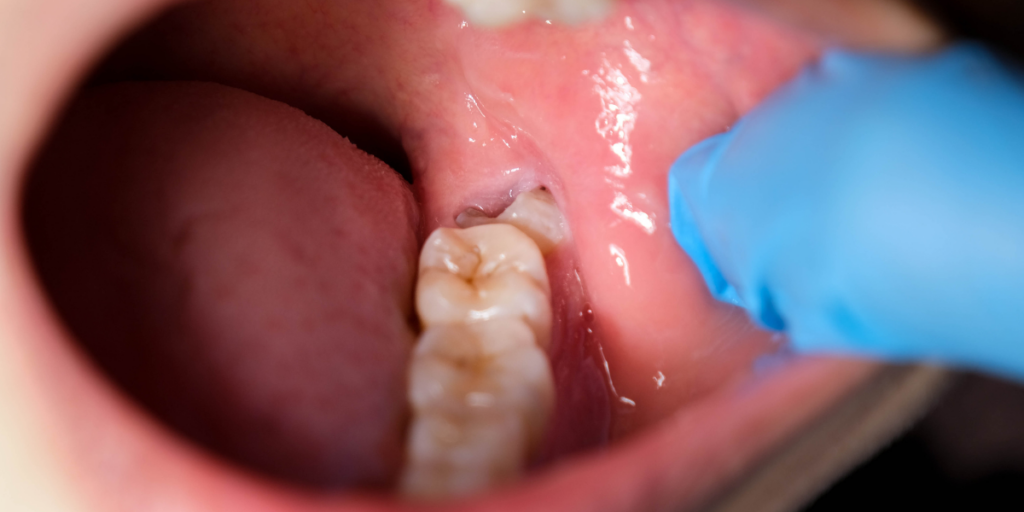
Even when you have painless wisdom teeth, long-term damage can still be happening out of sight. Think of this section as the “silent” category of issues that can affect teeth, gums, and bone.
Impacted Wisdom Teeth and Impacted Molars
Impacted wisdom teeth form when there isn’t enough space to erupt normally, so the tooth stays trapped in the jaw or grows at an angle. When pressure builds, impacted molars can push against the second molar and raise the risk of decay, root damage, and localized bone loss.
Partial Eruption and Gum Flap Infections (Pericoronitis)
With partial eruption, part of the tooth breaks through the gum and leaves a flap where food and bacteria collect. This can create swelling, a metallic taste, or recurring irritation that points to hidden infection risk, even if discomfort is mild.
Damage to Adjacent Teeth (Second Molars)
Angled wisdom teeth can wear down enamel or create a cavity-prone gap between teeth. Left unnoticed, this pattern of wisdom teeth problems can threaten a healthy second molar, which is one reason dentists sometimes recommend preventative tooth removal.
Gum Disease and Bone Loss in the Back of the Mouth
Wisdom teeth can create deep gum pockets that are tough to clean with a toothbrush or floss. Gum inflammation may start quietly behind the second molar and can progress alongside a hidden infection risk without obvious symptoms.
Cysts and Rare But Serious Complications
A cyst can develop around an unerupted tooth and gradually expand. These issues are often painless early on, and dental X-rays are typically how they’re found before they cause jawbone damage or tooth shifting.
Crowding and Bite Changes: Can Wisdom Teeth Shift Your Smile?
Crowding is one of the most common concerns patients raise, especially after orthodontic treatment. While there isn’t a single answer for everyone, it’s worth understanding what wisdom teeth can contribute to over time.
Do Wisdom Teeth Really Cause Crowding?
Wisdom teeth do not automatically cause jaw crowding, but they can add pressure in a mouth that already feels tight. Some people notice subtle shifting over time, and that change can appear alongside other wisdom teeth problems.
Wisdom Teeth and Orthodontic Results (Braces / Invisalign)
If you’ve invested in Invisalign or braces, stability matters. In certain cases, removal is recommended to reduce relapse risk and protect alignment, particularly when jaw crowding is already a concern.
Why Preventive Wisdom Teeth Removal Is Often Recommended (Even Without Pain)
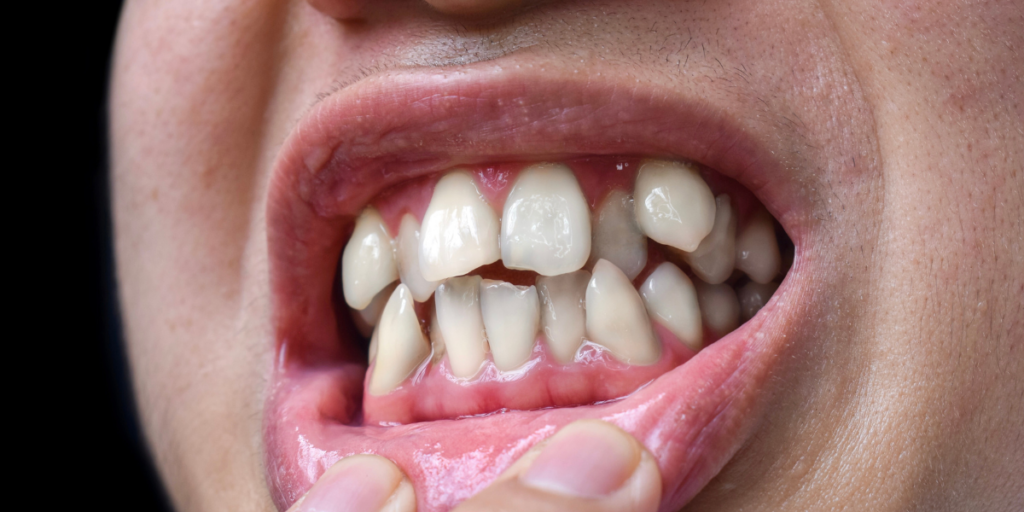
Dentists often discuss early removal because waiting can raise the chance of complications or urgent visits. The recommendation depends on tooth position, space, and what imaging shows.
Preventing Future Infections, Abscesses, and Gum Disease
Wisdom teeth are harder to clean, so bacteria can linger even when you brush well. Choosing preventative tooth removal can lower the odds of sudden swelling, gum infections, or an abscess driven by hidden infection risk.
Avoiding More Complex Treatment Later
Time can turn a simple situation into surgical extractions, especially if a tooth becomes harder to access or if roots fully develop. Addressing impacted wisdom teeth earlier can also help protect nearby structures and reduce the chance of a complicated recovery.
A “Wait and See” Approach Still Requires Monitoring
Some wisdom teeth can stay if they are fully erupted, aligned, and simple to clean. If you choose monitoring, routine exams and periodic dental X-rays are what keep a small issue from becoming a big one.
Best Age for Wisdom Teeth Removal: Why Early Is Often Easier
Many patients ask about the “right” age, and the answer often lands in the late teens to early twenties. That timing tends to align with easier healing and fewer technical challenges.
Why Ages 15–22 Are Often Ideal
Bone tends to be less dense, and roots may be smaller or incomplete, which can simplify removal. For some patients, that’s why clinicians recommend preventative tooth removal before problems develop.
What Happens If You Wait Until Your 30s, 40s, or Later?
Roots are usually fully formed, and bone is denser, which can increase the likelihood of surgical extractions. Adults still do well with treatment, but planning becomes more important, and recovery can take a bit longer.
Red Flags That Suggest Wisdom Teeth Should Be Removed
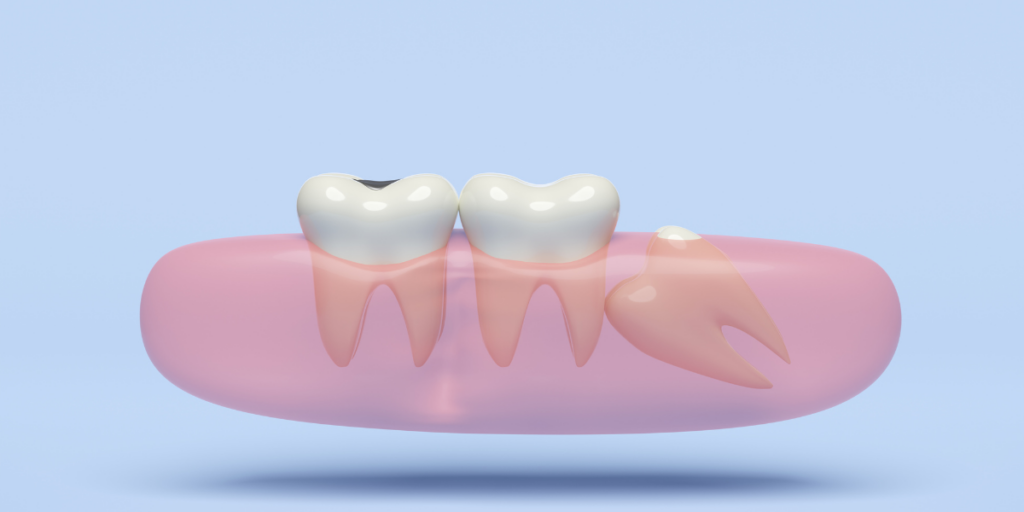
Symptoms are helpful, but they are not the whole story since wisdom teeth can cause damage quietly. Pay attention to changes in the back of the mouth, and consider evaluation even if pain is minimal.
Symptoms You Shouldn’t Ignore
A few signs often point to developing wisdom teeth problems:
- Swelling behind molars or a recurring sore spot near the back gumline
- Bad breath or a bad taste that returns, which can signal a hidden infection risk
- Jaw stiffness, chewing soreness, or pressure that comes and goes
Signs Your Dentist May See (Even If You Feel Fine)
Your dentist may spot concerns you cannot see, especially with imaging. Findings can include gum pockets behind second molars, early decay, or impacted molars pressing into a neighboring tooth, often confirmed with dental X-rays.
What to Expect from Wisdom Teeth Removal in Clifton (Comfort-Focused + Modern)
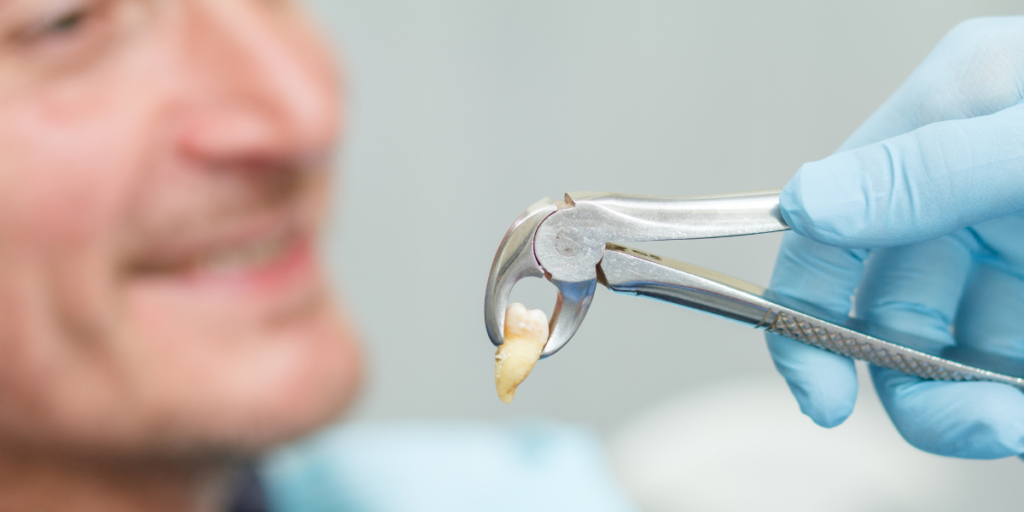
A lot of anxiety comes from outdated stories. Modern care is designed around comfort, clear planning, and predictable healing, especially when you work with a team experienced in oral surgery that Clifton patients trust.
Is Wisdom Teeth Removal Painful?
The procedure is performed with local anesthesia, and sedation may be available depending on your needs. Many people are surprised by how manageable wisdom teeth removal in Clifton can feel, even if they started with fears about pain.
Simple Extraction vs. Surgical Extractions
A simple extraction usually involves a fully erupted tooth with straightforward access. When teeth are trapped, angled, or only partly visible, surgical extractions may be needed, which is common with impacted wisdom teeth or partial eruption.
Recovery Timeline (What Patients Actually Experience)
Most recoveries follow a familiar pattern, with individual variation based on difficulty and health history. Many patients describe the process as a few focused days of rest, then steady improvement through the first week.
How We Help Patients at Harmony Dental Arts Feel Confident About Wisdom Teeth Decisions

A successful decision starts with clear information, not pressure. At Harmony Dental Arts, we focus on understanding what your teeth are doing now and what they’re likely to do next, so your plan fits your health and your schedule.
Our Wisdom Teeth Evaluation Process (Personalized + Technology-Driven)
We perform a careful exam and take dental X-rays to check for impacted wisdom teeth, partial eruption, and early signs of wisdom teeth problems. During your Clifton wisdom teeth evaluation visit, we walk through what we see and explain whether monitoring or removal is the better direction.
Comfort-First Care for Oral Surgery and Surgical Extractions
If removal is recommended, we prioritize a calm experience and clear instructions before and after treatment. For patients who need oral surgery Clifton services, our approach to surgical extractions centers on safety, precision, and comfort-focused planning.
Full-Spectrum Dentistry: Supporting Your Smile Before and After Removal
We consider all aspects of your oral health, such as gum health, bite stability, and the condition of your second molars. If wisdom teeth have contributed to shifting or jaw crowding, we can discuss options like Invisalign, plus restorative and preventive care that supports your smile long-term.
Next Steps: Schedule a Wisdom Teeth Evaluation in Clifton
If you have painless wisdom teeth, a quick check can still be a smart move because symptoms often arrive late. A personalized plan starts with a clear look at the back of the mouth, supported by dental X-rays and a straightforward conversation about options.
Book your appointment with Harmony Dental Arts for a wisdom teeth evaluation. Clifton visits and finds out whether monitoring, preventative tooth removal, or wisdom teeth removal Clifton is the best path for you. Our team will help you feel prepared, comfortable, and confident from your first consultation through recovery.
FAQ: Answers to the Questions People Ask Most
Why remove wisdom teeth if there is no pain?
Painless wisdom teeth can still cause silent damage like decay, cysts, and gum infection tied to hidden infection risk, at Harmony Dental Arts, we use exams and dental X-rays to explain what’s happening and whether removal is truly necessary.
Is it okay to leave wisdom teeth if they don’t hurt?
Sometimes, yes, if they’re fully erupted, aligned, cleanable, and monitored, but impacted wisdom teeth and partial eruption often lead to problems. With our team, you’ll get a clear monitoring plan after a wisdom teeth evaluation Clifton visit, with follow-ups based on your risk.
At what age is it too late to remove wisdom teeth?
There’s no strict cutoff, and adults can still do well with wisdom teeth removal in Clifton when planned properly. We’ll review imaging, discuss comfort options, and create a step-by-step plan that fits your health and timeline.
What are red flags for wisdom teeth removal?
Recurring swelling, gum flap irritation, decay on second molars, impaction on imaging, cysts, and ongoing jaw crowding concerns are common warning signs. Our office can confirm the cause with dental X-rays and recommend the simplest next step, from monitoring to removal.