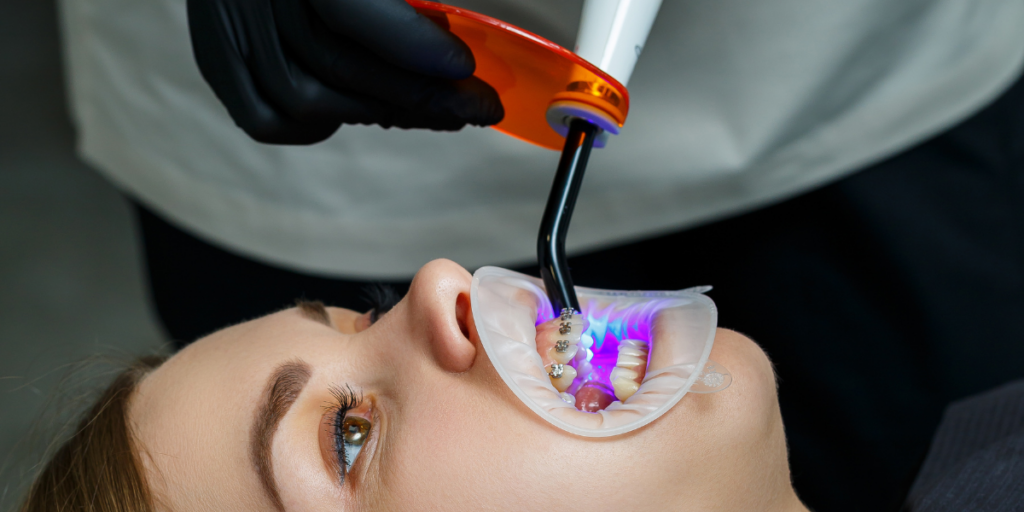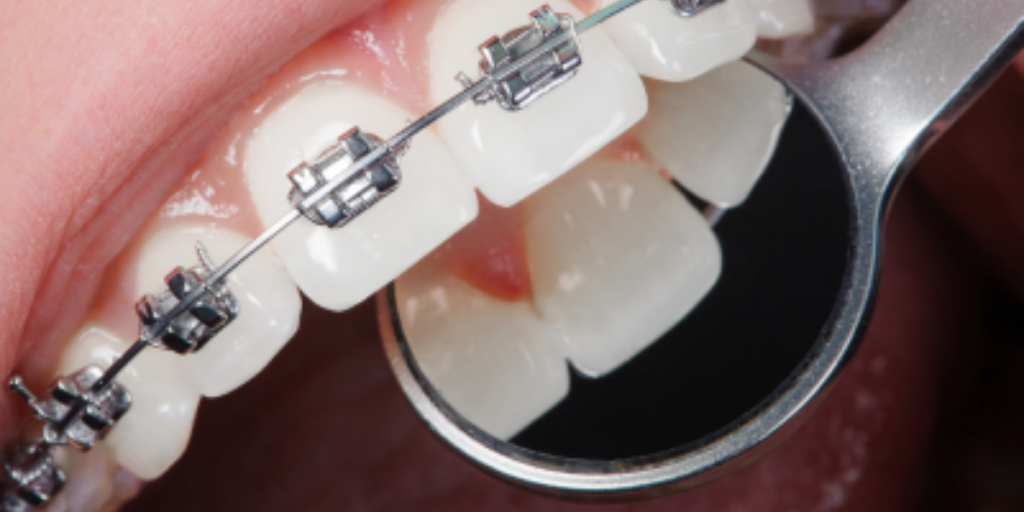
Orthodontic care requires commitment, patience, and a clear understanding of long-term benefits. Many patients begin treatment with enthusiasm, yet life circumstances can shift priorities. Adults, busy professionals, and families often consider stopping treatment early due to time constraints, discomfort, or financial pressure. Interrupting orthodontic treatment before completion can lead to dental relapse, instability, and added complications. Teeth that have started moving toward proper alignment may shift back, undoing progress. Before deciding to stop braces or aligner treatment, it is important to understand how this decision can affect your smile, bite, and future dental health. At our Clifton practice, we focus on personalized care designed to help patients stay on track and achieve lasting results. We work with patients to address concerns, adjust treatment plans when needed, and find solutions that support consistent orthodontic progress.
Understanding The Purpose Of Orthodontic Treatment
Orthodontic care improves both appearance and function. Straight teeth and a balanced bite contribute to better oral health, speech, and confidence. A detailed orthodontic consultation helps assess your needs through a complete dental alignment evaluation, ensuring a treatment plan tailored to your goals.
What Orthodontic Treatment Corrects
Orthodontic solutions address a wide range of concerns that affect daily life and long-term health:
- Crooked, crowded, or widely spaced teeth
- Bite problems that require bite correction therapy
- Jaw alignment issues that impact stability and comfort
Correcting these concerns improves oral hygiene and reduces strain on teeth and jaw joints.
Why Consistency Matters
Orthodontic progress depends on gradual, controlled tooth movement. Regular braces adjustment visits and ongoing orthodontic monitoring appointments ensure everything stays on track. Whether you’re using braces or Invisalign, consistency lets teeth shift safely into their ideal positions without complications. Missing appointments or stopping treatment early can interrupt this process and prevent your teeth from reaching their planned final alignment.
Schedule Your Visit with a Trusted Dental Team
Taking the next step toward better oral health starts with a simple conversation. Our experienced team is ready to answer your questions and help you plan your treatment with confidence.
What Happens When You Stop Orthodontic Treatment Midway?
Stopping treatment early disrupts the entire process. Teeth are left in unstable positions, which increases the risk of relapse and functional issues. Even if your teeth appear straighter than before treatment started, they may not be fully stabilized. Completing the recommended treatment plan helps create a stronger foundation for long-term results.
Rapid Relapse Of Teeth Position
When treatment stops, teeth often move back toward their original alignment. Without proper retainers for teeth alignment, stability is lost. This reversal can happen quickly, especially if the teeth have not fully settled into their new positions. Orthodontic relapse can affect the appearance of your smile and may require additional treatment to correct the changes.
Unresolved and Unstable Bite
Incomplete treatment leaves bite problems unresolved. Without proper alignment, patients may experience chewing difficulties and uneven pressure on teeth. Jaw discomfort can develop as the bite remains unbalanced, affecting daily comfort. A bite that has not been fully corrected may continue placing unnecessary stress on teeth and surrounding structures.
Increased Risk of Oral Health Problems
Partially aligned teeth are harder to clean effectively. Crowded areas trap plaque and bacteria, increasing the likelihood of cavities and gum disease. Poor alignment also makes flossing difficult, which can lead to long-term oral health concerns. Maintaining proper alignment is important because easier cleaning can support better long-term oral hygiene.
Wasted Time and Financial Investment
Stopping early means losing the progress made over months or even years. Restarting later may require more time and additional cost due to relapse. This can make treatment more complex than it was initially. Continuing orthodontic care as planned can help protect the progress already achieved and avoid unnecessary setbacks.
Retainer Incompatibility Issues
Teeth that have not reached their final position may not fit properly into retainers. This increases the chance of further shifting. Without proper stabilization, maintaining results becomes difficult.
Potential Consequences Of Braces Treatment Interruption
A braces treatment interruption can create real-world challenges that affect both oral health and daily comfort. The effects may vary depending on how long treatment was paused, how much tooth movement occurred, and whether retainers or follow-up care were used.
Rapid Orthodontic Relapse
Teeth can shift back quickly when support is removed too soon. This relapse often occurs faster than the original correction process. The longer treatment remains incomplete, the greater the chance that additional adjustments may be needed in the future.
Bite Problems and Jaw Strain
An incomplete bite can cause uneven chewing and pressure on certain teeth. Over time, this may lead to jaw strain or discomfort.
Schedule Your Visit with a Trusted Dental Team
Taking the next step toward better oral health starts with a simple conversation. Our experienced team is ready to answer your questions and help you plan your treatment with confidence.
Compromised Oral Hygiene
Misaligned teeth make brushing and flossing less effective. This increases the risk of plaque buildup and gum inflammation.
Long-Term Instability
Teeth may settle into positions that are worse than before treatment began. This can create new alignment issues that require correction.
Common Reasons Patients Stop Orthodontic Treatment
Understanding why patients consider stopping helps build trust and provide better solutions. Many treatment interruptions happen because of temporary challenges that can often be addressed with proper communication and adjustments to the treatment plan.
Busy Lifestyles and Scheduling Conflicts
Many patients struggle to keep up with appointments due to work or family responsibilities. Missing visits disrupts progress and delays results. Maintaining regular appointments allows your orthodontist to monitor tooth movement and make necessary adjustments before small delays become larger concerns.
Pain Or Discomfort
Temporary discomfort after adjustments is common. Misunderstanding this normal process can lead patients to stop prematurely. Mild soreness or pressure after orthodontic adjustments is usually part of the tooth movement process. Discussing discomfort with your provider can help identify ways to improve your experience.
Financial Concerns
Unexpected expenses or budget limitations may cause hesitation. Some patients are unaware of flexible payment options that make care manageable. Before stopping treatment due to financial concerns, discussing available options with your dental team may help you continue your planned care.
Preference for Discreet Options
Some individuals prefer less visible solutions. Interest in alternatives like clear aligners can influence decisions to stop traditional braces. Patients who are unhappy with the appearance or comfort of their current treatment may benefit from discussing alternative orthodontic solutions instead of stopping completely.
Important Considerations Before Stopping Treatment
Before deciding, evaluate the long-term impact and explore your options. Stopping orthodontic treatment without professional guidance can affect your progress and may create additional challenges later.
Communicate With Your Orthodontist
Discuss concerns openly with your orthodontist before stopping treatment. Adjustments can often be made to improve comfort or scheduling. Your provider may be able to modify your treatment approach, address discomfort, or suggest alternatives that better fit your lifestyle.
Explore Alternative Solutions
Switching to aligners or modifying your plan may provide a better fit for your lifestyle. Professional guidance helps ensure continuity. A customized adjustment to your treatment plan may allow you to continue working toward your smile goals without completely restarting the process.
Focus On Long-Term Results
Completing treatment ensures stable results and reduces the risk of future complications. It also prevents the need for additional corrective work later. Following your orthodontic plan as recommended helps support proper alignment, bite function, and long-term smile stability.
Can You Restart Orthodontic Treatment After Stopping?
If treatment has been interrupted, restarting is possible with proper evaluation and planning. Patients who stopped braces or aligner treatment midway can often continue care after their current dental condition is reviewed.
New Orthodontic Consultation And Evaluation
A new assessment is required to understand the current condition of your teeth and bite. Changes since stopping treatment must be carefully reviewed. Your orthodontist will evaluate tooth movement, alignment changes, and overall oral health before recommending the next steps.
Adjusted Treatment Plan
Your provider will create a revised plan based on your current needs. This may include braces or updated aligner options. The updated plan may differ from your original treatment depending on how much your teeth have shifted and your current goals.
Schedule Your Visit with a Trusted Dental Team
Taking the next step toward better oral health starts with a simple conversation. Our experienced team is ready to answer your questions and help you plan your treatment with confidence.
Timeline and Expectations
Treatment may take longer depending on how much shifting has occurred. Consistency becomes even more important during the second phase. Following appointments and treatment instructions closely can help improve progress after restarting orthodontic care.
How To Avoid Interrupting Your Orthodontic Care
Preventing disruption is key to achieving successful results.
Choose a Convenient Provider
Selecting a centrally located dentist clifton patients trust makes it easier to attend appointments. Accessibility plays a major role in consistency. Choosing a convenient practice can make it easier to maintain regular visits and stay committed throughout your orthodontic journey. Working with an experienced orthodontist in Clifton residents rely on ensures reliable care and guidance.
Stay Consistent With Visits
Regular appointments keep treatment progressing smoothly. Skipping visits can delay results and increase complications. Scheduled checkups allow your provider to track progress and make timely adjustments when needed.
Maintain Open Communication
Address concerns early with your provider. Adjustments can often be made to improve your experience.Whether you are experiencing discomfort, scheduling issues, or concerns about progress, discussing them early can help prevent treatment interruption.
Consider Flexible and Modern Options
Clear aligners offer a discreet alternative for those concerned about appearance. Customized plans make treatment more manageable. Modern orthodontic options can provide solutions for patients looking for comfort, convenience, and flexibility during treatment.
Why Personalized Orthodontic Care Matters
Every patient has unique needs, and personalized care ensures better outcomes.
Tailored Treatment Plans
Customized plans focus on individual goals and timelines. This improves efficiency and overall satisfaction. A personalized approach helps ensure your treatment plan matches your dental needs, lifestyle, and desired results.
Advanced Technology And Comfort
Modern tools enhance precision and reduce discomfort. Patients benefit from smoother and more predictable progress.
Comprehensive Dental Services
Having access to preventive, restorative, and cosmetic care in one place simplifies treatment. It also ensures continuity across all aspects of oral health.
Our Approach to Supporting Your Orthodontic Care at Harmony Dental Arts
We focus on delivering patient-centred care that supports long-term success.
Personalized Care Designed Around You
We create customized treatment plans based on your goals, lifestyle, and alignment needs. Every patient receives focused, one-on-one attention. We take time to understand your concerns, explain your options, and provide guidance to help you continue your orthodontic care with confidence.
Comprehensive Services In One Convenient Location
Our practice provides a full range of dental services, allowing seamless coordination between orthodontic and general care.
Modern Technology for Comfortable, Efficient Treatment
We use advanced tools to improve accuracy and comfort. Our aligner options provide discreet solutions for adults and professionals.
Ongoing Support and Monitoring
Regular check-ins and adjustments help keep treatment on track. Our team remains available to answer questions and provide guidance.
Conclusion
Stopping orthodontic treatment midway can lead to relapse, instability, and increased costs. Teeth may shift back, bite issues may remain unresolved, and oral health risks can grow over time. Completing treatment ensures long-term stability, improved function, and a confident smile. If you are thinking about pausing your orthodontic treatment, speak with your dental provider before making a decision. A professional evaluation can help you understand your options and protect the progress you have already made. If you are considering pausing your treatment, consult a trusted provider before making a decision. Our team in Clifton is ready to guide you with personalized solutions that fit your lifestyle. Call today to schedule your consultation and stay on track toward a healthier, more confident smile.