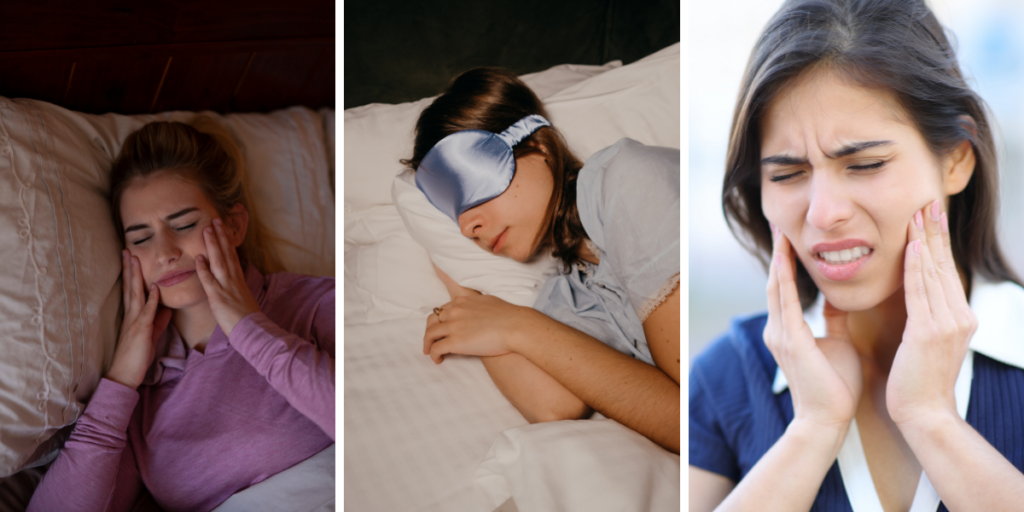
Waking up with headaches, noticing your teeth are flatter, or hearing that you snore can feel like three separate problems. In many cases, they are connected. Nighttime grinding of teeth, TMJ dysfunction, and sleep-disordered breathing can overlap in non-obvious ways. A patient may present with concerns about chipped teeth, then mention morning jaw tightness, poor sleep, or a partner complaining about loud snoring. A dental evaluation with a TMJ specialist, Clifton, NJ, may help identify whether your symptoms are mainly tooth-related, jaw-joint-related, airway-related, or a mix of several issues.
Are These Symptoms Connected? A Quick Answer From a TMJ Specialist in Clifton, NJ
Yes, worn teeth, morning headaches, and snoring can be connected. They may point to nighttime teeth grinding, TMJ dysfunction, sleep apnea, or a combination of these conditions.
Here’s the short version:
| Symptom | Possible cause | What it may mean |
| Worn or chipped teeth | Bruxism | Grinding or clenching during sleep |
| Morning headaches | TMJ strain or poor sleep | Jaw muscles may be overworked overnight |
| Jaw clicking or soreness | TMJ disorder | The jaw joint or muscles may be irritated |
| Loud snoring or gasping | Sleep-disordered breathing | Airflow may be restricted during sleep |
| Dry mouth and fatigue | Possible sleep apnea | Sleep quality and breathing may need evaluation |
One symptom alone doesn’t confirm a diagnosis. Several symptoms together, especially tooth wear, jaw discomfort, headaches, and snoring, deserve a closer look.
Schedule Your Visit with a Trusted Dental Team
Taking the next step toward better oral health starts with a simple conversation. Our experienced team is ready to answer your questions and help you plan your treatment with confidence.
Why Worn-Down Teeth Should Not Be Ignored
Tooth wear is easy to dismiss as aging or “normal use,” but teeth are not supposed to keep getting shorter, flatter, or more sensitive year after year.
Common signs of bruxism include:
- Flattened chewing edges
- Chipped, cracked, or uneven teeth
- Sensitive teeth
- Jaw tightness in the morning
- Gum recession or pressure-related sensitivity
- A partner hearing grinding sounds at night
Many people who grind their teeth have no memory of doing it. That’s because sleep bruxism often happens during deeper sleep stages or during brief arousals that the person never fully notices. Stress can play a role. So can bite imbalance, jaw muscle tension, airway restriction, and disrupted sleep. In some patients, grinding seems to be the body’s response to repeated micro-awakenings. The mouth is active, the jaw clenches, and the teeth take the force.
Morning Headaches, Jaw Pain, and TMJ Disorder: What They May Mean

The temporomandibular joints, often called the TMJs, connect your jaw to your skull. They work every time you chew, speak, yawn, or open wide. When those joints or the surrounding muscles become irritated, pain can travel.
That’s why TMJ problems don’t always feel like “jaw pain” only. They may show up as temple headaches, facial pressure, neck tension, ear-like discomfort, or soreness when chewing.
Common TMJ Symptoms to Watch For
You may benefit from an evaluation for TMJ disorder treatment Clifton patients trust if you notice:
- Jaw clicking, popping, or locking
- Pain when chewing
- Trouble opening wide
- Morning jaw soreness
- Facial tension
- Ear pressure without an ear infection
- A bite that feels uneven
- Headaches that feel worse after sleep or chewing
Clenching during sleep can overload the jaw muscles for hours. Unlike chewing, which happens in short bursts, nighttime clenching can create sustained pressure. That’s one reason morning headaches can be a TMJ clue. If headaches come with tooth wear, jaw clicking, or morning soreness, it may be time to see a TMJ specialist Clifton, NJ, patients can consult for a dental evaluation.
Snoring and Sleep Apnea: When a Dental Symptom May Be an Airway Warning Sign
Snoring is the noise produced when the airway is partially blocked. Sleep apnea is a condition characterized by pauses or reductions in breathing during sleep. But loud, chronic snoring should not be ignored, especially if it is associated with morning headaches, gasping, choking, dry mouth, poor concentration, or daytime fatigue.
Why Sleep Apnea Can Affect the Mouth and Jaw
Airway restriction may result in restless sleep. Restless sleep may increase clenching. Breathing through the mouth can dry it out and increase the chances of bad breath, irritation, and other problems with oral health. The space in the airway is also influenced by the position of the tongue and the jaw. This is why dentists might see things that point to a patient needing to be screened for possible sleep apnea.
Snoring, morning headaches, and worn teeth may be a sign that it’s time to look at sleep quality, airway health, and jaw function together. A coordinated approach can help bridge the dental and medical components for patients seeking sleep apnea treatment in Clifton.
Bruxism vs. TMJ Disorder vs. Sleep Apnea: How to Tell the Difference
These conditions overlap, but they are not identical.
| Condition | Common signs | When to seek care |
| Bruxism | Worn teeth, chipped teeth, sensitivity, tight jaw | If tooth wear, cracks, or morning jaw tension keep appearing |
| TMJ disorder | Jaw pain, clicking, locking, headaches, facial tension | If chewing hurts, the jaw locks, or headaches come with jaw symptoms, |
| Sleep apnea | Snoring, gasping, fatigue, dry mouth, morning headaches | If snoring is loud, breathing pauses are noticed, or daytime fatigue is ongoing |
A person can have bruxism without sleep apnea. A person can have sleep apnea without obvious tooth wear. But in real life, symptoms often cross over. That’s why self-diagnosis can be misleading. A nightguard may protect teeth from grinding damage, but it may not address airway-related sleep apnea. A sleep appliance may help certain diagnosed patients, but it has to be matched to the right condition and the right clinical findings.
When Should You See a Dentist for These Symptoms?

Schedule an evaluation if symptoms happen repeatedly, worsen, or affect your sleep and daily comfort. A family dentist Clifton, NJ patients trust may notice early warning signs during routine exams, such as enamel wear, cracks, bite changes, or jaw tenderness. You should be especially proactive if you notice patterns like these:
- You wake up with headaches, and your teeth feel sensitive.
- Your partner says you snore, and your dentist notices worn enamel.
- Your jaw clicks, and your bite feels different in the morning.
- You feel tired despite spending enough hours in bed.
- Your teeth look shorter than they used to.
Medical sleep testing may be needed to confirm sleep apnea. Dental care can support screening, prevention, oral appliance options, and referral coordination when needed.
How Dentists Evaluate Worn Teeth, TMJ Symptoms, and Possible Sleep Apnea
A careful dental evaluation may include:
- A review of symptoms, sleep habits, headaches, jaw pain, and oral health history
- An exam of tooth wear, cracks, enamel loss, and bite patterns
- TMJ and jaw muscle assessment
- Screening questions about snoring, fatigue, dry mouth, and possible breathing pauses
- A discussion about whether a sleep study or medical referral may be appropriate
The key is matching treatment to the cause. That sounds simple, but it’s where many people get stuck. Tooth wear, headaches, and snoring can share a timeline without sharing one single cause. Personalized dental wellness Clifton care looks at how the teeth, jaw, bite, muscles, and sleep symptoms interact.
Schedule Your Visit with a Trusted Dental Team
Taking the next step toward better oral health starts with a simple conversation. Our experienced team is ready to answer your questions and help you plan your treatment with confidence.
Treatment Options: What May Help Bruxism, TMJ Symptoms, and Sleep Apnea
For Bruxism and Tooth Wear
Custom nightguards or oral appliances may help protect teeth from grinding damage. If teeth are chipped, cracked, or severely worn, restorative care may also be needed. A bite evaluation can help identify dental factors that may be adding strain. Stress management and sleep quality may also come up during the conversation, because clenching rarely happens in isolation.
For TMJ Disorder Symptoms
Conservative TMJ care may include oral appliances, bite adjustments, jaw relaxation strategies, exercises, and symptom monitoring. Patients should not ignore jaw locking, ongoing pain, or worsening bite changes. A TMJ specialist Clifton, NJ residents can consult may help determine whether symptoms are muscular, joint-related, bite-related, or mixed.
For Snoring and Sleep Apnea Concerns
Sleep apnea must be properly diagnosed, often through a sleep study. Oral appliance therapy may be an option for certain patients with mild to moderate obstructive sleep apnea or CPAP intolerance, depending on diagnosis and provider recommendations. For patients considering sleep apnea treatment in Clifton, Harmony Dental Arts can help evaluate dental signs, discuss oral appliance options when appropriate, and coordinate care around the patient’s needs.
Key Takeaways: What Your Symptoms May Be Telling You
- Worn teeth may suggest nighttime grinding or clenching.
- Morning headaches may be linked to jaw muscle strain, TMJ issues, or poor sleep quality.
- Snoring may indicate airway restriction or possible sleep apnea.
- Overlapping symptoms deserve a dental and sleep-related evaluation.
- Early care can help protect teeth, reduce discomfort, and support better rest.
Small clues matter. A flat edge on a tooth. A tight jaw on Monday mornings. A headache that fades by lunch. A partner saying, “You were snoring again.” Put together, those details can tell a much clearer story.
How Harmony Dental Arts Helps With TMJ, Bruxism, and Sleep Apnea Concerns in Clifton

Harmony Dental Arts provides patient-centered dental wellness Clifton care for people dealing with worn teeth, jaw discomfort, bite concerns, and symptoms that may point to sleep-disordered breathing. If you are looking for a TMJ specialist Clifton, NJ patients can trust or want to learn more about sleep apnea treatment in Clifton, Harmony Dental Arts can help you take the next step. Worn teeth, jaw pain, headaches, and snoring are not symptoms to ignore. Schedule a visit with Harmony Dental Arts in Clifton, NJ to better understand what may be causing your symptoms and what treatment options may be right for you.
Conclusion
Worn-down teeth, morning headaches, and snoring may be connected through bruxism, TMJ disorder, sleep apnea, or overlapping issues. The important point is not to guess based on symptoms alone. A professional evaluation can help identify whether the concern starts with the teeth, the jaw joints, the airway, or several factors working together. Book an appointment with Harmony Dental Arts today to protect your teeth, improve jaw comfort, and take the next step toward better sleep and dental wellness. Have you noticed headaches, jaw tightness, or snoring becoming part of your normal morning routine?