Your dentist finds a damaged molar that needs attention. A regular filling may not offer enough support, but covering the entire tooth with a crown seems unnecessary. What happens next?
For some teeth, dental inlays and onlays in Clifton provide a middle option. These custom restorations repair specific areas of damage while retaining healthy tooth structure when possible. Questions about pain, cost, appearance, and durability can make people hesitate. These five myths deserve a closer look.
What Are Dental Inlays and Onlays, and Why Are They Used?
An inlay or onlay is made to fit a prepared tooth rather than shaped directly from filling material inside the mouth. Each serves a different purpose based on where the damage is located.
Understanding the Difference Between an Inlay and an Onlay
An inlay fits inside the grooves of a tooth’s chewing surface, between its raised points, called cusps. It restores the damaged area without covering those cusps. An onlay reaches over one or more cusps when they need protection or rebuilding. Both should fit comfortably against neighboring teeth. The distinction helps your dentist protect cusps that need additional support without covering healthy areas unnecessarily.
Schedule Your Visit with a Trusted Dental Team
Taking the next step toward better oral health starts with a simple conversation. Our experienced team is ready to answer your questions and help you plan your treatment with confidence.
When Might a Dentist Recommend These Restorations?
A dentist may consider an inlay or onlay for moderate decay, a worn or failing filling, or certain cracks that have not severely weakened the tooth. Damage location matters too. A small fracture near a cusp may create different risks from decay confined to the center of the tooth. Our approach to restorative dental care begins with checking what can safely remain and which restoration can support normal chewing.
Myth 1: Inlays and Onlays Are Exactly the Same as Regular Fillings
These treatments replace damaged tooth material but differ in fabrication, coverage, and clinical purpose.
How Custom Restorations Differ From Traditional Fillings
A dentist places a conventional filling directly into a prepared cavity and shapes it before the material hardens. Inlays and onlays are made separately using an impression or digital scan, then bonded into place. Larger cavities may need custom coverage. Patients considering dental fillings in Clifton can discuss these differences during an exam.
Does Every Cavity Require an Inlay or Onlay?
No. Small cavities often respond well to a direct filling, which usually needs only one appointment. We evaluate the tooth before recommending tooth-colored fillings or a more extensive restoration. A cavity near a cusp, a repeated filling failure, or a weakened tooth wall can change the treatment plan. The goal is a sound repair.
Myth 2: A Dental Crown Is Always Better Than an Inlay or Onlay
A crown is useful but not necessary for every damaged tooth. Dentists balance protection with preserving healthy enamel and dentin.
Why Preserving Natural Tooth Structure Matters
A full crown generally requires preparation around most of the tooth’s visible surface. An inlay or onlay may leave additional healthy structure intact when the damaged area is limited. Patients comparing ceramic crowns in Clifton with partial restorations should ask how much tooth preparation each choice involves. Preservation matters, but a dangerously weak tooth still needs protection.
When Does a Full Crown Become Necessary?
A crown may be appropriate when decay is extensive, several cusps are weakened, or a fracture threatens the tooth’s strength. Teeth with major wear or some root canal treatments may also need broader coverage. Our dental crown services address these situations. If you’re considering dental crowns in Clifton, NJ, an examination can show whether partial coverage provides enough support or a full crown is safer.
Myth 3: Getting Dental Inlays and Onlays Is Extremely Painful
Drilling or injections may feel intimidating. Local anesthesia typically helps manage discomfort, and your dentist can explain each stage.
What Happens During the Inlay or Onlay Procedure?
First, the dentist examines the tooth, removes decay or damaged filling material, and prepares the area for a secure fit. An impression or digital scan records its shape. A custom restoration is then produced and checked for fit, color, and bite before bonding. Local anesthetic helps control discomfort during preparation. You may notice pressure or vibration, but you should tell your dentist if anything hurts.
Will You Need Multiple Dental Appointments?
Lab-made inlays and onlays commonly take two visits. During the first, the tooth is prepared and impressions are recorded; a temporary restoration may protect it while the permanent piece is made. At the second visit, the dentist checks and bonds the finished restoration. Some offices have technology for same-day fabrication, but availability and suitability depend on the practice and the individual tooth.
What Should Patients Expect After Treatment?
Mild tenderness or sensitivity to temperature can occur after the anesthetic wears off. This should gradually improve. Follow instructions about chewing, particularly if you have a temporary restoration. A bite that feels high, pain when biting, increasing sensitivity, or discomfort that persists deserves a call to your dentist. Adjustments or further examination may be needed.
Myth 4: Inlays and Onlays Cannot Match the Appearance of Natural Teeth
Some patients picture visible metal. Tooth-colored materials can blend naturally, while other materials may suit particular functional needs.
Schedule Your Visit with a Trusted Dental Team
Taking the next step toward better oral health starts with a simple conversation. Our experienced team is ready to answer your questions and help you plan your treatment with confidence.
Which Materials Are Used for Inlays and Onlays?
Ceramic and porcelain offer tooth-colored results with good wear resistance, while composite resin may suit selected cases. Gold inlays and onlays have a long history of clinical use and can be durable, although their metallic appearance is noticeable.
Material choice depends on tooth location, remaining structure, bite forces, appearance preferences, and budget. No material is automatically ideal for every patient.
How Are Inlays and Onlays Designed to Blend With Your Smile?
For a natural-looking result, the dentist considers shade, contour, and how the restoration meets the surrounding enamel. A balanced bite also prevents excessive pressure.
Someone exploring ceramic crowns in Clifton may prefer a tooth-colored inlay or onlay if less coverage is clinically appropriate. By contrast, gold inlays and onlays may appeal to patients who prioritize material performance over a tooth-colored finish.
Myth 5: Dental Inlays and Onlays Last Forever Without Maintenance
Restorations can last for years but may wear, loosen, or chip. Daily care and follow-up visits matter.
How Long Can Inlays and Onlays Last?
There is no reliable expiration date for an individual restoration. Its longevity depends on the chosen material, bonding, tooth condition, biting pressure, and oral hygiene.
Back teeth may face heavier chewing forces. A dentist also checks whether the edges remain sealed and whether the supporting tooth shows new cracks. Dentists monitor wear and fit over time instead of promising that any specific restoration will last forever.
Can Cavities Develop Around an Existing Restoration?
Yes. The restored material cannot decay, but natural tooth tissue beside it still can. Plaque left along an edge may contribute to a new cavity, especially where cleaning is difficult. During routine dental examinations and cleanings, we look for changes in the margins, signs of leakage, damaged material, or new decay. Early attention may prevent further tooth damage.
What Habits Can Help Protect Your Restoration?
Brush twice daily with fluoride toothpaste and clean between teeth every day. Avoid chewing ice, pens, and similarly hard objects. If you clench or grind your teeth, ask whether a custom night guard is suitable. Keep scheduled checkups even when the tooth feels fine. These habits help protect the restoration and the natural tooth supporting it.
How Can You Decide Between a Filling, Inlay, Onlay, or Crown?
The right choice depends on your particular tooth. Dentists consider strength, function, appearance, costs, and future care.
What Does Your Dentist Check Before Recommending Treatment?
We look at cavity depth, existing fillings, cracks, remaining enamel, gum health, and how your teeth meet. X-rays or other imaging may help reveal damage that is difficult to see directly. For patients seeking dental fillings in Clifton, a small, stable cavity may need a straightforward repair. Others require cusp protection or broader coverage to reduce the risk of fracture.
How Do Treatment Costs and Insurance Affect Your Choice?
Fees reflect the restoration material, tooth location, complexity, and whether a dental laboratory is involved. Insurance plans may cover different portions of fillings, inlays, onlays, and crowns.
Ask for a written estimate and check your benefits before treatment. Patients researching dental crowns in Clifton NJ should compare the clinical recommendations alongside expected personal costs, rather than selecting a procedure by price alone.
Schedule Your Visit with a Trusted Dental Team
Taking the next step toward better oral health starts with a simple conversation. Our experienced team is ready to answer your questions and help you plan your treatment with confidence.
Tooth Restoration Comparison Table
| Restoration | Typical Use | Tooth Coverage |
| Dental filling | Small to moderate cavities | Fills the prepared cavity |
| Dental inlay | Selected moderate damage | Fits between the cusps |
| Dental onlay | Damage involving one or more cusps | Covers affected cusps and chewing surfaces |
| Dental crown | Extensive structural damage | Covers the visible prepared tooth |
Suggested visual: A labeled diagram comparing filling, inlay, onlay, and crown coverage.
How We Help Patients Make Informed Decisions at Harmony Dental Arts in Clifton, NJ
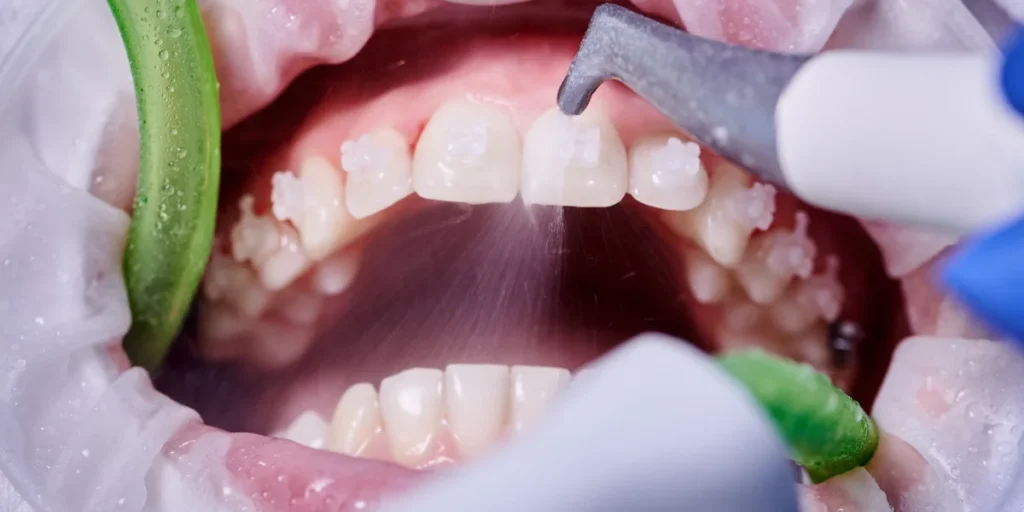
At Harmony Dental Arts, we explain what we find and why we recommend treatment. Each plan reflects the tooth’s condition.
We Assess the Condition of Your Teeth Before Recommending Treatment
Our team checks for decay, fractures, worn fillings, and other issues that affect tooth strength. We also consider discomfort, chewing patterns, and the extent of remaining healthy tissue. If you have a chipped or fractured tooth, our broken tooth repair service offers a starting point for evaluation. We welcome questions before treatment, including how long a suggested repair could take and what other reasonable options exist.
Our Restorative Care Focuses on Function and Natural-Looking Results
Our services include fillings, crowns, bridges, and other treatments for teeth needing repair. People searching for restorative dentistry in NJ deserve clear explanations of both the benefits and limitations of each choice.
We discuss whether an inlay, onlay, filling, or crown is appropriate based on examination findings and the treatment options available. For patients weighing ceramic crowns in Clifton, appearance and bite function are part of that conversation.
We Support Your Oral Health Beyond the Restoration
A successful repair still needs care afterward. We review brushing and flossing habits, recommend follow-up appointments, and address issues such as grinding when needed. Our preventive dentistry services help patients maintain the teeth and restorations they already have. Families looking for restorative dentistry in NJ can expect guidance that considers their comfort, daily habits, and ongoing dental health.
Conclusion:
Restorative treatment should match the damage, not a popular assumption. Fillings, partial restorations, and crowns all require care. If you notice a damaged tooth, recurring sensitivity, or an old filling that feels different, arrange an evaluation. At Harmony Dental Arts, we can explain whether an inlay, onlay, filling, or crown is appropriate. Contact our Clifton dental team to discuss your concerns, review treatment options, and schedule an appointment. A timely exam can help prevent a small problem from becoming a difficult repair.