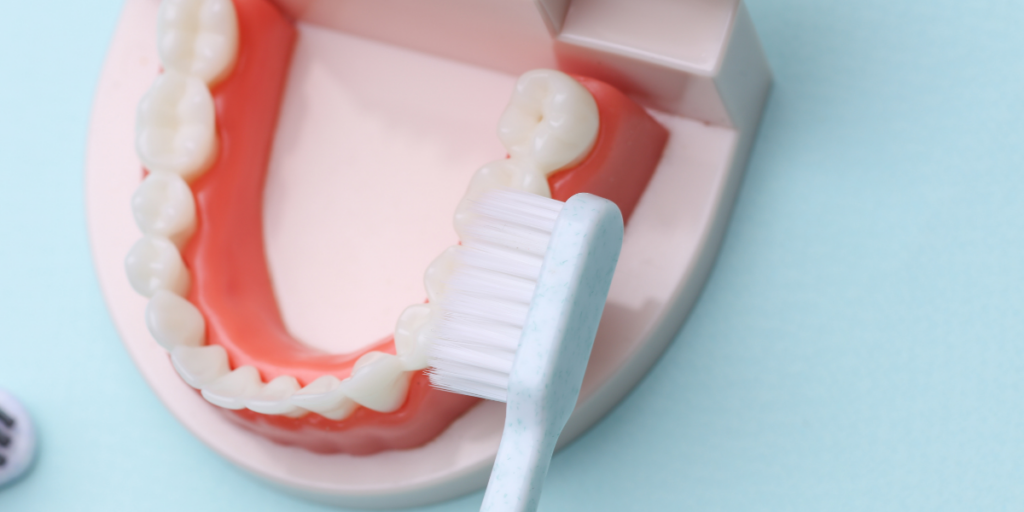
Professional cleanings matter, but most plaque control happens during the ordinary weeks between appointments. A person may brush every morning and night yet still notice gum irritation, surface stains, sensitivity, or cavities. Frequency helps, but technique, interdental care, eating patterns, hydration, and timely professional visits influence the result. For patients focused on improving their dental wellness in Clifton, the goal is a protective routine that is realistic enough to repeat. These dental hygiene tips support optimal dental wellness but do not replace an exam or professional dental cleaning in Clifton.
Concise answer: Maintaining dental wellness between cleanings requires five consistent habits: brushing correctly with fluoride toothpaste, cleaning between the teeth, limiting frequent sugar and acid exposure, protecting teeth from preventable damage, and responding early to changes in the mouth.
What Does Dental Wellness Between Cleanings Involve?
Dental wellness means protecting teeth, gums, enamel, bite, and oral tissues through daily care and professional monitoring. It includes comfortable chewing, stable gums, fresh breath, and early attention to unusual symptoms. Home care removes soft plaque, but hardened tartar requires professional instruments. A dental exam in Clifton can also identify concerns that may not yet cause pain. That do not yet hurt. Together, daily home care and professional visits support long-term dental wellness in Clifton.
Key Takeaway
Maintaining dental wellness between cleanings starts with consistent brushing, daily flossing, balanced food choices, proper hydration, and attention to early oral health changes. These simple habits help protect your teeth and gums until your next professional cleaning.
Key takeaway
- Home care manages daily plaque.
- Professional cleaning removes hardened buildup.
- Dental exams may uncover concerns before pain begins.
- Consistency works better than occasional intensive cleaning.
Habit 1: Brush Effectively, Not Aggressively
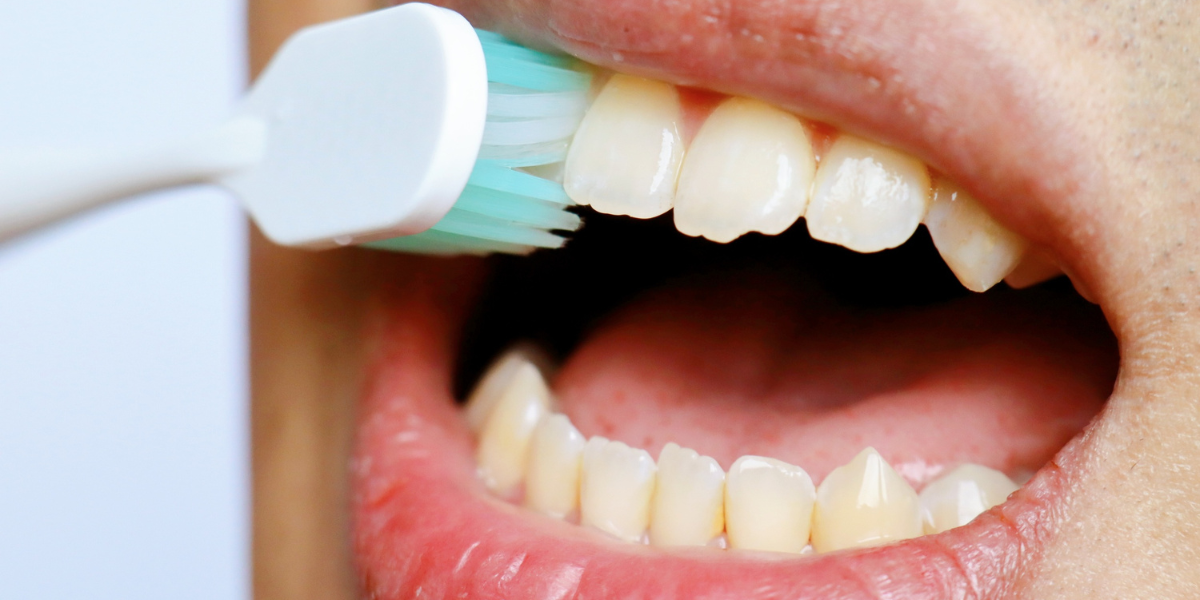
Brushing harder does not automatically clean better. Effective brushing depends on coverage, time, toothpaste, and controlled movement.
Follow a Complete Two-Minute Brushing Method
Brush twice daily for about two minutes with fluoride toothpaste and a soft-bristled brush. Angle the bristles toward the gumline and use short, gentle strokes across outer, inner, and chewing surfaces. Tilt the brush vertically behind the front teeth. Finish by gently cleaning the tongue. Nighttime brushing removes food debris and plaque collected through a full day of meals and drinks. The American Dental Association recommends brushing for two minutes twice daily with fluoride toothpaste and a soft-bristled brush.
Schedule Your Visit with a Trusted Dental Team
Taking the next step toward better oral health starts with a simple conversation. Our experienced team is ready to answer your questions and help you plan your treatment with confidence.
Replace Worn Toothbrushes and Brush Heads
Replace a manual toothbrush or powered brush head every three to four months, or sooner when the bristles look frayed. Bent bristles lose effective contact with tooth surfaces and the gumline. Manual and electric brushes can both work when used correctly. Choose a brush suited to your needs. Braces, sensitive gums, restorations, limited dexterity, or crowded teeth may call for a different head size or powered option. Ask which design fits your oral wellness routine.
Habit 2: Clean the Areas Your Toothbrush Cannot Reach
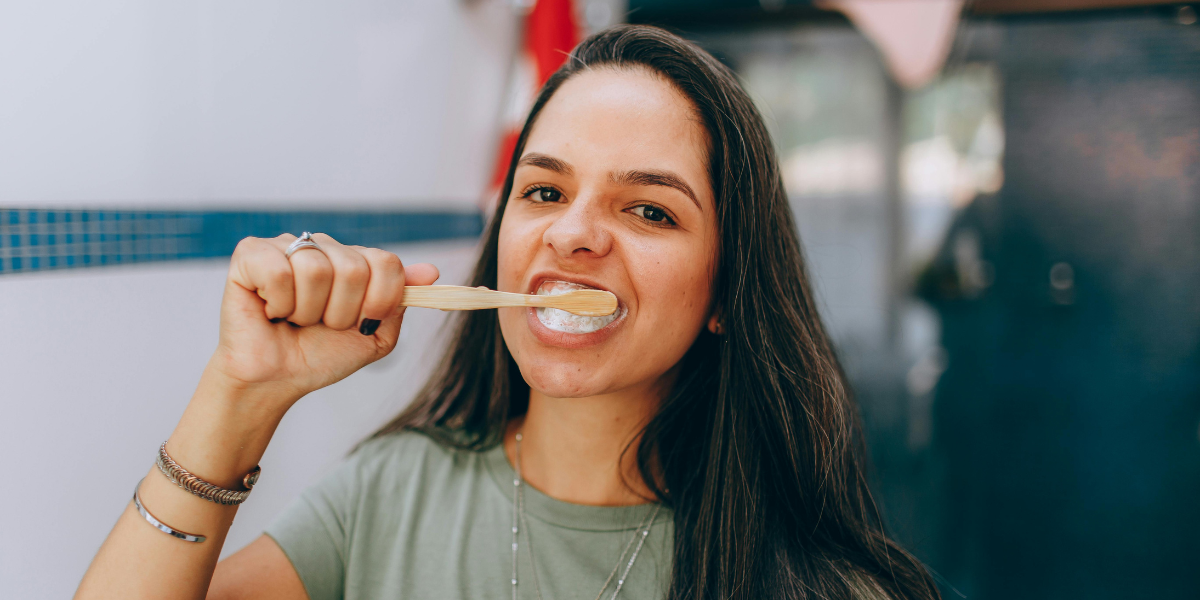
A toothbrush cannot reliably enter every contact point between teeth. Plaque may remain around tight spaces, bridges, implants, braces, or inflamed gums.
Choose an interdental tool you will use consistently.
Clean between the teeth once daily with floss or another tool recommended by a dental professional. Options include floss, holders, interdental brushes, threaders, and water flossers. NIDCR recommends regular interdental cleaning, ideally once a day, and recognizes several types of tools rather than a single universal solution.
If floss repeatedly shreds, feels difficult to guide, or causes discomfort, Ask for a demonstration during your next dental exam in Clifton. A complete nighttime routine adds interdental and tongue cleaning to two minutes of brushing. Those extra minutes reach surfaces brushing alone misses, strengthening your oral wellness routine.
Habit 3: Manage Sugar, Acids, Snacking, and Hydration

Dental risk is influenced by both what you consume and how often. Slowly sipping a sweetened drink or grazing all afternoon repeatedly challenges enamel.
Give Your Mouth Time Between Meals and Drinks
Choose defined meals and snacks when practical, rather than continuous grazing. Limit beverages with added sugar, avoid holding acidic drinks in the mouth, and rinse with plain water after coffee, tea, or acidic foods. The CDC recommends limiting foods and beverages high in added sugar as part of preventive oral care. After vomiting or strong acid exposure, rinse rather than brush aggressively right away. Seek individualized guidance for recurring reflux, vomiting, or dietary acid exposure.
Schedule Your Visit with a Trusted Dental Team
Taking the next step toward better oral health starts with a simple conversation. Our experienced team is ready to answer your questions and help you plan your treatment with confidence.
Support Saliva With Regular Water Intake
Saliva moistens the mouth, washes away particles, assists swallowing, and carries minerals that help protect teeth. Persistent dry mouth can increase discomfort and the risk of decay or oral infection. Drink water regularly and mention continuing dryness during a Dental checkup in Clifton. Medications, health conditions, or dehydration may contribute, so cosmetic rinses may not address the cause. Dry mouth can change a patient’s risk profile and home-care needs.
Habit 4: Protect Your Teeth From Everyday Damage
Enamel wear, grinding, sports injuries, cracked restorations, and poorly chosen whitening products can affect comfort and function.
Separate a Brighter Smile From a Healthier Smile
Tooth color does not reliably indicate dental health. Whitening can change shade, but it does not remove tartar, repair decay, or treat inflamed gums. Before beginning teeth whitening in Clifton, schedule an evaluation if you have sensitivity, visible cracks, restorations, enamel wear, or untreated concerns.
Professional guidance can determine whether whitening is appropriate. Fillings, crowns, and veneers may not respond like natural enamel. At Harmony Dental Arts, patients interested in teeth whitening in Clifton can have their gums, enamel, sensitivity, and existing dental work reviewed before selecting an approach. The clinic also provides preventive examinations and cleanings at its Clifton office. A daily oral wellness routine remains important regardless of whether a patient chooses whitening. Clean teeth are not necessarily whiter, and whiter teeth are not necessarily healthier.
Pay Attention to Grinding and Physical Protection
Morning jaw tension, worn edges, recurring headaches, cracked teeth, or unexplained sensitivity deserve evaluation. These signs do not confirm grinding, so avoid buying an appliance without an assessment. Use a properly fitted mouthguard for contact sports and activities that carry a significant risk of facial injury. The CDC includes mouthguards among its preventive recommendations for contact sports and high-risk activities. Prevention is a practical part of optimal dental wellness.
Habit 5: Monitor Changes and Keep the Right Dental Visit Schedule
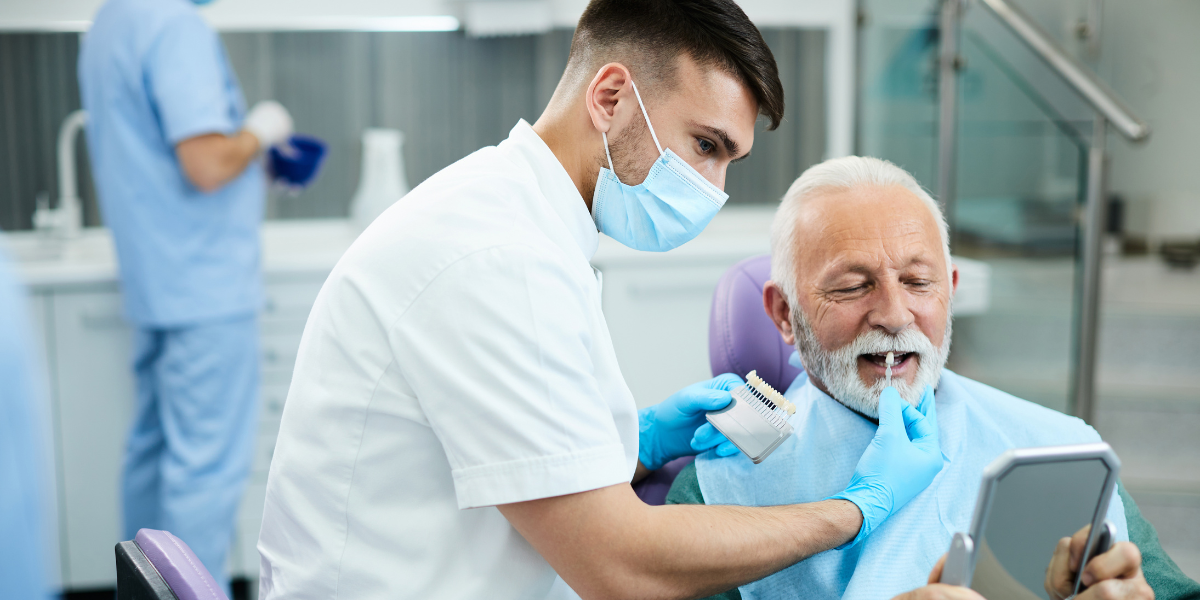
Cleaning frequency may vary with gum health, cavity history, dry mouth, orthodontic treatment, restorations, medical conditions, and previous dental disease. NIDCR notes that higher-risk patients may require more frequent visits or additional preventive measures.
Know Which Changes Should Be Evaluated
Contact a dental office when you notice persistent or worsening changes such as:
- Gums that bleed repeatedly
- Persistent bad breath
- New or increasing sensitivity
- Tooth or jaw pain
- A chipped, cracked, loose, or injured tooth
- Gum swelling or visible tissue changes
- A mouth sore that does not heal
- A change in the bite
- Continuing dry mouth
- A filling, crown, implant, or restoration that feels different
Seek prompt care for severe pain, increasing swelling, trauma, or worsening symptoms.
Schedule Your Visit with a Trusted Dental Team
Taking the next step toward better oral health starts with a simple conversation. Our experienced team is ready to answer your questions and help you plan your treatment with confidence.
Understand What Professional Care Adds
A dental cleaning in Clifton and a dental exam Clifton service have different purposes. A cleaning focuses on plaque and tartar removal, polishing, gum health, and home-care feedback. An examination evaluates the teeth, gums, bite, restorations, oral tissues, and possible treatment needs.
A Dental checkup in Clifton may include both, depending on the scheduled services and patient needs. Harmony Dental Arts explains that its cleaning and exam visits may include plaque and tartar removal, a gum and tooth assessment, digital X-rays when appropriate, an oral exam, and a discussion of daily care. Home care supports this process, but it cannot remove hardened tartar or replace clinical evaluation.
How Harmony Dental Arts Supports Dental Wellness in Clifton
At Harmony Dental Arts, we consider symptoms, habits, health history, restorations, and long-term goals. During a dental exam in Clifton appointment, our team can identify areas missed during brushing or interdental cleaning. We can suggest tools based on gum health, tooth spacing, orthodontic appliances, dexterity, and dental work. A professional dental cleaning in Clifton removes deposits that home brushing cannot safely lift.
Our Clifton services also include teeth whitening in Clifton, saliva testing, and oral microbiome analysis. Saliva testing may offer added information about bacteria, inflammation, cavity risk, dry-mouth indicators, and the oral environment. It works alongside clinical care rather than replacing an examination. Our role is to help patients translate general advice into a realistic oral wellness routine tailored to their individual dental risks.
Bring toothbrush questions, flossing difficulties, sensitivity concerns, or product labels. Small adjustments are often easier to maintain than a complete overhaul of the routine. That practical approach supports Dental Wellness Clifton. That is the practical foundation of Dental Wellness Clifton.
Conclusion
Brush thoroughly, clean between teeth daily, manage sugar and acid exposure, stay hydrated, protect teeth, and respond early to symptoms. Repetition creates the benefit. If you are due for preventive care, noticing a change, or unsure whether your routine is effective, schedule a Dental checkup in Clifton with Harmony Dental Arts. Our Clifton dentist can evaluate your oral health, identify areas of concern, and help you maintain optimal dental wellness. Contact the office to arrange your next exam and cleaning and keep your oral health moving in the right direction.
Frequently Asked Questions
How often should I schedule a dental cleaning in Clifton?
Timing depends on gum health, cavity risk, medical history, dry mouth, previous disease, and home care. Higher-risk patients may need additional visits, so follow the schedule recommended after your assessment.
Is brushing twice a day enough for optimal dental wellness?
No. Twice-daily brushing with fluoride toothpaste should be combined with daily interdental cleaning, sensible eating patterns, hydration, symptom monitoring, and professional care.
What is the difference between a dental exam and a dental cleaning?
A cleaning removes plaque and tartar, polishes the teeth, and supports gum health. An exam evaluates the teeth, gums, bite, restorations, oral tissues, and signs of disease or damage. A visit may combine both services.
Can teeth whitening replace a professional dental cleaning?
No. Whitening changes tooth shade. Professional cleaning removes plaque, tartar, and certain surface stains. Whitening does not treat cavities, gum inflammation, infection, or damaged restorations.
When should I contact a dentist before my scheduled checkup?
Contact a Dentist in Clifton for persistent pain, swelling, repeated bleeding, a broken tooth, a loose restoration, worsening sensitivity, a bite change, or a mouth sore that does not heal. Seek prompt guidance when symptoms are severe, rapidly worsening, or related to trauma.