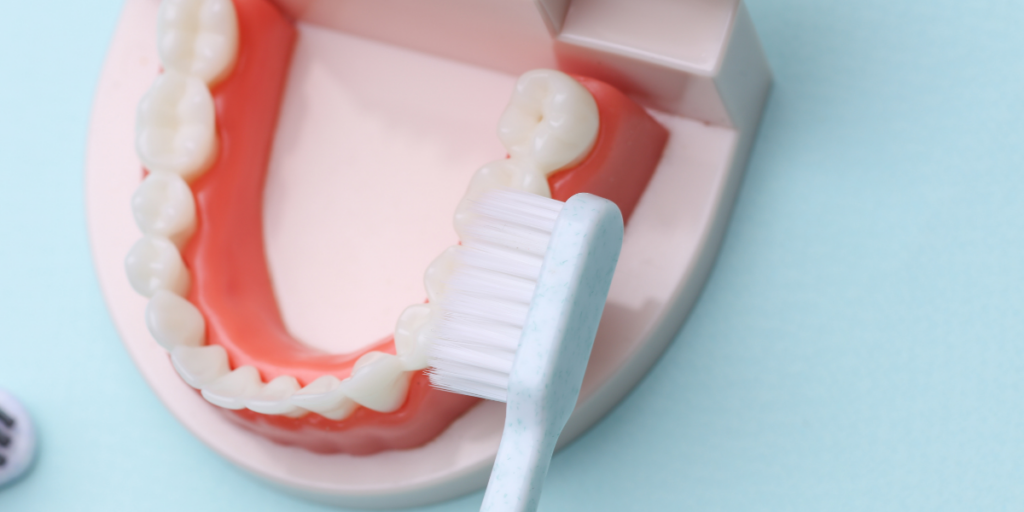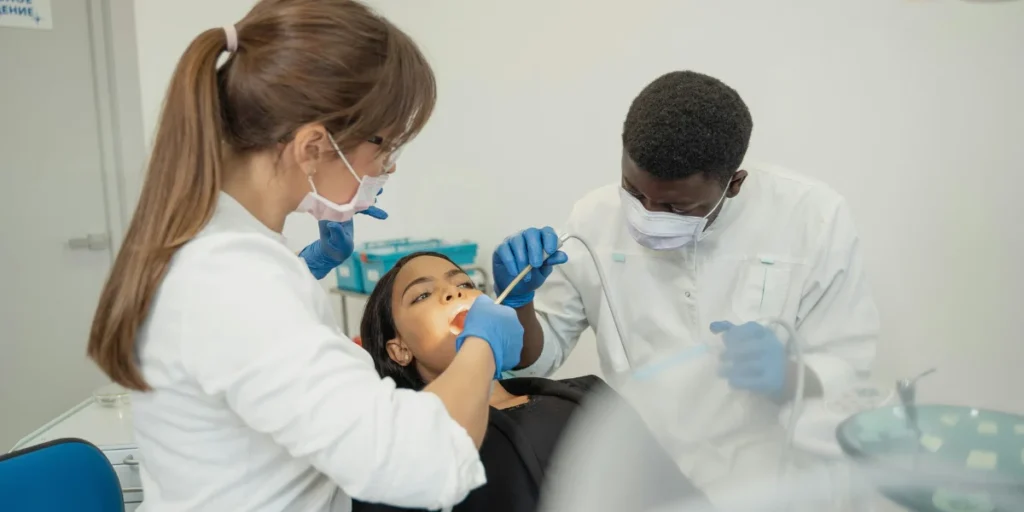
Dental problems can develop quietly, but persistent pain, swelling, bleeding gums, damaged teeth, and chronic bad breath are important signs you need a dental exam. Knowing when to see a dentist can help you respond before the underlying problem becomes more difficult to treat. If you need a dental exam in Clifton, NJ, a dental checkup in Clifton, NJ, or a dentist in Clifton, NJ, these five warning signs can help you decide when professional care is appropriate.
1. Persistent Tooth Pain That Does Not Go Away
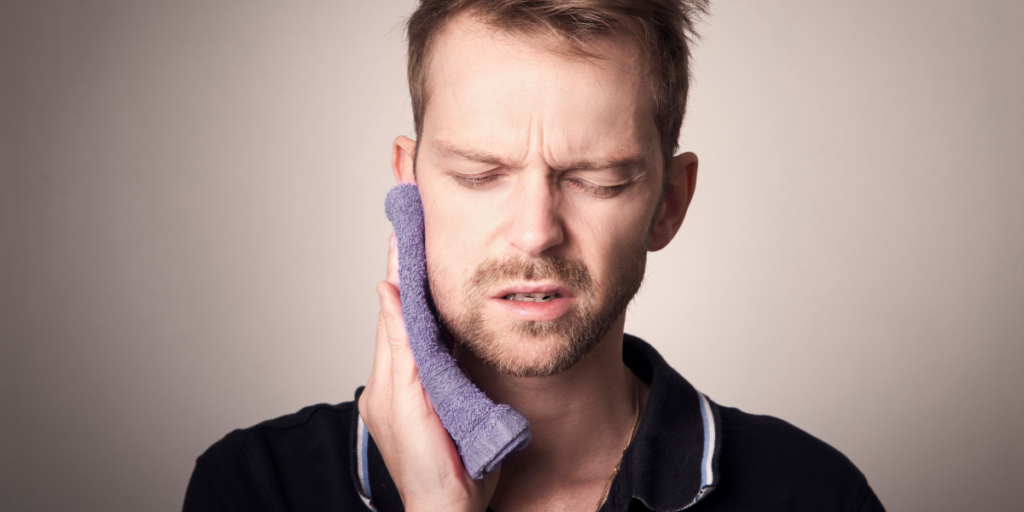
When you are experiencing tooth pain, especially if it persists, recurs, or worsens, the discomfort is a clear indication that you should get a dental exam. A dental appointment in Clifton, NJ is not a way to mask the symptoms but can find the cause of the pain.
Throbbing, Aching, or Pain When Biting
A tooth that throbs, aches continuously, or hurts when you chew may be affected by decay, a crack, a damaged restoration, or inflammation inside or around the tooth. A dental cleaning and exam gives the dentist an opportunity to examine the affected area and determine whether diagnostic imaging, monitoring, or treatment may be necessary.
Schedule Your Visit with a Trusted Dental Team
Taking the next step toward better oral health starts with a simple conversation. Our experienced team is ready to answer your questions and help you plan your treatment with confidence.
When Tooth Pain May Signal a Deeper Problem
When the pain is interfering with sleep, is becoming more severe, or is associated with swelling, it requires more prompt attention. The treatment will depend on what’s wrong and could include a crown or filling, or root canal therapy. If you know you should go to the dentist, but the pain doesn’t go away, or it does but keeps on getting worse, then you have a good reason to set up an appointment.
2. Swelling in Your Face, Jaw, or Gums

Swelling around a tooth, the gumline, cheek, or jaw may indicate inflammation or infection that requires professional assessment. Rapidly increasing swelling may require an emergency dentist in Clifton or an urgent dental exam in Clifton, NJ.
Localized Gum or Facial Swelling
A puffy gumline, tender bump, swollen cheek, or discomfort around the jaw should be evaluated rather than ignored. Emergency dental care can help determine what is causing the swelling and what type of treatment is appropriate for the underlying dental problem.
When Swelling Needs Immediate Attention
Facial or neck swelling that spreads rapidly, trouble swallowing, or trouble breathing is a medical emergency. There is no need to wait for a routine dental exam in Clifton, NJ when these symptoms appear. If the swelling does not get worse but is still noticeable, see a dentist in Clifton, NJ immediately to discover the cause before it worsens.
3. Gums That Frequently Bleed, Swell, or Feel Tender
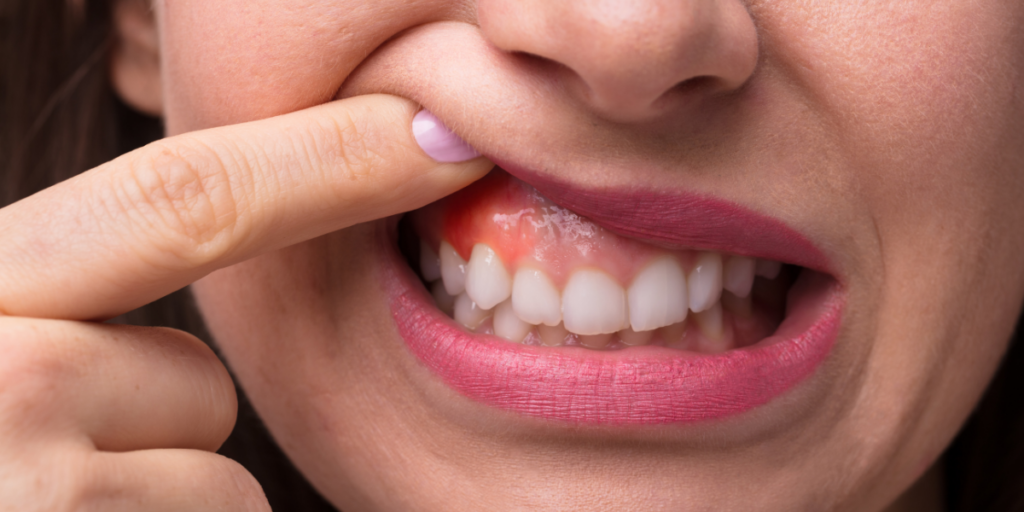
Bleeding, redness, or tenderness of the gums is a significant indicator that you need to see a dentist. A dental exam in Clifton, NJ can shed light on whether the signs are temporary discomfort or early gum disease, or one in need of professional intervention.
Bleeding During Brushing or Flossing
If you’re bleeding again during or after brushing or flossing, it is not a normal occurrence. Gingivitis or periodontal disease can be accompanied by gums that are red, swollen, or sensitive. If during the exam, the therapist discovers deeper pockets of inflammation, changes in tissue, or periodontal pockets, then periodontal therapy may be recommended.
Schedule Your Visit with a Trusted Dental Team
Taking the next step toward better oral health starts with a simple conversation. Our experienced team is ready to answer your questions and help you plan your treatment with confidence.
Receding Gums or Changes Around the Teeth
When gums start to recede from teeth, teeth start to look longer, or there are gaps in the gums near the teeth, it’s time for professional intervention. If you notice these changes and you’re looking for a dentist near me, you should schedule an exam to see what’s going on before you get pain or other oral issues.
4. A Chipped, Cracked, Broken, or Loose Tooth
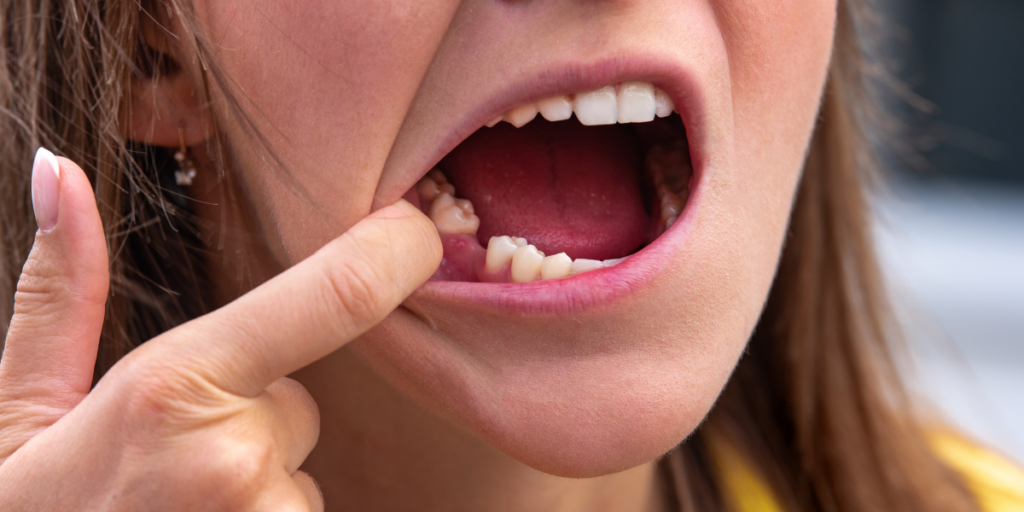
Even if the tooth that is damaged is not painful, it must be addressed. Important indicators that you need a dental exam are cracks, chips, missing restorations, and tooth movement. An unexpected movement of your teeth may require an urgent dental exam in Clifton, NJ.
Chipped, Cracked, or Broken Teeth
Damage may be caused by hard foods, grinding teeth, inadvertent trauma, or weakened tooth structure, and can be seen as small cracks that will not be apparent until a check-up. The severity and position of the damage might determine the dental expert’s suggestion for restorative dentistry. Refrain from putting undue strain on the affected side until it can be evaluated.
Loose Teeth or Damaged Restorations
A loose permanent tooth, missing filling, or crown that has shifted or fallen out should be checked promptly. If you are looking for an emergency dentist in Clifton after an injury, contacting the office quickly can help determine the appropriate next step. A dentist in Clifton, NJ can assess the tooth, surrounding gums, and bite before recommending treatment.
5. Chronic Bad Breath or a Persistent Unpleasant Taste
Bad breath after certain foods is common, but an odor or unpleasant taste that keeps returning can indicate an oral problem. It is one of the less obvious signs you need a dental exam.
Bad Breath Not Curing With At-Home Care
Foul breath can happen after eating certain foods, but persistent bad breath or taste may signal an oral health issue. Bad breath, especially when regular brushing, flossing, and rinsing don’t improve it, is another less obvious symptom indicating that you may need a dental exam.
Bad Taste With Other Dental Symptoms
If the foul, bitter, metallic taste is accompanied by swelling, bleeding gums, tooth pain, or drainage, it should be investigated further. When you’re thinking about visiting the dentist, this list of symptoms should prompt a timely visit. Clifton dentist searchers should explain all related symptoms for their appointment.
Schedule Your Visit with a Trusted Dental Team
Taking the next step toward better oral health starts with a simple conversation. Our experienced team is ready to answer your questions and help you plan your treatment with confidence.
How to Know Whether You Need a Routine Checkup or Urgent Care
Not all dental symptoms are emergencies, but if there is a sudden or gradual change in your dental condition, don’t ignore it. Think of whether the problem is stable or worsening, if the pain is associated with trauma, or if the problem is disrupting normal activities, like eating, talking, swallowing, or sleeping.
When a Prompt Appointment Is Appropriate
Ongoing but mild discomfort, the persistent presence of bad breath, minor dental damage, gum bleeding, and recurring tooth sensitivity can all be assessed through preventive dentistry. A dental exam in Clifton, NJ will allow your dentist to assess these changes early and decide whether it is necessary to intervene, either with prevention or treatment, or if just monitoring will be sufficient.
When to Seek Faster Care
If you are experiencing severe pain, a lot of swelling in your face, a knocked-out tooth, bleeding that won’t stop, or if your dental trauma is significant, you might need an emergency dentist in Clifton. Seek emergency dental care in Clifton, NJ for non-life-threatening emergencies. If breathing or swallowing becomes difficult, particularly if it causes the swelling to rapidly increase, emergency medical help must be provided immediately.
What Happens During a Dental Examination?
A dental exam in Clifton, NJ usually begins with a discussion about your symptoms, dental history, recent oral health changes, and specific triggers such as chewing pressure, hot foods, cold drinks, or sweets. This information helps the dentist focus the examination on areas that may require closer evaluation.
What the Dentist Checks
During the examination, the dentist may evaluate your teeth, existing restorations, gums, bite, jaw function, and oral soft tissues. X-rays or additional tools for diagnosis may be indicated if they can provide important information that a visual examination cannot. The appropriate dental services will depend on the findings and your individual treatment needs.
What Happens If a Problem Is Found
Treatment should address the specific diagnosis rather than the symptom alone. Early tooth decay may be treated with dental fillings, while other concerns may require gum care, a crown, root canal treatment, or another restorative solution. A dentist in Clifton, NJ should clearly explain the findings, available treatment choices, and recommended next steps.
Early Warning Signs of Tooth Decay
Cavities do not always cause pain during their early stages, which means decay can progress before a person realizes there is a problem. Knowing when to see a dentist can help you respond to subtle changes before the affected area becomes deeper or begins causing significant discomfort.
Early Cavity Symptoms to Watch
Possible signs of early decay include sensitivity to sweets, hot foods, or cold drinks, discomfort when biting, visible white or dark spots, and food repeatedly becoming trapped in the same area. Some cavities may produce few noticeable symptoms at first. If these changes appear, a dental checkup in Clifton, NJ can determine whether decay is present and whether treatment is needed.
What Causes Cavities?
Cavities develop when plaque bacteria use dietary sugars and other fermentable carbohydrates and produce acids that gradually remove minerals from tooth enamel. Diet, plaque control, saliva flow, fluoride exposure, and individual oral health factors all influence cavity risk. A dental exam in Clifton, NJ can help identify early changes and provide guidance based on your personal risk factors.
How We Support Patients at Harmony Dental Arts
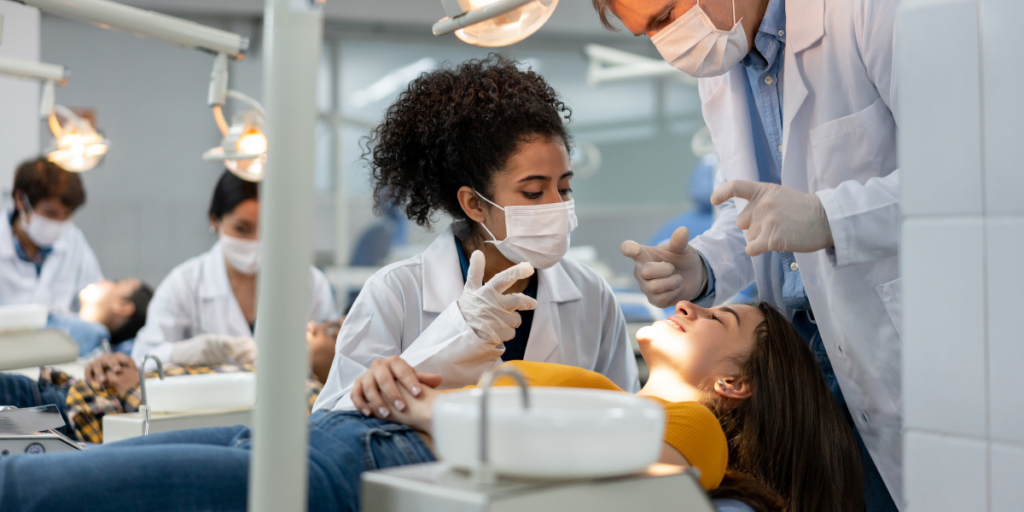
At Harmony Dental Arts, we provide personalized dental care for patients seeking a dentist in Clifton, NJ. If you found us while searching dentist near me in Clifton, we begin by listening carefully to your symptoms, dental history, concerns, and treatment goals before recommending the next steps in your care.
Personalized Care Based on What We Find
We tailor our recommendations to the diagnosis and each patient’s individual needs. Care may range from routine examinations and preventive treatment to restorative care, periodontal treatment, professional teeth whitening, or Invisalign when appropriate. We are clear about the meaning of each of the recommendations, allowing our patients to understand their options and make informed choices about their oral health.
When We Recommend Contacting Our Office
Contact us if you develop persistent tooth pain, swelling, gum bleeding, a broken or damaged tooth, ongoing bad breath, or another unexplained oral health change. Whether you need an urgent dental exam in Clifton, NJ, an emergency dentist in Clifton, or a routine dental checkup in Clifton, NJ, contacting our office early allows us to understand your symptoms and guide you toward the appropriate type of appointment.
Conclusion
Persistent tooth pain, swelling, bleeding gums, damaged teeth, and chronic bad breath are important signs you need a dental exam. If you are uncertain when to see a dentist, symptoms that persist, return, or become progressively worse deserve professional assessment. Patients searching dentist near me in Clifton, a dental exam in Clifton, NJ, or an emergency dentist in Clifton can contact Harmony Dental Arts to discuss their symptoms and determine the appropriate next step. Concerned about tooth pain, swelling, bleeding gums, or another dental issue? Contact Harmony Dental Arts for a personalized evaluation and clear treatment guidance.