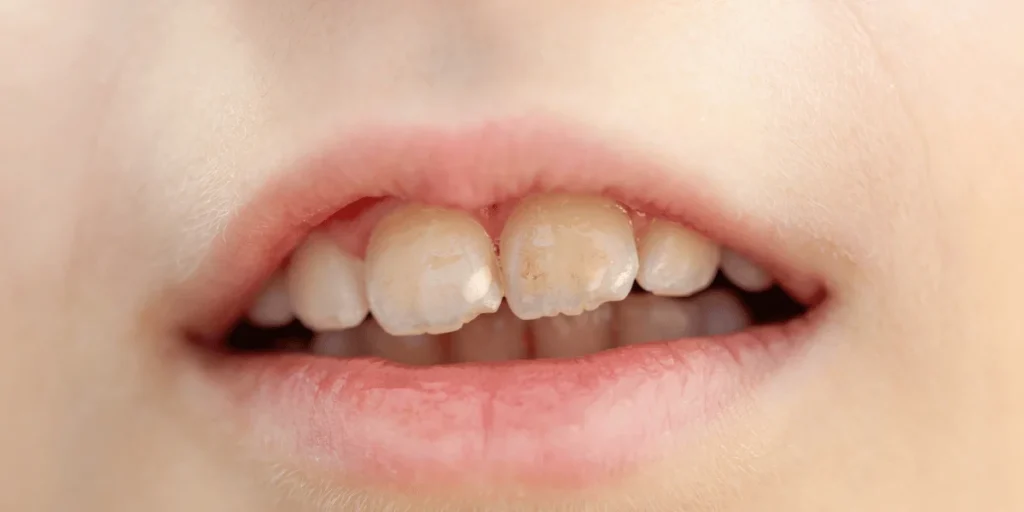
White spots can draw attention when the enamel around them looks darker, but whitening all of the teeth does not necessarily make those spots disappear. Teeth whitening for fluorosis can sometimes soften the contrast in mild cases, while other types of white spots may need a completely different approach. Choosing the right white spots on teeth treatment starts with understanding why the enamel looks different in the first place. For some people, fluorosis teeth whitening offers a conservative place to begin. In other cases, an evaluation with a cosmetic dentist in Clifton may show that bonding, veneers, or another cosmetic option would produce a more balanced result. Anyone considering professional teeth whitening in Clifton should first understand what is causing the discoloration and what whitening can realistically change.
Quick Answer: Whitening may help mild fluorosis blend more naturally with the surrounding enamel, but it does not remove fluorosis. The result depends on the cause, depth, color, and extent of the enamel changes.
Why White Spots on Teeth Do Not All Mean the Same Thing
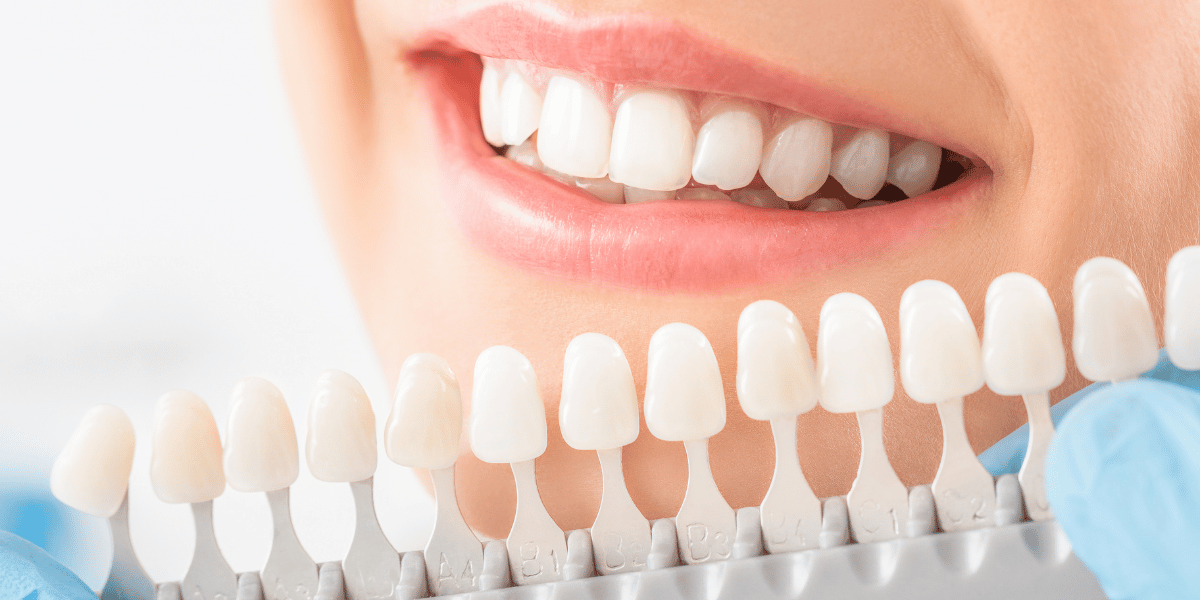
A white spot is a description of what is seen, but it doesn’t explain the reason for the change. These similar-appearing patches may be due to fluorosis, loss of minerals, or variations that occurred during the development of the tooth. That’s important because the proper white spots on teeth care is often different depending on the cause.
What Dental Fluorosis Looks Like
Dental fluorosis occurs during the formation of the permanent teeth and may take the form of a light white line, spot, or patch of cloudiness. Larger opaque areas, brown discoloration, or changes in the texture of the enamel may be more noticeable. Fluorosis is mild to moderate, so the cosmetic approach should be commensurate with the severity of the lesions. A teeth whitening procedure for fluorosis might work if it is mild; however, if it is more severe, it may require a different approach to treatment. If patients have an interest in knowing about different options in cosmetic dentistry, they can also talk about other things as well, depending on their tooth condition.
Schedule Your Visit with a Trusted Dental Team
Taking the next step toward better oral health starts with a simple conversation. Our experienced team is ready to answer your questions and help you plan your treatment with confidence.
Other Reasons White Spots Can Appear
A white area can occur on a tooth for a number of reasons other than fluorosis. The demineralization of the enamel can result in the appearance of the enamel, particularly around the places where orthodontic brackets were attached, making cleaning more difficult. Color and texture may also be different because of developmental differences in enamel. Because these conditions do not share the same cause, white spots on teeth treatment should not begin with the assumption that every mark will respond to bleaching. A Dental Cleaning & Exam allows the teeth and enamel to be assessed before cosmetic treatment is considered.
Key Takeaway
Treating the cause matters as much as changing the color. Two white spots can look very similar in the mirror while needing different preventive or cosmetic approaches. Understanding what created the spot gives treatment a much clearer direction.
Can Teeth Whitening Make Fluorosis Look More Even?
Whitening works by lightening natural tooth structure around the affected areas. When fluorosis is mild, this reduction in contrast can sometimes make the overall smile appear more even. That is why fluorosis teeth whitening may work well for some people but produce limited changes for others.
Short Answer
Teeth whitening for fluorosis can improve color balance in selected mild cases, but it does not remove the altered enamel itself. Moderate, widespread, brown, or pitted changes can remain visible after bleaching, so the realistic goal is usually better blending rather than perfectly uniform color. Patients considering this approach can learn about the available professional teeth whitening services and discuss whether their type of discoloration is likely to respond well.
Why White Spots Can Sometimes Look More Noticeable During Whitening
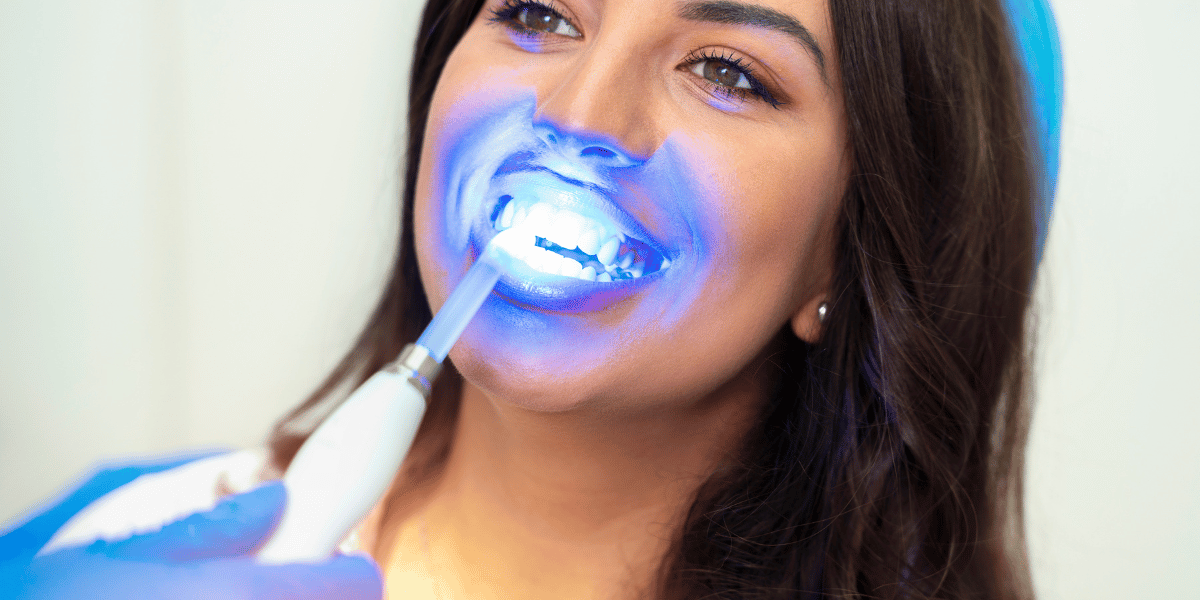
Not all parts of enamel whiten at the same rate. If the enamel is still lightening, the white patches seen in existing areas may appear darker at first, but they will gradually get lighter. That’s why it’s essential to have a careful shade assessment and realistic planning of the teeth whitening treatment before it starts, which is a beneficial thing about professional teeth whitening in Clifton.
Practical Example
Suppose there is someone who has a few small white blemishes on the front teeth. The spots may stand out more during the early stages of whitening, as they are lighter than the surrounding enamel. The difference may lessen as the shade of the rest of the tooth fades and the rest of the tooth fades. It’s a temporary contrast, which does not necessarily indicate that treatment is unsuccessful. When considering treatment planning, thoughtful white spots consider the final stabilized shade, not the early one. Intrinsic vs. extrinsic tooth stains can also provide some insight into explaining why some types of discoloration respond to treatment, and some don’t.
Schedule Your Visit with a Trusted Dental Team
Taking the next step toward better oral health starts with a simple conversation. Our experienced team is ready to answer your questions and help you plan your treatment with confidence.
When Teeth Whitening for Fluorosis May Be a Reasonable First Step
Whitening is most appropriate when the fluorosis is mild, and the surface of the enamel is in good condition. When a tooth is somewhat discolored and has small, white marks, teeth whitening for fluorosis might be useful. Sometimes, a conservative approach to the smile will be more beneficial without going straight to restorative.
When Whitening May Fit
If the discoloration is light, the surface of the enamel is still intact, and the patient’s primary concern is to minimize the visibility of the color differences, then whitening may be a consideration. It can also be beneficial for more than one tooth stained overall and may bleach. Still, fluorosis teeth whitening should never be described as a cure. Whitening changes the shade of natural enamel and may reduce contrast, but it does not reverse the enamel change that caused fluorosis. Harmony Dental Arts also provides a wider range of dental services in Clifton when cosmetic care needs to be coordinated with other dental needs.
When Whitening Alone May Not Create an Even Smile
Some enamel changes are too big, extensive, or textured for whitening alone to create the desired result. Brown areas, widespread discoloration, or pitted enamel can introduce additional cosmetic considerations. In these situations, a cosmetic dentist in Clifton can look at the color, surface condition, number of affected teeth, and overall smile before discussing options.
Deeper or More Noticeable Enamel Changes
Large white areas may still stand out even after the surrounding enamel becomes lighter. Brown staining and pitted surfaces can also limit how much improvement bleaching alone can provide. Simply using stronger whitening products is not automatically the answer. An appropriate white spots on teeth treatment plan should consider the depth of the discoloration, enamel quality, and whether changing color alone will actually address the patient’s concern.
When Tooth-Colored Coverage May Be Considered
Dental bonding can cover selected areas with tooth-colored composite, which may help when discoloration is localized. Porcelain veneers may be considered when changes are broader, more visible, or do not respond adequately to whitening. Each choice comes with different considerations involving tooth preparation, maintenance, longevity, and cost. Working with a cosmetic dentist in Clifton can help patients compare those differences rather than choosing a procedure based on color alone.
Schedule Your Visit with a Trusted Dental Team
Taking the next step toward better oral health starts with a simple conversation. Our experienced team is ready to answer your questions and help you plan your treatment with confidence.
Choosing the Right White Spots on Teeth Treatment Starts With the Cause
The most appropriate cosmetic approach is not always the one that makes the teeth as white as possible. A natural-looking result depends on balancing tooth color with enamel health, texture, existing dental work, and the patient’s own goals. Preserving healthy tooth structure is also an important part of that decision.
Comparison Table Opportunity
| Finding | Possible Cosmetic Direction | Main Consideration |
| Mild, diffuse fluorosis | Whitening may be considered | Can the surrounding enamel be blended? |
| Localized white enamel areas | Individual evaluation | What caused the spot? |
| White and brown discoloration | Combined cosmetic planning may be needed | Whitening alone may be limited |
| Pitted or altered enamel | Restorative cosmetic options may be discussed | Surface quality matters |
| Color with limited whitening response | Bonding or veneers may be considered | How much coverage is appropriate? |
Key Insight
A balanced result might involve whitening alone, a restorative dentistry option, or a carefully planned combination of treatments. Looking at the entire smile helps account for color, shape, enamel texture, and existing restorations rather than focusing too heavily on one visible patch.
Why a Dental Exam Should Come Before Whitening White Spots
An exam can help distinguish fluorosis from demineralization, decay, and other enamel changes before bleaching begins. It also gives a cosmetic dentist in Clifton the opportunity to look at enamel health, existing restorations, sensitivity concerns, starting shade, and the result the patient hopes to achieve. Those details can change which cosmetic option makes the most sense.
What the Exam Checks
The dentist can look for areas of decay or mineral loss and review existing fillings, bonding, crowns, or veneers. These materials do not lighten in the same way as natural enamel, so previously matched restorations may look different after whitening. The exam also helps determine whether professional teeth whitening in Clifton should come first or whether another cosmetic approach deserves consideration. Patients can begin with an evaluation from a dentist in Clifton before deciding how to address uneven tooth color.
What to Expect From Professional Teeth Whitening in Clifton
Choosing professional teeth whitening in Clifton gives the dentist an opportunity to assess the starting shade, enamel condition, existing restorations, and visible white areas before treatment. That planning is especially useful when the teeth already contain uneven color. It helps avoid treating every stain or white patch as though it will respond in exactly the same way.
Short Answer Opportunity
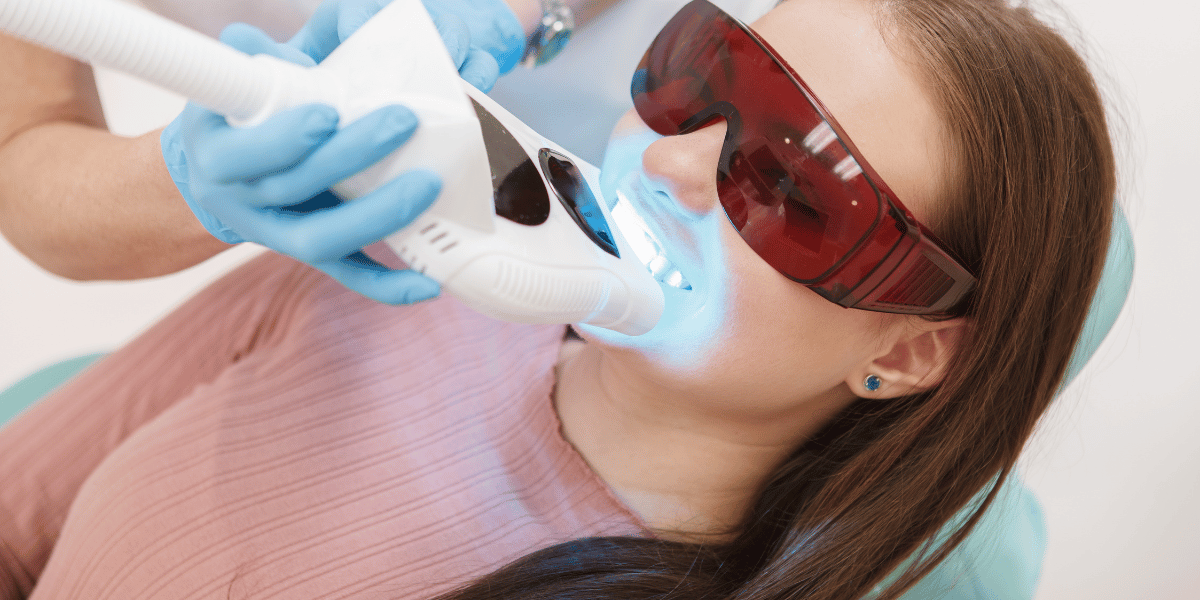
Harmony Dental Arts offers in-office Zoom whitening and custom take-home trays. Depending on the individual, temporary sensitivity can occur during or after whitening, and existing restorations may require separate planning because their color will not change like natural enamel. A professional shade assessment can also help determine whether whitening alone is likely to produce the balance the patient wants. Starting with a clean tooth surface may provide a clearer view of the natural shade before cosmetic treatment begins.
Why Fluorosis Teeth Whitening Is Only One Part of Cosmetic Planning
Fluorosis teeth whitening works best when it is considered as part of the entire smile rather than as an attempt to erase one isolated mark. The location and number of affected teeth, enamel texture, tooth shape, existing dental work, and the patient’s priorities all influence the plan. Cosmetic treatment often involves finding the least invasive option that can realistically achieve the desired improvement.
Planning Beyond Color
Whitening may sometimes be completed before bonding or veneers so future restorations can be matched to the chosen tooth shade. This sequencing can help create a more consistent overall appearance when several treatments are involved. For patients whose concerns involve several aspects of their smile, a smile makeover consultation can consider color alongside shape, spacing, alignment, and existing restorations. The aim is to avoid unnecessary restorative work when a conservative approach may already satisfy the patient’s goals.
How Harmony Dental Arts Helps Patients Choose the Right Cosmetic Approach

At Harmony Dental Arts, we start by examining the teeth and talking with you about what you actually want to change. We can determine whether professional teeth whitening in Clifton is a sensible first step or whether another cosmetic option may be better suited to the condition of the enamel. The decision is based on the teeth in front of us rather than a one-size-fits-all cosmetic formula.
Short Answer / Concise Takeaway
Our cosmetic services include whitening, veneers, and broader smile planning, which gives us several ways to approach uneven tooth color. As a cosmetic dentist in Clifton, we look at the cause, depth, shade, enamel condition, and your priorities before recommending a treatment path. The goal is not to assume that every white spot needs the same procedure. It is to find an approach that respects the health of the tooth while creating a natural, balanced improvement.
Whitening Can Help Some White Spots Blend, but the Right Diagnosis Comes First
Fluorosis and white spots are not automatically the same condition, even when they look similar. Mild changes may improve with teeth whitening for fluorosis, while deeper, brown, pitted, or widespread areas may need another cosmetic approach. Whitening changes the surrounding tooth shade rather than physically removing fluorosis. For someone comparing fluorosis teeth whitening with bonding, veneers, or other options, an evaluation can clarify what degree of blending is realistic. That makes it easier to choose treatment based on the actual enamel condition rather than simply reaching for the strongest whitening product.
Conclusion
If white spots, uneven enamel color, or fluorosis-related discoloration are affecting how you feel about your smile, the next step is finding out what is causing the difference in color. A careful evaluation can compare conservative and restorative choices while considering the health and appearance of the teeth together. You can contact Harmony Dental Arts to schedule a cosmetic evaluation and discuss which approach may suit your teeth and smile goals.