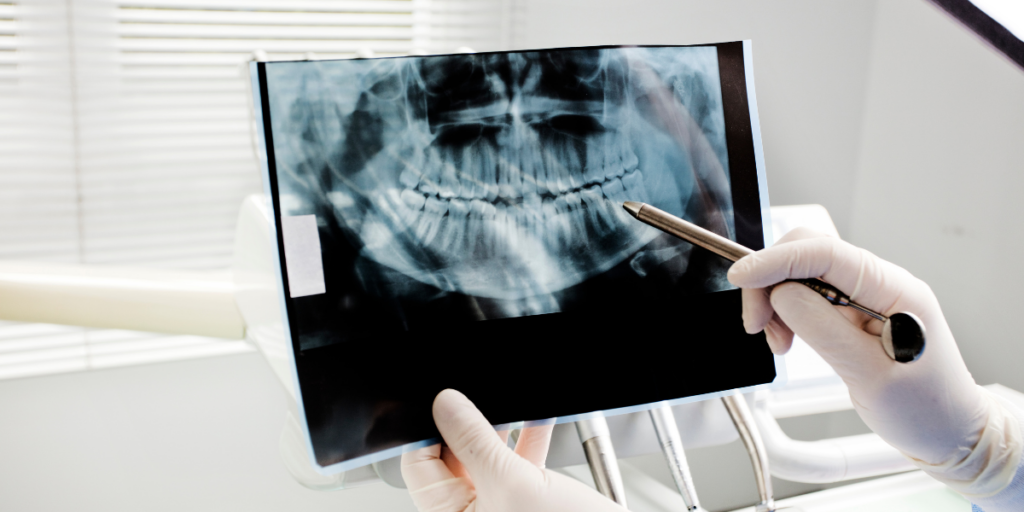
When someone needs both clear aligner treatment and a replacement for a missing tooth, one of the first questions is whether to complete Invisalign before or after dental implant treatment. The order matters because natural teeth can be guided into new positions, while an implant becomes permanently fixed in the jawbone. For most patients, Invisalign is completed first. This allows the dentist to set the correct spacing, bite, and tooth positions before placing the implant. Still, there are situations where bone health, chewing function, or the location of the missing tooth may shift the plan. Patients considering Invisalign in Clifton and dental implants in Clifton benefit from having both stages planned together. When the two treatments are coordinated, the final result tends to feel more balanced, both in function and appearance.
Why Treatment Order Matters When Combining Invisalign and Dental Implants
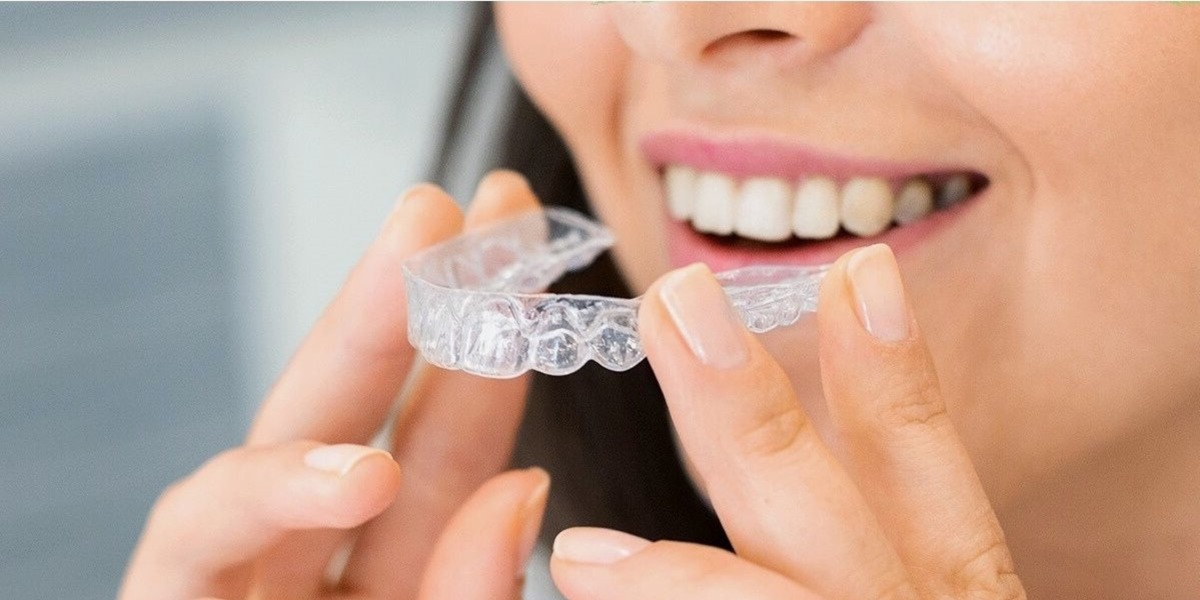
The sequence of orthodontic and implant care influences many parts of the final outcome. It can affect implant spacing, root positions of nearby teeth, bite balance, and the shape of the final crown.
Invisalign Can Move Natural Teeth
Clear aligners guide teeth using gentle, steady pressure. They can correct crowding, gaps, rotations, and bite concerns. Completing orthodontics before dental implant placement allows the dentist to decide where each tooth should ideally finish. Once that position is reached, the implant can be placed in harmony with the final smile rather than the starting alignment.
Dental Implants Stay Fixed in Place
A dental implant bonds with the jawbone through a process known as osseointegration. After healing, it becomes a stable anchor that does not move. Patients often ask, can teeth move around a dental implant? Yes, natural teeth can shift around it, but the implant itself remains stationary. This difference plays a key role in planning spacing and bite changes.
Schedule Your Visit with a Trusted Dental Team
Taking the next step toward better oral health starts with a simple conversation. Our experienced team is ready to answer your questions and help you plan your treatment with confidence.
Poor Timing Can Restrict Tooth Movement
If an implant is placed too early, it may block nearby teeth from moving into better positions. It can take up space needed for alignment or leave too little room for a well-shaped crown. Incorrect implant placement can also have an impact on gum symmetry, tooth proportions, and biting contact. Because of this, implant placement after Invisalign is often the more predictable approach.
Should I Get Invisalign Before Dental Implants?
Most patients asking, should I get Invisalign before dental implants, are guided toward aligning their natural teeth first. This approach offers more flexibility because tooth movement is completed before anything becomes fixed in place.
Why Invisalign First Is Often Recommended
When Invisalign is completed first, the dentist can establish the final spacing and bite before surgery. The implant is then placed based on the finished orthodontic result. This reduces the need to adjust the implant crown later to compensate for crowded or uneven teeth. It also helps create more natural contact between the crown and surrounding teeth.
Invisalign Helps Shape the Implant Space
A missing tooth gap is not always the correct size for an implant crown. Nearby teeth may drift, tilt, or rotate into the space over time. Invisalign can open, maintain, or reshape the gap so the replacement tooth fits naturally. Implant placement after Invisalign also allows a clearer view of both crown and root spacing.
Bite Alignment Before Implant Placement
Straightening teeth can improve how the upper and lower arches meet. This matters because the implant crown must handle chewing forces comfortably. Correcting the bite first can reduce uneven pressure on the implant and surrounding teeth. This aspect becomes especially important when multiple restorative treatments are involved.
A More Natural Final Appearance
Orthodontic treatment can refine tooth angles, symmetry, and gum relationships before the implant crown is designed. The crown can then be shaped to match the completed smile. This approach supports both function and appearance, rather than designing a crown around a moving target.
Invisalign With a Missing Tooth: How the Gap Is Managed
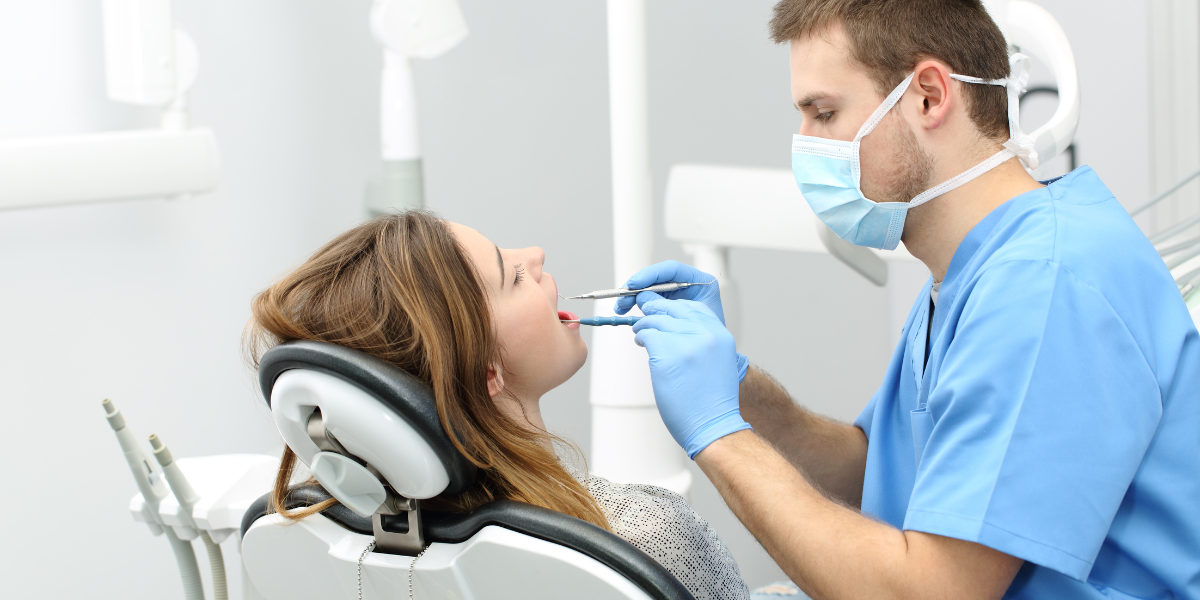
A missing tooth does not prevent clear aligner treatment. In many cases, Invisalign with a missing tooth can be planned to preserve, adjust, or partially close the space.
Can You Wear Invisalign When a Tooth Is Missing?
Yes, Invisalign can be used when one or more teeth are missing. The aligners are designed with the final restoration plan in mind. Before treatment begins, the dentist decides whether the space will later hold an implant, bridge, or another solution. This prevents the aligners from shaping the wrong gap.
Temporary Tooth Inside the Aligner
A tooth-coloured temporary piece can sometimes be added inside the aligner. This helps maintain appearance while the gap is visible. It can improve confidence in daily life, although it does not provide chewing strength like a permanent implant crown.
Flipper or Removable Temporary Tooth
Some patients use a removable temporary tooth, often called a flipper. This may be used when an aligner insert is not suitable. The dentist checks that it does not interfere with aligner fit or planned tooth movement. The choice depends on the location of the gap and the stage of treatment.
Keeping the Space Stable After Invisalign
Once alignment is complete, a retainer is often used to hold the space open for the implant. This prevents nearby teeth from drifting. Delays in implant placement may require closer monitoring, since even small shifts can affect the final crown.
When a Dental Implant May Come Before Invisalign
Although Invisalign is usually completed first, a dental implant before Invisalign treatment can sometimes be appropriate. This depends on bone health, function, and tooth position.
When Immediate Bite Support Is Needed
A missing tooth can affect chewing or stability. In some cases, replacing it first helps restore function sooner. The implant must still be placed carefully so it does not interfere with future tooth movement. An experienced implant dentist in Clifton will coordinate both stages.
When Bone Loss Is a Concern
After tooth loss, the jawbone can gradually reduce in volume. If preservation is a priority, earlier implant placement may be considered. In other cases, a bone graft may be planned so Invisalign can still come first without compromising the site.
When the Implant Is in a Separate Area
An implant may be placed first if it is far from the teeth that need movement. For example, a back tooth implant may not affect front-tooth alignment. Even then, the full bite plan must be reviewed before deciding the sequence.
When Surrounding Teeth Are Already Well Positioned
If nearby teeth are already in good alignment, implant-first treatment may be suitable. The dentist still confirms final spacing and bite before surgery. Even small orthodontic changes can influence the final crown, so planning remains essential.
Risks of Placing a Dental Implant Before Invisalign

Placing an implant too early can limit orthodontic flexibility. The main issue is that the implant cannot move with the natural teeth.
The Implant Remains Fixed
Once integrated, the implant stays in place while surrounding teeth may shift. This can create uneven spacing or alignment issues. This is why the question can teeth move around a dental implant is so important in treatment planning.
The Implant May Restrict Tooth Movement
An implant can block the path of natural tooth movement. This may force changes to the orthodontic plan. Some ideal movements may no longer be possible, which can affect the final result.
The Crown May No Longer Match
A crown made before Invisalign may not fit the final smile. It may appear too wide, narrow, or angled once teeth are aligned. Gum changes can also affect how natural the crown looks.
Bite Pressure Changes
As teeth move, bite forces shift. A fixed implant crown may begin to contact opposing teeth too strongly or too early. Adjustments or replacement of the crown may be needed to restore balance.
Schedule Your Visit with a Trusted Dental Team
Taking the next step toward better oral health starts with a simple conversation. Our experienced team is ready to answer your questions and help you plan your treatment with confidence.
Can Invisalign Be Used If You Already Have a Dental Implant?
Yes, Invisalign can often be used even when an implant is already present. The treatment plan simply needs to account for its fixed position.
Moving Teeth Around an Existing Implant
Aligners can move natural teeth while leaving the implant untouched. The implant may even act as a stable reference point. Its position must be carefully mapped in the digital plan to avoid unwanted movement conflicts.
Limitations of Existing Implants
Some tooth movements may be restricted because the implant cannot shift. This may require adjustments to the orthodontic plan. The final result depends heavily on how well the implant was originally positioned.
Adjusting the Implant Crown
After Invisalign, the crown may need reshaping or replacement. Its color, shape, and bite contact are reassessed. The implant itself usually remains healthy even if the crown needs updating.
How Treatment Order Varies Between Patients
There is no single sequence that fits everyone. The timing depends on bone condition, tooth position, and the type of missing tooth.
Tooth Missing for a Long Time
Teeth may drift into the space, and the opposing tooth may move as well. Bone loss may also reduce implant options. Treatment may involve both Invisalign and bone grafting.
Tooth Still Needs Extraction
If a damaged tooth is still present, timing depends on infection, decay, and bone health. A temporary solution may be used during healing.
Front Tooth Missing
Front teeth require careful planning for appearance and symmetry. Temporary cosmetic teeth are often used during treatment.
Back Tooth Missing
Back teeth are less visible but important for chewing. Implant-first treatment may sometimes be considered if it does not affect alignment.
Multiple Missing Teeth
When several teeth are missing, treatment becomes more complex. Invisalign, implants, and other restorations may all be combined.
What Your Dentist Reviews Before Deciding Treatment Order

The decision is based on a full clinical assessment rather than a fixed rule.
Tooth and Root Position
Even if a gap looks suitable, root positions may require adjustment before implant placement.
Bite Function
Planning is heavily influenced by how the upper and lower teeth connect.
Bone Quality
Bone height and width must be assessed before implant placement.
Gum Health
Healthy gums are essential for both orthodontic and implant success.
Location of the Missing Tooth
Front and back teeth require different planning approaches.
Patient Goals
Comfort, appearance, and timing all influence the final plan.
Schedule Your Visit with a Trusted Dental Team
Taking the next step toward better oral health starts with a simple conversation. Our experienced team is ready to answer your questions and help you plan your treatment with confidence.
Typical Treatment Timeline
While every case is different, treatment often follows a structured path.
Step 1: Initial Assessment
Scans, X-rays, and photographs are taken to plan the sequence.
Step 2: Dental Preparation
Any infection, decay, or gum issues are treated first.
Step 3: Invisalign Phase
Teeth are guided into their planned positions.
Step 4: Space Confirmation
The implant space is reviewed and stabilized.
Step 5: Implant Placement
The implant is inserted and allowed to recover.
Step 6: Final Crown
The crown is designed to match the finished smile.
Questions to Ask Before Treatment
- Should Invisalign come before my implant?
- How will the missing tooth be managed during treatment?
- Will I need a temporary tooth?
- Can my implant affect tooth movement?
- What happens if I already have an implant?
How We Plan Treatment at Harmony Dental Arts

At Harmony Dental Arts, Invisalign and implant care are planned together from the start so both stages support the same final outcome. We assess tooth position, bite balance, gum health, and bone structure before deciding the sequence. Temporary tooth options and spacing strategies are also discussed when needed. Patients looking for Invisalign near me, Invisalign in Clifton, or dental implants Clifton receive coordinated care designed to create a stable, natural-looking result.
Conclusion
For most patients, Invisalign is completed before a dental implant so teeth can be positioned first and the implant placed with precision. In select cases, the implant may come first when function or bone health requires it. Because implants do not move, careful planning is essential from the beginning. When both treatments are coordinated properly, the final result feels more natural in both appearance and function. To plan your treatment with confidence, book a consultation at Harmony Dental Arts in Clifton.
Invisalign First or Dental Implant First?
Best when teeth need to move or space needs to be created before placing the dental implant.
May work when tooth positions are already ideal, since a dental implant cannot move like a natural tooth.
Frequently Asked Questions
Is Invisalign better before or after a dental implant?
In most cases, Invisalign comes first so teeth can be positioned before the implant is placed.
Can Invisalign move a dental implant?
No, the implant remains fixed in the bone.
Can teeth move around a dental implant?
Yes, natural teeth can move around it.
Can I wear Invisalign with a missing tooth?
Yes, treatment can be planned around the gap.
Can I have a temporary tooth in my aligner?
Yes, in some cases a cosmetic insert can be added.