
CPAP can control obstructive sleep apnea, yet some people cannot use it consistently because of mask discomfort, air pressure, dryness, or noise. Add clicking, stiffness, or facial pain, and the next step becomes less straightforward. An oral appliance for sleep apnea with TMJ may be appropriate, but selection must account for the jaw. At Harmony Dental Arts, we consider joint stability, muscle comfort, bite support, vertical opening, lateral movement, and gradual adjustability. We also coordinate with the clinician managing the sleep apnea diagnosis to balance airway improvement with dental health.
Why CPAP intolerance and TMJ pain create a complex treatment decision
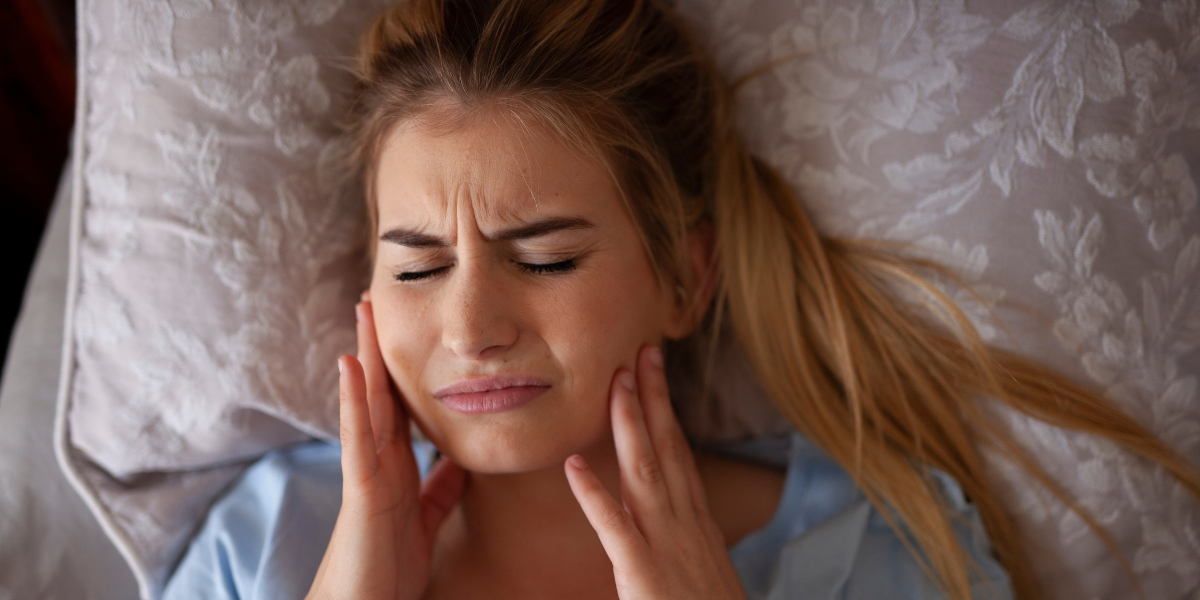
When CPAP intolerance and TMJ pain occur together, obstructive sleep apnea still needs appropriate management. A possible CPAP alternative for TMJ patients must suit the diagnosis, apnea severity, medical history, oral health, and jaw findings. Choosing an oral appliance for sleep apnea with TMJ also requires decisions about advancement speed and mandibular positioning.
What CPAP intolerance can look like
Some patients remove the mask during sleep, skip nights, or wake with discomfort and dry mouth. Others use CPAP briefly and remain tired. Discuss these patterns with the sleep physician. Equipment difficulty does not make untreated apnea safe or confirm that a dental device is suitable.
Why TMJ symptoms must be evaluated separately
Clicking, locking, restricted opening, headaches, and chewing pain can reflect different problems. A painless click differs from a painful lock. Baseline findings show whether advancement is reasonable or the jaw needs care first.
How a sleep apnea oral appliance works
Custom appliances hold the lower jaw forward to help maintain an open airway. For an appropriate CPAP-intolerant patient, an oral appliance for sleep apnea with TMJ should follow medical diagnosis and be fitted by a qualified dentist.
Schedule Your Visit with a Trusted Dental Team
Taking the next step toward better oral health starts with a simple conversation. Our experienced team is ready to answer your questions and help you plan your treatment with confidence.
Mandibular advancement versus simple mouthguards
A mandibular advancement device influences airway and jaw position. A bruxism guard protects teeth, while a boil-and-bite product offers limited control over retention, separation, and force. A nightguard is not automatically an apnea treatment. The relationship between a mandibular advancement device and TMJ health depends on design, anatomy, and supervision.
Why greater advancement is not always better
Moving the jaw farther forward may improve airflow, but it can load sensitive joints and muscles. A conservative starting position followed by careful titration is often preferable. The goal is the lowest position that provides verified airway benefit without avoidable strain.
How TMJ pain changes oral-appliance selection
There is no universal best oral appliance for sleep apnea and TMJ. Selecting an oral appliance for sleep apnea with TMJ shifts attention toward micro-titration, controlled opening, balanced support, and suitable movement. Crowns, bridges, implants, missing teeth, or gum problems may also change the design.
What changes when TMJ pain is present?
Small, controlled adjustments
Micro-titration helps the dentist advance the jaw gradually while monitoring breathing response and joint comfort.
Individualized bite separation
Vertical opening should reflect the patient’s anatomy, airway needs, muscle response, and appliance design.
Controlled lateral freedom
Limited side-to-side movement may feel less restrictive, but it must be balanced with appliance stability and retention.
Balanced pressure distribution
Bilateral coverage can distribute forces across the dental arches while accounting for restorations and missing teeth.
Micro-titration instead of a fixed forward position
A fixed device may advance the jaw too quickly. Micro-titration allows small changes without unnecessary loading. Herbst-style connectors offer controlled advancement and movement, but the mechanism alone does not establish suitability. Personalized oral appliance adjustment for TMJ pain follows the patient’s response.
Vertical dimension and bite separation
Vertical dimension is the space between upper and lower teeth. Excessive opening may fatigue muscles, while insufficient space may create unstable contact. Thickness must be individualized because greater separation does not automatically improve airway control or comfort.
Freedom of lateral jaw movement
Some patients tolerate limited side-to-side movement better than a rigid position. Controlled freedom accommodates natural movement, but excessive flexibility may weaken stability. Balance depends on the joints, bite, and retention.
Custom bilateral coverage and balanced support
Coverage across both arches can distribute pressure instead of concentrating force on a few teeth. Tooth support, restorations, gum health, and mobility require evaluation, particularly with extensive dentistry.
Appliance bulk, retention, and pressure distribution
A bulky appliance may increase fatigue. Uneven retention can stress teeth or one side of the jaw. Material, connectors, fit, and balanced contact influence comfort. Mechanics can matter as much as advancement.
The evaluation needed before choosing an oral appliance
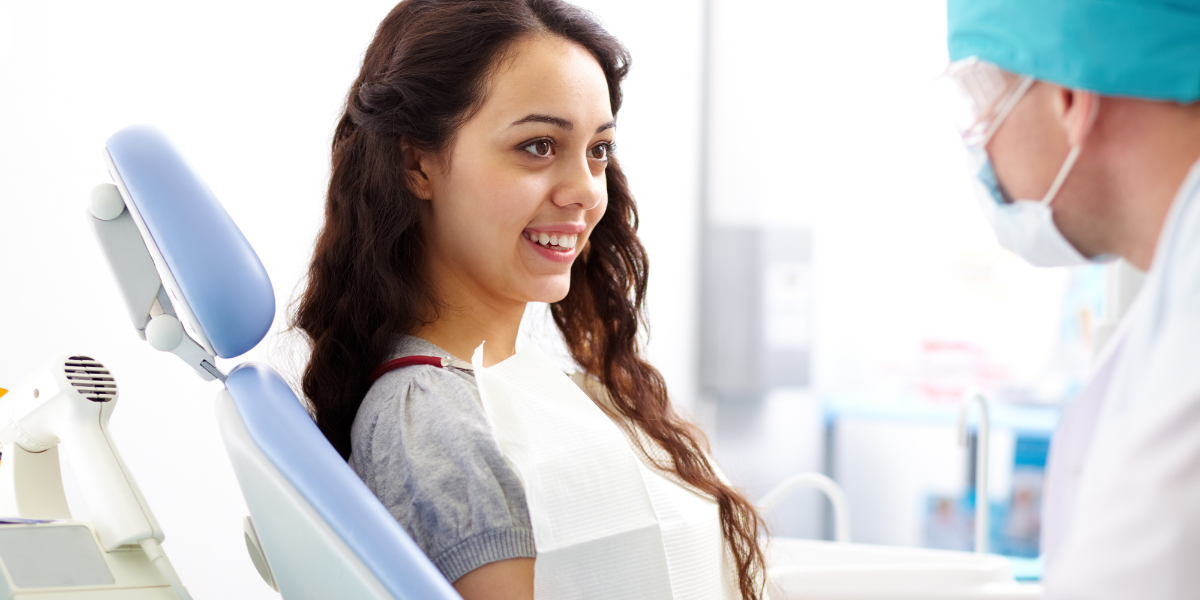
Evaluation covers breathing and jaw function. If you search for sleep apnea and TMJ treatment near me or oral appliance therapy near me, look beyond distance. Ask whether the practice reviews the diagnosis, examines the jaw, records the bite, and monitors treatment.
Reviewing the sleep apnea diagnosis
We review the sleep study, severity, symptoms, CPAP use, and barriers. Dental assessment does not replace diagnosis by a sleep clinician, so planning and verification should involve the medical team.
Screening for disc displacement and joint instability
Popping, catching, locking, injury, and movement changes are documented. Clicking alone does not prove disc displacement, but painful sounds or altered motion may warrant referral.
Examining the jaw joints and muscles
Comfortable opening, lateral movement, deviation, tenderness, and loading pain offer useful information. Instability or an active flare may need stabilization before advancement.
Assessing the teeth, gums, and bite
We check tooth mobility, periodontal health, restorations, missing teeth, and baseline contacts. Planned crowns, orthodontics, or Invisalign may affect timing and fit.
When TMJ treatment may need to come first
Active symptoms can make immediate advancement unwise. A brief delay does not mean abandoning apnea care. The dentist and sleep physician can discuss interim management while the jaw is stabilized.
Signs the jaw may need stabilization
Frequent locking, restricted opening, resting pain, recent injury, severe tenderness, or an unstable bite needs attention. Painful clicking with changed movement is another warning sign.
Possible components of TMJ management
Care may include reducing clenching, jaw-posture guidance, temporary dietary changes, exercises, physical therapy, myofunctional therapy, or referral. The plan should match the diagnosis.
What happens if an oral appliance causes jaw pain?
Mild adaptation does not always mean failure, but persistent sleep apnea oral appliance jaw pain needs review. With an oral appliance for sleep apnea with TMJ, early reporting allows changes to position, schedule, or design. Never bend or advance the device yourself.
Symptoms that may occur during adaptation
Mild stiffness, tooth pressure, salivation, dry mouth, or muscle awareness can occur early. These effects should improve. Note their timing and duration.
Schedule Your Visit with a Trusted Dental Team
Taking the next step toward better oral health starts with a simple conversation. Our experienced team is ready to answer your questions and help you plan your treatment with confidence.
Symptoms that should be reported promptly
Report persistent pain, locking, restricted opening, difficult chewing, or sharp joint pain. A bite that does not settle after the morning routine also needs reassessment.
How the appliance may be modified
The dentist may pause advancement, return to a previous position, adjust pressure, rebalance retention, or change the wear schedule. Opening, connectors, and lateral freedom may be reassessed. Continuing symptoms can justify another design.
Morning repositioning after overnight appliance wear
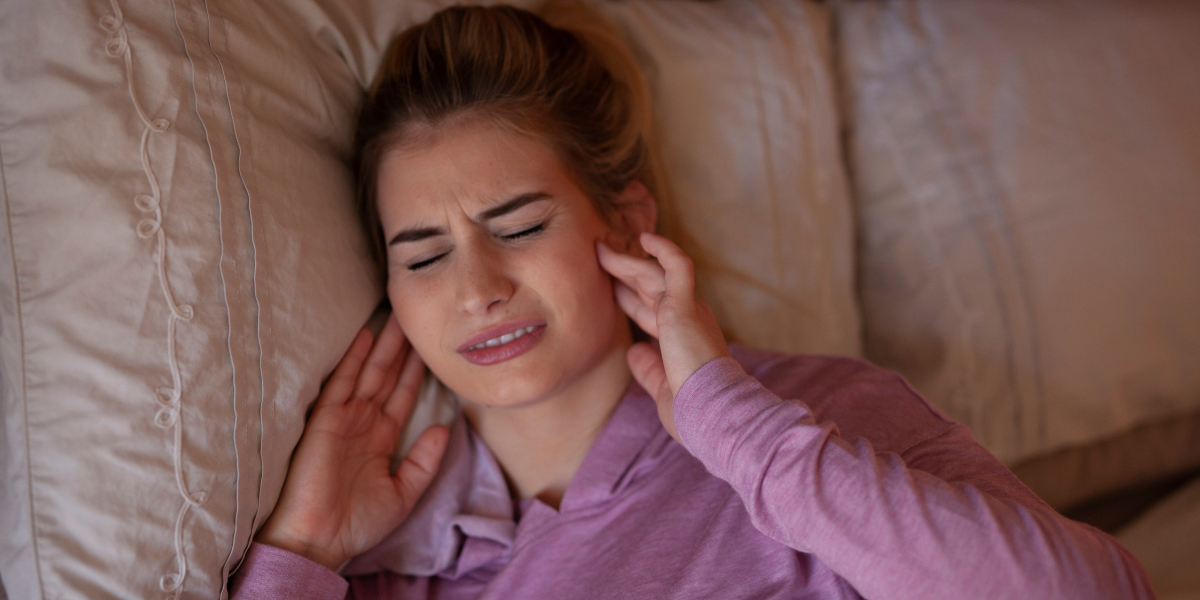
The jaw may feel forward after device removal. A gentle routine can help muscles relax and teeth return toward usual contact. Avoid forceful biting or stretching.
Gentle morning stretching and movement
Slow opening, closing, and side-to-side movements may help. Stop if they cause sharp pain, locking, or worsening symptoms. Follow your prescribed routine.
Morning occlusal guides or repositioning devices
A fitted morning guide can re-establish tooth contact and show when alignment is not returning normally. Persistent change needs evaluation, not harder biting.
Protecting the bite during long-term oral appliance therapy
Repeated overnight positioning can alter tooth contacts in some patients, so scheduled reviews matter even when snoring improves.
Establishing a consistent morning jaw routine
Use gentle movement and any prescribed repositioning device. Never force the teeth together. Report a bite that settles slowly, changes, or affects chewing.
Monitoring dental and TMJ changes
Follow-ups compare contacts with baseline records, check fit, and reassess joint sounds, tenderness, and motion. Teeth, gums, advancement, and vertical position are also reviewed.
How treatment effectiveness is confirmed

Less snoring does not prove apnea is controlled. Comfort and objective results guide the final position.
Symptoms the care team may review
The team may review alertness, headaches, witnessed pauses, nightly use, jaw comfort, and morning bite. A device that is not worn consistently cannot provide therapy.
Why follow-up sleep testing matters
Objective testing shows whether breathing interruptions improved. It prevents advancement based on snoring alone. Clinical guidelines support follow-up sleep testing and periodic visits with qualified dental and sleep-medicine clinicians.
Questions to ask when comparing oral appliance providers
People seeking dental sleep apnea treatment in NJ or snoring and TMJ treatment in NJ should compare assessment and follow-up. Ask how joint symptoms and bite stability affect planning.
Questions about appliance selection
Does the device allow micro-titration? How will opening, movement, support, and retention be chosen? What alternatives exist if discomfort develops?
Schedule Your Visit with a Trusted Dental Team
Taking the next step toward better oral health starts with a simple conversation. Our experienced team is ready to answer your questions and help you plan your treatment with confidence.
Questions about TMJ screening
Will the provider examine the jaw? How will clicking, locking, or limited motion affect timing? When is referral appropriate?
Questions about monitoring and follow-up
Ask how often the bite, jaw, and device are checked and what to do if pain develops. Confirm how effectiveness is tested and physician coordination occurs.
How we approach sleep apnea and TMJ care at Harmony Dental Arts
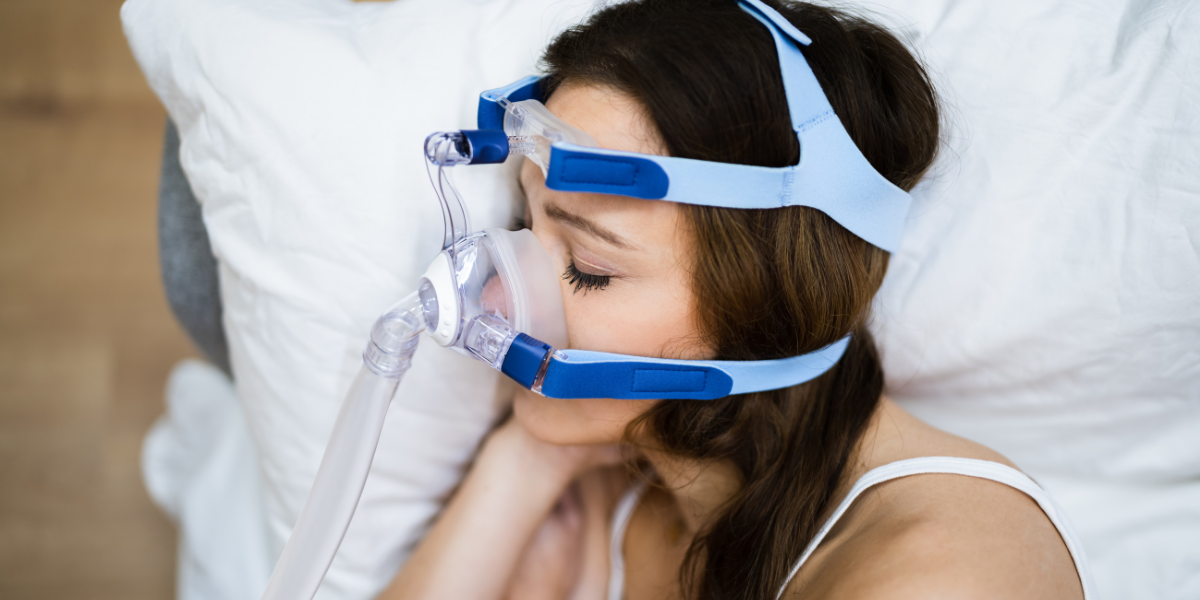
At Harmony Dental Arts, we consider the airway, joints, muscles, teeth, and bite together. Patients seeking sleep apnea treatment in Clifton or TMJ disorder treatment in Clifton can ask whether a custom oral appliance for sleep apnea with TMJ fits their circumstances.
What we evaluate before recommending an appliance
We review diagnosed apnea, CPAP barriers, jaw symptoms, oral health, restorations, and bite stability. We coordinate with physicians or recommend joint evaluation when needed. Our sleep dentistry services are planned within comprehensive care.
How we select the appliance design
We consider titration, vertical opening, controlled movement, bilateral coverage, and retention. Crowns, bridges, missing teeth, and periodontal support can change the choice. A custom sleep appliance should fit the person, not a preferred device name.
How we personalize follow-up care
We introduce advancement gradually, check jaw comfort and bite changes, and give morning guidance when indicated. Objective sleep results guide adjustments. Persistent symptoms prompt us to reconsider mechanics or treatment sequences.
Conclusion
When dealing with CPAP intolerance, not all dental devices provide an effective or safe solution. The right choice relies heavily on comprehensive TMJ screening, careful micro-titration, customized vertical opening, balanced arch coverage, controlled movement, and diligent tracking. Rather than relying on generic products, patients benefit most from highly coordinated medical and dental care. Contact Harmony Dental Arts to arrange an evaluation in Clifton. Our team will help determine if a custom oral appliance for sleep apnea with TMJ aligns with your jaw health, clinical diagnosis, and wellness goals.