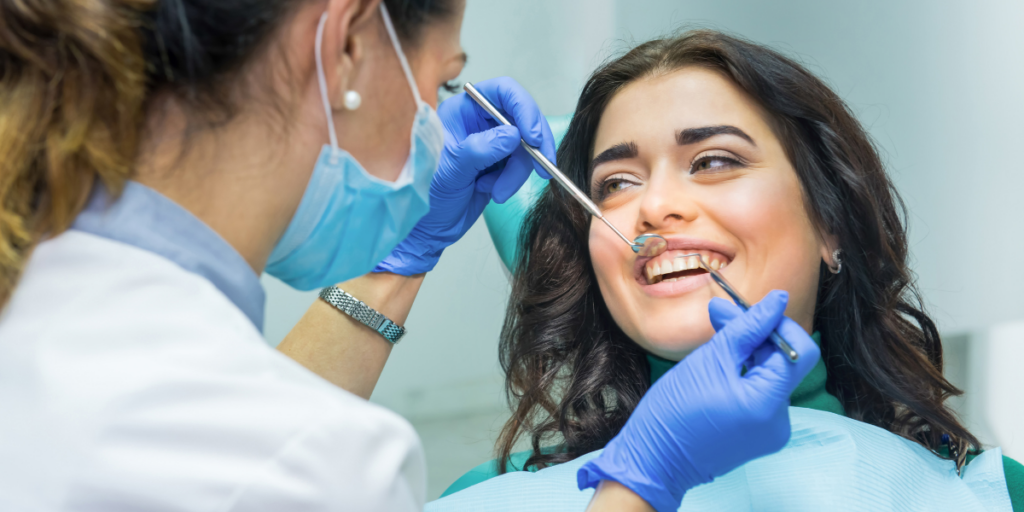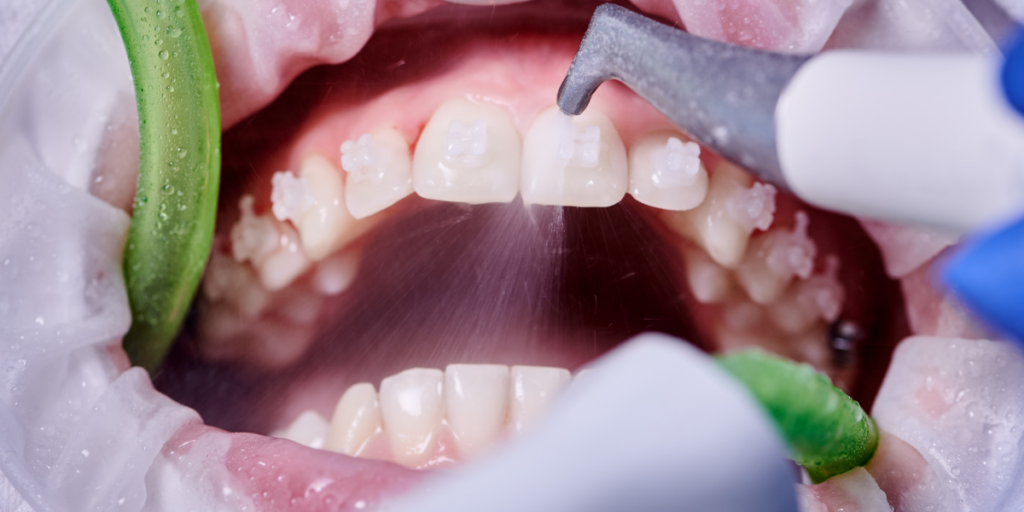
Brushing and flossing every day go a long way toward keeping your mouth healthy, but even a careful home routine has limits. The real difference in professional dental cleaning vs. home cleaning comes down to what each one is designed to handle. Daily care helps control fresh plaque, while professional care can remove hardened deposits, reach areas that are easy to miss, and give your dental team a closer look at changes in your teeth and gums. A steady home routine helps protect your smile between visits, while professional teeth cleaning adds another important layer of preventive care. They each do a different job, and together they create a much stronger approach to long-term oral health.
Quick Answer: At-home brushing and interdental cleaning help control plaque each day. Professional cleaning removes buildup that home tools cannot reliably manage and gives your dental team a chance to check how your teeth and gums are doing.
Professional Dental Cleaning vs Home Cleaning: What Is the Real Difference?
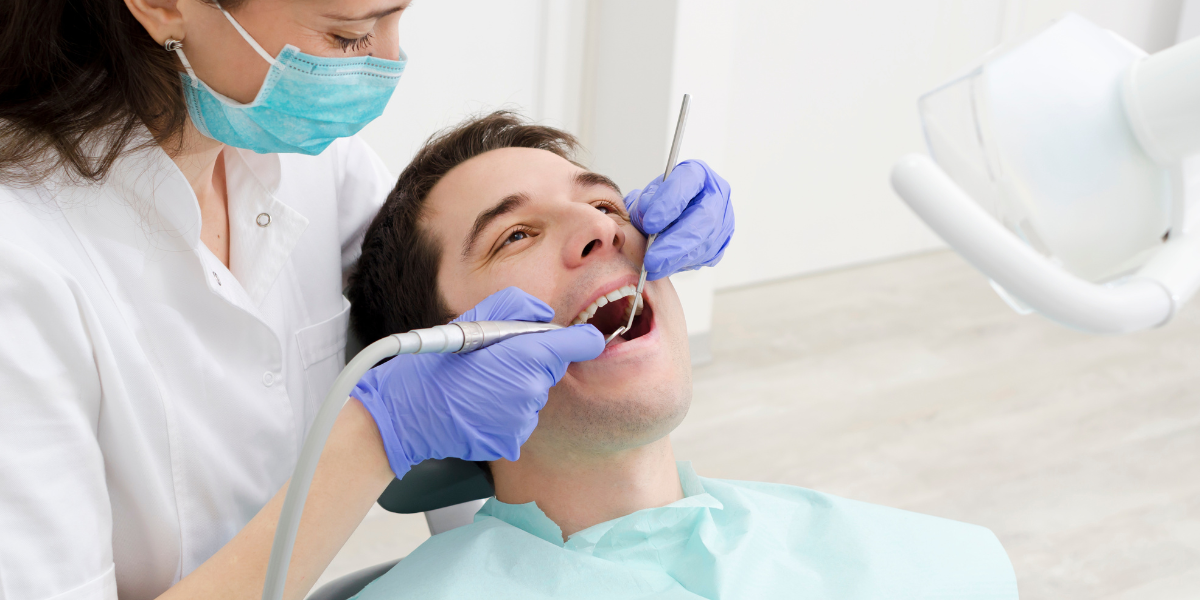
Understanding professional dental cleaning vs home cleaning becomes easier once you look at what each one can realistically achieve. Your trusty toothbrush, floss, and those handy interdental tools do a great job tackling daily plaque and build up. But when you visit the dentist, they can focus on the stubborn deposits that linger and take the time to check in on the health of your teeth and gums. Both approaches are working toward the same goal, but they do it in different ways. Home care manages what builds up day to day, while professional care deals with areas and deposits that need dental instruments, closer visibility, and clinical judgment.
At-a-Glance Comparison
| Area | At-Home Care | Dental Cleaning |
| Frequency | Daily | Based on preventive needs |
| Main tools | Toothbrush, floss, interdental cleaners | Professional dental instruments |
| Soft plaque | Helps remove it | Removes remaining buildup |
| Hardened tartar | Cannot reliably remove it | Can be professionally removed |
| Surface stains | Limited effect | May be reduced |
| Gum assessment | No clinical evaluation | Teeth and gums can be assessed |
| Guidance | Self-managed | Personalized recommendations |
Regular preventive dentistry in Clifton brings these two parts of oral care together. Effective plaque and tartar removal during professional visits supports the work you do at home and helps clear buildup that brushing and flossing may leave behind.
What Your At-Home Dental Routine Should Accomplish Every Day
Good dental hygiene for Clifton, NJ patients between appointments starts with controlling plaque before it has time to harden on the teeth. Doing it consistently matters, but so does how you brush and clean between teeth, especially in spots that are naturally harder to reach. A thoughtful routine at home helps limit daily buildup and supports the results of preventive visits. It also gives you a chance to notice changes such as sensitivity, bleeding, swelling, or discomfort instead of waiting until your next appointment to find out something feels different.
Brushing Removes Plaque From Accessible Tooth Surfaces
Plaque is a soft bacterial film that forms on the teeth throughout the day. Gentle, thorough brushing helps clear it from accessible surfaces and along the gumline without the need for aggressive scrubbing. Taking your time and reaching each area carefully is usually far more useful than simply brushing harder.
People with braces, crowded teeth, restorations, or other dental needs may need to adjust their brushing technique. Personalized guidance can make those changes easier and help patients clean effectively while protecting the gums and tooth surfaces.
Cleaning Between Teeth Covers What a Toothbrush Misses
A toothbrush does a lot, but its bristles cannot reach every contact point between neighboring teeth. Floss or another suitable interdental cleaner helps remove plaque and food debris from those spaces, especially where teeth sit closely together.
The best method can vary depending on spacing, restorations, appliances, dexterity, and gum health. Personalized dental hygiene Clifton, NJ guidance can help patients find tools and techniques that actually fit their needs. Patients can also learn about the dental care team involved in supporting their preventive care.
Why Plaque Can Turn Into a Problem Your Toothbrush Cannot Remove
Plaque that stays on the teeth can gradually mineralize and harden into tartar. That change is one of the main reasons brushing and flossing, even when done consistently, cannot completely replace routine professional preventive care. Knowing how plaque changes over time also helps put home care into perspective. Daily brushing and interdental cleaning can disrupt soft plaque, but once deposits harden, the situation is different.
Soft Plaque and Hardened Tartar Are Different
Soft plaque is something you can typically tackle with regular brushing and by cleaning between your teeth. However, if it hangs around too long, the minerals in your saliva can start to harden it, turning it into tartar that clings stubbornly to your teeth. Once tartar forms, an ordinary toothbrush and floss are not designed to remove it reliably. These deposits often collect near the gumline or in areas that are difficult to see and reach, which is one reason professional dental cleaning vs home cleaning serves two separate but connected preventive roles.
Why Professional Plaque and Tartar Removal Matters
During a professional plaque and tartar removal session, dentists utilize specialized instruments to clear away hardened deposits from your teeth. This technique provides better access around the gumline and in other tricky areas that patients might find challenging to clean thoroughly on their own. If there are deeper deposits linked to periodontal issues, treatments like scaling and root planing in Clifton might be recommended following a thorough clinical evaluation. Tartar does not automatically mean someone has gum disease, but keeping buildup under control is still an important part of preventive care.
What Happens During a Professional Dental Cleaning?
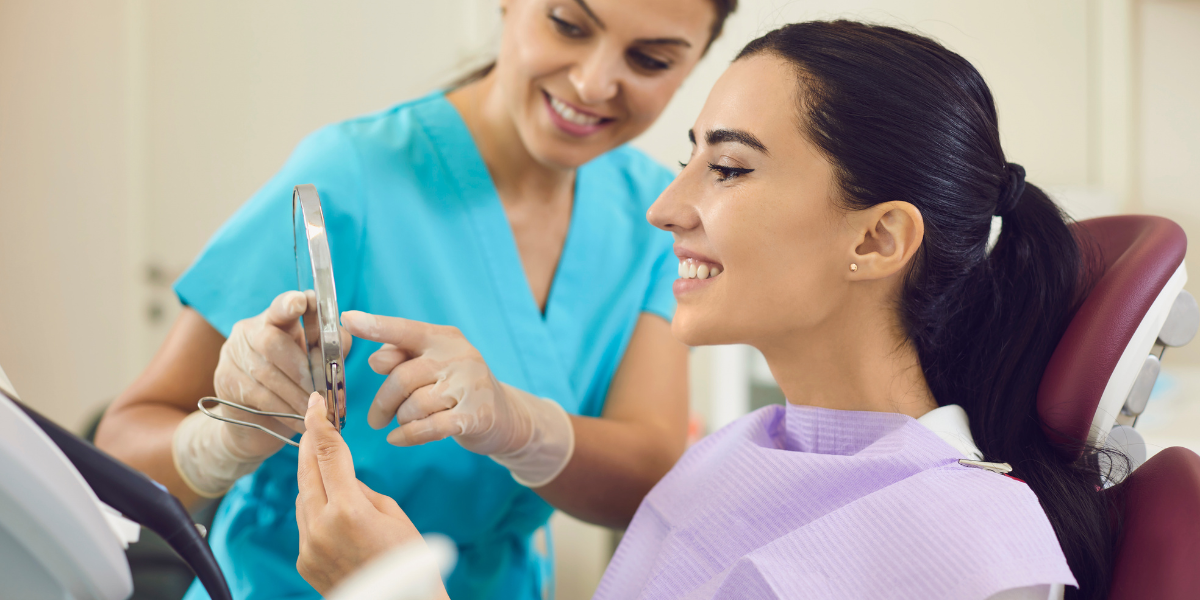
A professional teeth cleaning usually focuses on tooth surfaces and areas that are difficult to manage completely at home. The appointment can also include an oral health assessment based on what is happening in your mouth at that time and what your dental history shows. No two visits are exactly alike. The amount of buildup, gum health, sensitivity, restorations, and other clinical findings can all affect what your appointment involves, which is why preventive care is best approached according to individual needs.
Cleaning and Polishing
Scaling removes plaque and hardened deposits from the teeth and around the gumline using professional dental instruments. Some patients have only a small amount of buildup, while others may need additional attention in areas where deposits have collected over time. Polishing may follow to help reduce certain surface stains and leave the teeth feeling smoother. Professional plaque and tartar removal focuses on clearing buildup while protecting healthy tooth structure. Questions about whether dental cleaning damages enamel are common, especially for people who have not had a cleaning in a while.
Checking More Than Cleanliness
A dental cleaning in Clifton, NJ appointment also creates an opportunity to look closely at the teeth and gums. The dental team may check for cavities, changes in the gums, sensitivity, damaged restorations, or other concerns that may need attention. Digital X-rays can also be used when they are clinically useful for areas that cannot be evaluated fully through visual examination alone. Finding a problem earlier gives patients time to understand what is happening and discuss appropriate next steps before symptoms become harder to ignore. Practical Observation: Teeth can feel perfectly clean while a cavity, damaged filling, gum change, or hidden tartar build up is developing. Preventive visits therefore involve careful evaluation as well as helping the teeth feel cleaner and smoother.
Why Professional Teeth Cleaning Cannot Replace Daily Home Care
A dental appointment can do a lot, but it cannot control everything that happens in the weeks or months that follow. Professional dental cleaning vs home cleaning works best as a partnership because plaque begins forming again soon after the teeth have been cleaned. What you do between visits has a direct effect on how much build up develops. Consistent home care can also help maintain the benefits of preventive appointments and keep your routine working well from one visit to the next.
Daily Habits Still Matter
Daily brushing cleans accessible tooth surfaces, while interdental cleaning reaches areas a toothbrush cannot manage effectively. Strong dental hygiene habits in Clifton, NJ help preserve the results of professional teeth cleaning and limit fresh plaque buildup between appointments. Patients who notice bleeding, ongoing inflammation, or other periodontal concerns may need an evaluation for gum therapy in Clifton instead of depending on a routine cleaning alone. The right approach depends on what the dental team sees during the examination.
The Biggest Mistake Is Treating Home and Professional Care as Alternatives
It is easy to think of home care and professional cleaning as two versions of the same thing, but they serve different purposes. Professional dental cleaning vs. home cleaning is better understood as two parts of one preventive system. Home care deals with everyday plaque formation. Professional visits address deposits, difficult areas, and concerns that need dental instruments or clinical evaluation. When both are consistent, patients have a stronger foundation for maintaining healthy teeth and gums over time.
One Preventive System
Home care manages what accumulates each day. Professional care deals with buildup that remains, reaches areas that are difficult to clean thoroughly, and gives the dental team a chance to notice changes in the teeth and gums. If an examination finds a concern that goes beyond routine preventive care, patients can explore suitable dental services based on their individual needs and clinical findings.
Home care: Control today’s plaque.
Professional care: Address what remains and evaluate what you cannot easily see.
Together: Support preventive oral care over time.
How Often Should You Schedule a Dental Cleaning?
There is no single cleaning schedule that fits every person. The right timing for dental cleaning in Clifton, NJ can depend on gum health, cavity risk, previous periodontal problems, tartar buildup, dental appliances, and how effectively plaque is being managed at home. Many patients follow a regular preventive schedule, but the recommended interval can change depending on what the dental team finds. Your current oral health and risk factors should guide how often you return rather than relying on one schedule for everyone.
Choosing the Right Recall Schedule
A six-month schedule is common for many patients, but it is not an absolute rule. Some people may benefit from different recall intervals depending on gum condition, cavity history, tartar levels, orthodontic treatment, and other clinical factors. Questions about a dental exam every six months or yearly should always be considered alongside individual oral health needs. Ask your dental team whether your schedule should change if you deal with frequent tartar, repeated cavities, bleeding gums, cleaning difficulties around orthodontic appliances, or noticeable changes in your mouth.
Why Trying to Remove Tartar at Home Is Not the Same as Professional Care
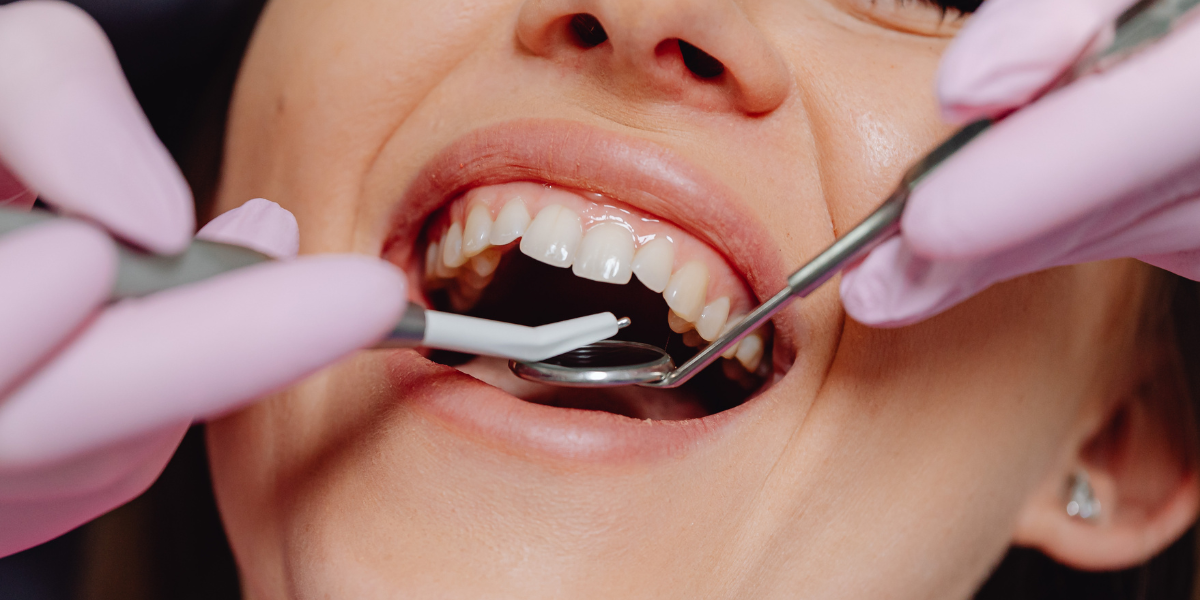
Home care is best used to prevent buildup, not to scrape hardened deposits from the teeth. DIY instruments and aggressive methods do not offer the same visibility, controlled technique, or clinical judgment used during professional dental care. There is another challenge too: it can be hard to know what you are actually looking at. A rough spot may be tartar, staining, part of a restoration, or something else entirely, which is why guessing and scraping at home can create unnecessary problems.
Keep DIY Tools Away From Hardened Deposits
Telling tartar apart from stain, a restoration, or another dental concern is not always easy without a proper examination. Scraping with sharp or abrasive tools can irritate the gums or damage tooth surfaces, particularly when visibility is limited. Professional plaque and tartar removal should follow an appropriate dental evaluation, especially if deeper gum concerns are suspected. Patients with periodontal problems may require periodontal therapy in Clifton based on the health of the gums and supporting tissues.
Key takeaway: Prevent tartar through consistent home care. Have existing hardened deposits evaluated and removed professionally.
How Home Care and Professional Visits Work Together Over One Year
Preventive care works best as an ongoing cycle, not as a string of disconnected cleaning appointments. Consistent dental hygiene habits in Clifton, NJ form the daily foundation, while dental visits act as checkpoints to see how well that routine is working. Each stage supports the next one. Daily care limits buildup, professional visits address what remains, and updated guidance gives patients practical ways to adjust their routine between appointments.
Example Preventive-Care Cycle
Every day
- Brush thoroughly and clean between teeth.
- Pay attention to sensitivity, bleeding, swelling, or other changes.
Between visits
- Follow recommendations suited to your needs.
- Replace worn oral-care tools when appropriate.
- Contact the office if new symptoms develop.
At preventive visits
- Review changes since the previous appointment.
- Remove buildup that home care cannot manage.
- Examine the teeth and gums.
- Adjust home-care guidance when needed.
For some patients, saliva and oral microbiome testing may provide additional information when clinically appropriate and can help build a broader picture of factors affecting oral health.
How Harmony Dental Arts Supports Preventive Dental Care in Clifton
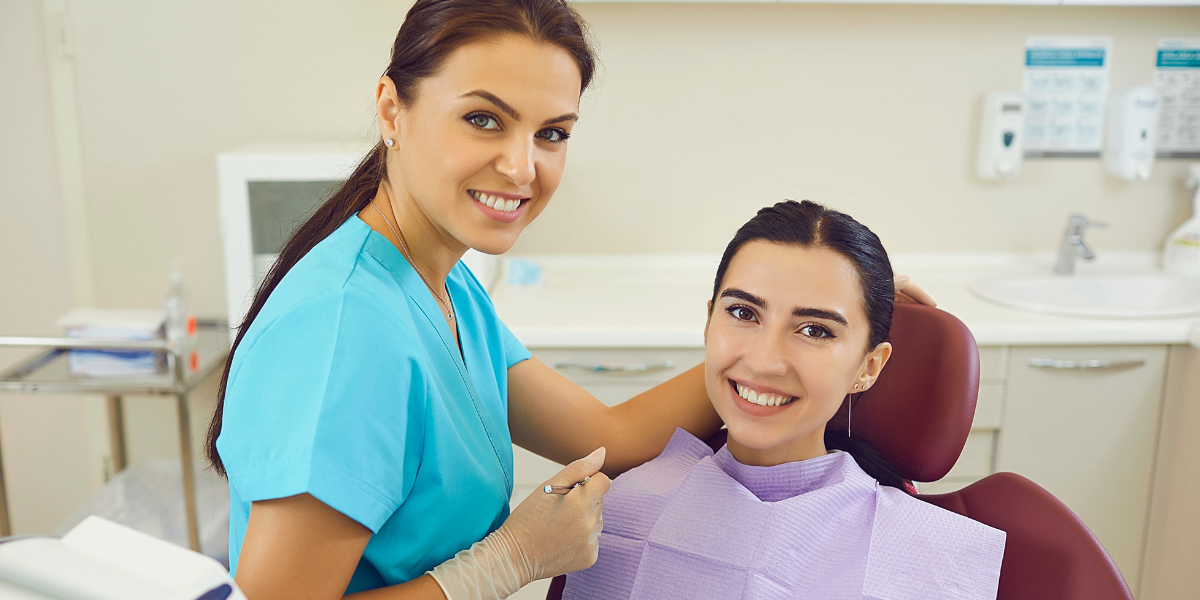
At Harmony Dental Arts, we connect home-care guidance with preventive clinical care because the two work best together. Our approach to dental cleaning in Clifton, NJ care includes addressing buildup while also paying attention to changes in the teeth, gums, and overall condition of the mouth. We also talk with patients about what they are doing between visits. That conversation helps us offer recommendations that fit their actual routine instead of giving advice that feels generic or difficult to follow.
Preventive Care at Our Clifton Office
During professional teeth cleaning, we can remove buildup and certain surface stains while looking closely at areas that may need additional attention. Digital X-rays may also be used when they are clinically useful for checking areas that cannot be fully assessed through visual inspection alone. We discuss brushing and interdental techniques, so dental hygiene recommendations in Clifton, NJ reflect each patient’s needs, whether we are caring for children, teens, adults, or families. Practical, personalized guidance can make it easier to maintain a routine that feels manageable between preventive visits.
Healthy Teeth Need What You Do at Home and What We Do in the Dental Office
Daily brushing and interdental cleaning remain the foundation of preventive oral care. At the same time, professional dental cleaning vs. home cleaning shows why home tools cannot reliably take the place of clinical evaluation or professional removal of hardened deposits. Both have a clear and useful role. Home care manages the plaque that develops each day, while professional care addresses remaining buildup, looks for changes in oral health, and helps patients fine-tune the routine they follow at home.
Conclusion
Consistent home care helps control plaque, while professional teeth cleaning provides professional plaque and tartar removal and gives the dental team an opportunity to evaluate the teeth and gums. Together, these habits and preventive visits support stronger dental hygiene in Clifton, NJ, and help patients respond to changes before they become harder to manage. If you are due for dental cleaning in Clifton, NJ care or are concerned about tartar, bleeding gums, sensitivity, or changes in your teeth, contact Harmony Dental Arts to schedule a dental cleaning and exam.