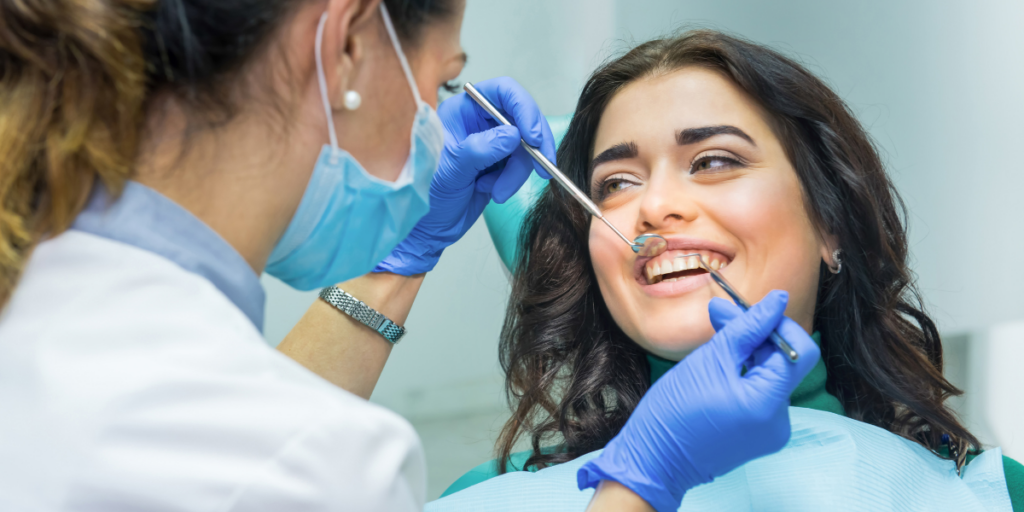
Sudden tooth pain from sugary foods often signals underlying oral health issues. When Protective layers weaken, sugar reaches sensitive internal areas, causing discomfort. Common causes include cavities, enamel erosion, gum recession, or cracked teeth. Leaving sensitivity untreated can lead to infections and costly procedures. Early care from a trusted dentist prevents long-term damage. At Harmony Dental Arts, we provide prompt diagnosis and relief. Whether visiting an emergency or a family dentist in Clifton, identifying the cause helps restore comfort and maintain healthy smiles through preventive and restorative care.
What Does It Mean If My Tooth Hurts When I Eat Sweets?

Sweet-related tooth pain often points to exposed or irritated areas inside the tooth. Understanding why the pain occurs can help patients recognize when professional dental care is necessary.
Why Sugar Triggers Tooth Pain
Sugar can trigger pain when it reaches exposed dentin or irritated tooth nerves. Dentin contains tiny tubules that connect directly to the tooth’s nerve center. When sweet foods or drinks come into contact with these exposed areas, the nerves react quickly, producing a sharp sensation.
Many people describe the discomfort as sudden and short-lasting. Even a sip of soda or a small piece of candy may cause discomfort when the enamel becomes thin or damaged.
Tooth Sensitivity vs. Serious Dental Problems
Mild tooth sensitivity may happen occasionally after consuming cold or sugary foods. Persistent pain, however, often indicates decay, enamel damage, or infection. If symptoms continue for several days or worsen over time, patients should schedule an evaluation with a trusted dentist in Clifton. Ignoring symptoms may allow dental problems to progress silently beneath the surface. Early diagnosis helps prevent the need for larger restorative procedures later.
Schedule Your Visit with a Trusted Dental Team
Taking the next step toward better oral health starts with a simple conversation. Our experienced team is ready to answer your questions and help you plan your treatment with confidence.
Why You Shouldn’t Ignore Sweet Sensitivity
Sweet sensitivity can gradually worsen if left untreated. What begins as mild discomfort may eventually progress into advanced tooth decay, infection, or nerve damage. In severe cases, patients may require root canal therapy or tooth extraction. Prompt dental treatment allows dentists to identify the root cause early and protect the affected tooth before permanent damage develops.
Common Reasons Your Teeth Hurt When Eating Sweets

Several dental conditions can cause sugar sensitivity. Identifying the underlying problem helps dentists create the right treatment plan for long-term relief.
Tooth Decay and Cavities
Cavities are one of the most common reasons teeth hurt after eating sweets. Tooth decay creates holes in the enamel that allow sugar and bacteria to move closer to the tooth nerve. As bacteria continue to break down the tooth structure, sensitivity often worsens.
Plaque buildup and poor oral hygiene increase the risk of cavities. Early treatment with dental fillings can stop the decay from spreading and preserve the natural tooth.
Enamel Erosion
Enamel erosion occurs when acids gradually wear away the protective outer layer of the teeth. Frequent consumption of soda, citrus drinks, sports beverages, and acidic foods can weaken enamel over time. Aggressive brushing habits may also contribute to enamel loss. Once the enamel thins, the underlying dentin becomes exposed, leading to discomfort when eating sweets.
Gum Recession and Exposed Tooth Roots
Receding gums expose the tooth roots, which lack the strong enamel protection found on the crown portion of the tooth. This exposure makes the roots highly sensitive to sugary foods, cold beverages, and temperature changes.
Gum disease, improper brushing techniques, and aging can all contribute to gum recession. Professional dental care helps prevent the condition from worsening.
Cracked, Chipped, or Damaged Teeth
Small cracks or chips in the teeth can create openings that allow sugar and bacteria to reach deeper layers of the tooth. Patients with damaged teeth often notice discomfort while chewing or increased sensitivity to hot and cold foods. Even minor fractures should be evaluated promptly, as they can enlarge over time and compromise the tooth structure.
Old or Defective Fillings
Worn or damaged fillings may leave tiny gaps around the treated tooth. Sugar and bacteria can enter these spaces, irritating the inner tooth structure. Older fillings may also weaken over time and lose their protective seal. Replacing defective restorations helps protect the tooth and reduce ongoing sensitivity.
Other Symptoms That May Accompany Sugar Sensitivity

Sugar sensitivity often appears alongside other dental symptoms. Paying attention to these warning signs can help patients recognize when they need professional treatment.
Sensitivity to Hot or Cold Foods
Many patients who experience pain with sweets also notice discomfort when consuming hot coffee, cold drinks, or ice cream. Temperature sensitivity often signals enamel erosion or irritation of the tooth nerve. When the protective enamel layer weakens, external stimuli can more easily reach the sensitive inner layers.
Sharp or Lingering Tooth Pain
Brief discomfort may indicate mild sensitivity, but lingering pain can signal advanced decay or infection. Persistent pain after eating sweets should never be ignored, as it may indicate tooth damage. Patients experiencing ongoing discomfort should contact an emergency dentist near Clifton for prompt evaluation and treatment.
Gum Swelling, Bleeding, or Bad Breath
Tooth sensitivity may also occur alongside swollen gums, bleeding during brushing, or chronic bad breath. These symptoms can indicate gum disease, which can expose tooth roots and increase sensitivity. Routine dental cleanings and preventive care help remove harmful plaque and support healthier gums.
How Dentists Diagnose the Cause of Sweet Tooth Pain

Accurate diagnosis is essential because many dental conditions can cause sugar sensitivity. Dentists use comprehensive evaluations and advanced technology to identify the exact problem.
Comprehensive Dental Examination
During a dental examination, dentists carefully inspect the teeth, gums, bite alignment, and existing restorations. They look for signs of cavities, fractures, gum recession, enamel erosion, and exposed roots. A complete evaluation helps determine whether the sensitivity is caused by mild irritation or a more serious dental issue.
Digital X-Rays and Modern Dental Technology
Digital X-rays allow dentists to identify hidden cavities, infections, and cracks that may not be visible during a standard examination. Modern dental technology improves diagnostic accuracy and supports personalized treatment planning. Advanced imaging also helps dentists detect problems earlier, before severe symptoms develop.
Creating a Personalized Treatment Plan
Treatment for sugar sensitivity depends on the underlying cause and the severity of the condition. Some patients may need preventive treatments, while others require restorative procedures. Customized care plans help families, professionals, and patients with complex dental concerns receive the most effective treatment for their specific needs.
Common Treatment Options for Sugar-Sensitive Teeth
Professional dental care can relieve discomfort and protect sensitive teeth from further damage. Dentists recommend treatments based on the condition affecting the tooth.
Fluoride Treatments for Weak Enamel
Professional fluoride treatments help strengthen weakened enamel and reduce tooth sensitivity. Fluoride supports remineralization and improves the tooth’s natural resistance against acid attacks. Many patients benefit from fluoride applications during routine dental visits, especially those with early enamel erosion.
Dental Fillings for Cavities
Dental fillings restore teeth damaged by cavities and prevent sugar from reaching the sensitive inner layers. Tooth-colored fillings blend naturally with surrounding teeth and restore both strength and appearance. Early cavity treatment helps preserve healthy tooth structure and prevents worsening decay.
Bonding, Crowns, and Restorative Dentistry
Dental bonding and crowns help protect damaged, cracked, or eroded teeth. Bonding seals vulnerable areas, while crowns cover and strengthen severely weakened teeth. These restorative treatments improve chewing function, reduce sensitivity, and restore the natural appearance of the smile.
Gum Disease Treatment and Gum Grafting
Treating gum disease helps reduce inflammation and protect exposed tooth roots. In severe cases of gum recession, dentists may recommend gum grafting procedures to cover vulnerable root surfaces. Protecting the roots helps reduce discomfort caused by sweets and temperature changes.
Root Canal Therapy for Severe Tooth Pain
When infection or nerve damage reaches the center of the tooth, root canal therapy may be necessary. Modern root canal procedures are comfortable and highly effective at eliminating pain while preserving the natural tooth. Early treatment helps patients avoid extraction and restore long-term oral health.
How to Get Rid of Sugar-Sensitive Teeth

Healthy oral habits can help reduce sensitivity and protect teeth from further damage. Combining home care with professional dental visits often provides the best results.
Use Desensitizing Toothpaste
Desensitizing toothpaste helps block pain signals from exposed dentin tubules. Regular daily use can gradually reduce discomfort caused by sweets, hot drinks, and cold foods. Patients should use the toothpaste consistently because results often improve over several weeks.
Switch to a Soft-Bristled Toothbrush
Hard brushing can wear down enamel and contribute to gum recession. Using a soft-bristled toothbrush and a gentle brushing technique helps protect sensitive areas and maintain healthier gums. Dentists often recommend brushing with small circular motions rather than aggressive scrubbing.
Rinse Your Mouth After Eating Sweets
Rinsing with water after eating sugary snacks helps reduce sugar and acid buildup on the teeth. Limiting frequent snacking and reducing acidic beverages can also help protect enamel. Simple daily habits can make a significant difference in preventing future sensitivity.
Maintain Regular Dental Visits
Routine dental visits allow dentists to detect early signs of cavities, gum disease, and enamel erosion before they become serious. Professional cleanings remove plaque and tartar that contribute to dental problems. Patients searching for a dentist near me in Clifton should prioritize regular checkups to maintain long-term oral health.
What Is the 3-3-3 Rule for Toothache?
The 3-3-3 rule provides a simple guideline to help patients recognize when tooth pain may require professional attention.
Understanding the 3-3-3 Rule
The rule suggests seeking professional evaluation if tooth pain lasts longer than three days, swelling continues for three days, or pain exceeds three out of ten. Persistent discomfort is never considered normal. Even mild symptoms can indicate deeper dental problems that require treatment.
When the 3-3-3 Rule Signals a Dental Emergency
Severe pain, facial swelling, fever, or difficulty chewing may indicate infection or advanced dental damage. These symptoms require urgent evaluation from an emergency dental provider. Patients experiencing these warning signs should seek emergency dental care in Clifton as quickly as possible.
How Long Does Sugar Sensitivity Last?

The duration of tooth sensitivity varies depending on the cause. Some cases improve quickly, while others require professional dental treatment.
Temporary Sensitivity After Eating Sweets
Mild sensitivity may disappear quickly if the irritation is minor. Whitening products, acidic foods, and temporary enamel irritation can sometimes cause short-term discomfort. Proper oral care and avoiding triggers may help symptoms improve naturally.
Persistent Sensitivity That Needs Treatment
Ongoing pain often signals cavities, exposed roots, gum recession, or enamel erosion. A dental professional should evaluate persistent symptoms because untreated problems usually worsen over time. Professional diagnosis helps identify the exact cause and prevent future complications.
Recovery After Dental Treatment
Many patients experience noticeable improvement after fillings, fluoride treatments, crowns, or other restorative procedures. Maintaining healthy brushing habits and regular dental visits supports long-term protection. Following the dentist’s recommendations can help prevent recurring sensitivity.
When Should You See a Dentist for Tooth Sensitivity?
Recognizing warning signs early can help patients avoid serious dental complications and protect their long-term oral health.
Warning Signs You Shouldn’t Ignore
Patients should schedule a dental evaluation if they experience:
- Pain lasting longer than a few days
- Sensitivity that becomes stronger over time
- Visible cracks, swelling, or bleeding gums
These symptoms often indicate underlying dental conditions that require professional treatment.
Benefits of Early Dental Treatment
Early treatment helps prevent infections, severe decay, and costly restorative procedures. Prompt care often allows dentists to use conservative treatments before major damage develops. Choosing an experienced Clifton dental team helps patients receive accurate diagnoses and comfortable care.
Why Patients Choose Harmony Dental Arts for Tooth Sensitivity Treatment in Clifton
Finding the right dental office is an important step toward lasting relief from tooth sensitivity. Harmony Dental Arts provides comprehensive care designed to protect oral health and restore patient comfort.
Our Patient-Focused Approach to Dental Care
Our team takes time to understand every patient’s symptoms, concerns, and smile goals before recommending treatment. We create personalized care plans for adults, busy professionals, and families seeking comfortable dental care. Patients appreciate our compassionate approach and commitment to long-term oral health.
Schedule Your Visit with a Trusted Dental Team
Taking the next step toward better oral health starts with a simple conversation. Our experienced team is ready to answer your questions and help you plan your treatment with confidence.
Our Comprehensive Dental Services Under One Roof
Our Clifton dental clinic offers preventive, cosmetic, restorative, and emergency dental services in one convenient location. We provide cleanings, fillings, crowns, root canals, Invisalign, veneers, whitening, dentures, gum disease treatment, and restorative care. Patients seeking comprehensive dental solutions can receive consistent care from a trusted team.
Our Modern Technology and Comfortable Office Experience
We use advanced dental technology to improve treatment precision, patient comfort, and diagnostic accuracy. Our welcoming office environment helps patients feel relaxed throughout every stage of care. We focus on creating natural-looking results that improve both oral health and confidence.
How We Help Patients Restore Healthy, Pain-Free Smiles
Our dental team carefully diagnoses the source of sweet sensitivity and develops effective treatment solutions tailored to each patient’s needs. Whether patients need preventive care, restorative treatment, or emergency dental services, we help restore healthier and more comfortable smiles. Patients searching for a family dentist near me or a Clifton cosmetic dentist can schedule a consultation with our experienced team to receive personalized care. Harmony Dental Arts is proud to serve patients looking for a dentist in Clifton, a trusted Clifton dental clinic, quality dental implantin s Clifton, NJ, and the best dentist in Clifton, NJ, for comprehensive oral health care.
Conclusion
Tooth pain after eating sweets is often a warning sign that something in the mouth requires attention. Cavities, enamel erosion, gum recession, cracked teeth, and damaged fillings are some of the most common causes of sugar sensitivity. While the discomfort may begin as mild irritation, untreated problems can progress into infections, nerve damage, and severe dental pain. Seeking prompt dental care helps identify the cause early and protects your long-term oral health. Professional treatment can relieve discomfort and prevent future complications. Don’t ignore the warning signs. Contact us at Harmony Dental Arts today to schedule your consultation and restore your healthy, pain-free smile.