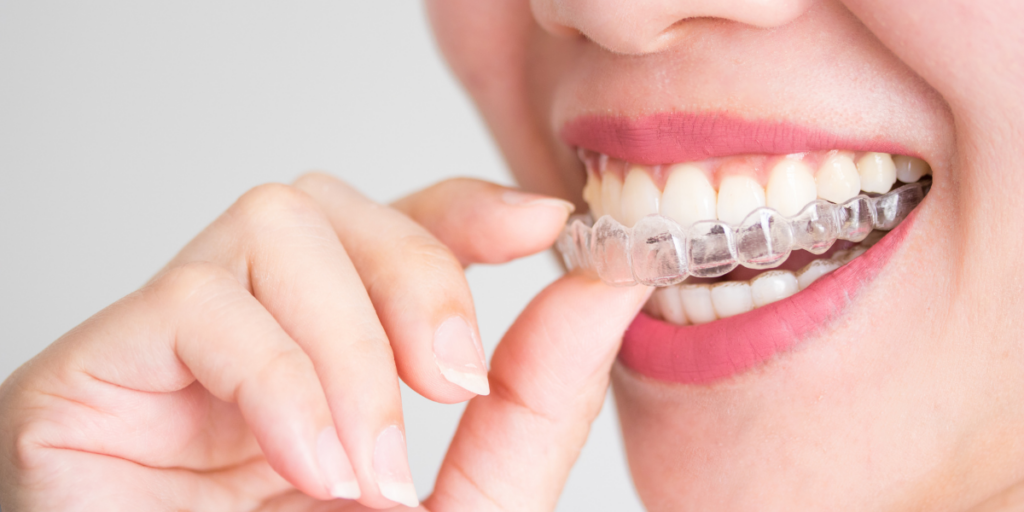
Many Clifton patients like the discreet look of Invisalign, then pause at one big question: “Is my bite too complicated for clear aligners?”
It’s a fair concern. Underbites and crossbites are not simple cosmetic issues. They can affect chewing, tooth wear, jaw comfort, speech, facial balance, and long-term oral health.
If you are wondering whether Invisalign can fix an underbite or crossbite, the answer depends on the cause and severity of your bite. Invisalign can correct some underbites and crossbites, especially when the problem is mainly related to tooth position. Severe bite issues, or bite problems caused by jaw alignment, may need braces, expanders, oral surgery, or a combined orthodontic plan.
This guide explains how Invisalign works for underbite and crossbite cases, when clear aligners may be recommended, when braces may be better, and what patients considering Invisalign treatment in Clifton should expect during an orthodontic evaluation at Harmony Dental Arts.
Can Invisalign Fix an Underbite or Crossbite? The Short Answer
Yes, Invisalign can correct some underbite and crossbite cases. It works best when the bite issue is dental, meaning the teeth are misaligned rather than the jawbones being significantly out of position.
For mild to moderate malocclusion, clear aligners may guide teeth into a better bite relationship over time. For complex underbites or crossbites, an orthodontist in Clifton, NJ may recommend braces, elastics, growth-guidance appliances, extractions, surgery, or a phased treatment plan.
A proper diagnosis matters. The same-looking bite problem can have a completely different cause from one patient to another.
Understanding Underbites and Crossbites Before Choosing Treatment
Before deciding between Invisalign and braces, it helps to understand what’s actually happening when the teeth come together.
What is an underbite?
An underbite occurs when the lower front teeth sit in front of the upper front teeth when the mouth is closed. Some underbites are caused by tooth position. Others are related to jaw growth, genetics, missing teeth, or a mix of several factors.
Common signs may include:
- Difficulty biting into certain foods
- Uneven front tooth wear
- Jaw strain or tightness
- Speech changes
- A facial profile concern
A slight underbite caused by tilted teeth may be much easier to treat with Invisalign than an underbite caused by the lower jaw growing significantly ahead of the upper jaw.
Schedule Your Visit with a Trusted Dental Team
Taking the next step toward better oral health starts with a simple conversation. Our experienced team is ready to answer your questions and help you plan your treatment with confidence.
What is a crossbite?
A crossbite happens when some upper teeth sit inside the lower teeth instead of outside them. It may affect the front teeth, back teeth, or one side of the mouth.
Crossbites can lead to uneven chewing, enamel wear, gum recession, jaw shifting, and TMJ discomfort. Some patients notice their bite feels “off” before they can visually identify the problem.
Why the cause matters more than the label
Two people may both say they have a crossbite, yet one may need clear aligners while the other needs expansion or braces. The key question is whether the issue is dental, skeletal, or both.
That’s why comparing online Invisalign before-and-after photos can be misleading. A photo shows the result. It doesn’t show the bone structure, root position, bite forces, gum health, or patient compliance behind the case.
How Invisalign Works for Bite Correction
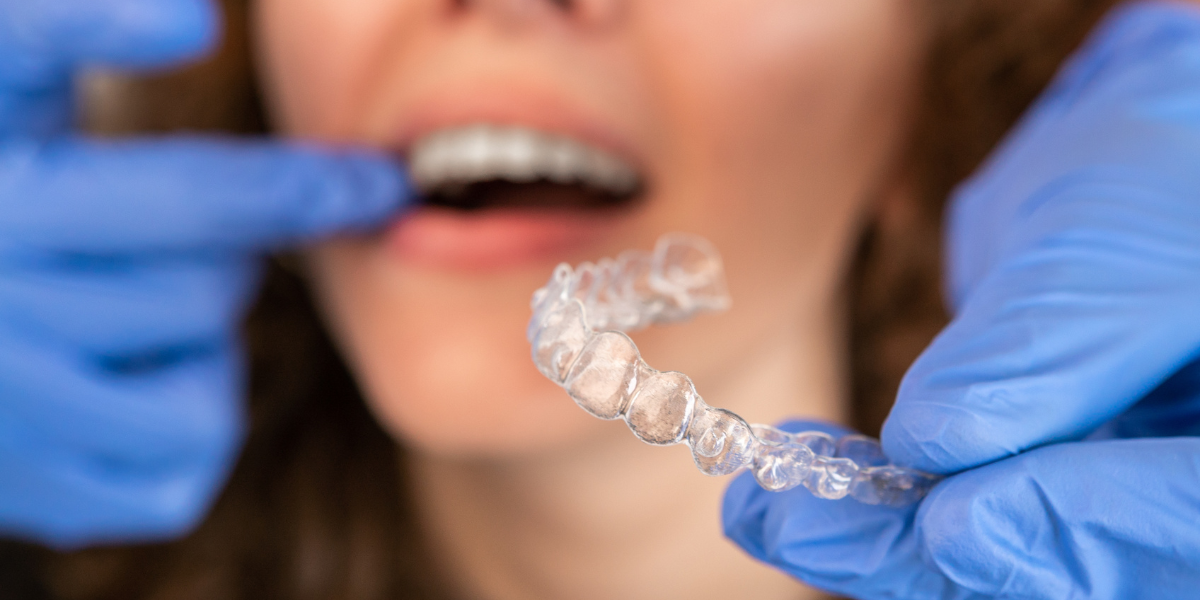
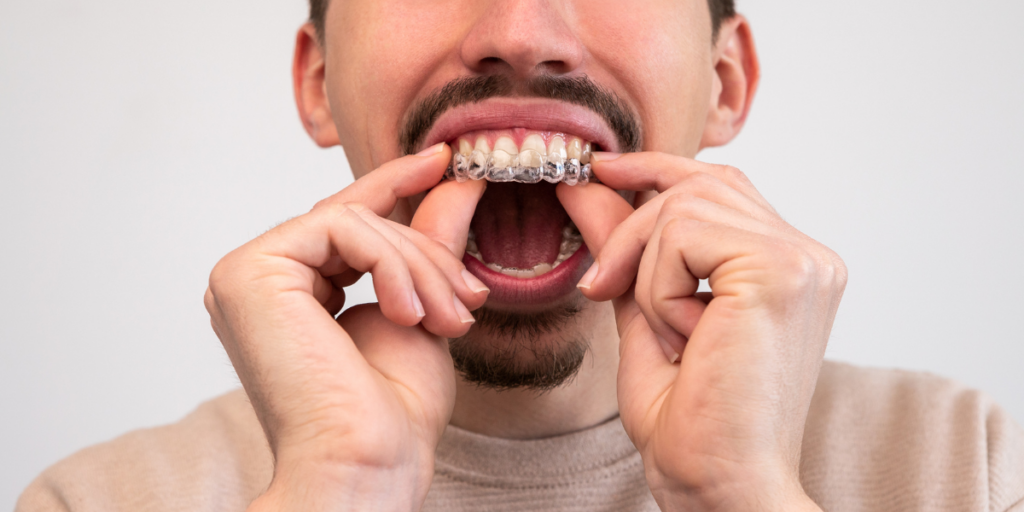
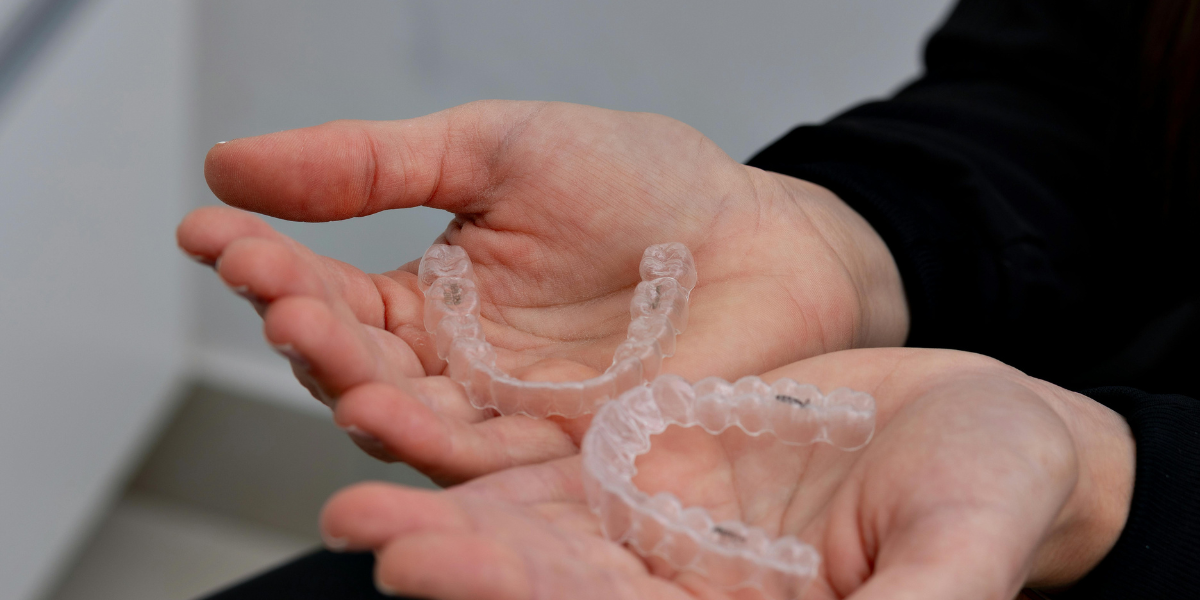
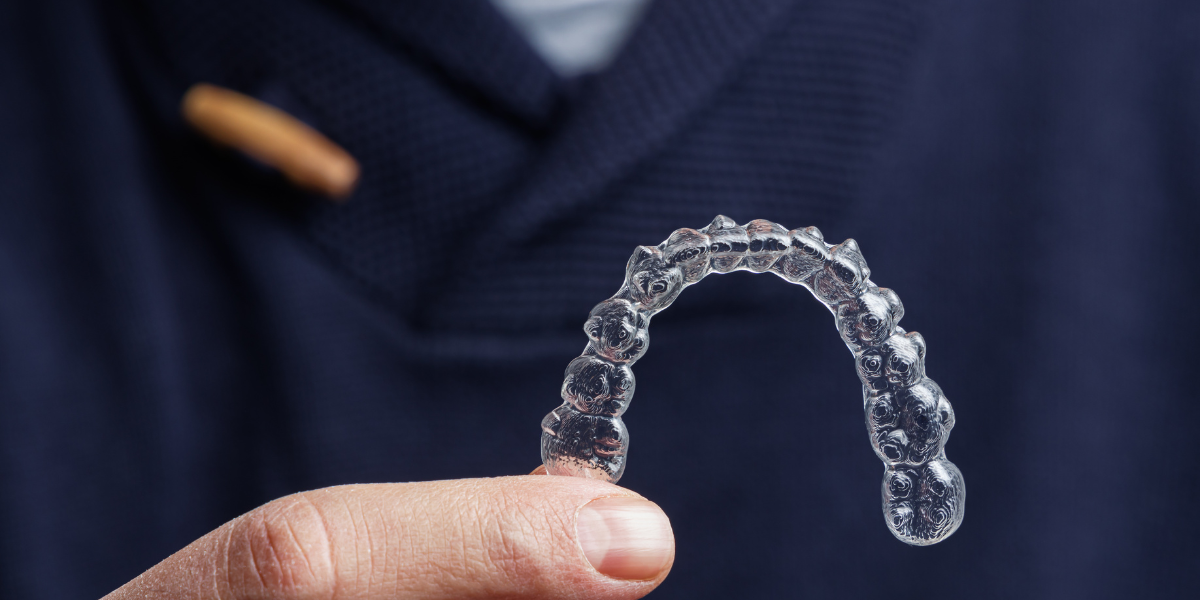
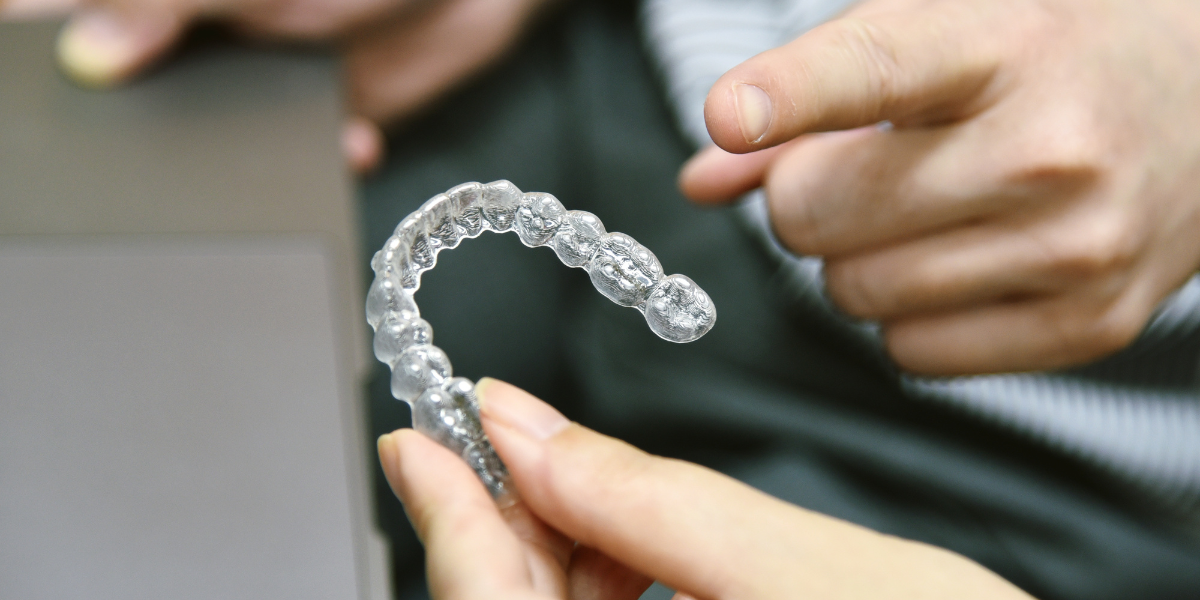
Invisalign uses a series of custom clear aligners that apply controlled pressure to specific teeth. Each tray is slightly different, guiding the teeth step by step into a planned position.
For bite correction, treatment may include:
- Attachments bonded to selected teeth
- Elastics to help guide jaw or bite relationships
- Bite ramps for certain deep bite or anterior bite cases
- Precision cuts in aligners for elastic placement
- Refinement trays when extra movement is needed
Digital planning is useful, but it doesn’t replace clinical judgment. A computer can simulate movement. An experienced provider decides whether that movement is realistic, safe, and stable.
One practical point patients often miss: bite correction is not just about making teeth look straight from the front. The upper and lower teeth need to fit together properly when you chew, speak, and close your mouth.
When Invisalign May Be Recommended for an Underbite
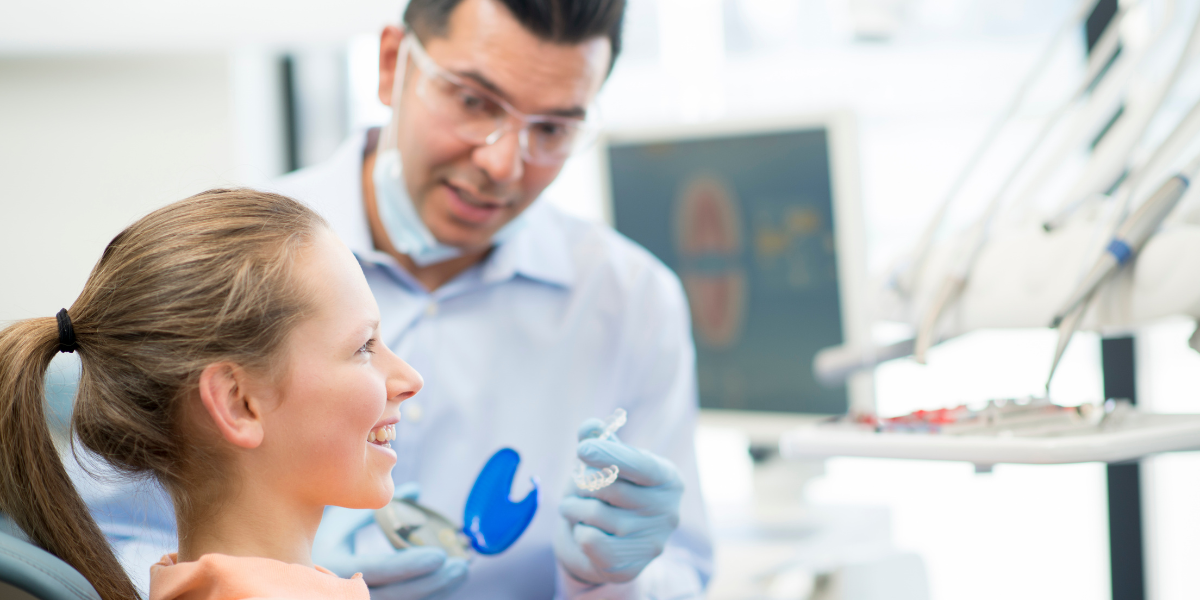
Invisalign may be a good option when the underbite is mild to moderate and mainly caused by tooth positioning.
It may help by:
- Moving the upper teeth slightly forward
- Moving the lower teeth backward
- Improving how the arches meet
- Creating a healthier bite relationship
Adults and teens who want a discreet treatment option often prefer Invisalign treatment in Clifton because the trays are removable and less noticeable than brackets.
A realistic example: a patient with a slight anterior underbite caused by tipped front teeth may be a strong Invisalign candidate. A patient whose lower jaw sits far ahead of the upper jaw may need braces, surgery, or a combined approach.
When Invisalign May Be Recommended for a Crossbite
Invisalign can work well for certain dental crossbites, especially when individual teeth need to be moved into a better position.
A crossbite may be treatable with aligners when:
- The tooth movement is predictable.
- There is enough space.
- The bite can be corrected without major jaw or palate changes.
- The patient can wear aligners consistently.
- Gum and bone support are healthy.
Posterior crossbites, which affect the back teeth, may require careful arch coordination. In younger patients, an expander may be recommended because the jaw is still growing. Anterior crossbites may respond to aligners when the movement is controlled, and there’s enough room to reposition the teeth safely.
Short answer: Invisalign may fix a crossbite when the teeth can be moved safely into proper alignment without major jaw or palate changes. Children and teens with growth-related crossbites may need early orthodontic guidance before or instead of aligners.
Invisalign vs. Braces for Underbite and Crossbite Correction
Both Invisalign and braces can be effective. The better choice depends on the bite, not the marketing.
| Factor | Invisalign | Braces |
| Appearance | Nearly invisible clear aligners | Visible brackets and wires |
| Removability | Removable for eating and brushing | Fixed to teeth |
| Compliance | Requires consistent wear | Works continuously |
| Case complexity | Often best for mild to moderate dental bite issues | Often better for complex bite correction |
| Oral hygiene | Easier brushing and flossing | Requires extra cleaning around brackets |
| Lifestyle fit | Popular with adults and responsible teens | Good for patients who may not wear trays reliably |
| Bite control | Strong in selected cases with proper planning | Often stronger for difficult mechanics |
When Invisalign may be the better fit
Invisalign may be recommended for mild to moderate dental bite issues, patients who want a nearly invisible option, and adults or teens who can commit to wearing trays most of the day.
It can also be helpful for people who want removable trays for eating, brushing, and flossing.
When braces may be the better fit
Braces may be recommended for severe underbites or crossbites, significant jaw discrepancies, complex tooth rotations, vertical movement, or cases requiring stronger control of tooth roots and bite mechanics.
Braces may also be better for patients who are unlikely to wear aligners consistently. No judgment. Some people simply do better with a fixed system.
How Clifton Orthodontists Decide If Invisalign Is Right for Your Bite
Patients searching for an orthodontist in Clifton, NJ, orthodontist Clifton, clear aligners orthodontist near Clifton, NJ, or Invisalign in Clifton usually need the same first step: a complete bite evaluation.
At an Invisalign consultation, the provider may review:
- Tooth alignment
- Bite relationship
- Jaw position
- Digital scans or impressions
- X-rays, when needed
- Gum and bone health
- Crowding or spacing
- Tooth wear patterns
- Patient age and growth stage
- Existing crowns, fillings, implants, or missing teeth
- Expected compliance with aligner wear
- Long-term stability of the result
This evaluation helps answer the real question: can Invisalign move the teeth into a healthier bite predictably, or would another orthodontic option produce a better result?
Adult, Teen, and Parent Considerations for Invisalign in Clifton
For adults
Adults often like Invisalign because it fits into work, social events, and professional settings with less visibility. Planning may be more detailed, though. Gum recession, worn teeth, old dental work, or missing teeth can affect how teeth move.
For some adults, bite correction also supports cosmetic or restorative goals. Straightening teeth without correcting the bite can leave functional problems behind.
For teens
Teen Invisalign can work well for responsible patients. The biggest factor is wear time. Aligners sitting in a case do nothing. Parents should ask about attachments, monitoring, lost trays, expected wear time, and what happens if treatment stops tracking as planned.
For younger patients
Some crossbites are best addressed early while the jaw is still growing. Expanders or early orthodontic treatment may be recommended before clear aligners. Early guidance can make later treatment simpler and reduce the chance that a bite issue becomes harder to correct.
What Happens If an Underbite or Crossbite Is Left Untreated?
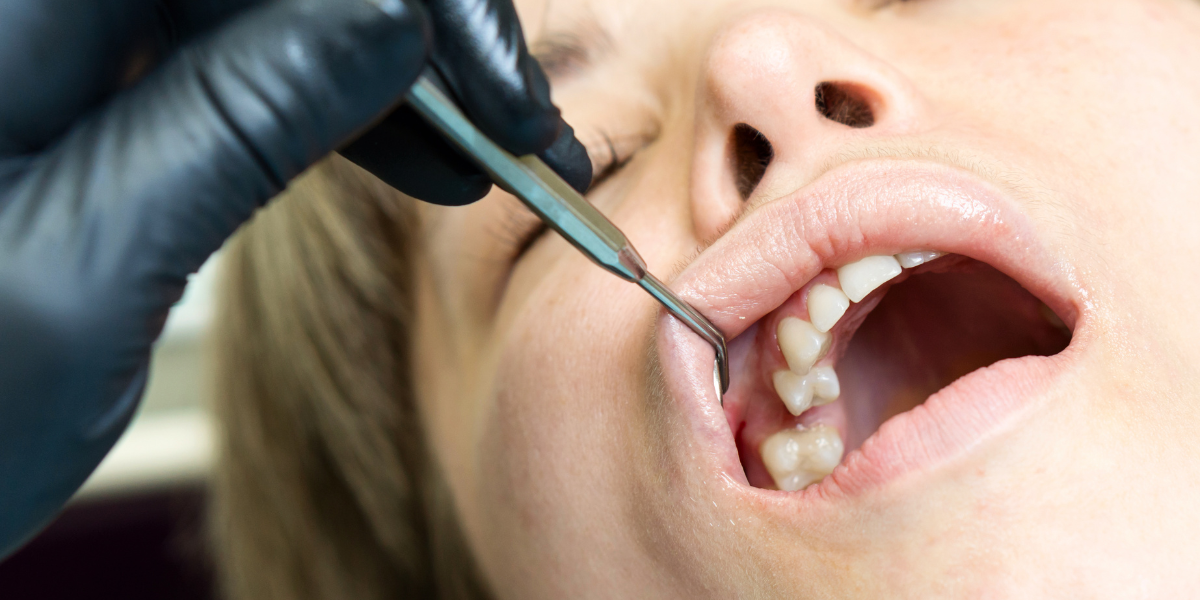
Leaving a bite problem untreated may increase the risk of:
- Uneven tooth wear
- Chipped or stressed teeth
- Gum recession
- Jaw discomfort
- Chewing imbalance
- Speech concerns
- Smile imbalance
- Bite instability after future dental work
The goal of treatment is a stable, healthy bite. Straighter-looking teeth are part of the benefit, but function matters just as much.
What to Expect During Invisalign Treatment for Bite Problems
Invisalign treatment for an underbite or crossbite usually follows a clear process:
- Consultation and bite evaluation
- Digital scan or impressions
- Review of whether Invisalign is appropriate
- Custom aligner planning
- Aligner fabrication
- Attachments or elastics, if needed
- Regular progress checks
- Refinements, when additional movement is needed
- Retainers after treatment
Bite correction often requires closer monitoring than simple cosmetic alignment. The teeth need to track in the trays, but the bite also needs to settle properly as the upper and lower arches meet.
How Long Does Invisalign Take for an Underbite or Crossbite?
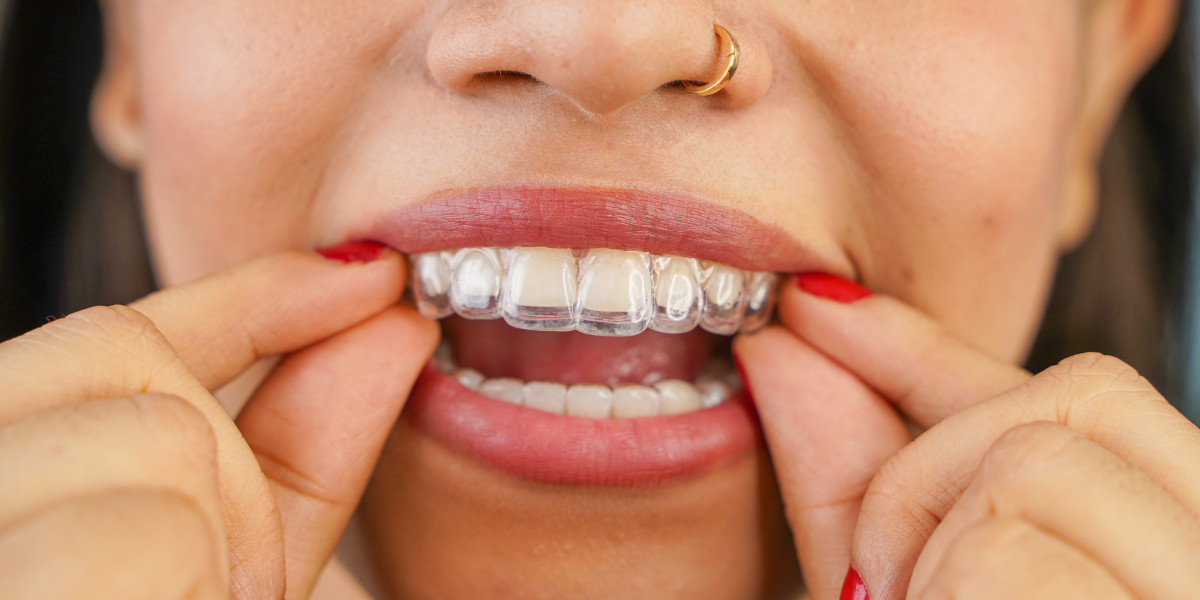
Treatment time depends on severity, tooth movement, patient compliance, and whether additional appliances are needed. Mild cases may be shorter. Complex cases may take longer and may require refinements.
Online timelines can be tempting, but they rarely tell the full story. A case that looks similar in a photo may involve completely different jaw relationships or tooth movement.
Short answer: Invisalign treatment for underbite or crossbite correction can vary significantly. The more complex the bite issue, the more important it is to have a personalized plan from an orthodontist.
Schedule Your Visit with a Trusted Dental Team
Taking the next step toward better oral health starts with a simple conversation. Our experienced team is ready to answer your questions and help you plan your treatment with confidence.
Questions to Ask Before Choosing Invisalign for an Underbite or Crossbite
Bring these questions to your consultation:
- Is my bite issue dental, skeletal, or both?
- Can Invisalign predictably correct my specific bite?
- Would braces give me a better or faster result?
- Will I need elastics, attachments, or an expander?
- How long will treatment likely take?
- What happens if my teeth don’t track as planned?
- Will I need refinements?
- What retainer will I need after treatment?
- How will treatment affect existing dental work?
Good answers should feel specific to your mouth, not generic.
Why Choose Harmony Dental Arts for Invisalign in Clifton, NJ?
Harmony Dental Arts provides Invisalign in Clifton, NJ, for patients who want discreet smile and bite correction. The practice can help patients understand whether Invisalign, braces, or another orthodontic option is the right fit for their bite.
That guidance is especially useful when bite correction overlaps with cosmetic, restorative, or overall oral health goals. A patient looking for clear Invisalign in Clifton, NJ, may also need worn teeth, gum health, or old dental work evaluated before treatment begins.
For patients comparing options and looking for the best dentist in Clifton, NJ, for comprehensive guidance, Harmony Dental Arts offers a local place to start with a personalized bite evaluation.
Find Out If Invisalign Can Fix Your Underbite or Crossbite
Wondering if Invisalign can fix your underbite or crossbite? Schedule a consultation with Harmony Dental Arts in Clifton, NJ, to get a personalized orthodontic recommendation. The right treatment starts with understanding your bite. From there, the team can explain whether Invisalign, braces, or another orthodontic option is best for your specific case.
CONCLUSION
Invisalign can be an excellent option for many underbite and crossbite cases, especially when the problem is related to tooth position. It may not be the right solution for every bite problem, particularly when jaw alignment plays a major role. The most important step is learning whether your bite issue is dental, skeletal, or a combination of both. Clifton patients should avoid guessing based on online photos or general aligner claims. A consultation with Harmony Dental Arts can give you a clear diagnosis, realistic treatment options, and a plan built for long-term bite health.