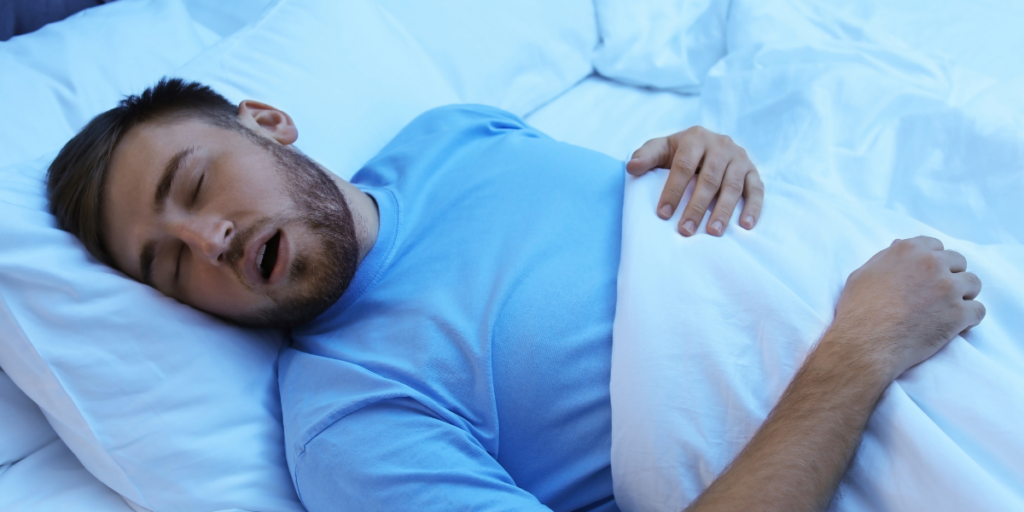
If snoring, restless sleep, or CPAP discomfort is an issue for you, bedtime can be a nightly negotiation. The mask is heavy. The hose is in the way. The noise from the machine annoys your partner. Then morning comes, and you are still tired.
For many adults considering sleep apnea treatment in Clifton, a custom dental sleep appliance is worth talking about. It can help people with snoring or mild to moderate obstructive sleep apnea, especially when CPAP is hard to tolerate. The appliance is recommended after proper evaluation.
In this guide, we’ll discuss how oral appliances work, who may be a good candidate, when you may still need CPAP, and how Harmony Dental Arts helps Clifton patients explore sleep dentistry options with comfort and safety in mind.
What Is a Dental Sleep Appliance and How Does It Work?
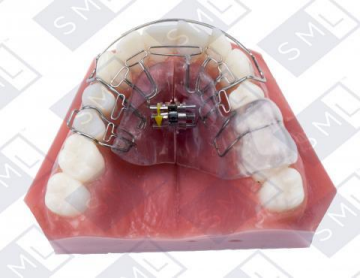
A dental sleep appliance is a custom oral device worn while you sleep. It is not the same as a regular mouthguard from a pharmacy shelf.
Most sleep appliances are designed to gently support the lower jaw or tongue position so the airway has a better chance of staying open during sleep. This may reduce airway narrowing, which is often connected with snoring and obstructive sleep apnea. Oral appliances are recognized as a treatment option for selected patients with obstructive sleep apnea, especially when guided by trained dental and medical professionals.
Short answer: A dental sleep appliance helps by improving nighttime airflow without using a CPAP mask or machine. Because the appliance has to fit your bite, jaw position, and oral structures, it should be custom-made and monitored by a dentist familiar with sleep dentistry.
When Can an Oral Appliance Help Snoring or Sleep Apnea?
An oral appliance may help when snoring is related to airway narrowing or when a patient has mild to moderate obstructive sleep apnea and can’t comfortably use CPAP. Some people also use an appliance for travel because it is compact, quiet, and easy to pack.
A dental appliance may be considered as part of sleep apnea treatment Clifton when local evaluation shows that the patient’s diagnosis, airway factors, jaw comfort, oral health, and medical history support it.
Good Candidates May Include People Who:
- Diagnosed with obstructive sleep apnea
- Snore frequently and wake up feeling tired
- Sleep with their CPAP mask off
- Suffer from dry mouth, mask leaks, machine noise, or travel inconvenience
- Select a non-machine, non-surgical approach where clinically relevant
- A practical detail many patients miss: Comfort is important. A treatment that works on paper and stays in the drawer is of little use. This is one reason oral appliances can be helpful for selected patients who use them regularly.
Schedule Your Visit with a Trusted Dental Team
Taking the next step toward better oral health starts with a simple conversation. Our experienced team is ready to answer your questions and help you plan your treatment with confidence.
An Appliance May Not Be Enough If:
- Sleep apnea is severe
- The patient has central sleep apnea
- There is major nasal obstruction or complex airway involvement
- The patient has untreated dental disease, loose teeth, or jaw joint concerns
- A sleep physician recommends CPAP or another therapy as the primary treatment
Central sleep apnea is different from obstructive sleep apnea because it involves breathing signal problems from the brain, so oral appliances are not designed to treat it.
CPAP vs. Dental Sleep Appliance: What Is the Difference?
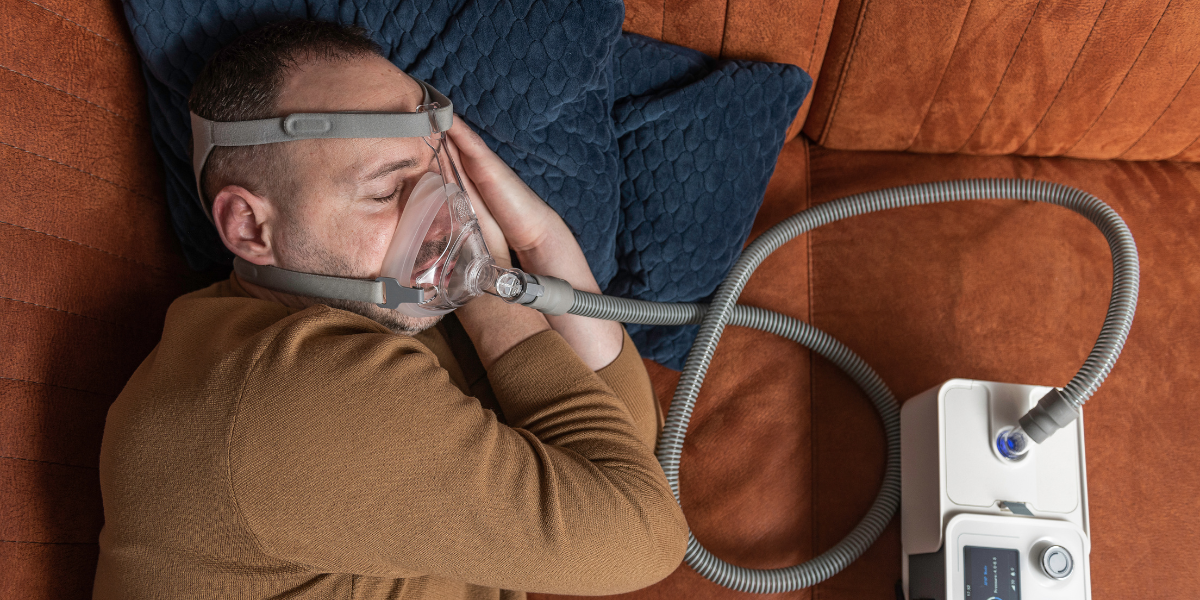
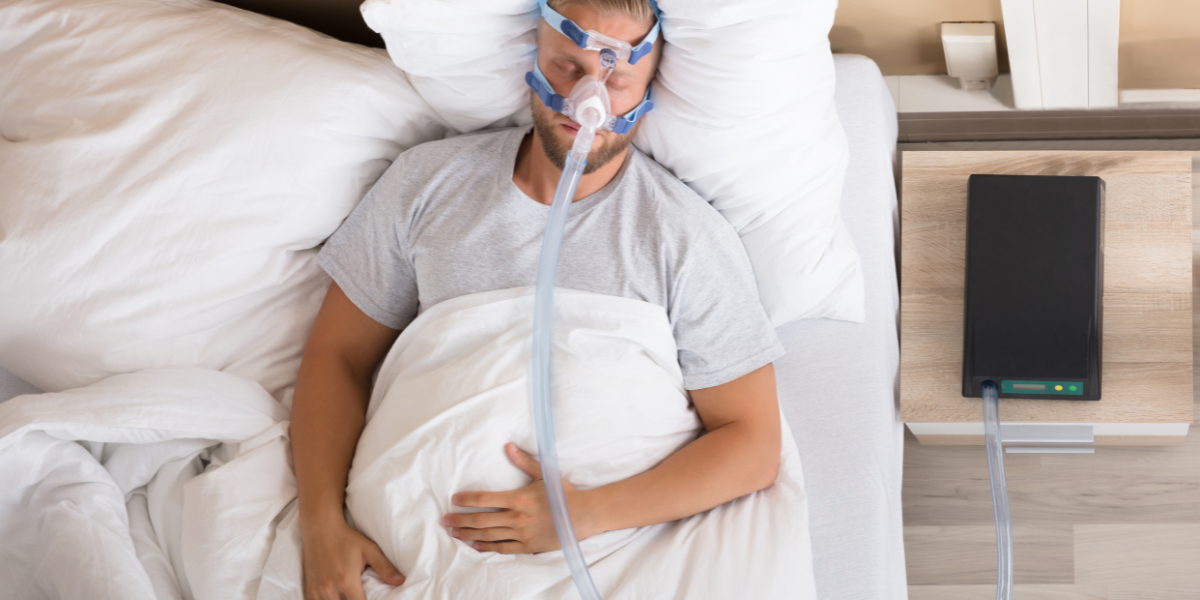
CPAP is pressurized air delivered via a mask to hold the airway open. A dental sleep appliance works mechanically to support the position of the jaw or tongue to reduce airway collapse.
CPAP is often recommended for more serious cases because it can be very effective when used correctly. Oral appliances, which are small, quiet, and portable, may be a better option for some people. The best choice depends on the diagnosis, the severity of sleep apnea, comfort, and actual use each night. Oral appliances may be easier to use for some people, but Mayo Clinic says CPAP is often considered stronger for obstructive sleep apnea management.
| Factor | CPAP | Dental sleep appliance |
| Comfort | Uses mask, hose, and airflow pressure | Compact oral device |
| Portability | Requires a machine and accessories | Easy to travel with |
| Noise | The machine may create sound | Silent |
| Maintenance | Mask, tubing, filters, water chamber | Cleaning and dental follow-ups |
| Effectiveness | Often preferred for severe apnea | May work well for selected cases |
| Compliance | Depends on tolerance | Depends on fit and comfort |
Why Proper Diagnosis Matters Before Choosing a CPAP Alternative
Snoring can be harmless, but it can also be a warning sign. Sleep apnea should be diagnosed through proper medical evaluation or sleep testing. According to the National Heart, Lung, and Blood Institute, sleep studies are essential for diagnosing sleep apnea, a condition often characterized by gasping, snoring, or intermittent pauses in breathing during sleep.
A dentist can evaluate oral structures, bite, jaw joints, tooth stability, and appliance suitability. A sleep doctor near Clifton may be involved for diagnosis, severity assessment, and medical oversight.
Untreated sleep apnea may affect concentration, daytime energy, mood, and daily functioning. It has also been associated with cardiovascular concerns such as high blood pressure, heart disease, and stroke risk.
Signs You Should Ask About Sleep Dentistry
You may want to ask about sleep dentistry in Clifton if you notice:
- Loud, frequent snoring
- Pauses in breathing during sleep
- Waking up choking or gasping
- Morning headaches
- Dry mouth when you wake up
- Daytime fatigue or brain fog
- Irritability or poor concentration
- CPAP intolerance or inconsistent CPAP use
- Partner complaints about snoring or restless sleep
One symptom alone does not confirm sleep apnea. Patterns matter. So does what your partner notices, because many breathing interruptions happen when you’re unaware.
What Happens During a Dental Sleep Appliance Consultation?
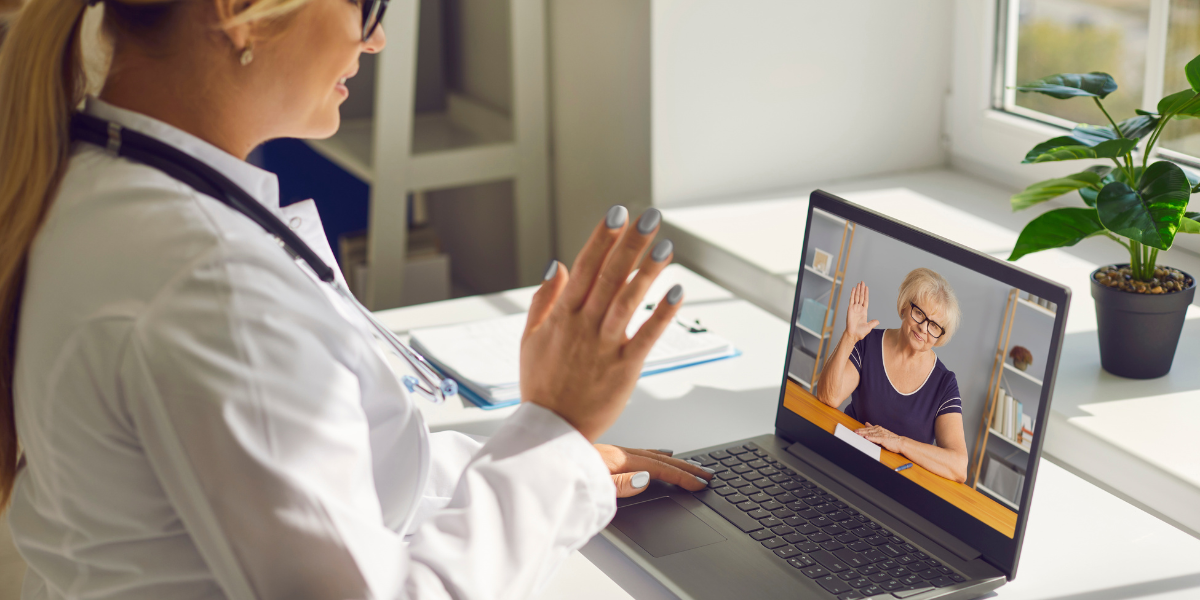
A consultation usually begins with a discussion of symptoms, sleep history, medical history, and previous sleep studies. If you have tried CPAP, your dentist will ask you what was difficult about it.
Then there is the oral evaluation. The dentist will examine your teeth, gums, jaw joints, bite, and oral structures related to your airway. If the appliance appears appropriate, digital scans or impressions may be obtained.
The appliance is then installed and adjusted. Follow-up visits are important, as small changes can make a big difference in comfort and nightly use. It’s not just a matter of fitting the appliance. The goal is to make it usable, stable, and useful over time
Why a Custom Appliance Is Different From an Over-the-Counter Snoring Guard
A custom appliance is created to fit your bite, jaw movement, and clinical needs. Dentist-Directed Care Fitting, adjustment, monitoring, and follow-up.
Over-the-counter snoring guards may seem simple, but they’re not a safe shortcut for suspected sleep apnea. A poorly fitted device may cause jaw soreness, tooth movement, bite changes, or inconsistent results. If you have sleep apnea, self-treatment may delay you from getting proper care.
That is a significant delay. Sleep apnea is a medical problem, not just a nuisance noise at night.
Can a Dental Appliance Replace CPAP Completely?
Sometimes, but not always.
A dental appliance may replace CPAP for some patients with mild to moderate obstructive sleep apnea or CPAP intolerance. Some patients use it as a travel option. Others may combine it with medical recommendations such as positional therapy, weight management, nasal breathing support, or physician-directed care.
For severe cases, CPAP may still be recommended. If you are comparing options for sleep apnea treatment Clifton, the best next step is a proper evaluation rather than guessing based on symptoms alone.
Schedule Your Visit with a Trusted Dental Team
Taking the next step toward better oral health starts with a simple conversation. Our experienced team is ready to answer your questions and help you plan your treatment with confidence.
Practical Questions to Ask Before Choosing an Appliance
Before moving forward, ask:
- Has my sleep apnea been properly diagnosed?
- Is my apnea mild, moderate, or severe?
- Is my snoring related to airway obstruction?
- Am I a good candidate based on my teeth, gums, bite, and jaw joints?
- How will the appliance be adjusted over time?
- How will we know if it is working?
- Will my sleep physician need to be involved?
- What follow-up care is needed?
These questions help keep the decision grounded. A good appliance plan should feel specific to your mouth, your sleep results, and your day-to-day comfort.
How Harmony Dental Arts Helps Clifton Patients Explore Comfortable Sleep Options
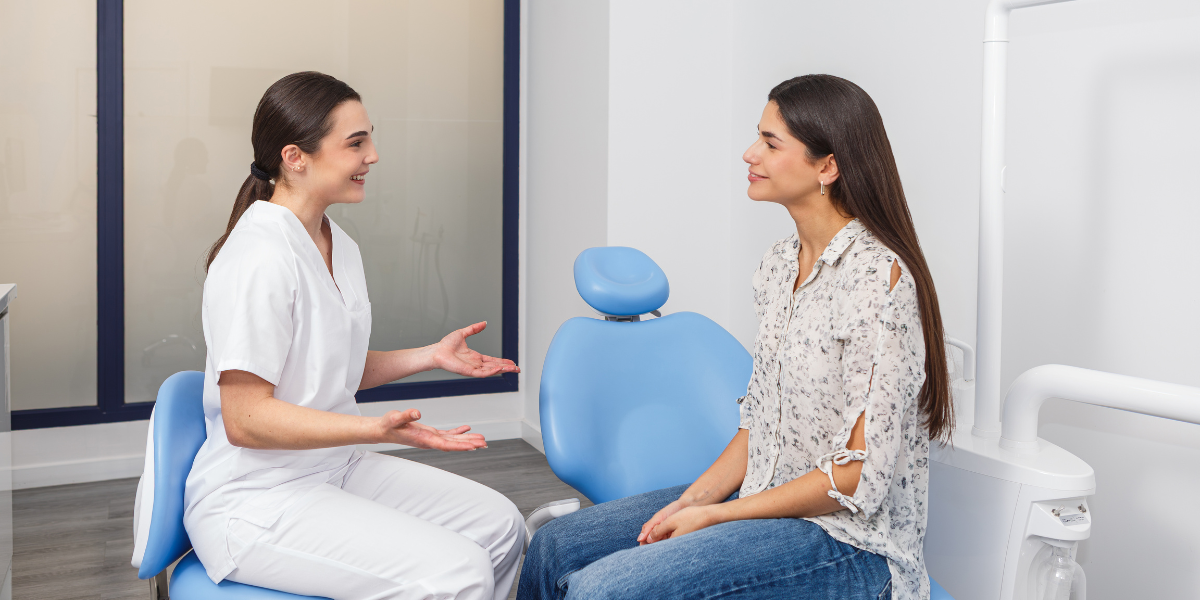
Harmony Dental Arts helps patients in Clifton understand whether sleep dentistry near Clifton, NJ may be right for their symptoms. The team evaluates oral health, bite, jaw comfort, airway-related concerns, and appliance suitability before discussing custom options.
Care may include custom appliance planning, fitting, adjustment, and follow-up. The focus is personalized care, not one standard answer for every patient.
For someone searching for a reliable dentist near me, a sleep apnea doctor in Clifton, or local guidance on sleep apnea treatment in Clifton, Harmony Dental Arts can help you understand whether a custom dental sleep appliance may be appropriate.
Conclusion
Dental sleep appliances can help some patients with snoring or obstructive sleep apnea. They may be especially useful for people who cannot tolerate CPAP or want a smaller, quieter option.
Still, they are not right for every case. Diagnosis, severity, dental health, jaw comfort, and medical guidance all matter. If you snore loudly, wake up exhausted, or have been told you stop breathing during sleep, do not ignore it. A conversation with the right provider can make the next step much clearer. If you are looking for a comfortable way to manage snoring or explore alternatives to CPAP, schedule a consultation with Harmony Dental Arts in Clifton. The team can help you understand whether a custom dental sleep appliance may fit your needs.