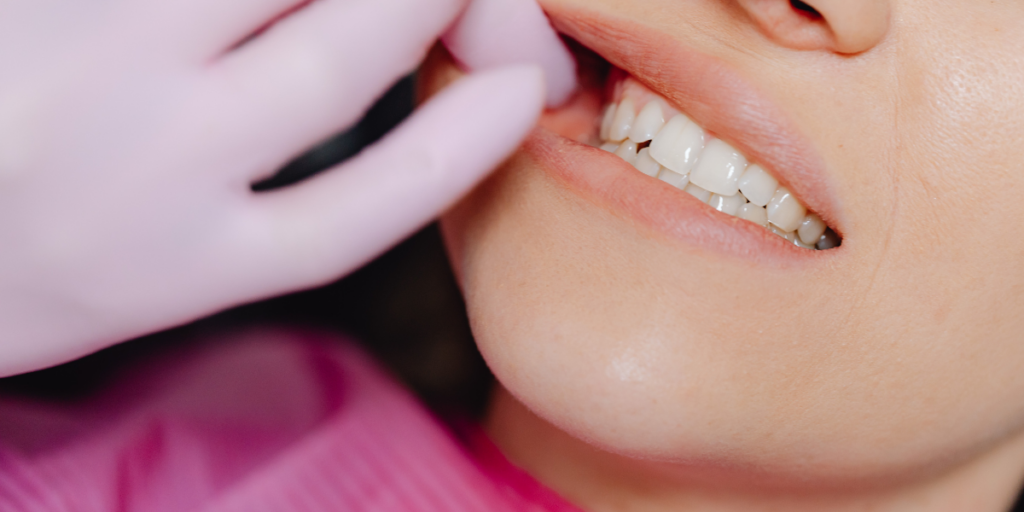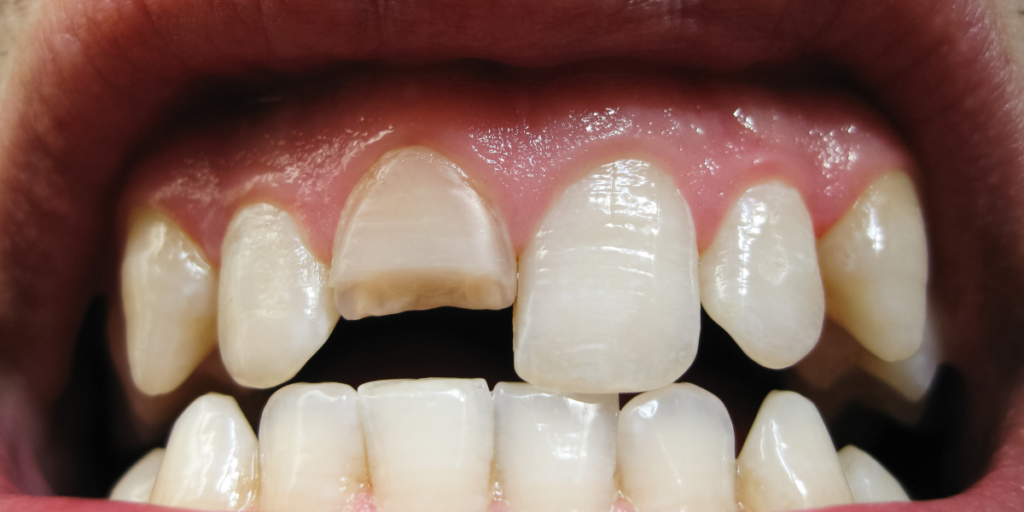
Your child brushes twice a day, but could they still develop cavities? Yes. Even with a consistent brushing routine, developing teeth face daily exposure to bacteria, acids, and sugary foods that can weaken enamel. Fluoride treatment in Clifton offers another way to protect children’s teeth as they grow. Dentists may recommend it from the arrival of the first baby tooth through adolescence, depending on cavity risk. Knowing when treatment is useful, how often children need it, and what happens during an appointment can help parents make confident decisions about their child’s dental health.
Quick Answer: When Is Fluoride Treatment Recommended for Children?
Professional fluoride varnish may be recommended as soon as a child’s first baby tooth appears. Applications are commonly provided every three to six months, depending on cavity risk. Children with previous cavities, braces, brushing difficulties, or limited fluoride exposure may benefit from more frequent treatment. A dentist determines the appropriate schedule after an examination.
What Is Fluoride Treatment, and How Does It Protect Children’s Teeth?
Fluoride is a naturally present mineral that helps strengthen tooth enamel. Children benefit from this protection because their developing teeth are regularly exposed to acids produced by mouth bacteria.
How Fluoride Helps Prevent Cavities
When children eat sugary foods, bacteria produce acids that gradually remove minerals from tooth enamel. Fluoride supports remineralization, helping replace some of those minerals before permanent damage develops. However, once decay creates a physical hole in the tooth, fluoride alone cannot repair it. Professional dental treatment may then be necessary.
Professional Fluoride Treatment vs. Fluoride Toothpaste
Fluoride toothpaste protects teeth through everyday brushing. Professional treatment provides a more concentrated application when a dentist believes additional protection would help. For children who frequently develop cavities, professional fluoride treatment in Clifton can work alongside daily brushing. Neither approach replaces the need for good oral hygiene.
Schedule Your Visit with a Trusted Dental Team
Taking the next step toward better oral health starts with a simple conversation. Our experienced team is ready to answer your questions and help you plan your treatment with confidence.
At What Age Should Children Start Receiving Fluoride Treatment?
Fluoride protection can begin much earlier than many parents expect. Dentists may recommend professional varnish once the first baby tooth appears, then adjust recommendations as permanent teeth develop.
Fluoride Treatment for Babies and Toddlers
Baby teeth can deteriorate as soon as they sprout. Fluoride varnish can help protect these early teeth while parents establish healthy brushing habits. The American Academy of Pediatrics recommends fluoride varnish for young children, with frequency based on cavity risk. Parents should also arrange a first dental visit by age one or within six months of the first tooth appearing.
Fluoride Treatment for School-Age Children
Between approximately ages six and twelve, children begin losing baby teeth and developing permanent ones. Newly erupted molars need particular attention because their chewing surfaces can retain plaque. Regular family dental care in Clifton allows dentists to monitor these changes, review brushing habits, and recommend fluoride when appropriate.
Fluoride Treatment for Teenagers
Teenagers may face greater cavity risks because of braces, sugary drinks, frequent snacking, or inconsistent brushing. Food and plaque can collect around orthodontic braces, making thorough cleaning more challenging. Professional fluoride treatment may provide additional enamel protection during orthodontic care and adolescence.
How Often Should Children Receive Fluoride Treatment?
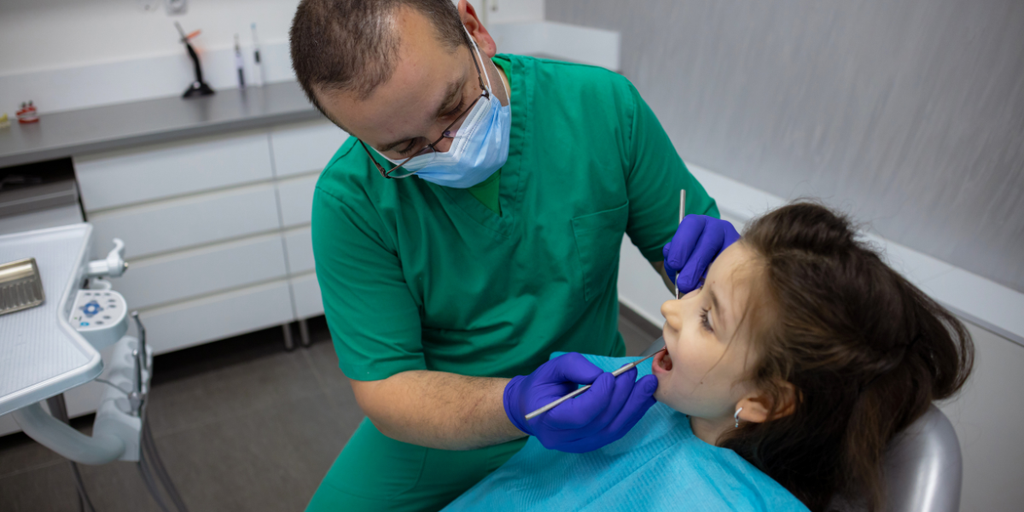
Not every child needs the same fluoride schedule. Dentists consider past cavities, current oral health, daily habits, and existing fluoride exposure before recommending how often treatment should be applied.
Recommended Frequency for Children With Lower Cavity Risk
Children with healthy teeth, consistent brushing habits, and adequate fluoride exposure may receive varnish during routine appointments. Applications every six months are common for young children. However, the dentist will decide whether professional fluoride is necessary based on the child’s individual needs and findings during preventive dental care.
Recommended Frequency for Children With High Cavity Risk
Children who experience repeated cavities, early enamel damage, or significant brushing challenges may benefit from applications approximately every three months. These additional applications help maintain protection between appointments. The final schedule should always reflect a professional cavity-risk assessment rather than a fixed routine.
Fluoride Treatment Frequency Guide
| Child’s cavity risk | General recommendation |
| Lower risk | Often every 6 months, as advised |
| Higher risk | Often every 3 months |
| Wearing braces | Based on oral hygiene and cavity risk |
| History of repeated cavities | Individualized preventive schedule |
These are general recommendations. Your child’s dentist will determine the most appropriate treatment frequency.
Which Children Are More Likely to Need Fluoride Treatment?
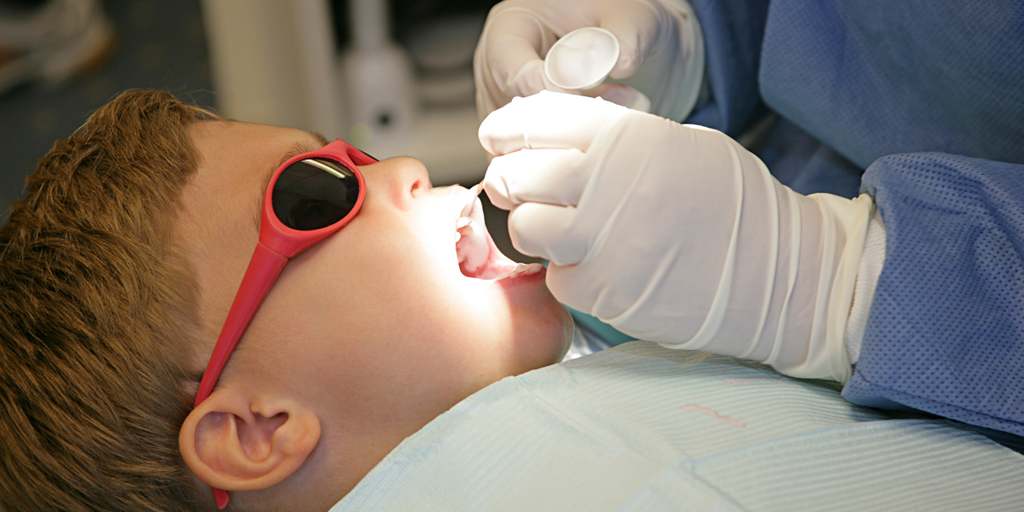
Some children need extra protection even when their parents make dental care a priority. Previous cavities, braces, eating habits, and some health issues can all affect the risk of future decay.
Children With Previous Cavities or Early Tooth Decay
A child who has already developed cavities may be more likely to experience further decay. Early white spots on enamel can also indicate mineral loss. Fluoride can help protect weakened areas before permanent damage develops. If decay has already occurred, a dentist may recommend treatment such as dental fillings instead.
Children With Braces or Difficulty Brushing
Braces make some tooth surfaces harder to reach, allowing plaque to build up around brackets and wires. Children with limited hand coordination or developmental conditions may also need extra assistance maintaining oral hygiene. Their dentist can recommend preventive measures based on these challenges.
Children With Frequent Sugar Exposure or Limited Fluoride
Frequent sugary snacks, juice, and sweetened drinks give bacteria repeated opportunities to produce enamel-damaging acids. Children who receive limited fluoride through drinking water or toothpaste may also benefit from additional professional protection.
Quick Cavity Risk Checklist
Your child may need a closer preventive assessment if they have:
- Previous cavities or dental fillings
- Braces or difficulty brushing thoroughly
- Frequent sugary snacks or drinks
- Limited fluoride exposure
- Medical or developmental needs affecting oral care
If several factors apply, consider scheduling a dental exam in Clifton to discuss suitable preventive care.
Why Do Some Children Develop Cavities Despite Regular Brushing?

It can be frustrating when one child develops cavities despite brushing regularly while another seems to have no problems. The difference often comes down to factors beyond how frequently they use a toothbrush.
Why Are Some People More Prone to Cavities?
The question “Why are some people more prone to cavities?” has several answers. Saliva production, enamel strength, tooth shape, oral bacteria, and eating habits all influence decay risk. Children with deep grooves in their molars may retain more plaque. Others may produce less saliva, reducing the mouth’s natural ability to neutralize acids.
Are Cavities Inevitable During Childhood?
Parents sometimes wonder, “Are cavities inevitable?” Fortunately, they are not. Many children can maintain healthy teeth through consistent preventive care. Brushing, flossing, sensible dietary habits, fluoride exposure, and regular examinations work together to lower risk. No single treatment guarantees complete protection.
Why Do I Get Cavities Despite Brushing?
The question “Why do I get cavities despite brushing?” often reflects overlooked areas of plaque or frequent sugar exposure. Brushing twice daily does not necessarily mean every surface is clean. Plaque between teeth and around crowded areas may remain untouched. Understanding why cavities develop despite good oral hygiene can help families make practical improvements.
How Dental Exams in Clifton Help Determine Fluoride Needs
A child can have early enamel changes without experiencing pain or noticing anything unusual. That’s why dental exams in Clifton are an important part of deciding whether fluoride treatment would provide additional benefits.
What Dentists Check During Children’s Oral Exams
During oral exams in Clifton, dentists examine the teeth, gums, enamel, and developing bite. They look for plaque buildup, existing cavities, and early signs of weakened enamel. They also discuss the child’s dental history, diet, brushing routine, and fluoride exposure. These details help shape recommendations during dental cleaning and examination appointments.
How Dental Cleanings Support Fluoride Treatment
A professional dental cleaning in Clifton removes plaque and hardened tartar that regular brushing cannot fully remove. Cleaning also gives the dental team an opportunity to identify areas that need more attention. Understanding how regular dental cleanings support long-term oral health helps families see why cleaning, examination, and fluoride serve different preventive purposes.
Schedule Your Visit with a Trusted Dental Team
Taking the next step toward better oral health starts with a simple conversation. Our experienced team is ready to answer your questions and help you plan your treatment with confidence.
What Happens During a Child’s Fluoride Varnish Treatment?
Parents sometimes worry that fluoride treatment will be uncomfortable for their child. Fortunately, professional varnish application is usually quick, gentle, and does not require drilling or injections.
How Fluoride Varnish Is Applied
The dental professional first checks the teeth and prepares their surfaces as needed. A small amount of fluoride varnish is then painted directly onto the enamel. The coating sets when it contacts saliva, helping it stay on the teeth while limiting how much fluoride is swallowed. Application typically takes only a few minutes.
Is Fluoride Treatment Safe for Young Children?
Fluoride varnish is considered safe when applied in appropriate amounts by trained healthcare professionals. The American Dental Association recommends 2.26% fluoride varnish as the professionally applied topical fluoride option for children younger than six. Professional supervision helps ensure the correct product and amount are used.
What Should Parents Do After Fluoride Treatment?
Aftercare instructions depend on the varnish product applied during the appointment. Your child’s dentist may recommend soft foods temporarily or delaying brushing and flossing for several hours. Following those instructions helps the treatment remain in place for the intended period.
Treatment Process: Dental Assessment → Fluoride Varnish Application → Aftercare Instructions
How Parents Can Protect Their Children’s Teeth Between Dental Visits
Fluoride treatment is helpful, but everyday habits still do much of the work. Children need regular brushing, sensible food choices, and professional care to keep their teeth healthy as they grow.
Encourage Age-Appropriate Brushing Habits
Maintain oral hygiene by brushing your teeth twice daily with fluoride toothpaste. Those younger than three need a rice-grain-sized smear, while children aged three through six should use a pea-sized amount. Parents should supervise brushing until children can clean their teeth effectively and spit out excess toothpaste. Consistent technique matters as much as brushing frequency.
Build Healthy Dietary and Dental Care Habits
Frequent sugar exposure gives cavity-causing bacteria more opportunities to produce acids. Limiting sugary snacks and encouraging water instead of sweetened drinks can help. Flossing between teeth and attending regular dental visits are equally important. Dentists may also recommend sealants to protect the deep grooves of cavity-prone molars.
Schedule Your Visit with a Trusted Dental Team
Taking the next step toward better oral health starts with a simple conversation. Our experienced team is ready to answer your questions and help you plan your treatment with confidence.
How We Support Children’s Preventive Dental Care at Harmony Dental Arts
At Harmony Dental Arts, we know that every child comes with different needs, habits, and concerns. We take time to understand those differences so parents can feel comfortable making decisions about their children’s dental care.
We Assess Your Child’s Cavity Risk Before Recommending Fluoride
We start by examining your child’s teeth and reviewing their cavity history, brushing habits, and diet. If we believe fluoride treatment in Clifton could help, we explain why and discuss how it fits into their preventive care. Our recommendations reflect what we find during the examination.
We Help Make Dental Visits Comfortable for Children and Parents
We understand that children may feel uncertain about dental appointments, especially when something is unfamiliar. Our team uses simple explanations, gentle techniques, and modern dental equipment to make visits easier to understand. We also welcome inquiries from parents, as knowing what to expect can make the process less stressful.
We Help Families Maintain Healthy Smiles Through Every Stage
From early childhood through the teenage years, we provide dental examinations, professional red to each child’s needs.
Schedule Your Child’s Dental Exam at Harmony Dental Arts
Not sure whether your child needs fluoride treatment? We can examine their teeth, review their cavity cleanings, preventive guidance, and fluoride treatment when appropriate. Our Clifton office welcomes families from nearby communities, including Nutley, Passaic, and Montclair. We aim to make continuing pediatric dental care in Clifton, NJ convenient and tailorisk, and discuss preventive options that make sense for their age and oral health.
Conclusion
Healthy teeth begin with good daily habits, but brushing alone may not prevent every cavity. Fluoride treatment helps strengthen developing enamel and reduce tooth decay risk, from the first baby tooth through adolescence. The right treatment schedule depends on your child’s age, cavity history, oral hygiene, and fluoride exposure. Regular dental exams, professional cleanings, balanced eating habits, and proper brushing all work together to support long-term oral health. At Harmony Dental Arts, we provide personalized preventive dental care to help Clifton families protect their children’s smiles as they grow. Concerned about your child’s cavity risk? Schedule a dental exam at Harmony Dental Arts to find out whether fluoride treatment is recommended. Our Clifton dental team is here to help you choose the right preventive care for your child’s developing teeth.