Tooth pain has a way of interrupting everything. A sudden toothache, swollen gums, or a broken tooth can make eating, sleeping, and even talking uncomfortable. When the pain keeps getting worse, it’s natural to wonder how quickly you can see a dentist. If you’re looking for Clifton NJ tooth extraction services, getting your tooth examined promptly can help you understand what’s causing the problem and whether removal is necessary. Each step, from your first phone call and dental exam to pain management, extraction, and recuperation, will assist you in understanding your treatment options and what to expect next.
Quick Answer: How Do Same-Week Tooth Extraction Appointments Work?
For a tooth extraction in Clifton, NJ, start by calling the office and describing your symptoms. The team will assess urgency, arrange an examination, and take X-rays if needed. Treatment may happen at that visit, but timing depends on your condition, extraction complexity, and appointment availability.
When Should You Seek Urgent Care for a Tooth Extraction?

Some dental problems develop slowly, while others seem to appear overnight. Severe pain, swelling, or visible damage deserves prompt attention, but that doesn’t automatically mean the tooth must be removed. Although tooth extractions in Clifton, NJ, are sometimes necessary, a dentist will first determine whether the tooth can be saved.
Severe Tooth Pain, Swelling, and Dental Infections
A toothache that won’t settle down, swelling around the gums, or pain when biting can point to an underlying dental problem. Deep cavities, infected tooth pulp, and dental abscesses are common causes. Some people also notice a persistent bad taste or tenderness near the affected tooth.
Leaving these symptoms untreated can allow the problem to become harder to manage. Early evaluation helps identify the cause and determine the right treatment. Recognizing the warning signs that you need a dental exam in Clifton can help you decide when to seek professional care.
Broken, Cracked, or Severely Damaged Teeth
A tooth can break unexpectedly while eating, playing sports, or during an accident. Sometimes the damage is obvious. Other times, a small crack causes discomfort without any visible change.
Fortunately, many damaged teeth can still be repaired. Dentists consider the location of the fracture, the amount of healthy tooth remaining, and the condition of the surrounding tissues. If the damage extends deep below the gumline or affects the root, extraction may be recommended when repair is no longer predictable.
Schedule Your Visit with a Trusted Dental Team
Taking the next step toward better oral health starts with a simple conversation. Our experienced team is ready to answer your questions and help you plan your treatment with confidence.
Dental Emergency Warning Signs
Certain symptoms shouldn’t be ignored, particularly when they worsen over a short period. Anyone considering extractions in Clifton should arrange prompt dental evaluation if they experience severe tooth pain, fever, persistent bleeding, or increasing facial swelling.
Watch for swelling that spreads toward the jaw or neck, difficulty opening your mouth, or bleeding that doesn’t stop. If swelling makes breathing or swallowing difficult, seek emergency medical attention immediately rather than waiting for a dental appointment.
How Urgent Dental Care and Extractions Work in Clifton, NJ
When you’re dealing with a painful tooth, knowing what happens during an urgent appointment can make the experience less intimidating. Patients seeking tooth extractions in Clifton, NJ can expect a procedure that begins with an awareness of their symptoms and concludes with a treatment plan customized to their dental needs.
Step 1: Initial Phone Call and Emergency Triage
The first step is to contact the dental office as soon as you notice concerning symptoms. Calling early in the day may provide more scheduling options, although urgent appointments depend on availability.
When requesting Clifton NJ tooth extraction care, explain whether you have swelling, severe pain, bleeding, or a broken tooth. These details help the team understand how urgently you need attention.
At Harmony Dental Arts, our emergency dental care in Clifton focuses on identifying urgent concerns and arranging timely evaluation whenever possible.
Step 2: Focused Dental Examination and X-Rays
Once you’re at the office, the dentist examines the affected tooth, gums, and surrounding tissues. They may ask when the pain started, whether it comes and goes, and what makes it worse.
Dental X-rays provide a closer look at the roots, surrounding bone, and problems that aren’t visible during a regular examination. Before recommending a tooth extraction in Clifton, NJ, the dentist uses these findings to determine whether extraction, root canal treatment, or another procedure is appropriate.
Step 3: Local Anesthesia and Pain Management
It’s understandable to feel nervous about having a tooth removed, especially when you’re already in pain. Before the procedure begins, the dentist uses local anesthesia to numb the affected area.
You may notice pressure or movement during the extraction, but you shouldn’t feel sharp pain. Tell your dentist immediately if you do.
If dental anxiety is a concern, discuss it beforehand. Depending on your health, treatment needs, and the office’s available services, sedation or additional comfort measures may be considered.
Step 4: Simple vs. Surgical Tooth Extraction
Not every tooth is removed in the same way. The dentist chooses the approach based on the tooth’s position, condition, and accessibility. Understanding these differences can help patients preparing for Clifton NJ tooth extractions feel better informed.
Our tooth extraction services in Clifton include care for teeth that require straightforward or more involved removal procedures.
Simple Tooth Extraction
When a tooth is visible and easy to reach, a simple extraction may be suitable. After numbing the area, the dentist carefully loosens the tooth using specialized instruments before removing it from the socket.
Surgical Tooth Extraction
Some teeth need a more involved approach. A tooth broken near the gumline, trapped beneath the gums, or difficult to access may require a small incision, tooth sectioning, or limited bone removal.
This approach may also be needed for certain impacted wisdom teeth. Patients experiencing problems with their third molars can learn about wisdom teeth removal and how treatment is planned.
Step 5: Completing Treatment or Scheduling Follow-Up Care
In some situations, the dentist can examine the tooth and complete the extraction during the same appointment. This is more likely when the procedure is straightforward and sufficient appointment time is available.
However, complex extractions, significant infections, or certain medical conditions may require additional planning. Some patients may need a specialist referral.
Before you depart, the dental staff will discuss the proposed next steps, including temporary pain control, follow-up care, and recovery guidelines.
Urgent Dental Care Process Timeline
- Call & Triage: Tell the dental team about your symptoms and request an appointment.
- Exam & X-Rays: Your dentist checks the affected tooth and identifies the problem.
- Pain Control: Local anesthesia and suitable comfort measures are discussed.
- Extraction: The tooth is carefully removed when necessary and appropriate.
- Aftercare: You receive instructions to support healing and manage discomfort.
Does Every Dental Emergency Require Tooth Extraction?
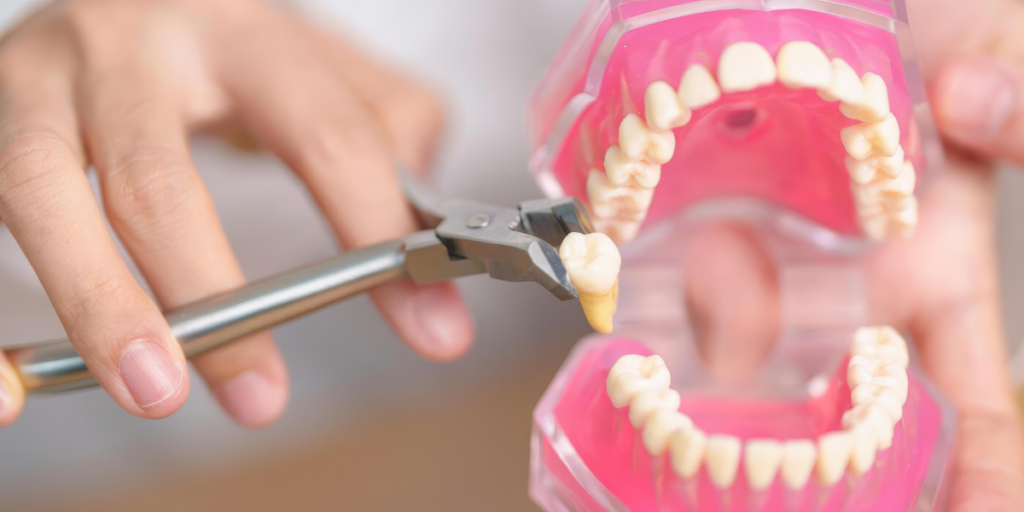
A painful tooth doesn’t always need to come out. Even when discomfort is severe, there may be ways to treat the problem while preserving the natural tooth. The decision depends on how much damage has occurred and whether the tooth can remain healthy and functional after treatment.
Root Canal Treatment vs. Tooth Extraction
When infection reaches the soft tissue inside a tooth, root canal treatment may help save it. The procedure removes infected or damaged pulp, cleans the inner canals, and seals the tooth so it can be restored.
Extraction may be the better option when a tooth is fractured beyond repair, severely decayed, or lacks adequate support. Your dentist will consider the tooth’s condition, the likelihood of successful restoration, and its long-term effect on your oral health.
Schedule Your Visit with a Trusted Dental Team
Taking the next step toward better oral health starts with a simple conversation. Our experienced team is ready to answer your questions and help you plan your treatment with confidence.
Other Treatments That May Help Save a Damaged Tooth
Smaller cavities and certain areas of tooth damage may be repaired with dental fillings. Teeth with larger fractures or weakened structures may benefit from dental crowns, which cover and protect the remaining tooth. The sooner a damaged tooth is examined, the sooner a dentist can determine whether repair is possible. Treating the problem early may help preserve healthy tooth structure and reduce the need for extraction.
What to Expect Following a Tooth Extraction: Recovery and Aftercare
Once the tooth has been removed, your body begins healing the empty socket. A blood clot forms over the area, protecting the underlying tissues as they recover. For patients undergoing tooth extractions in Clifton, NJ, looking after that clot is one of the most important parts of early healing.
The First 24 Hours After Extraction
Your dentist will generally put gauze over the spot where the tooth was pulled and instruct you to gently bite down to help stop the bleeding. Some minor oozing can occur during the first day.
Give yourself time to rest, choose soft foods, and avoid strenuous activity. Smoking, drinking through straws, and forceful spitting can disturb the blood clot. Follow your dentist’s specific instructions for brushing, rinsing, and keeping your mouth clean without irritating the healing socket.
Managing Pain, Swelling, and Discomfort
Some soreness and swelling are expected after an extraction, particularly once the anesthesia wears off. The amount of discomfort varies depending on the tooth removed and the complexity of the procedure. Your dentist may recommend suitable pain medication and cold compresses to help manage symptoms. Apply a cold compress intermittently to the outside of your cheek, and avoid chewing directly over the extraction area. Discomfort should gradually improve as healing progresses. Surgical extractions may require additional recovery time.
Recognizing Dry Socket and Other Complications
A dry socket develops when the protective blood clot doesn’t form properly or becomes dislodged, leaving the underlying bone exposed.
One warning sign is strong, persistent pain that begins or becomes worse several days after extraction. An unpleasant taste or odor may also occur. Contact your dentist if you notice worsening pain, fever, continued bleeding, or increasing swelling. Getting these symptoms checked promptly can help identify complications and guide appropriate treatment.
Recovery Do’s and Don’ts Checklist
Tooth Extraction Costs, Insurance, and Appointment Preparation in Clifton
Unexpected dental treatment can bring practical concerns along with physical discomfort. It’s reasonable to want to know what the procedure might cost, whether insurance will help, and how to prepare. The cost of extractions in Clifton depends on the treatment required and each patient’s circumstances.
What Affects the Cost of an Emergency Tooth Extraction?
The overall cost of a Clifton, NJ tooth extraction can include the urgent examination, dental X-rays, anesthesia, and the extraction procedure itself.
A simple extraction may cost less than a surgical procedure because the latter can involve additional time, instruments, or specialist care.
Dental insurance coverage varies between plans, including deductibles and benefits for different procedures. Before treatment begins, ask the office for an estimate based on the dentist’s findings and your available coverage.
What Should You Bring to Your Appointment?
A little preparation can help the dental team understand your health needs and plan your treatment safely.
Bring your insurance details, current medications, information about allergies, and any relevant medical history. Tell the dentist if you have diabetes, heart disease, a bleeding disorder, or previous difficulties with anesthesia.
If you take blood-thinning medication, mention it during your appointment. Never stop prescribed medication without guidance from the appropriate healthcare professional. If sedation is planned, ask whether someone will need to drive you home.
How We Provide Personalized Emergency Dental Care at Harmony Dental Arts in Clifton

We know that unexpected dental pain can leave you feeling worried, especially when you aren’t sure what treatment you’ll need. At Harmony Dental Arts, our approach to tooth extraction in Clifton, NJ begins with listening to your concerns, examining the problem carefully, and helping you understand your options before moving forward.
How We Evaluate Your Dental Emergency
When you visit us with tooth pain, swelling, infection, or a dental injury, we want to understand exactly what you’re experiencing. We’ll ask about your symptoms, how long you’ve had them, and whether the discomfort has changed. Our team uses clinical examinations and appropriate dental imaging to identify the cause. We then explain what we’ve found and discuss the available treatments. Whenever preserving the natural tooth is a realistic option, we’ll talk you through it alongside extraction and other clinically appropriate care.
Schedule Your Visit with a Trusted Dental Team
Taking the next step toward better oral health starts with a simple conversation. Our experienced team is ready to answer your questions and help you plan your treatment with confidence.
How We Make Tooth Extraction Care More Comfortable
We understand that the thought of having a tooth removed can be unsettling. Patients seeking Clifton NJ tooth extractions often have questions about discomfort, anesthesia, and how they’ll feel afterward. We take time to explain the procedure, discuss pain management options, and address concerns before treatment begins. Our focus is on helping you feel informed and comfortable throughout your appointment.We’ll also explain what to expect during recovery and provide aftercare guidance so you know how to look after the extraction area once you’re home.
How We Help Restore Your Smile After an Extraction
Removing a damaged tooth may solve an immediate problem, but caring for your smile doesn’t end there. We also consider how the missing tooth might affect your bite, chewing ability, and surrounding teeth. We can talk about replacement options that might be good for you, including dental implants, dental bridges, or dentures.
For patients considering extractions in Clifton, understanding these choices early can make future treatment decisions easier. We also encourage regular dental visits and preventive care to help protect your remaining teeth and support long-term oral health.
Conclusion
When tooth pain becomes difficult to manage or a damaged tooth starts causing problems, the most useful next step is to find out what’s happening rather than guess at the cause. An urgent dental examination can help identify infections, fractures, and other concerns while giving you a clearer understanding of your treatment options. If extraction is necessary, careful planning, appropriate anesthesia, and good aftercare can help you move through treatment and recovery with greater confidence. If you’re considering tooth extractions in Clifton, NJ, our team at Harmony Dental Arts is ready to listen to your concerns, explain your alternatives, and assist you in booking an available appointment.
Need Urgent Dental Care in Clifton, NJ?
Dealing with tooth pain, swelling, or a broken tooth? Contact Harmony Dental Arts and tell us what you’re experiencing. Our dental team can help you understand the next steps and request the earliest available appointment for an examination.