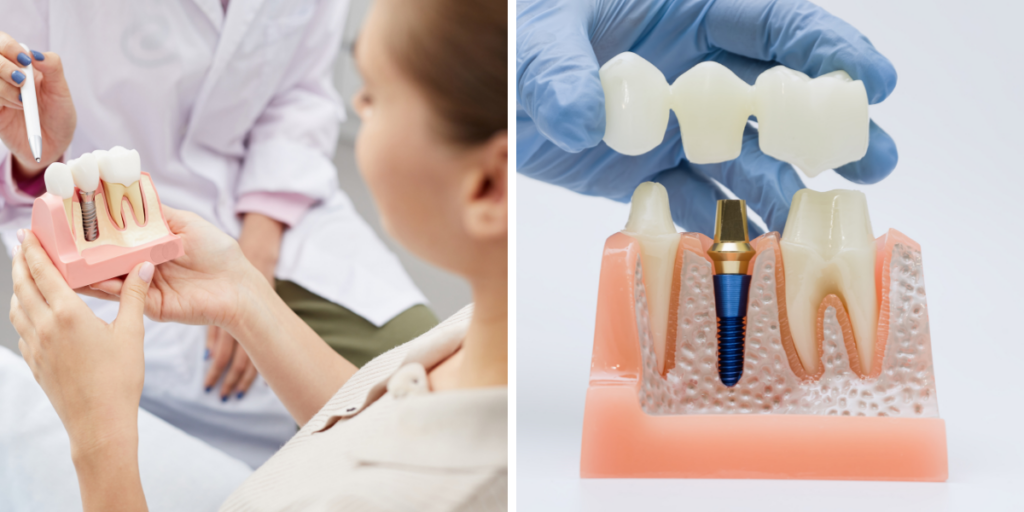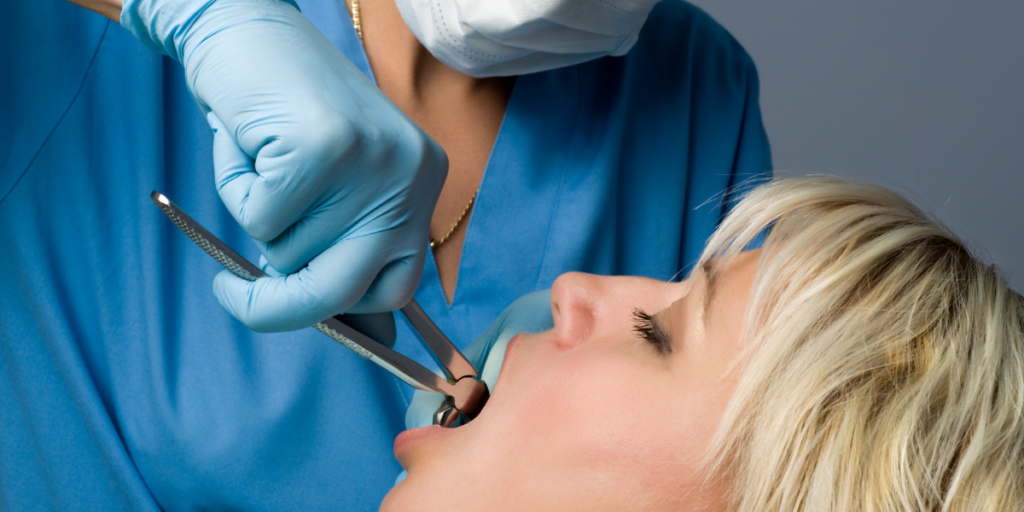
“Do I really need to have teeth removed before getting braces?” It’s a question many patients ask when considering orthodontic treatment, especially when their teeth are crowded or misaligned. Although tooth removal may sound concerning, extractions are sometimes recommended to create space for proper alignment and improve bite function. However, many patients can achieve straighter teeth without removing healthy teeth. If you’re considering a tooth extraction in Clifton, NJ, a professional dental and orthodontic evaluation can help determine whether extraction is necessary. Understanding when extractions are recommended, which teeth may be removed, and what alternatives are available can help you make an informed treatment decision.
Quick Answer: Are Tooth Extractions Necessary Before Braces?
Tooth extractions may be necessary before braces when severe crowding, significant tooth protrusion, or certain bite problems require additional space. Premolars are commonly selected when extractions are appropriate. However, many patients can avoid tooth removal through arch expansion, interproximal reduction, or other orthodontic treatments.
Why Are Tooth Extractions Sometimes Needed Before Braces?
Orthodontic treatment aims to straighten teeth while improving bite function and long-term oral health. Sometimes, there isn’t enough room in the jaw to position every tooth correctly. In selected cases, removing a tooth creates the space needed for safer, more controlled orthodontic movement.
Creating Space for Proper Tooth Alignment
When the dental arch lacks adequate space, teeth may overlap, rotate, or erupt in unusual positions. Severe crowding can also make brushing and flossing difficult. For patients considering tooth extractions in Clifton, NJ, removing selected teeth may create enough room to align the remaining teeth without pushing them excessively outward. This space can support controlled movement during braces treatment in Clifton, NJ.
Schedule Your Visit with a Trusted Dental Team
Taking the next step toward better oral health starts with a simple conversation. Our experienced team is ready to answer your questions and help you plan your treatment with confidence.
Improving Bite Alignment and Smile Balance
Properly aligned teeth help distribute chewing forces and support comfortable bite function. Significant crowding or protrusion may interfere with how the upper and lower teeth meet. An orthodontist in Clifton, NJ can evaluate whether extractions would improve tooth positioning while maintaining balanced facial proportions and a natural-looking smile. Long-term bite stability also matters, especially for patients concerned about an open bite returning after braces.
When Are Tooth Extractions Necessary Before Braces?
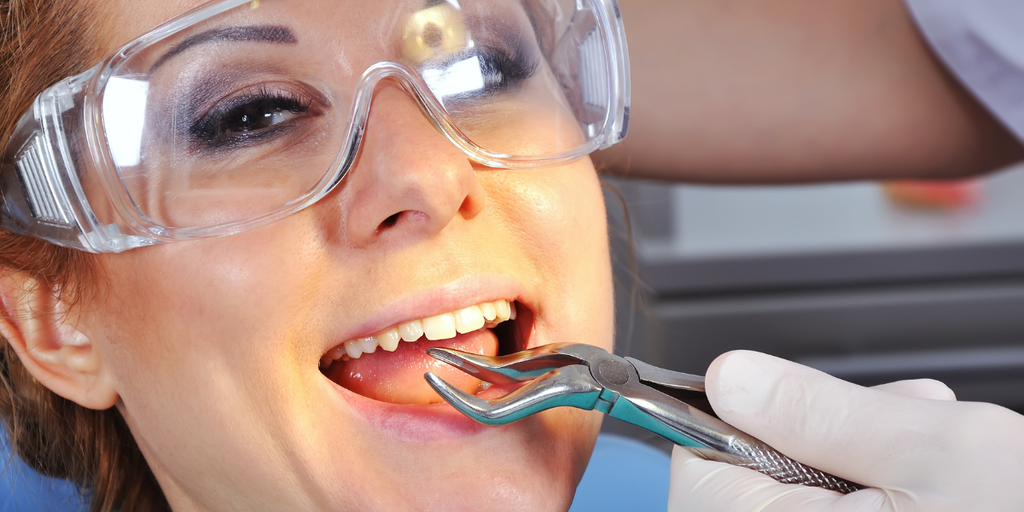
Not every orthodontic problem requires extraction. The decision depends on how much space is missing, the patient’s facial structure, and the movements needed to achieve a functional bite. The following conditions may make extraction-based treatment worth considering.
Severe Dental Crowding
Severe crowding occurs when teeth compete for limited space, causing substantial overlapping or displacement. While expansion or moving molars backward may help some patients, these techniques have anatomical limits. A planned Clifton, NJ tooth extraction may be considered when sufficient space cannot be created through other appropriate methods.
Significant Protrusion of Front Teeth
Protruding front teeth may affect lip position, smile appearance, and the relationship between upper and lower teeth. In selected cases, removing premolars creates room to move prominent front teeth backward. This approach requires careful planning because tooth movement can also influence the patient’s facial profile.
Complex Bite Irregularities
Severe overbites, underbites, and crossbites may require comprehensive orthodontic treatment. Some patients benefit from extractions to improve dental alignment and bite relationships. However, significant skeletal jaw discrepancies may require jaw surgery or other specialized treatment rather than tooth removal alone. Patients with improperly aligned upper and lower teeth may also benefit from an assessment for crossbite correction in Clifton, NJ.
Severely Damaged, Impacted, or Extra Teeth
Teeth affected by extensive decay, fractures, or serious damage may require removal when they cannot be restored. Impacted or supernumerary teeth can also obstruct normal alignment. During evaluations for extractions in Clifton, dentists assess whether preserving or removing these teeth would better support oral health and orthodontic treatment. Patients can also learn about available tooth extraction services in Clifton, NJ before discussing the procedure with their dentist.
Which Teeth Are Usually Extracted Before Braces?
The teeth selected for removal depend on crowding, bite relationships, and overall dental health. Orthodontic extraction planning focuses on creating the necessary space while protecting healthy teeth and maintaining proper chewing function.
Premolars (Bicuspids)
Premolars sit between the canine teeth and molars. They are frequently selected for orthodontic extractions because their removal can create useful space for aligning crowded teeth or repositioning protruding incisors. However, dentists do not automatically remove four premolars. The extraction pattern depends on the patient’s individual bite and treatment objectives.
Molars and Wisdom Teeth
Damaged or poorly positioned molars may occasionally require extraction. Wisdom teeth, however, are not routinely removed simply to make room for braces. Their removal is considered separately when problems such as infection, decay, pain, or damage to nearby teeth are identified. Patients experiencing these problems can explore wisdom teeth removal in Clifton, NJ to understand when extraction may be appropriate.
How Dentists Decide Which Teeth to Remove
Before recommending tooth extraction in Clifton, NJ, dentists and orthodontic providers evaluate tooth condition, root position, gum health, crowding, and bite relationships. They also consider how removing specific teeth could affect facial appearance and treatment stability. Patients can review additional orthodontic FAQs to better understand extraction and non-extraction treatment approaches.
What Are the Alternatives to Tooth Extraction Before Braces?
Many orthodontic cases can be treated without removing permanent teeth. Modern orthodontic techniques may create additional space or redistribute existing space within the dental arches. However, each option has limitations, and not every technique is appropriate for every patient.
Arch Expansion
Arch expansion uses orthodontic appliances to increase available space across the dental arch. Skeletal expansion is generally more predictable in growing patients because their jaw structures are still developing. Adults may require different appliances or specialized approaches, depending on their anatomy and treatment needs.
Schedule Your Visit with a Trusted Dental Team
Taking the next step toward better oral health starts with a simple conversation. Our experienced team is ready to answer your questions and help you plan your treatment with confidence.
Interproximal Reduction (IPR)
Interproximal reduction involves carefully removing a very small amount of enamel between selected teeth to create space. This technique may help manage mild or moderate crowding without extractions. Because enamel removal is irreversible, the clinician must assess tooth shape, enamel thickness, and oral health before recommending it.
Molar Distalization
Molar distalization is a procedure that pushes back teeth towards the back of the dental arch, creating more room. Orthodontic providers may use springs, clear aligners, or temporary anchorage devices (TADs) to guide movement. Success depends on available space, bone support, and the patient’s overall bite relationship.
Can Invisalign Help Avoid Extractions?
Invisalign clear aligners can treat certain crowding, spacing, and bite problems through controlled tooth movement. Patients exploring orthodontics in Clifton, NJ may find Invisalign clear aligners suitable for their alignment needs. However, choosing aligners instead of traditional braces does not automatically eliminate the need for extractions in complex cases.
How Do Dentists Determine Whether Extractions Are Necessary?
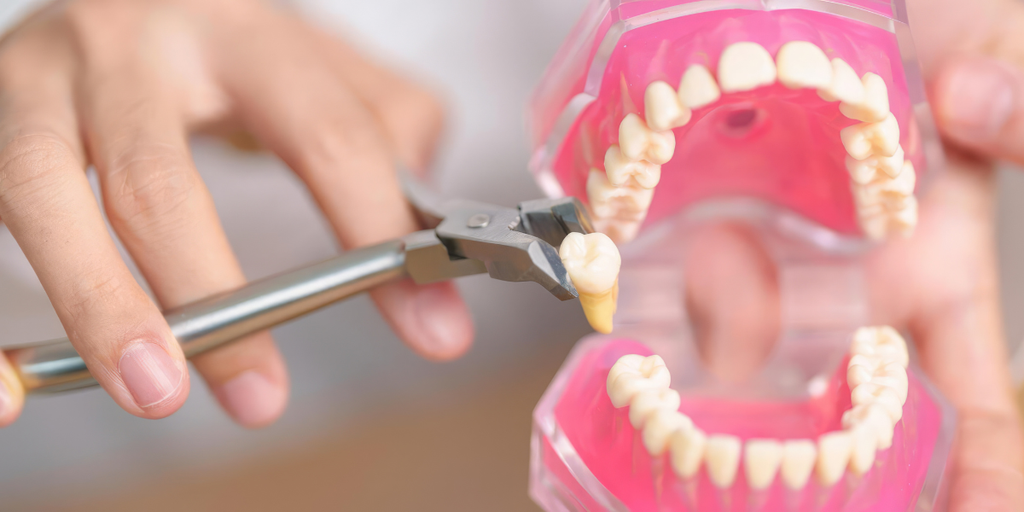
Deciding whether to remove teeth requires a detailed assessment rather than a visual examination alone. A dentist or orthodontic provider considers dental health, jaw relationships, and long-term treatment outcomes before recommending any irreversible procedure.
Comprehensive Dental Examination
A comprehensive examination checks tooth alignment, crowding, bite function, gum health, and existing dental problems. Digital scans, photographs, and X-rays may provide additional information about root positions and jaw structures. Routine dental cleanings and exams in Clifton, NJ also help identify oral health concerns that may need attention before orthodontic treatment.
Personalized Orthodontic Treatment Planning
Treatment planning involves comparing extraction and non-extraction approaches based on achievable results and potential risks. For patients considering braces in Clifton, NJ, the priority should be improving alignment while preserving healthy natural teeth whenever clinically appropriate. A personalized plan also considers facial balance and long-term stability. Patients can explore available orthodontic services in Clifton, NJ, to understand how braces and clear aligners may address different alignment concerns.
Schedule Your Visit with a Trusted Dental Team
Taking the next step toward better oral health starts with a simple conversation. Our experienced team is ready to answer your questions and help you plan your treatment with confidence.
Questions to Ask Before Agreeing to an Extraction
Before agreeing to tooth removal, make sure you understand the recommendation and possible alternatives.
Consider asking:
- Why is removing a tooth necessary in my case?
- Which teeth would be removed, and why?
- Are there suitable non-extraction alternatives?
- How might extractions affect my bite and facial appearance?
- Could removing teeth change my treatment timeline?
Clear answers can help you make a confident, informed decision.
What Happens Before and After Tooth Extraction for Braces?
If extraction is recommended, understanding the procedure and recovery process can help reduce uncertainty. The dentist and orthodontic provider should coordinate treatment timing so the extraction supports the planned tooth movements.
Preparing for Your Tooth Extraction Appointment
Your dentist analyzes your medical history, medications, dental imaging, and extraction strategy prior to treatment. During tooth extractions in Clifton, NJ, local anesthesia is typically used to numb the area. Patients may feel pressure or movement, but sharp pain should not occur while the area is adequately numb.
Recovery and Aftercare
Mild soreness, swelling, and limited bleeding can occur after extraction. Protecting the blood clot that forms inside the socket is essential for healing.
Patients are generally advised to:
- Eat soft foods during early recovery.
- Avoid smoking and drinking through straws.
- Maintain oral hygiene without disturbing the extraction site.
- Follow prescribed medication and aftercare instructions.
Contact your dentist if bleeding persists, pain worsens significantly, or other concerning symptoms develop.
When Can You Start Braces After Extraction?
The timing of orthodontic treatment depends on healing, tooth movement requirements, and the overall treatment plan. Some patients begin orthodontic treatment soon after extraction, while others need additional healing time. Your dental and orthodontic providers will determine when it is appropriate to begin or continue treatment.
How We Help Patients Make Informed Tooth Extraction Decisions at Harmony Dental Arts
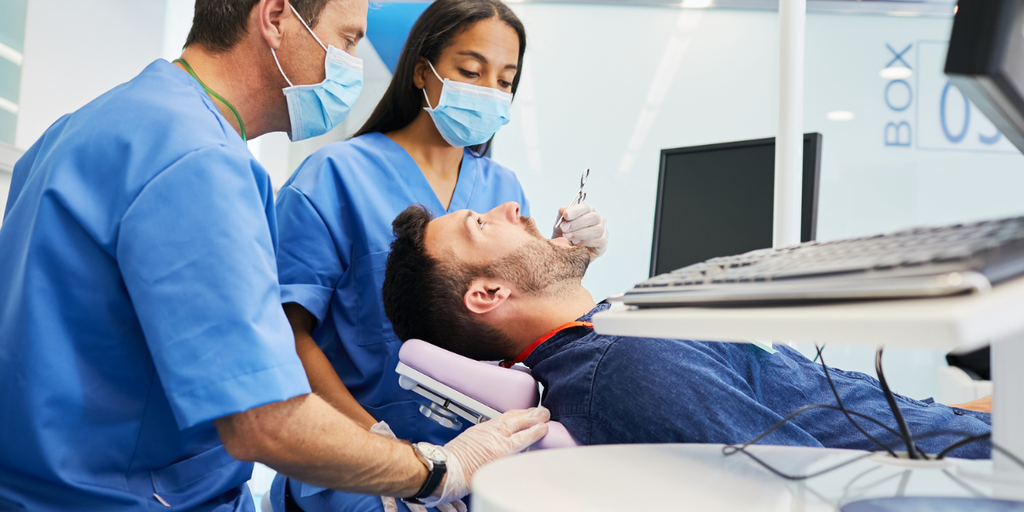
At Harmony Dental Arts, we understand that deciding whether to remove a tooth can feel overwhelming. We take time to understand your dental concerns, explain treatment options, and develop recommendations around your oral health and smile goals. Our approach prioritizes patient comfort, preserving natural teeth whenever possible, and supporting long-term dental health.
We Use Modern Dental Technology to Support Treatment Planning
We use modern dental technology and detailed evaluations to help patients understand their treatment options. Our services include general, cosmetic, and restorative dentistry, along with Invisalign clear aligners and orthodontic care. When specialized treatment is appropriate, we help patients understand the next steps and coordinate their care.
Visit Our Dental Practice in Clifton, NJ
We welcome individuals and families from Clifton and nearby communities seeking personalized dental care. If you are looking for Clifton braces, searching for Invisalign, or require an evaluation for tooth extractions in Clifton, NJ, our experts will help you understand your options and make informed selections.
Conclusion
Tooth extractions before braces may be appropriate for severe crowding, significant tooth protrusion, or selected complex dental conditions. However, many patients can achieve proper alignment without removing permanent teeth. While premolar extractions remain an established option, alternatives such as arch expansion, interproximal reduction, and molar distalization may be suitable. If you’re considering tooth extraction in Clifton, NJ, contact Harmony Dental Arts to schedule a consultation. Our team can evaluate your dental health, explain available teeth-straightening options, and help you take the next step toward a healthy, confident smile.