Waking up tired after a full night can be frustrating. You may snore loudly, wake with a headache, or struggle to focus at work. Sometimes, obstructive sleep apnea (OSA) is behind these problems. It causes repeated pauses or reductions in breathing while you sleep. Healthy habits can help, but they cannot always keep the airway open. If you’re considering sleep apnea treatment in Clifton, it helps to understand how lifestyle changes work alongside CPAP therapy or a custom oral appliance.
What is Sleep Apnea and How Does it Affect Your Health
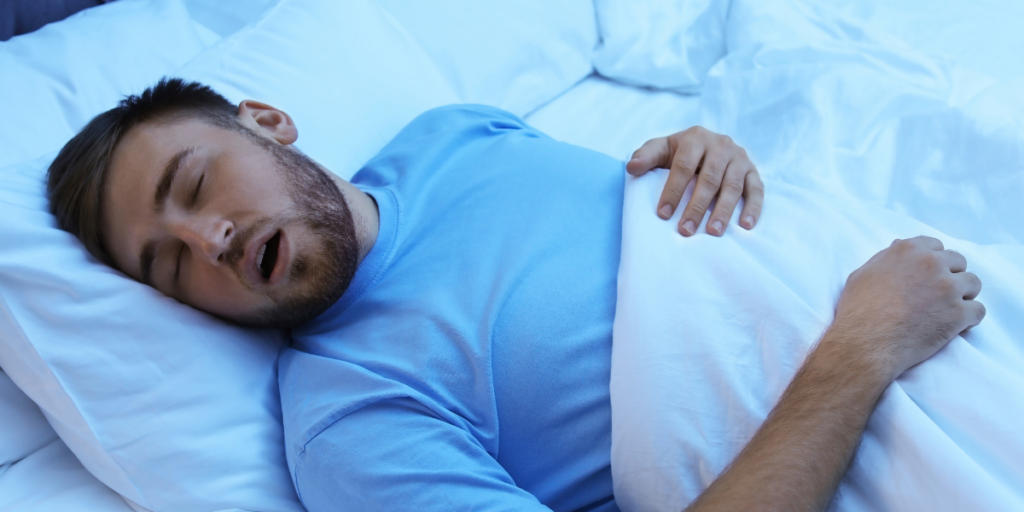
Sleep apnea may go unnoticed until a partner hears unusual breathing or daytime fatigue and brain fog become hard to ignore. Understanding nighttime symptoms helps you decide when to seek care.
What Is Obstructive Sleep Apnea?
During sleep, the throat muscles relax, and in people with OSA, these muscles can narrow or obstruct the airway, partially restricting the flow of air and reducing blood oxygen levels. Often, these incidents occur several times during the night, and one may not remember waking up during the night. The apnea-hypopnea index (AHI) is used to calculate the number of episodes of paused or shallow breathing during a sleep period. A sleep study determines the severity of OSA based on the AHI results and the patient’s symptoms.
Common Signs and Symptoms of Sleep Apnea
Morning headaches, dry mouth, irritability, or poor concentration may be clues. A partner may hear snoring, gasping, or choking that you never notice.
Watch for these patterns:
- Restless sleep followed by ongoing daytime fatigue.
- Breathing pauses noticed by someone sharing your room.
- Sleepiness during meetings, conversations, or driving.
Persistent symptoms deserve a professional sleep evaluation rather than guesswork.
8 Lifestyle Changes That Can Help Manage Sleep Apnea
Lifestyle changes work best when they fit your routine and condition. These eight habits may support prescribed sleep apnea treatment in Clifton, although results vary. Start with changes you can comfortably repeat.
1. Maintain a Healthy Weight to Reduce Airway Obstruction
Extra tissue around the neck might compress the airway. Weight loss, if appropriate, can reduce breathing problems and the AHI numbers. Focus on eating a healthy but moderate diet that you can stick to in the long term rather than starving yourself. You might want to plan some easy meals ahead of time if you have a busy schedule. Losing weight can sometimes be ineffective or even harmful in the context of sleep apnea, so make sure to get reevaluated if you lose a significant amount of weight.
2. Adjust Your Sleeping Position for Better Breathing
Apnea can become worse when you are lying on your back. Gravity pulls down your tongue and other tissues in your throat, blocking your airway. Side sleeping may reduce breathing interruptions in positional OSA. A wedge pillow, adjustable bed, or positional device may help you maintain that position. If you use CPAP or an oral appliance, continue it unless your treating clinician recommends a change.
Schedule Your Visit with a Trusted Dental Team
Taking the next step toward better oral health starts with a simple conversation. Our experienced team is ready to answer your questions and help you plan your treatment with confidence.
3. Exercise Regularly to Support Better Sleep
Movement supports cardiovascular fitness, weight management, and sleep. Walking, cycling, or swimming are accessible starting points. It is recommended to have approximately 150 minutes of moderate weekly activity. You can add strength training, stretching, and yoga or breathing exercises if appropriate. If you are a busy Clifton resident, a brisk walk after work can be an excellent start to a new exercise program. Even 10 minutes to start with, then build up your time.
4. Limit Alcohol and Use Sedative Medications Carefully
Alcohol acts by relaxing the muscles of the upper airway. Although alcohol may cause drowsiness, it can increase the risk of snoring and episodes of shallow breathing.
Try limiting alcohol, especially in the hours before bedtime. Certain sedatives can aggravate breathing problems. Do not stop or adjust prescribed medication yourself. Bring a medication list to your next appointment and ask about its effects on apnea.
5. Quit Smoking to Reduce Upper Airway Irritation
The use of tobacco in any form can irritate the throat and inflame the airways, which may lead to excessive daytime sleepiness. However, giving up smoking will improve lung function, although it may not entirely cure OSA. Talk to your doctor about counseling or nicotine replacement. Identify the times when you most crave cigarettes and then come up with a practical way of dealing with these moments. You can overcome the temptation by having a contingency plan for quitting.
6. Explore Myofunctional Therapy for Tongue and Throat Muscles
Myofunctional therapy uses guided tongue, lip, and throat exercises. Regular practice targets oral posture, muscle coordination, and breathing habits. Studies indicate a possible efficacy for reducing snoring, daytime drowsiness, and OSA severity, but data are limited. Exercises should be used under the supervision of a healthcare professional and in conjunction with recommended treatments. Consult with a medical professional regarding which exercises may be appropriate for you. Exercises are not intended to replace CPAP therapy or a properly fitted oral appliance.
7. Keep Your Nasal Passages Clear
Nasal blockage can disturb breathing and interfere with CPAP. Allergies or structural problems may be responsible. Understanding the differences between mouth breathing and nasal breathing can also help identify related breathing habits. Saline rinses, suitable allergy care, and a humidifier may improve comfort. Rinse only with distilled, sterile, or boiled and cooled water. Persistent blockage deserves medical evaluation, especially if you regularly experience morning dry mouth. Clearer nasal passages do not necessarily prevent throat obstruction.
8. Establish a Consistent Sleep Routine
A healthy sleeping regimen can significantly improve the quality of one’s nights. A healthy sleeping regimen can significantly improve the quality of one’s nights. You should try to sleep at regular intervals (even on weekends) and not be disturbed during the night, so that you can obtain an undisturbed rest. One must put aside screens before going to sleep and avoid caffeine intoxication in the late hours of the day. Moreover, a brief preparation for rest can be beneficial; hence, reading a book is an excellent option for a bedtime routine. Additionally, one should apply hygienic measures to enhance the results of therapy.
Schedule Your Visit with a Trusted Dental Team
Taking the next step toward better oral health starts with a simple conversation. Our experienced team is ready to answer your questions and help you plan your treatment with confidence.
Your Sleep Apnea Lifestyle Checklist
Use this simple checklist to see which habits you are ready to work on:
- Maintain a healthy weight
- Try side sleeping when appropriate.
- Stay physically active
- Limit alcohol before bedtime.
- Avoid smoking
- Practice professionally recommended tongue and throat exercises.
- Manage nasal congestion
- Follow a regular sleep schedule.
0 of 8 habits selected | Reset
These habits can support care but should not replace prescribed CPAP or oral appliance therapy without professional guidance.
How Lifestyle Changes Work Alongside Professional Sleep Apnea Treatment
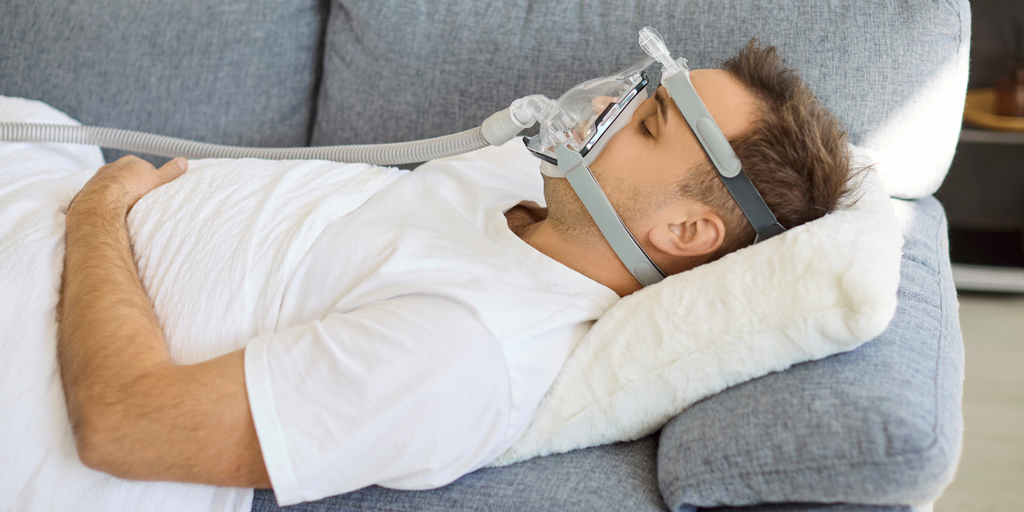
Healthy lifestyle changes can certainly help, but therapy is also needed to open up the airway. Depending on the sleep study, symptoms, and general health, there are several treatments for obstructive sleep apnea. Sometimes medical and dental care have to work together.
Why Lifestyle Changes Alone May Not Be Enough
A deformed lower jaw, a narrow throat, and overly loose muscles can all contribute to OSA no matter how healthy or sporty a person is. Mild or moderate OSA generally calls for specific treatment measures. Snoring can be a manifestation of apnea, and reducing it will not necessarily improve the condition. A sleep study should be performed before discontinuing treatment. The physician who specializes in sleep disorders can determine whether the repeat study is required.
CPAP Therapy for Managing Sleep Apnea
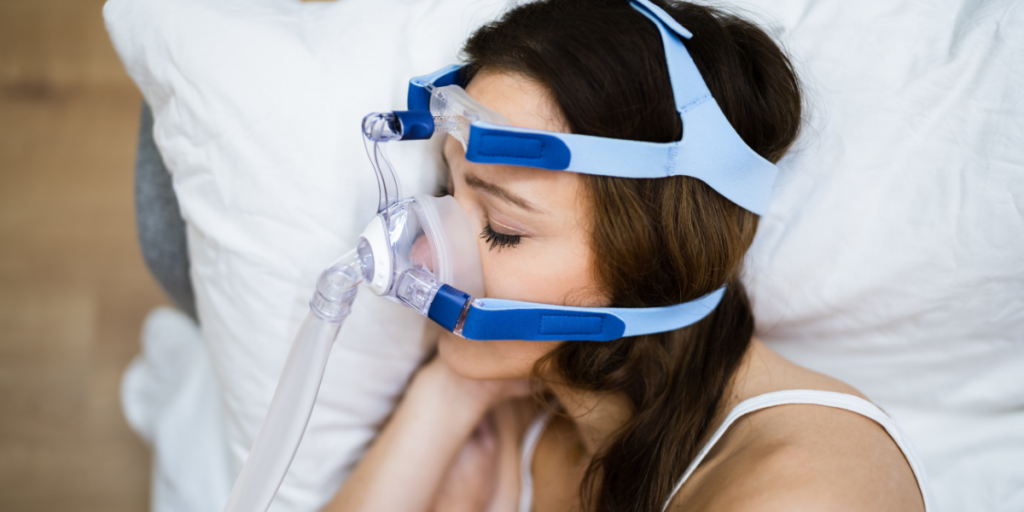
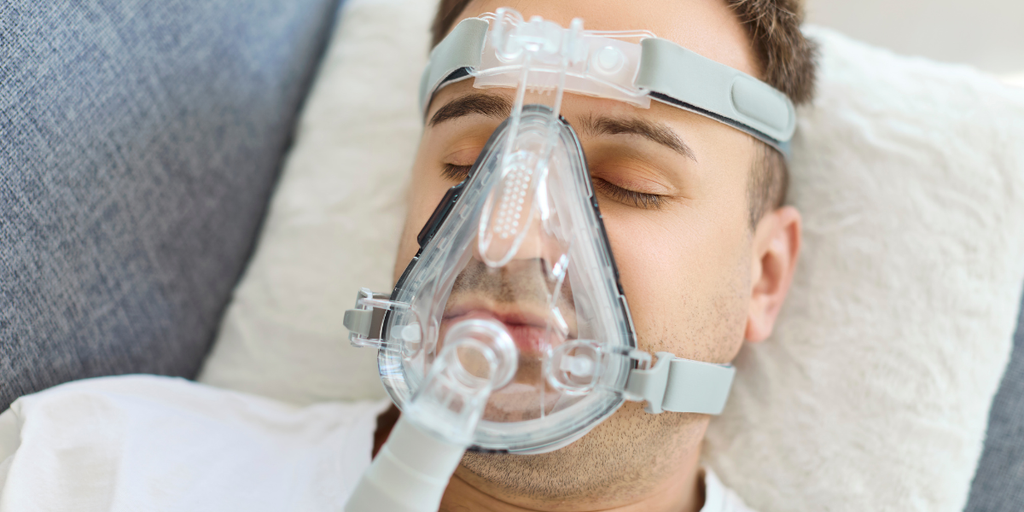
Continuous positive airway pressure (CPAP) delivers steady air through a mask to prevent airway collapse. It is a highly effective OSA treatment. Lifestyle changes can improve comfort and consistency with CPAP. If your mask leaks or your nose feels blocked, tell your sleep care team. Adjustments may improve comfort, while suitable CPAP alternatives can be discussed when conventional therapy is difficult to tolerate. Use prescribed CPAP whenever you sleep, including naps.
Custom Oral Appliances as an Alternative Treatment
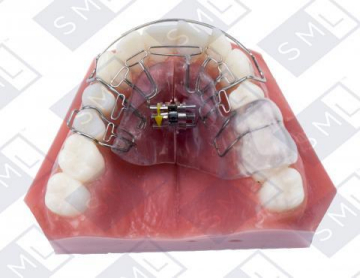
A custom oral appliance fits over your teeth and positions the lower jaw forward. This may reduce obstruction for suitable patients, including those unable to tolerate CPAP. A qualified sleep apnea dentist in Clifton, NJ, can assess your bite, fit the device, and explain how sleep dentistry may support your treatment. Your sleep physician should confirm its effectiveness through follow-up sleep testing. Ongoing monitoring is also important because jaw pain or bite changes can occasionally develop during oral appliance treatment.
When Should You Seek Professional Sleep Apnea Treatment in Clifton?
Do not wait until exhaustion feels normal. If poor sleep affects work or safety, sleep apnea treatment in Clifton, NJ begins with an assessment. Getting answers early can prevent unnecessary delays.
Warning Signs That Require Professional Attention
Seek an evaluation for chronic snoring, witnessed pauses in breathing, or waking up with gasping. Excessive drowsiness during the day is an important symptom that can affect your ability to function at work or drive a car. Seek care if symptoms persist despite healthier habits. If you become dangerously drowsy while driving, stop somewhere safe. A clinical assessment is the next step, not another home remedy. Other health conditions may cause similar tiredness.
What to Expect During a Sleep Apnea Evaluation
A clinician can evaluate your sleep patterns, symptoms, medical history, and current medications. You might be asked to take a home sleep test or spend the night at a sleep center. Results guide treatment choices such as CPAP, a custom oral appliance, or supportive lifestyle measures. When considering sleep apnea treatment in Clifton, NJ, coordination between a sleep physician and dentist helps keep diagnosis, fitting, and follow-up connected. Our sleep apnea dentist in Clifton, NJ can discuss fitting and follow-up if this approach suits you.
Schedule Your Visit with a Trusted Dental Team
Taking the next step toward better oral health starts with a simple conversation. Our experienced team is ready to answer your questions and help you plan your treatment with confidence.
How Long Does It Take for Lifestyle Changes to Improve Sleep Apnea?
Changes may help over weeks or months, depending on your habits, health, and apnea severity. We can discuss ongoing dental care while your sleep physician monitors treatment results.
How We Support Better Sleep at Harmony Dental Arts in Clifton

Broken sleep can wear you down. At Harmony Dental Arts, we listen to your concerns and explore personalized dental sleep care, working with medical clinicians when appropriate. Questions are always welcome.
Our Personalized Approach to Sleep Apnea Treatment
We discuss your snoring, sleep habits, oral health, and treatment history. We consider your teeth and jaw when planning appliances fit. For patients exploring sleep apnea treatment in Clifton, we explain where custom oral appliances may help and when coordination with a sleep physician is important. We combine modern dental technology with careful attention to your individual needs. You can ask what fitting and follow-up involve.
Supporting Better Breathing With Oral Appliances and Myofunctional Therapy
We provide personalized oral appliances, fitting, and adjustments for suitable patients. Our myofunctional therapy services focus on tongue posture, coordination, and breathing habits. These approaches have different roles. An appliance helps position the jaw while you sleep; exercises may provide additional support. We explain their roles, discuss how exercises should be practiced, and provide ongoing dental follow-up.
Schedule Your Sleep Apnea Consultation With Our Clifton Dental Team
If snoring or fatigue sounds familiar, a consultation can clarify your options. We welcome patients from Clifton, Passaic, Nutley, and Montclair. Contact Harmony Dental Arts to schedule a sleep apnea consultation. Bring your previous sleep study results or details of any CPAP difficulties. Our sleep apnea dentist in Clifton, NJ, can discuss oral appliances, myofunctional care, and coordination with your sleep physician.
Conclusion
Managing sleep apnea starts with understanding what affects your breathing and making healthy changes that fit your daily routine. Maintaining a healthy weight, staying active, sleeping on your side, limiting alcohol, quitting smoking, managing nasal congestion, and following a consistent sleep schedule can all support better sleep. Myofunctional exercises may also provide additional benefits for some patients. However, lifestyle changes cannot always prevent the airway blockages that cause obstructive sleep apnea. Professional treatments, including CPAP therapy and custom oral appliances, may still be necessary for effective long-term management.
If you frequently wake up tired, snore loudly, or experience interrupted sleep, don’t ignore the symptoms. At Harmony Dental Arts, we help Clifton residents explore personalized dental solutions for better nighttime breathing. Ready to take the next step towards better sleep? Contact Harmony Dental Arts today to schedule your sleep apnea consultation in Clifton, NJ. Our team can help you explore suitable oral appliance options, discuss complementary myofunctional therapy, and coordinate care with your sleep physician to support healthier, more restful sleep.