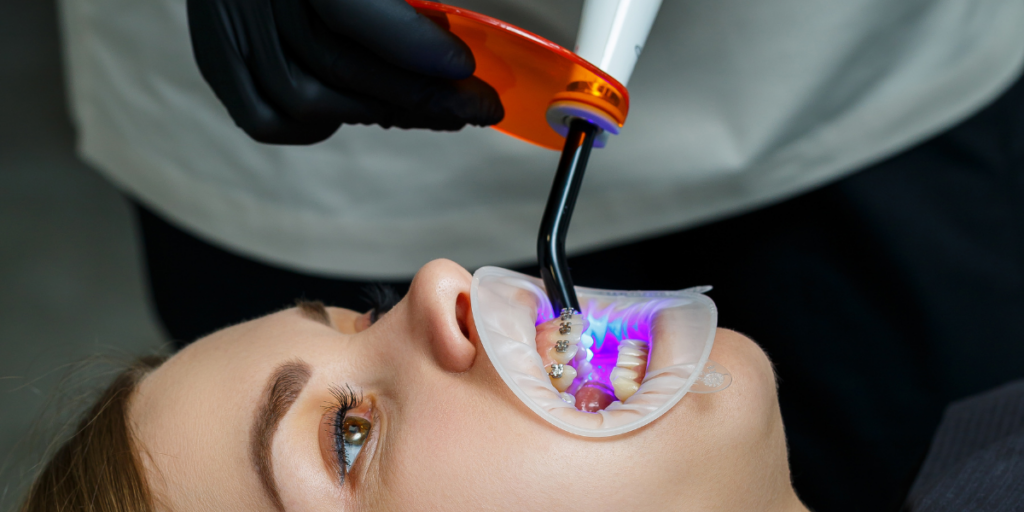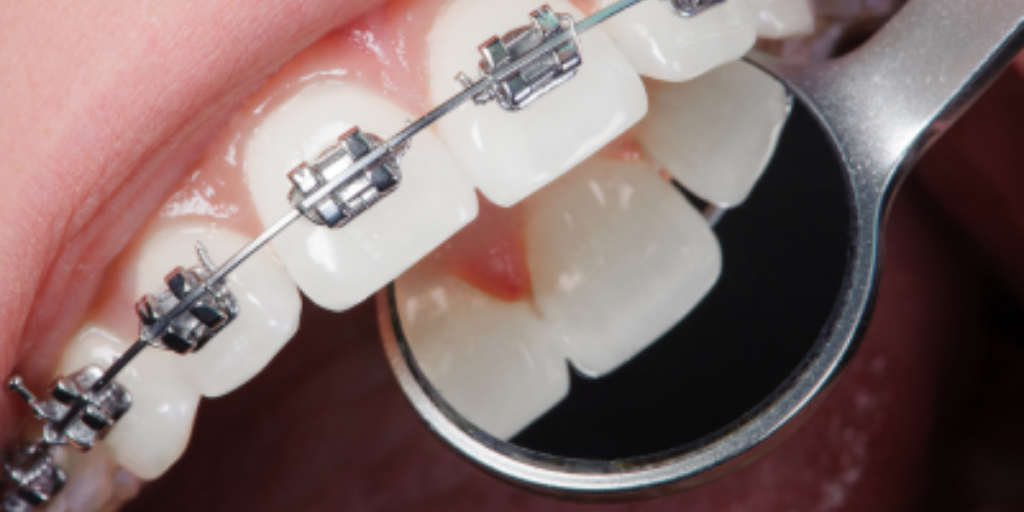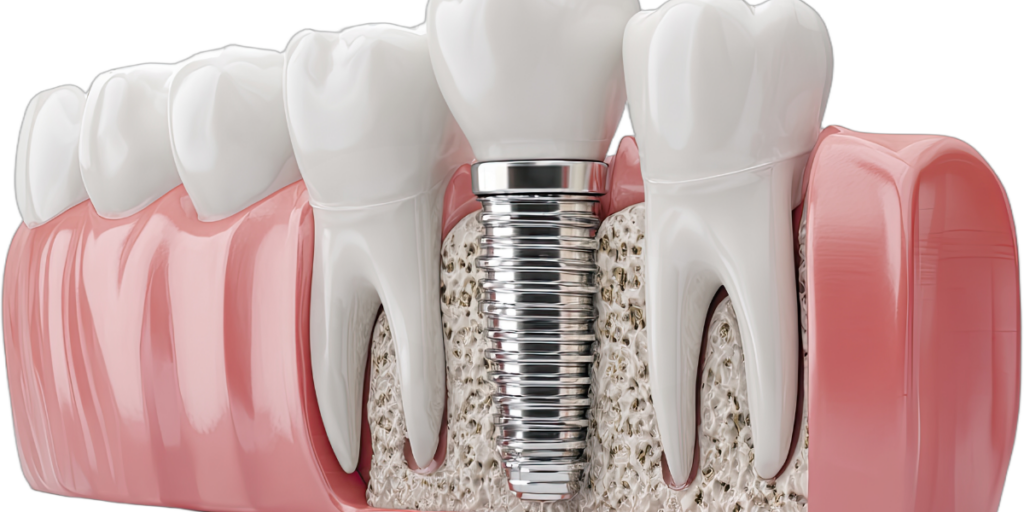
You may be preparing to replace a missing tooth when your dentist explains that a bone graft is necessary before implant placement. That recommendation can raise questions about discomfort, recovery, and how much longer you will wait for a replacement tooth. A bone graft for dental implants in Clifton may be recommended when the jaw does not have enough bone to support an implant securely.
Early gum healing usually takes much less time than the deeper bone regeneration process. Understanding why grafting is needed, what happens after surgery, and how your dentist determines the next step can help you plan treatment realistically.
Why Is Bone Grafting Sometimes Necessary Before Dental Implants?
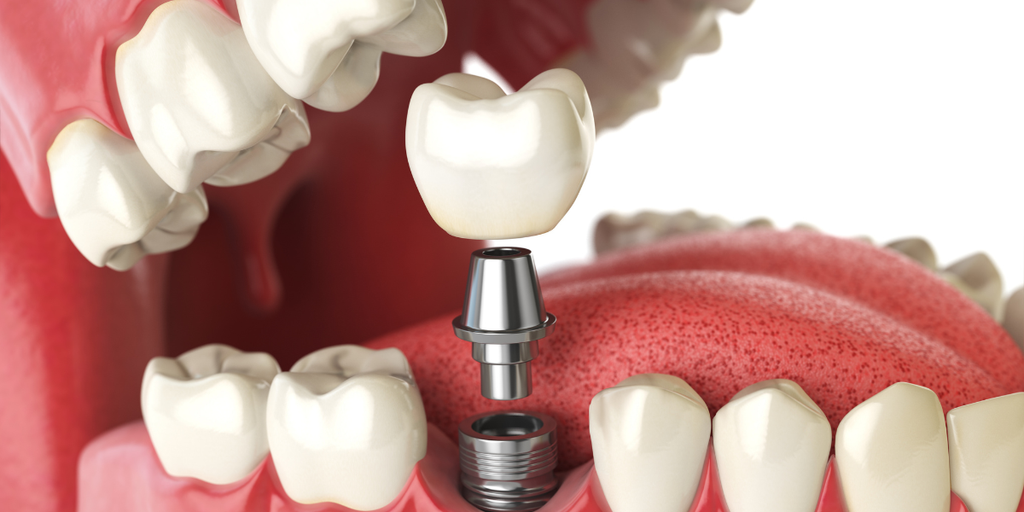
Bone grafting may be necessary when the jawbone lacks sufficient height, width, or volume for implant placement. Graft material helps create or preserve support where natural bone has been lost. Not every patient needs a graft, and a clinical examination and imaging are essential before making that decision.
Bone Loss Following Tooth Extraction
After a tooth is removed, the jawbone surrounding its roots can gradually shrink. A bone graft after tooth extraction in Clifton may help preserve the socket, particularly when a future implant is planned. If you are arranging a tooth extraction in Clifton, NJ, ask your dentist whether socket preservation would be appropriate for your situation.
Long-Term Missing Teeth and Gum Disease
Missing teeth can be associated with progressive changes in the jawbone, especially when the area remains unrestored for years. Advanced gum disease can also damage the bone supporting neighboring teeth. These conditions may require additional preparation before implant surgery, depending on the amount of bone remaining.
Schedule Your Visit with a Trusted Dental Team
Taking the next step toward better oral health starts with a simple conversation. Our experienced team is ready to answer your questions and help you plan your treatment with confidence.
Why Adequate Jawbone Support Matters
Dental implants need sufficient surrounding bone to achieve stability and support chewing forces. If the bone is too narrow or shallow, an implant may be difficult to position safely. A bone graft for dental implants in Clifton can sometimes help address these limitations, although the outcome depends on individual healing and treatment planning.
How Do Dentists Determine Whether You Need a Bone Graft?
Examining Jawbone and Gum Health
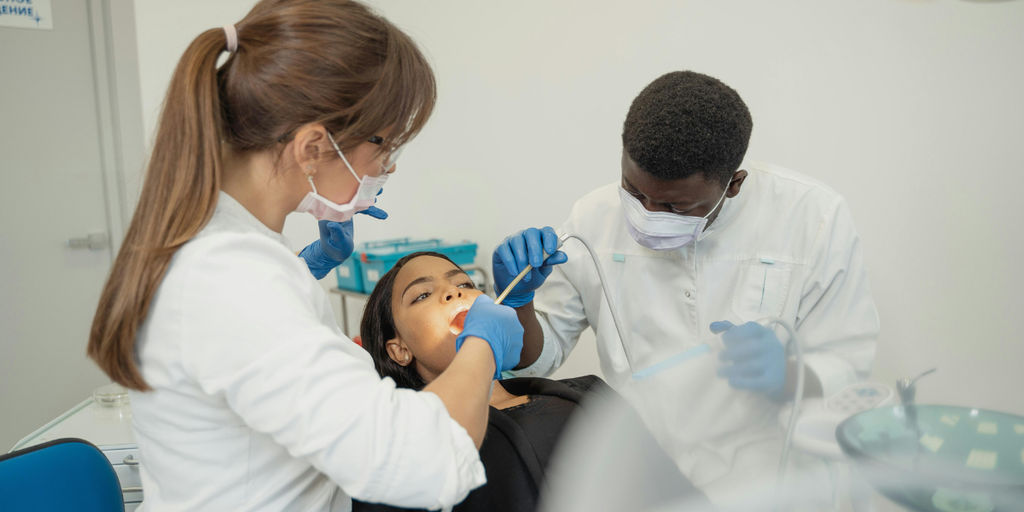
Your dentist examines the missing tooth area, nearby teeth, gums, and overall oral health. A history of gum disease, previous extractions, medications, or medical conditions may influence the recommendations. Any active infection or untreated periodontal problem may need attention before implant treatment begins.
Using Dental X-Rays and 3D Imaging
Dental X-rays provide information about the teeth and surrounding bone. When necessary, cone-beam CT imaging helps assess bone dimensions and nearby anatomical structures in three dimensions. This information can show where bone support is limited and assist with planning a suitable procedure.
Creating an Individualized Implant Treatment Plan
The dentist considers the planned replacement tooth, available bone, and whether grafting and implant placement can occur together. Patients exploring dental implants in Clifton, NJ should receive an explanation of the proposed stages and follow-up appointments. An implant dentist in Clifton can also discuss how the size of the graft may influence the treatment schedule.
What Happens During a Dental Bone Grafting Procedure?
Preparing the Treatment Area
Before surgery, your dentist reviews your medical history, medications, imaging, and anesthesia options. The treatment site is numbed, generally with local anesthesia, and prepared for graft placement. If grafting is performed along with a tooth extraction in Clifton, NJ, the dentist may prepare the socket as part of the same visit.
Placing Bone Grafting Material
Graft material is placed where more bone support is needed. Depending on the procedure, the material may come from the patient’s own bone, a processed donor source, an animal-derived source, or a synthetic substitute. A bone graft after tooth extraction in Clifton often involves filling the socket to help maintain its dimensions during healing.
Schedule Your Visit with a Trusted Dental Team
Taking the next step toward better oral health starts with a simple conversation. Our experienced team is ready to answer your questions and help you plan your treatment with confidence.
Protecting the Graft and Receiving Instructions
A membrane or sutures may be used to protect the graft and surrounding tissue. Your dentist will explain how to care for the area, which foods to avoid, and whether temporary activity restrictions apply. Instructions vary, especially when an implant is placed during the same appointment.
What Is the First Week of Recovery Like After Dental Bone Grafting?
The First 24 to 48 Hours
Mild bleeding, tenderness, and swelling can occur after the procedure. Rest, take medications as directed, and avoid disturbing the surgical site with your tongue or fingers. Your dentist may recommend cold compresses and a temporary break from strenuous activity. Contact the office if bleeding does not settle as instructed.
Days 3 to 5: Swelling and Discomfort
Swelling may reach its peak during the first few days before gradually improving. Tenderness or bruising can persist, particularly after more extensive surgery. If pain becomes stronger rather than easing, or swelling spreads unexpectedly, contact your dental team for advice.
Days 5 to 7: Early Gum Healing
Many patients notice that the gums feel less tender by the end of the week. Sutures may still be present, and the area should remain protected even when eating becomes easier. A bone graft after tooth extraction in Clifton continues developing beneath the gum tissue long after the initial soreness has improved.
Eating and Oral Hygiene During Recovery
Soft foods such as yogurt, scrambled eggs, mashed potatoes, and lukewarm soup are often easier to eat. Avoid hard foods or chewing directly over the graft when instructed. Brush other teeth normally while following special directions for the surgical area. The practice’s aftercare information can supplement, but should not replace, your individualized directions.
How Long Does a Dental Bone Graft Take to Heal?
Gum Healing Versus Bone Regeneration
The gums may show substantial initial healing within approximately one to two weeks. Beneath the surface, however, the grafted area needs time to develop sufficient bone support. Feeling comfortable again does not necessarily mean implants are ready.
Why Three to Six Months Is Common
Many grafts are assessed for implant placement after approximately three to six months. Smaller socket-preservation procedures and larger bone-building procedures may follow different schedules. If you need a bone graft for dental implants in Clifton, your dentist will assess healing rather than relying on a date alone.
Why Healing May Take Longer
Extensive bone loss, complex grafting, smoking, infection, and poorly controlled diabetes may affect recovery. Some procedures require longer than six months before the next stage is appropriate. Follow-up visits help identify whether the treated area has developed adequate support.
When Can You Get Dental Implants After Bone Grafting?
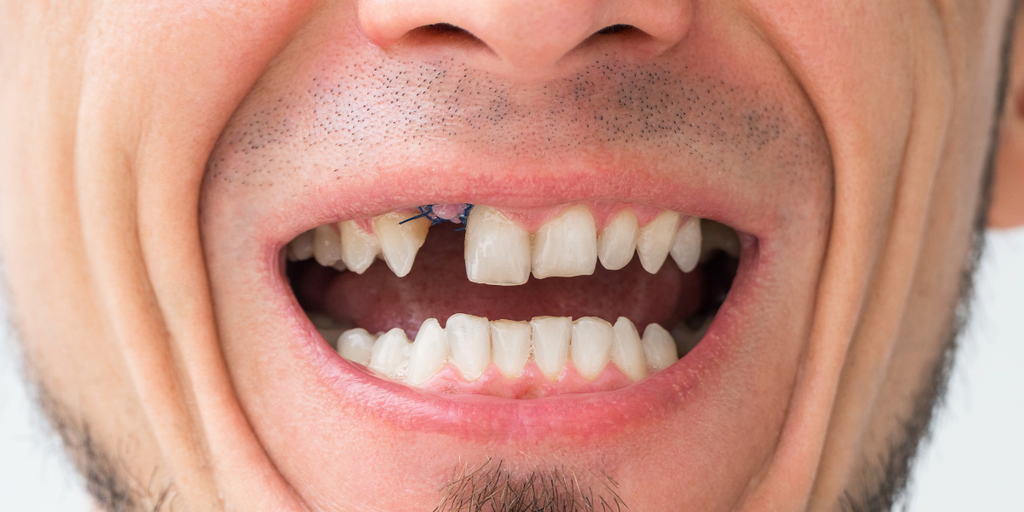
Dental implants may be placed once there is enough stable bone to support them. Some patients can receive the implant and graft during one procedure; others must wait while the graft heals. The appropriate timing depends on the amount of natural bone remaining and the dentist’s assessment of implant stability.
Can Grafting and Implant Placement Happen Together?
When sufficient existing bone is present, simultaneous treatment may be possible. A graft can help support areas around an implant that has adequate initial stability. An implant dentist in Clifton will assess whether this approach fits the position of the missing tooth and the surrounding bone structure.
When Is Delayed Implant Placement Necessary?
If significant bone loss prevents stable placement, grafting is usually performed first. Patients planning dental implants in Clifton, NJ, may then return several months later for evaluation. This staged approach provides time for healing before the implant is placed, rather than exposing an inadequately supported area to unnecessary risk.
How Dentists Decide Whether the Site Is Ready
Follow-up examinations assess soft-tissue recovery and the condition of the graft. Imaging may be recommended to evaluate bone dimensions or other concerns before surgery. Your dentist can explain whether the site is suitable or needs more time.
Schedule Your Visit with a Trusted Dental Team
Taking the next step toward better oral health starts with a simple conversation. Our experienced team is ready to answer your questions and help you plan your treatment with confidence.
What Happens After Implant Placement?
After an implant is inserted, the surrounding bone gradually integrates with its surface through a process called osseointegration. The final crown or another restoration is placed when adequate stability has been established. People receiving dental implants in Clifton should remember that graft healing and implant integration are separate stages.
| Treatment Stage | General Timeline |
| Initial gum recovery | Approximately 1 to 2 weeks |
| Bone graft healing | Often 3 to 6 months |
| Complex graft healing | Sometimes 4 to 12 months |
| Implant placement | When clinically appropriate |
| Final restoration | After adequate implant integration |
These periods are estimates. Some stages overlap, and individual treatment plans may be shorter or longer.
How Can You Support Healing After Bone Grafting?
Follow Your Dentist’s Instructions
Take prescribed medications correctly and follow directions about rinsing, brushing, eating, and physical activity. Do not increase activity simply because soreness has improved. If a bone graft after tooth extraction in Clifton was performed, the socket may need protection even when the gums appear to be closing.
Avoid Tobacco and Protect the Site
Smoking and other tobacco exposure can interfere with healing and raise the risk of complications. Avoid disturbing sutures, membranes, or graft material, and follow chewing restrictions. Discuss tobacco cessation and any medical conditions affecting recovery with your healthcare providers.
Maintain Nutrition and Follow-Up Care
Choose suitable foods, drink adequate fluids, and keep scheduled appointments. Your dentist can monitor healing, answer questions, and identify concerns before the next treatment stage. Consistent follow-up matters because graft readiness cannot be judged from comfort alone.
What Are the Warning Signs of Complications After Bone Grafting?
Increasing Pain, Swelling, or Bleeding
Some discomfort is expected, but swelling or pain that continues worsening deserves attention. Persistent bleeding, fever, unusual discharge, or a spreading area of facial swelling should be reported promptly. Seek urgent medical care for severe bleeding, difficulty breathing, or rapidly spreading swelling.
Unexpected Changes Around the Graft
Small graft particles may occasionally appear during healing, but significant material loss or exposed structures requires assessment. Do not attempt to reposition material yourself. Contact your dentist if the site looks substantially different or symptoms change unexpectedly.
How Harmony Dental Arts Helps With Bone Grafting and Dental Implants in Clifton
Personalized Implant Evaluations
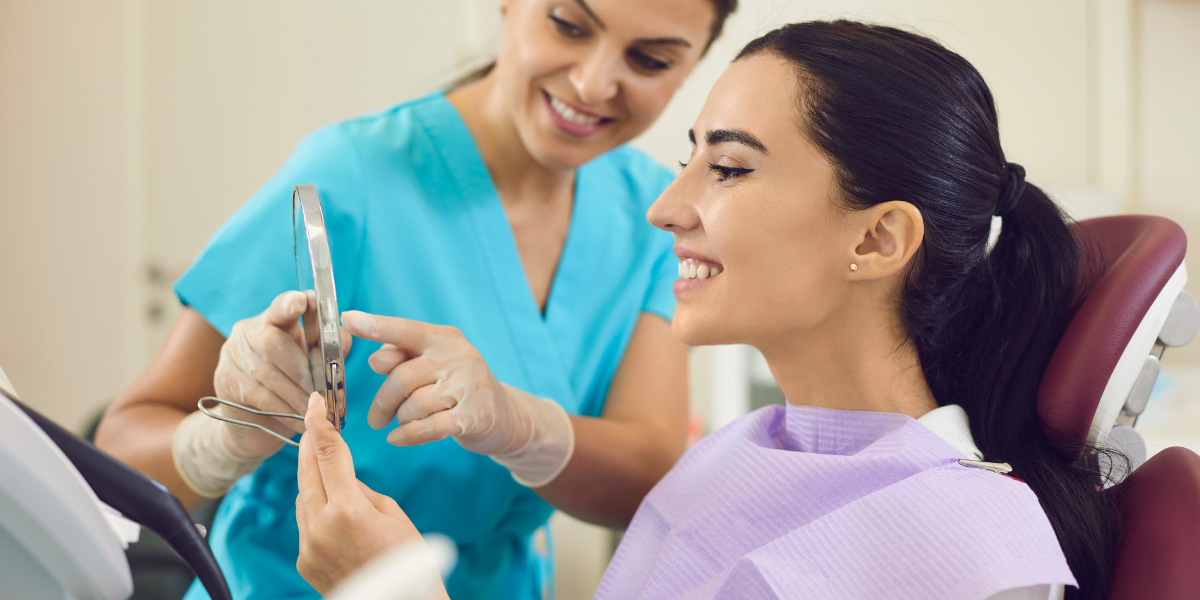
At the Clifton dental office, Harmony Dental Arts evaluates oral health, jawbone support, and the missing tooth area before recommending treatment. Patients seeking an implant dentist in Clifton can discuss the role of imaging, grafting, and the planned replacement tooth. The evaluation helps determine whether grafting is necessary or if implant placement may proceed without it.
Bone Grafting and Treatment Planning
The practice provides bone grafting services in Clifton alongside dental implant care. Patients who need a tooth extraction in Clifton, NJ, may be able to discuss socket preservation as part of their overall treatment plan. Recommendations depend on the tooth, existing bone, and individual health factors.
Recovery Guidance and Final Restoration
Patients can review postoperative instructions, estimated healing intervals, and follow-up visits before starting treatment. An implant dentist in Clifton can also explain how the eventual crown or other restoration affects implant positioning. Those researching dental implants in Clifton, NJ, should expect a personalized timeline rather than a guaranteed completion date.
Conclusion: Understanding Bone Grafting Before Dental Implants
Bone grafting may provide support when the jawbone is insufficient for implant placement. Initial gum recovery is often measured in days or weeks, while deeper bone healing can take several months. The next step depends on the graft, the surrounding tissues, and clinical findings.
If you are considering a bone graft for dental implants in Clifton, contact Harmony Dental Arts to discuss whether grafting is appropriate and what recovery may involve. The team can also help patients planning dental implants in Clifton understand the sequence of care without promising an identical timeline for everyone.