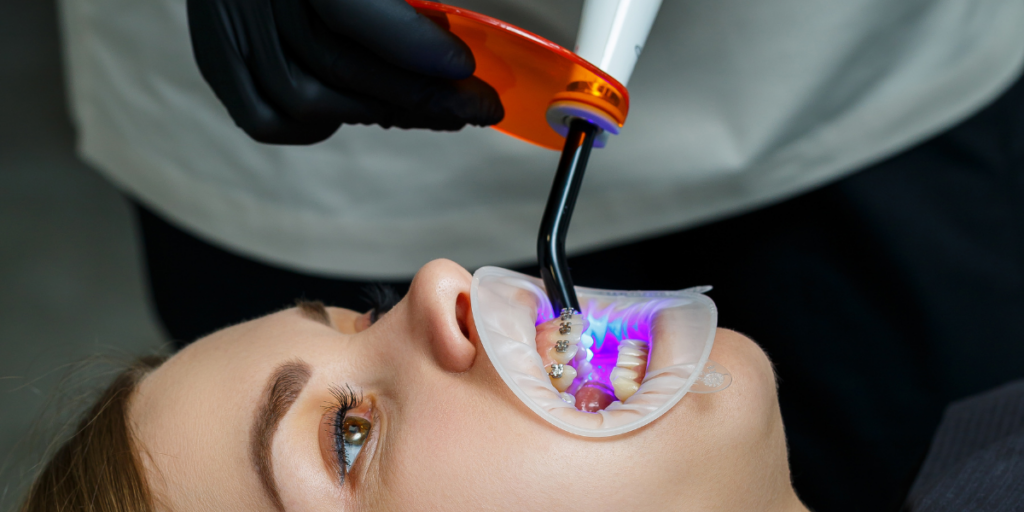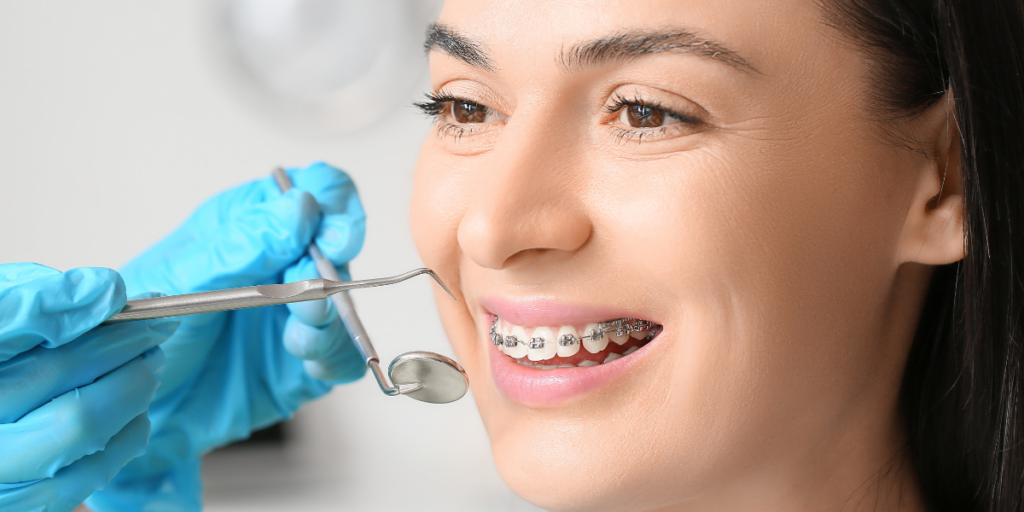
Braces are often associated with teenagers, but adults are increasingly considering orthodontic treatment for concerns they have lived with for years. Crooked teeth, unwanted gaps, shifting alignment, and bite problems can become noticeable during everyday activities, including eating, brushing, and speaking.
Some adults postpone treatment because they assume they are too old for braces or that orthodontic care will interfere with their work and social lives. However, modern treatment options offer different approaches for correcting alignment concerns.
Visiting an orthodontist in Clifton can help adults understand whether braces or clear aligners may be appropriate for their dental needs. From improving oral hygiene to preparing for restorative procedures, adult orthodontic care addresses several practical concerns beyond appearance.
Why Are More Adults Choosing Orthodontic Treatment?
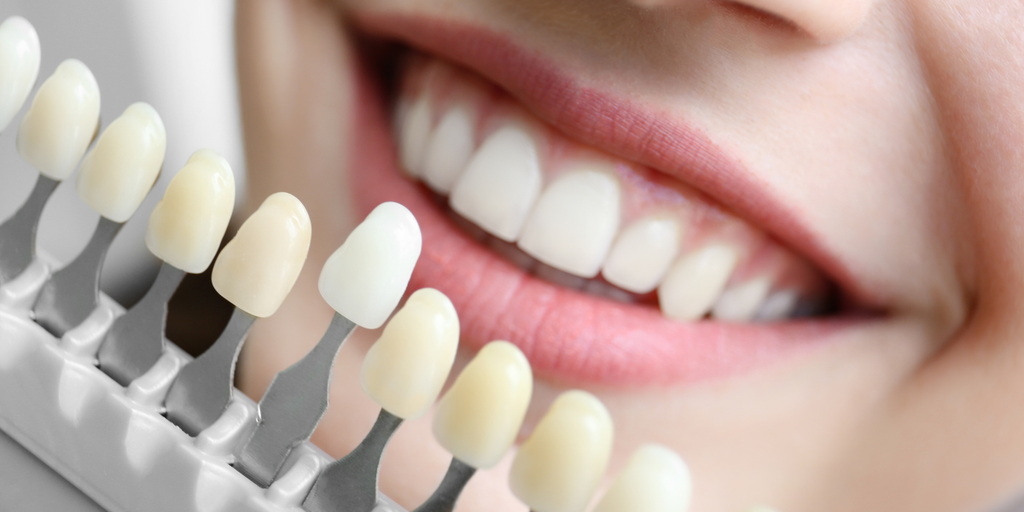
Adults pursue orthodontic treatment to address crowded teeth, spacing, shifting alignment, and bite irregularities. Traditional braces, clear braces, and removable aligners provide different ways to correct these concerns. The appropriate option depends on oral health, treatment complexity, and personal preferences.
Adult orthodontic treatment has become increasingly common. The American Association of Orthodontists reported in September 2025 that approximately one in three orthodontic patients was an adult. Greater awareness of treatment options and less noticeable appliances may contribute to this interest.
What Dental Problems Lead Adults to Visit an Orthodontist in Clifton?
Adults seek orthodontic care for several reasons, including problems that developed during childhood and changes that occurred later in life. An examination helps determine whether tooth movement could improve alignment or address functional concerns.
Crowded or Overlapping Teeth
Crowded teeth can create narrow spaces that are difficult to clean thoroughly with a toothbrush or floss. Plaque may accumulate in these areas, increasing the importance of careful oral hygiene. An orthodontist in Clifton, NJ, can assess whether correcting the crowding would improve tooth positioning and access for cleaning.
Gaps and Spacing Between Teeth
Some adults have spaces between their teeth that affect appearance or allow food to collect. Gaps may be present naturally or develop following tooth loss or changes in surrounding tissues. Orthodontic treatment can sometimes close these spaces or help position teeth before restorative procedures.
Schedule Your Visit with a Trusted Dental Team
Taking the next step toward better oral health starts with a simple conversation. Our experienced team is ready to answer your questions and help you plan your treatment with confidence.
Overbite, Underbite, and Crossbite Problems
Bite irregularities affect how the upper and lower teeth meet. Depending on their severity, they may contribute to chewing difficulties, uneven tooth contact, or excessive wear. Patients considering Clifton orthodontics should receive an examination to determine whether the concern involves tooth position, jaw relationships, or both.
Teeth Shifting After Previous Orthodontic Treatment
Teeth can gradually shift after braces or aligner treatment, especially when retainers are not worn as instructed. Adults may notice returning gaps, overlapping teeth, or changes in their bite years after treatment. An evaluation can help determine whether additional orthodontic care is appropriate.
Preparing Teeth for Future Dental Restorations
Orthodontic treatment may sometimes be recommended before crowns, bridges, or implants. Adjusting tooth positions can help create suitable spaces for planned restorations. The orthodontic provider may coordinate with the general or restorative dentist to establish the treatment sequence.
How Can Adult Orthodontics Support Oral Health and Daily Function?
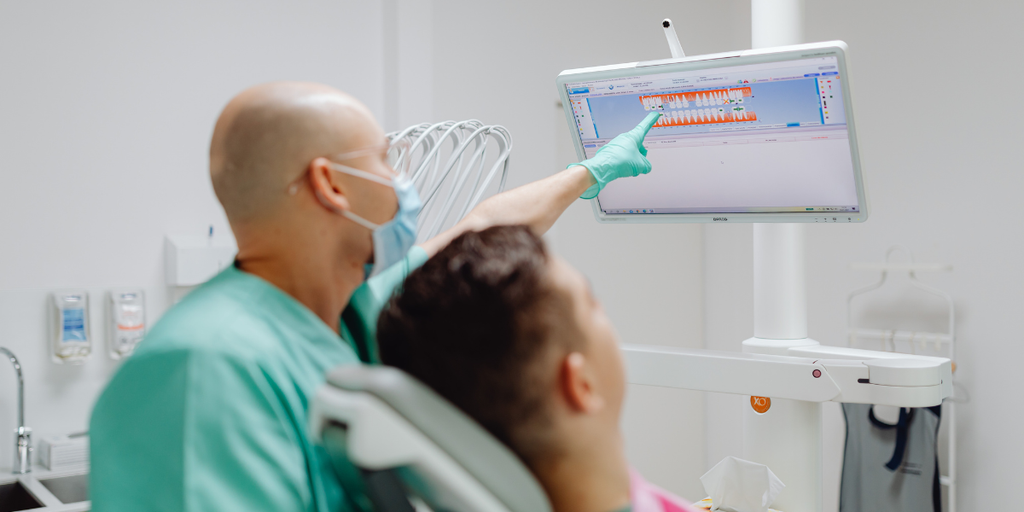
Orthodontic treatment can address dental alignment concerns that affect daily care and oral function. The possible benefits depend on the patient’s original condition and the corrections achieved.
Making Brushing and Flossing Easier
Straightening certain overlapping teeth may make difficult surfaces easier to access during brushing and flossing. However, orthodontic treatment does not replace daily oral hygiene or professional cleanings. Patients must maintain careful cleaning throughout treatment to help protect their teeth and gums.
Improving Bite Alignment
When upper and lower teeth do not meet appropriately, chewing can feel uneven or uncomfortable. Orthodontic treatment may improve dental relationships when the problem can be corrected through tooth movement. A clinician must first determine the underlying cause.
Addressing Uneven Tooth Wear
Some bite irregularities create excessive contact on particular teeth, potentially contributing to wear. However, grinding, acidic exposure, and other conditions can also damage enamel. Orthodontic evaluation helps determine whether alignment is part of the problem.
Schedule Your Visit with a Trusted Dental Team
Taking the next step toward better oral health starts with a simple conversation. Our experienced team is ready to answer your questions and help you plan your treatment with confidence.
Supporting Restorative Dental Treatment
Moving teeth into suitable positions may create space for a bridge or implant or improve the relationship between neighboring teeth. Adults with missing teeth or existing restorations may need coordinated treatment planning to achieve a functional result.
Improving Smile Appearance and Confidence
Some adults pursue treatment because they have always been uncomfortable with crooked teeth or visible gaps. Straighter teeth may improve how they feel about their smile, although individual cosmetic expectations vary. A consultation can clarify what treatment can realistically accomplish.
What Orthodontic Treatment Options Are Available for Adults in Clifton?
Several appliances can address adult alignment concerns. Choosing between them involves considering dental health, movement requirements, visibility, and the responsibilities associated with each option.
Traditional Metal Braces for Adults
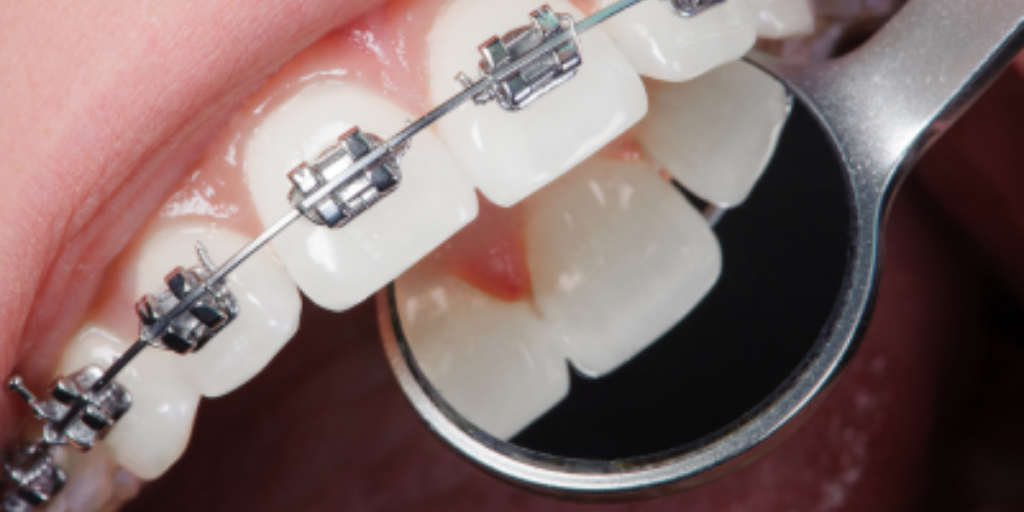
Metal braces use brackets and wires to gradually reposition teeth. They remain attached throughout treatment, allowing the clinician to control specific movements. Patients considering braces in Clifton can discuss whether a fixed appliance is appropriate for their bite concerns.
Clear Braces for a Less Noticeable Appearance
Ceramic braces use tooth-colored or translucent brackets that blend with the natural teeth. They function similarly to metal braces but may be less noticeable during conversations and photographs.
Adults considering clear braces in Clifton should understand that the brackets remain fixed and require careful cleaning. Ceramic appliances may also have different durability and maintenance considerations.
Invisalign and Clear Aligners for Adults
Invisalign uses removable, transparent trays designed to move teeth gradually. The aligners are taken out for meals and oral hygiene, but they must be worn consistently according to the prescribed schedule.
Interest in Invisalign for adults in NJ often comes from patients who prefer a removable appliance. However, suitability depends on the required tooth movements and the patient’s ability to follow treatment instructions.
Choosing Between Braces and Invisalign
Neither appliance is automatically suitable for every patient. Fixed braces may be preferred for certain movements, while clear aligners can be appropriate for selected alignment and bite problems.
Patients researching Invisalign adult treatment in NJ should compare the clinical requirements and daily responsibilities before choosing an appliance.
| Factor | Traditional Braces | Clear Aligners |
| Visibility | More noticeable | Less noticeable |
| Removability | Fixed to teeth | Removable |
| Eating | Food precautions apply | Removed before meals |
| Cleaning | Around brackets and wires | Teeth and trays cleaned separately |
| Treatment suitability | Useful for many complex movements | Depends on clinical complexity |
| Patient responsibility | Attend adjustments and maintain hygiene | Consistent daily wear required |
An orthodontic assessment should guide the decision. Harmony Dental Arts provides Invisalign treatment in Clifton alongside fixed orthodontic options.
Is Orthodontic Treatment Different for Adults Than for Teenagers?
Adult orthodontics follows the same basic principles of tooth movement used in younger patients. However, adults often have different dental histories and treatment requirements.
Adult Jaw Growth Is Complete
Teenagers may still be growing, allowing some orthodontic approaches to influence developing jaw relationships. Adult jaws have generally completed growth, so treatment planning must account for existing skeletal structures. Certain significant jaw discrepancies may require additional procedures.
Gum Health and Bone Support Require Careful Evaluation
Adults may have periodontal disease, gum recession, or reduced bone support around their teeth. These concerns can affect treatment suitability and should be assessed before moving teeth. Healthy gums and adequate supporting structures are particularly important for safe orthodontic care.
Previous Dental Work Can Influence Treatment Planning
Crowns, bridges, dental implants, and missing teeth may change how orthodontic treatment is planned. Unlike natural teeth, implants cannot be moved through the jawbone using conventional orthodontic forces. Existing restorations must therefore be considered when selecting an appliance and planning tooth movement.
Adult Treatment May Require Additional Coordination
Some patients need periodontal care, replacement restorations, or other dental procedures before or during orthodontic treatment. Orthodontics for seniors may require particular attention to existing dental work, gum health, and bone support. Age itself does not prevent treatment when the necessary conditions are suitable.
Treatment Duration Depends on Individual Needs
Treatment may take several months for limited corrections or considerably longer for complex bite problems. Existing dental conditions and the amount of movement required affect the schedule. Following instructions and attending appointments also influence progress.
Can Busy Adults Fit Orthodontic Treatment Into Their Daily Routine?
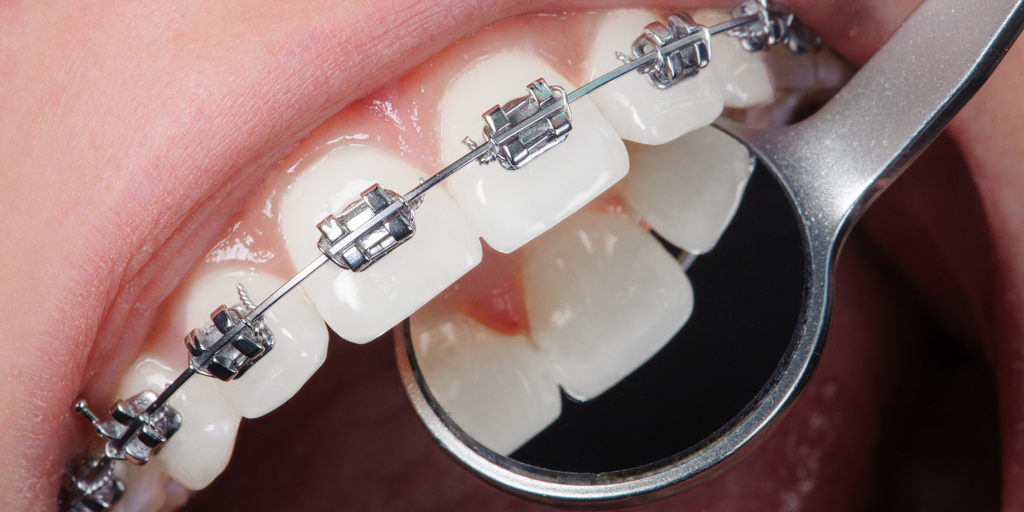
Many adults balance careers, family responsibilities, and social commitments while receiving orthodontic care. Understanding the practical requirements helps patients choose a manageable treatment approach.
Managing Appointments Around Work
Orthodontic treatment requires periodic appointments to assess progress and make adjustments. Before starting, ask how frequently visits are expected and whether the schedule fits your work commitments.
Patients seeking an orthodontist in Clifton, NJ, may find it useful to discuss appointment availability during their initial consultation.
Choosing a Discreet Orthodontic Appliance
Some adults prefer appliances that are less noticeable during meetings or social events. Clear braces in Clifton may appeal to patients who need fixed treatment but prefer tooth-colored brackets.
Others choose removable aligners when appropriate for their dental condition. Appearance should be considered alongside treatment suitability.
Eating and Drinking During Treatment
Traditional braces require avoiding foods that may damage brackets or wires. Clear aligners are generally removed before eating and drinking beverages other than water.
Adults considering Invisalign for adults in NJ should understand these daily requirements before treatment begins.
Maintaining Good Oral Hygiene at Work
Brushing after meals and keeping suitable cleaning supplies available can help maintain oral hygiene. Patients wearing braces may need interdental brushes or flossing aids.
Aligner users should clean their teeth before replacing trays whenever possible.
Staying Consistent With Treatment Instructions
Successful treatment requires consistent follow-up and proper appliance use. Those receiving Invisalign adult treatment in NJ should follow prescribed wear times, while patients with braces must attend adjustments and avoid damaging their appliances.
What Happens During an Adult Orthodontic Consultation in Clifton?
An orthodontic consultation helps identify dental concerns and determine which treatments may be suitable. The clinician reviews oral health, bite alignment, previous treatment, and personal goals before making recommendations.
Schedule Your Visit with a Trusted Dental Team
Taking the next step toward better oral health starts with a simple conversation. Our experienced team is ready to answer your questions and help you plan your treatment with confidence.
Discussing Dental Concerns and Treatment Goals
Patients can explain whether crowding, spacing, bite changes, or appearance motivated their visit. Previous orthodontic treatment and retainer use may also be discussed. The clinician considers these details when planning an appropriate approach.
Examining Teeth, Gums, and Bite Alignment
An examination assesses tooth positions, gum condition, dental restorations, and how the upper and lower teeth meet. Patients interested in Clifton orthodontics may need existing dental problems addressed before starting treatment.
Using Dental Imaging and Treatment Records
Dental X-rays, photographs, and digital scans may be recommended to evaluate tooth roots, bone support, and alignment. These records help the provider assess treatment limitations and plan movements.
Reviewing Braces and Clear Aligner Options
The clinician explains which appliances are appropriate for the patient’s needs and discusses their practical differences. People interested in clear braces in Clifton can compare fixed ceramic braces with removable aligners and traditional metal braces.
Understanding Treatment Duration and Follow-Up Visits
Patients should receive an estimated treatment timeline, expected appointment frequency, and instructions about appliance maintenance. The schedule may change as teeth respond to treatment.
What Should Adults Know About Orthodontic Treatment Costs and Timing?
What Influences Adult Orthodontic Treatment Costs?
Orthodontic costs depend on treatment complexity, appliance type, required visits, and additional dental procedures. An individualized estimate is more useful than assuming every patient pays the same amount.
How Long Does Treatment Usually Take?
Minor corrections may require several months, while comprehensive treatment can take a year or longer. The actual timeline depends on tooth movement, bite correction, and patient cooperation.
Does Dental Insurance Cover Adult Orthodontics?
Some dental plans offer adult orthodontic benefits, but coverage varies. Patients considering Invisalign for adults in NJ should verify eligibility, coverage limits, waiting periods, and potential out-of-pocket expenses.
Harmony Dental Arts provides information about dental insurance and available benefits, although the insurance carrier makes the final coverage decision.
Are Follow-Up Appointments Necessary?
Yes. Regular visits allow the clinician to evaluate tooth movement and make appropriate adjustments. Patients should understand the expected schedule before beginning treatment.
Why Is an Individualized Estimate Important?
An estimate should explain anticipated costs, treatment duration, and possible additional procedures. This information helps patients compare options and prepare financially.
How Can Adults Maintain Their Orthodontic Results Long-Term?
Why Retainers Matter
Teeth can gradually shift after active orthodontic treatment ends. Retainers help maintain the corrected alignment by holding teeth in their new positions.
Patients who have completed braces or Invisalign should follow the prescribed retention schedule.
Following a Personalized Retainer Schedule
Retainer instructions vary according to the treatment and appliance. The clinician explains how often to wear it, how to clean it, and when replacement may be necessary.
Harmony Dental Arts offers orthodontic retainers in Clifton for patients maintaining their results.
Maintaining Good Dental Hygiene
Regular brushing, flossing, professional cleanings, and dental examinations remain essential after orthodontic treatment. Straightened teeth still require consistent preventive care.
Monitoring Changes in Tooth Alignment
Contact your dental provider if your retainer no longer fits correctly or you notice shifting teeth. Early evaluation can help determine whether adjustments or replacement appliances are necessary.
Supporting Long-Term Oral Health
Maintaining treatment results involves both retention and ongoing dental care. Orthodontics for seniors also requires continued attention to periodontal health, existing restorations, and changes in oral health over time.
How Harmony Dental Arts Helps Adults With Orthodontic Treatment in Clifton
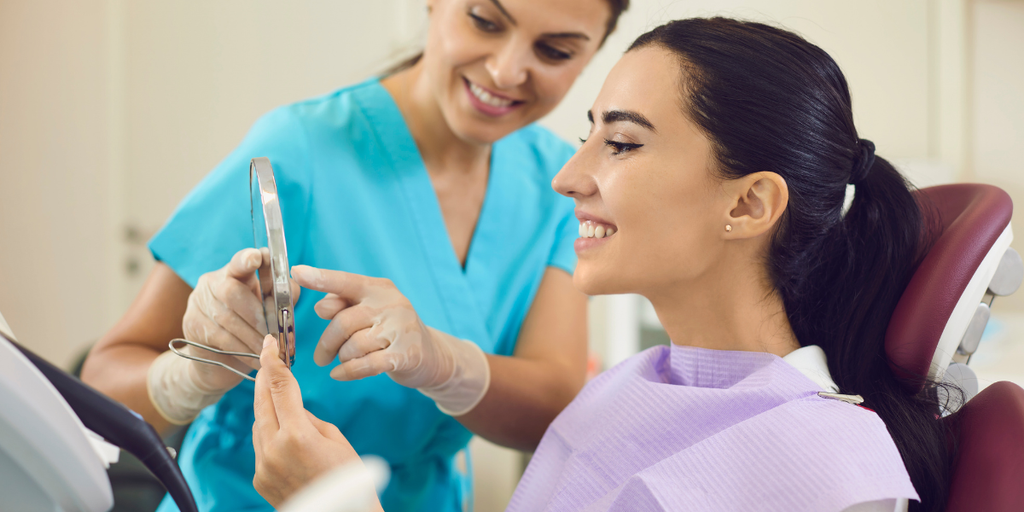
Harmony Dental Arts provides orthodontic services for adults in Clifton, NJ, including traditional braces, clear braces, Invisalign, and retainers. The practice evaluates dental alignment, gum health, and bite concerns before recommending treatment.
Comprehensive Adult Orthodontic Assessments
Patients visiting an orthodontist in Clifton can discuss crowding, spacing, bite problems, and changes in tooth alignment. The clinical team reviews oral health and relevant dental history before developing a personalized plan.
Multiple Orthodontic Treatment Options
The practice offers fixed braces and removable aligners, allowing patients to compare suitable options based on clinical needs. Adults researching Invisalign adult treatment in NJ can discuss the responsibilities and limitations associated with clear aligners.
Personalized and Coordinated Dental Care
Harmony Dental Arts provides adult orthodontic treatment in Clifton along with general and restorative dentistry. Coordinating these services may be helpful when patients have gum problems, missing teeth, or existing restorations.
Continued Monitoring and Retainer Guidance
Regular appointments help the team assess treatment progress and address concerns. Retainer guidance is also part of maintaining alignment after active treatment. For older adults considering orthodontics for seniors, the evaluation can address existing dental conditions and determine whether tooth movement is appropriate.
Conclusion: Considering Adult Orthodontic Treatment in Clifton?
Adults consider orthodontic treatment for crowded teeth, unwanted gaps, bite difficulties, and changing alignment. Traditional braces, clear braces, and removable aligners offer different approaches, with suitability depending on individual dental conditions. An orthodontic consultation helps patients understand their options, treatment responsibilities, and expected timeline. Age alone does not determine whether orthodontic care is appropriate. If you are considering Clifton orthodontics, Contact Us at Harmony Dental Arts to schedule an evaluation and discuss an approach suited to your oral health and treatment goals.