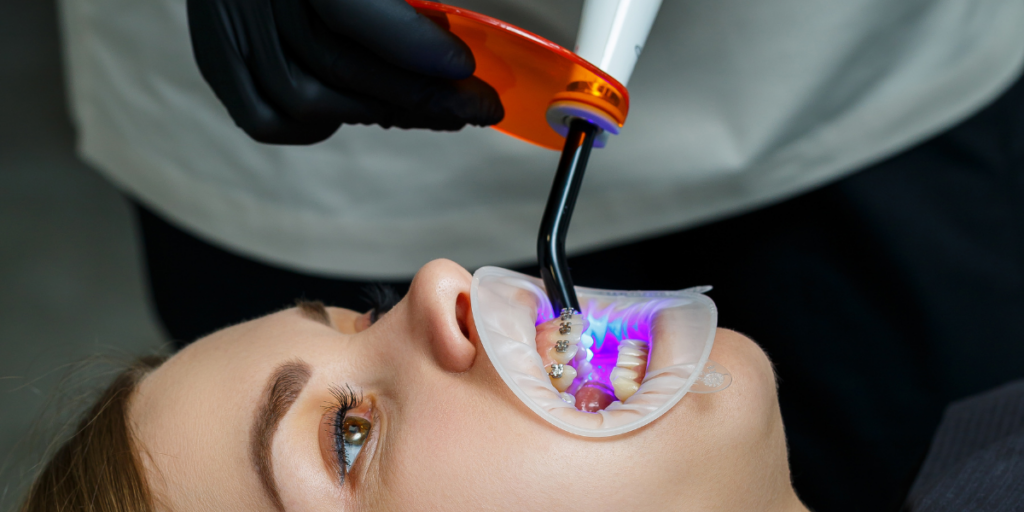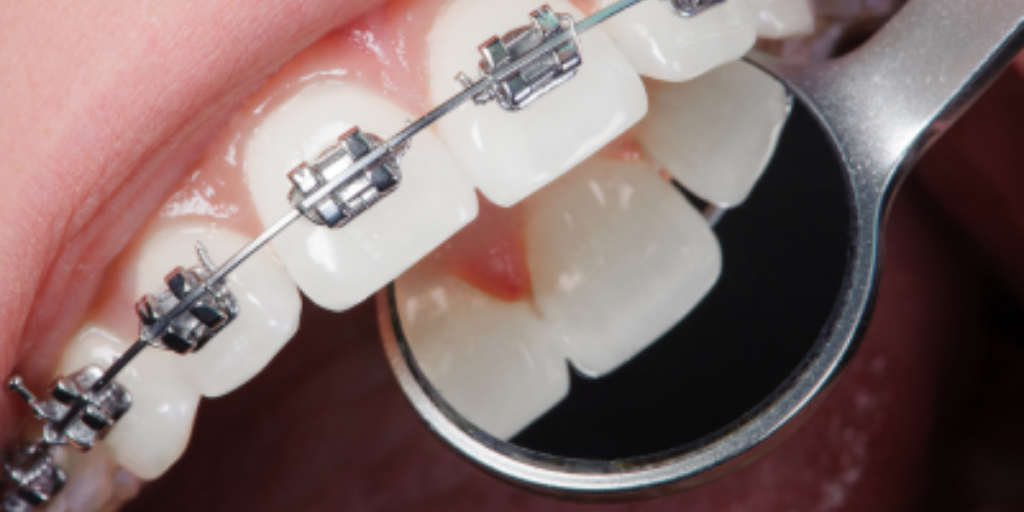
Straightening teeth involves more than selecting braces or clear aligners. How the tongue, lips, and jaw work during swallowing, speech, and rest may also deserve attention, especially when someone has an unusual bite or persistent oral habits. A myofunctional evaluation and orthodontics discussion helps determine whether these functions should be assessed alongside tooth alignment. Not everyone needs myofunctional therapy before braces. However, certain signs can justify asking questions before treatment starts, during orthodontic care, or after teeth have shifted again. The goal is to understand your particular needs, not add an unnecessary step to every treatment plan.
6 Clear Signs You Should Ask for a Myofunctional Evaluation
A myofunctional assessment looks at the patterns used by the tongue, lips, and facial muscles. The following observations may be reasons to raise the subject with your dentist or orthodontist. None proves a disorder on its own.
1. Chronic Mouth Breathing or Snoring
If you often sleep with your mouth open, wake with a dry mouth, or notice habitual mouth breathing, mention it during your dental visit. Nasal allergies, enlarged tonsils, and other airway concerns can contribute to these habits. Persistent snoring, especially with pauses in breathing or daytime sleepiness, warrants medical assessment for possible sleep-disordered breathing. Exercises cannot replace evaluation or treatment of an airway obstruction. Harmony Dental Arts offers myofunctional therapy in Clifton and can discuss whether an oral-function assessment or referral is appropriate.
2. Visible Tongue Thrust or a Speech Lisp
A tongue-thrust pattern occurs when the tongue moves forward between the teeth during swallowing. Some people also have an interdental lisp, particularly with /s/ and /z/ sounds. These patterns may coexist with bite problems, but the relationship between tongue thrust and orthodontics is not always one of cause and effect. An appropriately trained clinician can assess swallowing and speech, with speech-language pathology referral when indicated.
Schedule Your Visit with a Trusted Dental Team
Taking the next step toward better oral health starts with a simple conversation. Our experienced team is ready to answer your questions and help you plan your treatment with confidence.
3. Specific Bite Problems
An anterior open bite leaves a gap between the upper and lower front teeth when the back teeth meet. A crossbite, narrow upper arch, or lower-tooth crowding can also merit an orthodontic examination. These findings have multiple possible causes, including tooth position and jaw growth. Ask whether tongue posture or swallowing patterns are relevant rather than assuming exercises will correct the bite. Our open-bite correction service explains how treatment options depend on the individual case.
4. Teeth Shifting After Orthodontic Treatment
If teeth have moved after braces or aligners, start with a retainer and bite check. Teeth can shift for several reasons, including changes in the surrounding tissues and inconsistent or inadequate retainer wear. Functional concerns may also deserve review in selected cases. Myofunctional therapy cannot be relied on to prevent orthodontic relapse, and it is not a replacement for properly fitted orthodontic retainers.
5. Prolonged Oral Habits in Children
Thumb-sucking, finger-sucking, or prolonged pacifier use can affect tooth position and bite development, particularly when habits persist beyond early childhood. The intensity and frequency of the habit matter. If your child continues these behaviors after age three, ask a dental professional for guidance. Supportive strategies may be appropriate, but parents should avoid punitive approaches.
6. Jaw Tension, Clenching, or TMJ Symptoms
Jaw fatigue, clicking, tooth grinding, and facial tension deserve a dental assessment. They can coexist with oral-function concerns, but they do not automatically indicate a myofunctional disorder. An examination can help distinguish muscle discomfort from a temporomandibular joint problem and determine whether any other specialist should be involved.
Best Timing for a Myofunctional Evaluation and Orthodontics
The best time to ask depends on the signs you notice. You do not need to wait until an orthodontic appliance has been fitted, and there is no universal rule requiring several months of exercises first.
The American Association of Orthodontists recommends the first orthodontic checkup by age seven, or earlier if a problem is noticed. That recommendation does not mean every child needs early braces or myofunctional exercises.
Research on whether oral muscle retraining improves orthodontic outcomes remains limited. A 2025 scoping review found that promising results did not amount to high-certainty proof of effectiveness for correcting malocclusion traits. Patients considering myofunctional therapy before braces should expect an individualized recommendation, not a guarantee of faster tooth movement or permanent stability.
What Happens During a Myofunctional Evaluation?
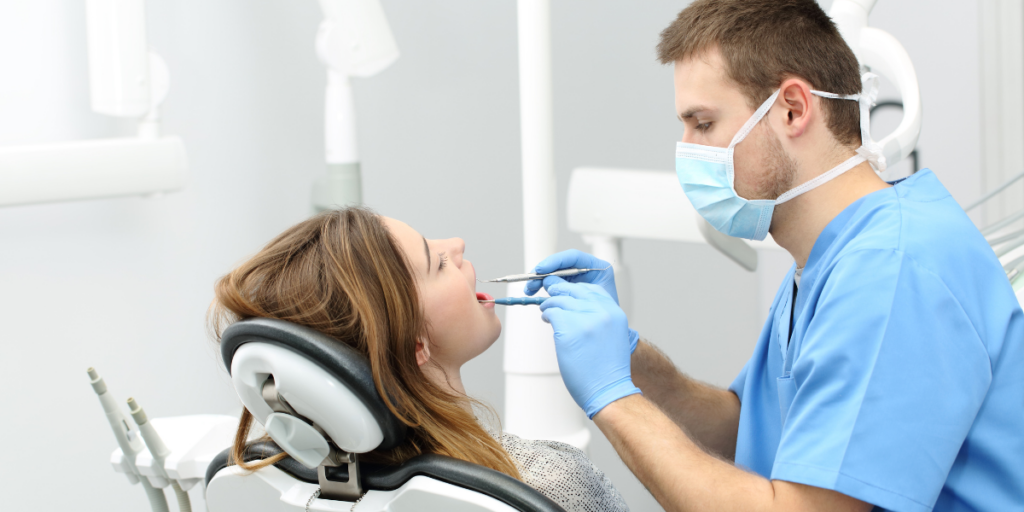
The appointment focuses on how your mouth functions, alongside the dental findings already available. The exact process depends on age, symptoms, and the professional conducting the assessment.
Step 1: Medical, Dental, and Airway History
You may be asked about allergies, snoring, sleep quality, past orthodontic treatment, speech or feeding concerns, and habits such as thumb-sucking. These details can reveal when an ENT, physician, or speech-language pathologist should become involved. Suspected sleep apnea requires appropriate medical diagnosis rather than relying on a dental screening alone.
Step 2: Functional Examination
As described in the ASHA guidance on orofacial myofunctional disorders, a clinician may observe where the tongue rests, whether the lips close comfortably, and how the tongue and jaw move during speech and swallowing. Water or food trials may be used when appropriate. A dental examination also checks bite relationships and possible jaw-joint symptoms. This is where concerns involving tongue thrust and orthodontics can be examined together without assuming they have a single cause.
Schedule Your Visit with a Trusted Dental Team
Taking the next step toward better oral health starts with a simple conversation. Our experienced team is ready to answer your questions and help you plan your treatment with confidence.
Step 3: Photos, Scans, and Other Records
Photographs or digital dental scans may help document teeth, jaw relationships, and changes over time. Imaging is selected according to clinical need, not routinely required for every myofunctional assessment. A three-dimensional dental scan cannot by itself diagnose sleep apnea or establish that someone needs airway treatment.
Step 4: A Coordinated Care Plan
The findings may lead to monitoring, guided oral-function exercises, orthodontic treatment, or a referral. Braces, Invisalign, expanders, and appliances such as Homeoblock address different indications; they are not interchangeable. The care team should explain why each recommendation matters and how progress will be reviewed.
When Should You Ask About a Myofunctional Evaluation?

If you are wondering when to get a myofunctional evaluation, bring the question to the visit where you are already discussing your bite, breathing habits, or previous treatment. These questions can help you begin the conversation.
Before Getting Braces or Aligners
“Should my resting tongue position, lip closure, or swallowing pattern be checked before we finalize the orthodontic plan?” This can be especially useful when considering myofunctional therapy before braces, though many patients can begin orthodontic treatment without it.
When You Notice an Open Bite, Mouth Breathing, or Tongue Thrust
“Could these signs reflect an oral-function issue, a dental problem, or something that needs an ENT or speech evaluation?” Persistent mouth breathing deserves particular attention because an anatomical obstruction must be addressed separately.
Schedule Your Visit with a Trusted Dental Team
Taking the next step toward better oral health starts with a simple conversation. Our experienced team is ready to answer your questions and help you plan your treatment with confidence.
If Your Teeth Have Shifted After Treatment
“Can we check my retainer fit and discuss whether any oral habits might be contributing?” Addressing retention is the first step. Functional exercises may be considered in selected cases, but there is insufficient evidence to promise that they prevent orthodontic relapse.
For Growing Children and Teens
“Would an early orthodontic assessment help us decide whether to monitor development or start treatment?” The right timing depends on growth, tooth eruption, and the bite concern, rather than a fixed age for muscle therapy.
When Planning Complex or Long-Term Treatment
“If a functional issue is identified, should care begin before orthodontics or alongside it?” The answer may involve a dentist, orthodontist, trained myofunctional provider, speech-language pathologist, or medical specialist. This helps coordinate care without delaying needed dental treatment.
Integrated Orthodontic and Myofunctional Care at Harmony Dental Arts
Coordinated Care Under One Roof
At Harmony Dental Arts, we offer orthodontic treatment, myofunctional therapy, and related dental services for patients in Clifton, NJ, and Midtown Manhattan. Our team includes orthodontist Dr. Elizabeth Clanaman and dentists Dr. Maria Sokolina and Dr. Alyona Sverdlov. We can review bite concerns, discuss oral-function symptoms, and determine when additional professional input is appropriate. Patients looking for an orthodontist in Clifton, NJ, or exploring braces and Invisalign in Clifton can ask how tongue posture, swallowing habits, and retainer use fit into a personalized treatment plan. We also offer early orthodontic consultations for growing patients when a developing bite deserves attention. Not every patient will need every service, and recommendations follow an assessment.
Conclusion: Ask Early, Choose Care Based on Your Findings
Mouth breathing, tongue thrust, an open bite, and shifting teeth are reasons to ask questions, not proof that muscle therapy is required. A timely assessment can clarify whether oral-function training, orthodontic treatment, retention, or specialist evaluation deserves priority. The best plan is specific to your symptoms, age, and dental findings. Contact us to book an appointment with Harmony Dental Arts in Clifton, NJ, or Midtown Manhattan. We can review your concerns, explain whether a myofunctional assessment belongs in your orthodontic plan, and help you understand the next steps.